
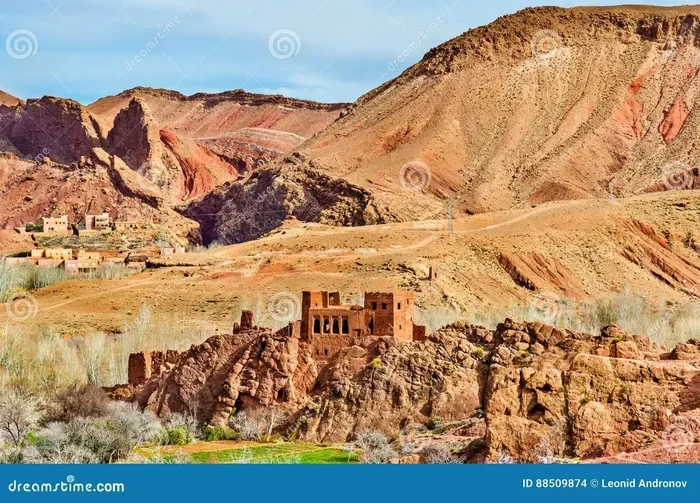
Featured image for Dades Valley Morocco landscape
Image source: thumbs.dreamstime.com
A 5-day excursion from Marrakech to the Dades Valley is one of Morocco’s most rewarding adventures, blending desert landscapes, ancient kasbahs, and authentic Berber culture into one unforgettable journey. This extended tour allows travelers to move beyond the typical rushed itineraries, spending meaningful time in the Atlas Mountains, Todra Gorges, Sahara Desert, and the iconic rose-scented Dades Valley. Perfect for culture lovers, photographers, and slow travelers, this route reveals the soul of southern Morocco.
If you’ve ever dreamed of riding a camel across golden Sahara dunes at sunset, sleeping under a canopy of stars, and waking up in a centuries-old kasbah surrounded by rose gardens, then a 5-day excursion from Marrakech to the Dades Valley might just be the journey you’ve been waiting for.
Unlike the rushed 2 or 3-day tours that flood the market, a 5-day itinerary gives you something far more valuable: time. Time to wander through Berber markets without a schedule. Time to hike a quiet trail in the Atlas Mountains. Time to sit with mint tea and actually listen to the stories your guide shares. Think of it as the difference between speed-dating and a proper first date, only with Morocco’s most spectacular scenery as your backdrop.
In this comprehensive guide, we’ll walk you through everything you need to know: what to expect each day, where you’ll sleep, what you’ll eat, how much it costs, and the practical details that turn a good trip into an unforgettable one. Whether you’re a solo traveler, a couple, or planning a family adventure, this article will help you prepare for one of North Africa’s most iconic journeys.
Key Takeaways
- Extended Itinerary Advantage: A 5-day tour gives you roughly 60% more time in the desert region compared to standard 3-day trips, reducing exhaustion and deepening cultural immersion.
- Geographic Variety: The route covers four distinct landscapes: High Atlas Mountains, Sahara Desert, Todra Gorges, and the Dades Valley, each with unique ecosystems.
- Cultural Depth: You will visit multiple Berber villages and kasbahs, providing authentic encounters with Morocco’s indigenous communities.
- Best Travel Seasons: Spring (March-May) and autumn (September-November) offer the most comfortable temperatures, avoiding both summer heat and winter cold.
- Budget Range: Prices typically range from €350-€650 per person, including transport, accommodation, guide, and most meals.
- Physical Accessibility: The tour is suitable for most fitness levels, with optional camel treks and short hikes available but not mandatory.
- Photography Opportunities: The route features over 15 iconic photography stops, from Ait Ben Haddou to Erg Chebbi dunes.
📑 Table of Contents
- What Is a 5-Day Marrakech to Dades Valley Excursion?
- Why Choose a 5-Day Tour Over Shorter Options?
- What to Expect Each Day: A Detailed Itinerary Breakdown
- Where Will You Sleep? Accommodation Options Explained
- How Much Does It Cost and How to Book?
- What to Pack and Practical Tips for Your Journey
- Conclusion: Why This Trip Will Stay With You Forever
What Is a 5-Day Marrakech to Dades Valley Excursion?
A 5-day excursion from Marrakech to the Dades Valley is an organized overland journey that takes travelers through southern Morocco’s most dramatic landscapes, combining desert experiences with mountain adventures and cultural exploration. It is essentially a slow-travel version of the classic Marrakech-to-desert loop, with the Dades Valley serving as the scenic climax before returning to the Red City.
Who Is This Tour Designed For?
This tour appeals to a surprisingly wide audience. Cultural travelers love it because it passes through multiple Berber villages and UNESCO World Heritage sites. Photographers are drawn to the contrast of red kasbahs, golden dunes, and snow-capped Atlas peaks. Adventure seekers appreciate the camel treks and optional hikes. Even families with children find it manageable, as the pace is relaxed and vehicles are comfortable.
If you’re someone who values experiences over checklists, this tour is for you. If you prefer independent travel, you can absolutely replicate this route solo, but having a local guide adds layers of context that guidebooks simply cannot provide.
What Makes the Dades Valley Special?
The Dades Valley, sometimes called the “Valley of a Thousand Kasbahs,” is a lush river valley cutting through the eastern High Atlas foothills. It is famous for its dramatic rock formations (known locally as “monkey fingers”), fortified mud-brick villages, and rose gardens that bloom every May. The valley acts as a natural bridge between the Sahara Desert and the Atlas Mountains, making it a perfect anchor point for any southern Morocco itinerary.
Where Does the Tour Go?
Geographically, the route forms a rough loop through four provinces: Marrakech-Safi, Drâa-Tafilalet, Béni Mellal-Khénifra, and Souss-Massa. The journey typically follows this path:
- Day 1: Marrakech to Ait Ben Haddou to Ouarzazate to Boumalne Dades
- Day 2: Dades Valley exploration to Todra Gorges to Merzouga (Sahara)
- Day 3: Sahara Desert immersion (camel trek, overnight in Berber camp)
- Day 4: Return via different route, often through Draa Valley or Skoura
- Day 5: Return to Marrakech via Atlas Mountains and optional stops
Did You Know? The Dades Valley is home to over 300 kasbahs, some dating back to the 17th century. Many are still inhabited today, functioning as multi-generational family homes.
Why Choose a 5-Day Tour Over Shorter Options?
The most common question travelers ask is: “Why not just do a 3-day tour?” The answer lies in what you gain and what you avoid.
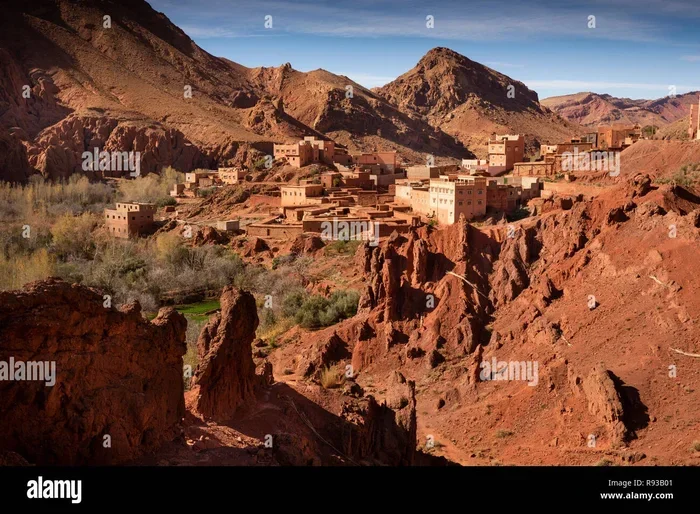
Visual guide about Dades Valley Morocco landscape
Image source: c8.alamy.com
The Problem With Rushed Itineraries
Three-day tours covering Marrakech, the Sahara, and back typically involve 8-10 hours of driving daily. By day two, travelers often report feeling exhausted rather than enriched. You end up photographing scenery through a bus window instead of walking through it. You sleep in your riad for only 8 hours before being rushed out again. You meet locals briefly but never form connections.
A 5-day tour flips this script. You drive less, experience more, and return home with stories rather than just photos.
The Slow Travel Philosophy
Slow travel is a growing movement that prioritizes deeper immersion over ticking off destinations. A 5-day Marrakech to Dades excursion embodies this philosophy perfectly. You spend full days in fewer locations, allowing yourself to absorb the rhythm of Moroccan life: the morning call to prayer, the afternoon mint tea ritual, the sunset gathering at the village square.
Think of it like reading a book versus skimming the summary. The summary gives you facts; the book gives you understanding.
Health and Comfort Benefits
Long driving days in Morocco can cause back strain, dehydration, and general fatigue. The 5-day format reduces daily driving to an average of 4-5 hours, with built-in rest stops. This is especially valuable for older travelers, families with young children, and anyone with mobility concerns.
Did You Know? Morocco’s road network has improved dramatically in the past decade, but mountain roads still feature hairpin turns. Slower daily distances mean safer, more comfortable travel for everyone.
What to Expect Each Day: A Detailed Itinerary Breakdown
Let’s walk through what a typical 5-day excursion actually looks like, hour by hour. Note that exact timing varies by operator, but the structure remains consistent across reputable companies.
Day 1: Marrakech to the Dades Valley
Your adventure begins with an early morning pickup from your Marrakech riad, typically between 7:00 and 8:00 AM. The first leg crosses the High Atlas Mountains via the stunning Tizi n’Tichka pass, which sits at 2,260 meters above sea level.
Key stops include:
- Tizi n’Tichka Pass: Panoramic mountain views and photo opportunities
- Ait Ben Haddou: UNESCO-listed kasbah featured in Gladiator and Game of Thrones
- Ouarzazate: Known as the “Hollywood of Africa” due to its film studios
- Valley of the Roses: Brief stop during spring for rose product shopping
You arrive in the Dades Valley by late afternoon, check into a traditional kasbah hotel, and enjoy your first authentic Moroccan dinner, typically tagine with vegetables and slow-cooked meat.
Day 2: Dades Valley to Todra Gorges to Merzouga
Day two is the most visually varied, transitioning from river valleys to dramatic gorges to the edge of the Sahara. After breakfast, you explore the Dades Valley’s rock formations and visit a local Berber family for tea. Then it’s on to the Todra Gorges, where 400-meter canyon walls create one of Morocco’s most photographed landscapes.
After lunch in Tinghir or nearby Tinejdad, you continue south through increasingly arid landscapes until the first Erg Chebbi dunes appear on the horizon. You arrive in Merzouga by late afternoon, where camels await for your trek into the desert camp.
Did You Know? The dunes of Erg Chebbi can reach heights of 150 meters and stretch over 30 kilometers. They are among the tallest stable dunes in the world.
Day 3: Sahara Desert Immersion
This is the day most travelers dream about. You wake early to catch the sunrise over the dunes, a moment of profound silence and beauty. After breakfast at camp, you can choose how to spend your day: relax in the camp, take a sandboarding lesson, visit the seasonal lake of Merzouga, or explore the nearby village of Khamlia, home to the Gnawa people and their distinctive music.
Many operators offer optional activities like quad biking or 4×4 desert excursions. The second night can be spent either back in the camp or in a hotel in Merzouga, depending on your preference.
Day 4: Return Journey Through Different Landscapes
Rather than retracing your route, day four typically heads west through Alnif and the Draa Valley, the longest river valley in Morocco. This route passes through dramatic desert landscapes, palm groves, and traditional villages that the original route missed.
You’ll stop in Agdz or Zagora for lunch, then continue through the stunning Anti-Atlas region. Many tours include a visit to the UNESCO-listed Kasbah of Ait Ben Haddou again, this time for sunset photography, before settling into a hotel in Ouarzazate or the Skoura palm grove.
Day 5: Return to Marrakech
The final day winds through the Atlas Mountains one last time, with stops in the Telouet Kasbah (lesser-known but stunning) and the Berber village of Imlil or Asni, depending on the route. You arrive in Marrakech by late afternoon, usually between 5:00 and 6:00 PM, just in time for dinner and your final night in the Red City.
Where Will You Sleep? Accommodation Options Explained
Accommodation is one of the highlights of a 5-day tour. You typically stay in a mix of mid-range hotels, traditional kasbahs, and a desert camp, providing variety without sacrificing comfort.
Traditional Riads and Kasbahs
Throughout the journey, you’ll sleep in restored kasbahs or family-run riads. These are traditional Moroccan houses built around central courtyards, often decorated with intricate tilework (zellige), carved plaster, and colorful textiles. Rooms are simple but clean, with private bathrooms and air conditioning in most established properties.
Sahara Desert Camps
Your desert night is spent in a Berber-style tent camp, either luxury (with private bathrooms and proper beds) or standard (shared facilities and simpler bedding). Both options include traditional Berber music around a campfire, often with drumming and dancing, plus a tagine dinner under the stars.
Did You Know? Luxury desert camps in Merzouga now feature amenities like hot showers, Wi-Fi, and even air-conditioned tents, all powered by solar energy.
What About Food?
Meals are typically included: breakfast and dinner daily, plus some lunches. Expect dishes like:
- Tagine: Slow-cooked stew with vegetables, chicken, lamb, or fish
- Couscous: Especially on Fridays, the traditional Moroccan family meal
- Harira: Hearty tomato-based soup with lentils and chickpeas
- Mint tea: Served at every stop, often with fresh mint from the garden
How Much Does It Cost and How to Book?
Pricing varies based on accommodation level, group size, and operator reputation. Here’s a realistic breakdown:
Price Ranges
- Budget tours: €350-€450 per person (shared rooms, standard camp)
- Mid-range tours: €450-€600 per person (private rooms, comfortable hotels)
- Luxury tours: €600-€900+ per person (luxury camp, premium riads)
What’s Typically Included
Most tours include transport in air-conditioned 4×4 or minivan, English or Spanish-speaking driver-guide, accommodation, breakfast and dinner daily, camel trek, and hotel pickup/drop-off in Marrakech. International flights, travel insurance, lunches, drinks, and tips are usually extra.
Booking Tips
Book through reputable platforms like GetYourGuide, Viator, or directly with established Moroccan agencies. Read recent reviews on TripAdvisor, focusing on comments from the past six months. Avoid operators who require 100% payment upfront; a 20-30% deposit is standard.
For the best prices, consider traveling in shoulder season (March-April or October-November) when temperatures are pleasant but tourist numbers are lower. Booking directly with Moroccan operators often saves 15-20% compared to international platforms.
What to Pack and Practical Tips for Your Journey
Packing smart makes a huge difference on this trip. Morocco’s southern regions experience temperature swings of 20°C+ between day and night, especially in the desert.
Essential Items
- Layered clothing: Light layers for daytime, warm jacket for desert nights
- Sun protection: Hat, sunglasses, SPF 30+ sunscreen
- Comfortable shoes: For walking on dunes and uneven village paths
- Headlamp or flashlight: Desert camps have limited lighting
- Reusable water bottle: Stay hydrated in the dry climate
- Camera with extra batteries: Cold desert nights drain batteries quickly
- Power adapter: Morocco uses Type C and E plugs
Health and Safety Considerations
Tap water is not safe to drink in Morocco; stick to bottled water. Most travelers experience mild stomach upset in the first day or two, so pack basic medication. The desert sun is intense, even in winter, so sun protection is non-negotiable.
Travel insurance is highly recommended, especially coverage for medical evacuation given the remote areas you’ll visit.
Cultural Etiquette Tips
Morocco is a Muslim country with conservative customs. Dress modestly, especially in rural areas; cover shoulders and knees. Always ask permission before photographing people. Remove shoes when entering homes or mosques. Use your right hand for greeting and eating.
Conclusion: Why This Trip Will Stay With You Forever
A 5-day excursion from Marrakech to the Dades Valley is more than a vacation; it’s a transformation. You’ll arrive in Marrakech as a tourist and leave as someone who understands a little piece of Morocco’s soul. You’ll have ridden a camel at sunrise, slept under stars, shared mint tea with strangers who quickly become friends, and watched the sun paint the dunes in colors you didn’t know existed.
The landscapes are undeniably spectacular, but it’s the human connections that travelers remember most. The Berber guide who explains how his grandmother taught him to read the desert sky. The shopkeeper in Ait Ben Haddou who insists you try every local product. The camel handler who plays traditional drums around the campfire. These are the moments that transform a tour into a story you tell for decades.
If you’re considering this journey, my advice is simple: book it. Don’t wait for the “perfect time.” Morocco has been welcoming travelers for centuries, and the Dades Valley has been there for millennia. It’s ready when you are.
Start planning today, pack your sense of adventure, and prepare yourself for one of the most rewarding travel experiences North Africa has to offer. The Dades Valley is waiting.
Frequently Asked Questions
Is a 5-day Marrakech to Dades Valley tour suitable for families with children?
Yes, this tour is family-friendly and works well for children aged 6 and up. The pace is relaxed, vehicles are comfortable, and the camel trek can be adjusted based on your child’s comfort level. Many operators offer family discounts and can customize meals for picky eaters.
What is the best time of year to take this excursion?
The best periods are spring (March to May) and autumn (September to November). Temperatures range between 20°C and 28°C during the day, making desert and mountain exploration comfortable. Avoid July and August when desert temperatures exceed 45°C, and December-February when desert nights can drop below freezing.
Do I need travel insurance for this trip?
Travel insurance is strongly recommended, particularly coverage that includes medical evacuation. You’ll be traveling through remote areas where specialized medical care requires transport to larger cities. Most operators require proof of insurance before departure.
Can I do this tour independently without a guide?
Yes, but it requires more planning and a rental car. Public transport connects major towns but doesn’t reach the best viewpoints. A local guide adds cultural context, helps navigate language barriers, and often secures better prices at accommodations. For first-time Morocco visitors, a guided tour is recommended.
What currency should I bring and how much spending money is needed?
Moroccan Dirham (MAD) is the local currency, though euros are widely accepted in tourist areas. Bring €150-€250 in cash for tips, souvenirs, and personal expenses. ATMs are available in major towns like Ouarzazate and Merzouga, but not at desert camps.
Is the camel trek safe and how long does it last?
Yes, camel treks are safe and suitable for most fitness levels. The standard trek lasts 1-2 hours, with camels guided by experienced handlers. Pregnant travelers and those with severe back issues should consider alternative transport to the camp, which most operators can arrange via vehicle.