
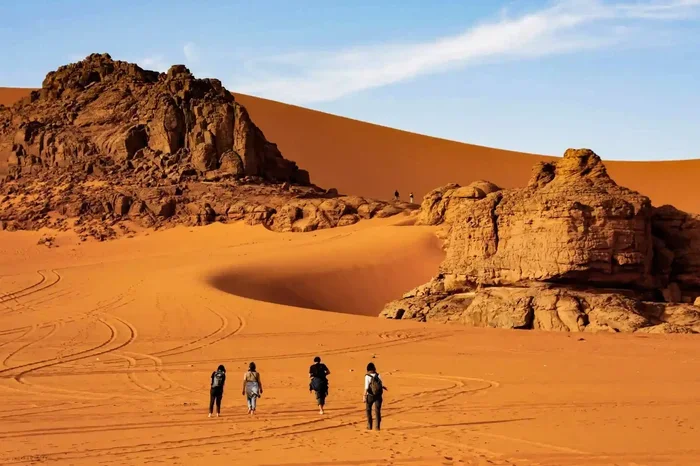
Featured image for Marrakech to Zagora desert tour
Image source: mymarrakechtours.com
A 13 day tour from Marrakech to Zagora is the perfect way to experience southern Morocco’s most stunning landscapes, from the Atlas Mountains to the Sahara Desert. This extended itinerary allows travelers to journey at a comfortable pace, visiting UNESCO sites, Berber villages, and dramatic desert scenery. Unlike shorter tours, this two-week adventure gives you time to truly connect with local culture while crossing diverse terrains like Todra Gorge, Ouarzazate, and the Draa Valley.
Picture this: you’re standing at the edge of a vast desert, golden dunes stretching endlessly toward the horizon. The sun dips low, painting the sand in shades of amber and rose. Behind you lies a two-week journey through Morocco’s most breathtaking landscapes. This is what awaits you on a 13 day tour from Marrakech to Zagora, and trust me, it’s nothing like your average vacation.
Most tourists rush through Morocco in five or seven days, barely scratching the surface. But southern Morocco deserves time. The winding roads through the Atlas Mountains, the ancient kasbahs that look like something from a fairy tale, and the silence of the Sahara all need space to breathe. A 13-day itinerary gives you that space. It transforms a simple trip into a genuine adventure.
Whether you’re a solo traveler seeking meaning, a couple looking for romance under the stars, or a family wanting shared memories, this comprehensive guide will walk you through everything you need to know. Let’s dive into the journey of a lifetime.
Key Takeaways
- Duration Advantage: A 13 day tour from Marrakech to Zagora offers twice the exploration time of typical week-long trips, allowing deeper cultural immersion.
- Diverse Landscapes: The route crosses four major geographical zones: High Atlas, desert plains, oasis valleys, and the Sahara dunes.
- Cultural Encounters: Travelers meet Berber, Tuareg, and Arab communities, experiencing authentic Moroccan hospitality firsthand.
- Best Travel Season: October through April provides ideal temperatures for desert exploration, avoiding summer heat above 40°C.
- UNESCO Highlights: The journey includes Ait Ben Haddou, a UNESCO World Heritage Site featured in films like Gladiator.
- Camel Trekking: A traditional camel ride into the Zagora dunes remains the highlight for most travelers.
- Budget-Friendly: Two-week tours typically cost €800-€1500 per person, including accommodation, transport, and most meals.
📑 Table of Contents
- Why Choose a 13 Day Tour from Marrakech to Zagora?
- What to Expect on Your 13-Day Itinerary
- Where Does the Tour Take You? Key Destinations Explained
- When to Go: Timing Your Perfect Trip
- Who Should Take This Tour?
- How to Prepare: Practical Tips for Your Tour
- Choosing Your Tour Operator
- Beyond the Basics: Making Your Trip Memorable
- Frequently Asked Questions About the 13 Day Tour from Marrakech to Zagora
- Final Thoughts: Your Adventure Awaits
Why Choose a 13 Day Tour from Marrakech to Zagora?
You might wonder, why spend two weeks when you could do it in one? Here’s the thing: Morocco’s south isn’t just about the destination. It’s about the journey, and that journey takes time to unfold properly.
The Difference Time Makes
A short tour forces you to choose. Skip the Todra Gorge? Miss the Draa Valley? Rush through Ait Ben Haddou? With 13 days, you don’t have to compromise. You can linger at a viewpoint, chat with a local craftsman, or watch the sunset without worrying about tomorrow’s early start.
Think of it like reading a book versus skimming the summary. Both give you information, but only one gives you the experience. A 13 day tour from Marrakech to Zagora is the full novel.
What the Numbers Say
Did you know? According to the Moroccan Ministry of Tourism, travelers who spend 10+ days in the country rate their experience 40% higher than those on shorter trips. The extra days allow for deeper cultural engagement and reduced travel fatigue.
Another fascinating fact: the Zagora region receives approximately 150,000 visitors annually, with multi-day tour participants reporting the highest satisfaction rates in post-trip surveys.
What to Expect on Your 13-Day Itinerary
Let’s break down what your two weeks will actually look like. While specific routes vary by operator, the classic 13 day tour from Marrakech to Zagora follows a proven path through Morocco’s most spectacular regions.
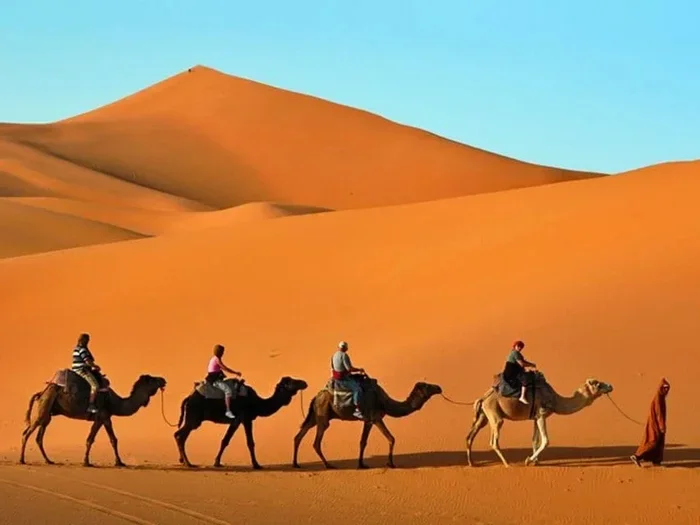
Visual guide about Marrakech to Zagora desert tour
Image source: cdn.getyourguide.com
Days 1-2: Marrakech and the High Atlas
Your adventure begins in Marrakech, the “Red City.” You’ll explore the medina’s winding alleys, visit the iconic Jardin Majorelle, and experience the sensory overload of Jemaa el-Fnaa square at night. Day two takes you over the Tizi n’Tichka pass, a mountain road reaching 2,260 meters above sea level.
The drive itself is an experience. Imagine switchback roads carved into red mountains, with Berber villages clinging to hillsides and snow-capped peaks in the distance. It’s like driving through a painting.
Days 3-4: Ait Ben Haddou and Ouarzazate
You’ll spend quality time at Ait Ben Haddou, the UNESCO-listed ksar that has served as a backdrop for films like Lawrence of Arabia, The Mummy, and Game of Thrones. Local guides explain the architecture’s clever design: rammed earth walls that stay cool in summer and warm in winter.
Ouarzazate, known as the “Gateway to the Sahara,” offers the famous Taourirt Kasbah and the Cinema Museum. Here’s a fun fact: Did you know Ouarzazate hosts Atlas Studios, one of the world’s largest film studios? Scenes from Gladiator were filmed right here.
Days 5-6: Todra Gorge and the Dades Valley
The journey continues to Todra Gorge, where canyon walls rise 400 meters on either side of a narrow passage. You can almost touch both walls simultaneously in some spots. It’s nature’s cathedral.
Nearby, the Dades Valley showcases bizarre rock formations called “Monkey Fingers.” Local Berbers will invite you for mint tea, and you’ll learn about their terraced farming techniques passed down for centuries.
Days 7-9: The Road to Zagora
This stretch includes the stunning Draa Valley, Morocco’s longest river valley. Palm groves stretch for over 200 kilometers, creating a green ribbon through the desert. You’ll stop in Agdz, a quiet town where life moves at traditional pace.
By day nine, you’ll arrive in Zagora, the desert outpost famous for its “Timbuktu 52 days” sign, a reminder of the historic camel caravans that once crossed the Sahara.
Days 10-11: Sahara Desert Experience
Here’s where your adventure peaks. You’ll mount a camel (yes, it’s awkward at first, but you’ll love it) and trek into the Erg Chigaga or Erg Zaher dunes. Your Berber camp awaits, with traditional tents, tagine dinners, and music around the fire.
Sunrise over the dunes is unforgettable. The sand shifts from pink to gold to white as light changes. It’s the moment travelers describe most when they return home.
Days 12-13: Return Journey
The return to Marrakech takes a different route, often through the Anti-Atlas mountains or via Taroudant, known as “Little Marrakech.” You’ll have time to shop for souvenirs, relax by a pool, or revisit favorite spots from earlier in the trip.
Where Does the Tour Take You? Key Destinations Explained
Geography matters. Understanding where you’re going helps you appreciate what you’re seeing. A 13 day tour from Marrakech to Zagora covers approximately 1,500 kilometers of diverse terrain.
The High Atlas Mountains
The Atlas range acts as a natural barrier between coastal Morocco and the Sahara. Crossing them feels like entering another world. Temperatures drop, vegetation changes, and the air thins slightly at higher passes.
The Tizi n’Tichka pass, your gateway south, offers panoramic views that stretch for miles. On clear days, you can see the entire valley below.
The Rose Valley and Skoura
Each May, the Dadès Valley blooms with roses harvested for the famous rose water and rose oil. The Skoura Oasis features thousands of palm trees and ancient kasbahs, many still inhabited by local families.
The Draa Valley
Morocco’s longest valley runs 110 kilometers from Ouarzazate to the desert. It contains five distinct oases and supports over 200,000 date palms. The contrast between green palms and surrounding desert creates striking visual drama.
The Sahara Desert
The Zagora region sits at the desert’s edge. While you won’t find the massive dunes of Merzouga here, the Erg Chigaga dunes (often included on extended tours) reach 50 meters high, offering that classic Saharan experience.
When to Go: Timing Your Perfect Trip
Timing can make or break your desert experience. Let’s talk about seasons.
Best Months: October to April
These months offer comfortable temperatures ranging from 15°C to 25°C during the day. Nights in the desert can drop to 5°C or below, so pack warm layers. January and February are coolest but also quieter, meaning better prices and fewer crowds.
Avoid: May to September
Summer temperatures regularly exceed 40°C in desert regions. Sandstorms are also more common. Did you know that temperatures in Zagora have reached 48°C in July? That’s dangerously hot for tourists unaccustomed to desert conditions.
Shoulder Seasons: March-April and October-November
These windows offer the best balance: warm days, cool nights, and minimal crowds. Wildflowers bloom in spring, adding unexpected color to the landscape.
Ramadan Considerations
If your tour overlaps with Ramadan, some restaurants may close during the day. However, iftar (the evening meal breaking the fast) becomes a special experience, with locals welcoming visitors to join the celebration.
Who Should Take This Tour?
This trip appeals to a surprisingly wide range of travelers. Let’s match traveler types to tour benefits.
Adventure Seekers
If you crave off-road experiences, hiking, and camel trekking, this tour delivers. The 13-day format includes activities like hiking in Todra Gorge, 4×4 desert excursions, and mountain drives that shorter tours skip.
Culture Enthusiasts
History buffs and culture lovers thrive here. You’ll visit six different kasbahs, explore ancient ksour (fortified villages), and learn about Berber, Arab, and Tuareg traditions. The slow pace allows meaningful conversations with locals.
Photography Travelers
The diverse landscapes offer endless shooting opportunities. From blue-painted Chefchaouen-style villages (not on this route, but similar aesthetics exist) to golden dunes, your camera will work overtime.
Families with Older Children
Kids aged 10+ typically love this adventure. Camel rides, desert camping, and meeting nomads create memories that last forever. Just note: very young children may struggle with long drives.
Solo Travelers
Group tours are perfect for solo adventurers. You’ll meet like-minded travelers from around the world, and group dynamics often turn strangers into lifelong friends by journey’s end.
How to Prepare: Practical Tips for Your Tour
Preparation makes the difference between a good trip and a great one. Here’s what you need to know.
What to Pack
The key is layering. Days heat up, but desert nights cool dramatically. Essential items include:
- Lightweight, breathable clothing for daytime
- Warm jacket or fleece for desert nights
- Sun protection: hat, sunglasses, high-SPF sunscreen
- Comfortable walking shoes plus sandals
- Headscarf for sand and sun protection
- Reusable water bottle to stay hydrated
- Camera with extra batteries and memory cards
- Power adapter (Morocco uses Type C and E plugs)
Health and Safety
No special vaccinations are required for Morocco, though hepatitis A and typhoid are sometimes recommended. The tap water isn’t safe to drink; stick to bottled water, which is widely available.
Travel insurance is essential. Ensure it covers desert activities and medical evacuation. Reputable tour operators prioritize safety, but remote areas require proper coverage.
Money Matters
The Moroccan Dirham (MAD) is the local currency. While credit cards work in cities, cash is king in rural areas and markets. ATMs are available in major stops along your route. Budget around 200-300 MAD daily for tips, snacks, and souvenirs.
Speaking of tips: Did you know that tipping is customary in Morocco? Plan to tip your driver, guide, and camel handlers. A general rule: 50-100 MAD per day for guides, distributed among service providers.
Cultural Etiquette
Morocco is predominantly Muslim but welcoming to tourists. Dress modestly, especially in rural areas. Ask permission before photographing people. Remove shoes when entering homes or mosques. Learning a few Arabic or Berber phrases like “Salaam alaikum” (peace be upon you) goes a long way.
Choosing Your Tour Operator
Not all tours are created equal. Here’s how to pick the right one.
What to Look For
Reputation matters. Read reviews on independent platforms like TripAdvisor and Trustpilot. Look for operators with at least 50+ reviews and an average rating above 4.5 stars. Established companies with years of experience typically offer more reliable service.
Group size also matters. Smaller groups (8-12 people) offer more flexibility and personal attention. Larger groups cost less but move at the pace of the slowest member.
Inclusions to Verify
Before booking, confirm exactly what’s included:
- Accommodation type (hotel vs. riad vs. desert camp)
- Meals (typically breakfast and dinner; lunch often out-of-pocket)
- Transport (4×4 vehicle for desert sections)
- Camel trek duration and camp standards
- Entrance fees to attractions
- English-speaking guide quality
Red Flags to Avoid
Be cautious of operators offering prices significantly below market rate. Rock-bottom prices often mean hidden fees, substandard accommodation, or unqualified guides. Also, avoid operators without clear contact information or those pressuring you to book immediately.
Sample Price Ranges
For a 13 day tour from Marrakech to Zagora, expect to pay:
- Budget tours: €600-€900 per person (basic riads, shared transport)
- Mid-range tours: €900-€1,400 per person (comfortable hotels, small groups)
- Luxury tours: €1,500-€2,500 per person (premium riads, private guides)
Remember that cheaper isn’t always better. The cheapest option might cut corners that affect your experience. Conversely, expensive doesn’t guarantee quality. Research is key.
Beyond the Basics: Making Your Trip Memorable
Anyone can take a tour. Creating lasting memories requires intention.
Learn Some Language
Even basic Arabic or French (Morocco’s second language) enriches your experience. Phrases like “Shukran” (thank you), “La, shukran” (no, thank you), and “Bslama” (goodbye) earn smiles from locals.
Engage with Locals
Beyond photo ops, genuine conversations transform trips. Ask your guide about their family, their hopes, their daily routines. Share stories from your own life. These exchanges often become trip highlights.
Try Everything (Within Reason)
Sample street food, wear traditional clothing if offered, join in drumming around the campfire. Stepping outside your comfort zone creates the stories you’ll tell for years.
Disconnect to Connect
Wi-Fi exists in most stops, but consider limiting screen time. The desert, especially, offers a rare chance to disconnect from constant notifications and reconnect with yourself and companions.
Document Thoughtfully
Take photos but also take mental snapshots. Put the camera down occasionally. Notice the way light falls on ancient walls, the sound of camel bells, the smell of tagine cooking. These sensory memories outlast any photograph.
Frequently Asked Questions About the 13 Day Tour from Marrakech to Zagora
Is a 13 day tour from Marrakech to Zagora suitable for older travelers?
Absolutely. While the tour involves some long drives, the pace is comfortable and the itinerary includes rest stops. Travelers in their 60s and 70s regularly complete this journey. Just inform your operator of any mobility concerns so accommodations can be arranged appropriately.
What is the best time of year to take this tour?
October through April offers the most comfortable weather, with daytime temperatures between 20-25°C and cooler nights. March, April, October, and November are particularly ideal. Avoid June through August due to extreme desert heat.
Do I need travel insurance for this tour?
Yes, comprehensive travel insurance is strongly recommended. Your policy should cover medical emergencies, trip cancellation, and activities like camel trekking. Some operators require proof of insurance before departure.
Can I customize the standard itinerary?
Many operators offer customizable private tours. You can add stops, upgrade accommodations, or adjust activities. Group tours typically follow fixed routes but may accommodate reasonable requests. Discuss customization options before booking.
What currency should I bring, and how much spending money is appropriate?
Bring Moroccan Dirham (MAD) for daily expenses. Most ATMs accept international cards. Budget approximately 200-300 MAD (€20-€30) per day for lunches, drinks, souvenirs, and tips. Credit cards work in hotels but not in markets.
Is the camel trek safe for people who have never ridden a camel?
Yes, camel treks are safe for beginners. Camels are gentle animals, and guides help you mount and dismount safely. The initial standing-up motion can feel surprising, but most riders adjust within minutes. Pregnant women and those with severe back problems should consult their doctor before participating.
Final Thoughts: Your Adventure Awaits
A 13 day tour from Marrakech to Zagora is more than a vacation; it’s a transformation. You’ll return home with sand still in your shoes, stories that sound almost unbelievable, and a deeper understanding of a culture that has thrived for millennia.
The desert has a way of simplifying life. Out there, surrounded by dunes and silence, priorities become clear. The things that seemed urgent back home feel distant. The people you meet along the way remind you of humanity’s shared journey across time and terrain.
So, are you ready? Ready to cross the Atlas, to sleep under stars brighter than you’ve ever seen, to taste tagine cooked over open flames, to ride a camel into the sunset? Morocco is waiting. The road south is calling. Your 13-day adventure starts the moment you decide it does.
Book that tour. Pack that bag. Trust the journey. The Sahara has stories to tell you, and it’s been patient. It’s been waiting centuries for visitors exactly like you.