
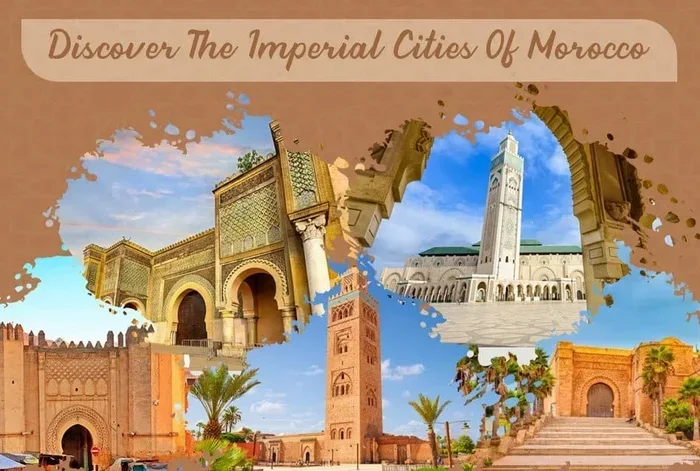
Featured image for Morocco imperial cities tour
Image source: marrakechdesertexcursions.com
Our 14-day tour from Marrakech to Chefchaouen is the ultimate Moroccan adventure, covering over 2,000 kilometers of diverse landscapes, ancient medinas, and cultural treasures. This comprehensive journey takes you through imperial cities, Sahara Desert dunes, coastal Essaouira, and the famous blue-painted streets of Chefchaouen. Perfect for travelers seeking authentic experiences, this tour balances guided sightseeing with free exploration time. With comfortable accommodations, expert local guides, and small group sizes, you’ll discover Morocco’s rich history, vibrant traditions, and breathtaking scenery on one unforgettable trip.
Key Takeaways
- Duration and Distance: The 14-day tour covers approximately 2,000-2,500 km, starting in Marrakech and ending in Chefchaouen (Chaouen) in northern Morocco.
- Route Highlights: Major stops include Ait Benhaddou, Merzouga Sahara Desert, Fes, Chefchaouen, Essaouira, and Volubilis Roman ruins.
- Best Travel Season: March-May and September-November offer the most comfortable temperatures for this extensive journey.
- Group Size Matters: Small groups (8-12 people) provide better cultural immersion and access to remote locations.
- Accommodation Variety: Expect a mix of riads, hotels, and one night in a Berber desert camp under the Sahara stars.
- Budget Range: Prices typically range from $1,200-$2,500 per person, including most meals, transport, and accommodation.
- Cultural Preparation: Respectful dress and basic Arabic/French phrases significantly enhance interactions with locals.
📑 Table of Contents
- Your Complete Guide to the 14-Day Marrakech to Chefchaouen Tour: The Ultimate Moroccan Adventure
- What Exactly Is the 14-Day Marrakech to Chefchaouen Tour?
- When Should You Take This Tour? Best Seasons and Timing
- The Complete Day-by-Day Route Breakdown
- Practical Planning: Costs, Accommodations, and What to Expect
- Essential Tips for an Amazing 14-Day Moroccan Adventure
- Why This 14-Day Route Is Worth Every Minute
- Final Thoughts: Is This Tour Right for You?
Your Complete Guide to the 14-Day Marrakech to Chefchaouen Tour: The Ultimate Moroccan Adventure
Imagine waking up in a bustling Marrakech souk one morning, then falling asleep under a blanket of stars in the Sahara Desert just days later. Picture yourself wandering through ancient Roman ruins one afternoon, and getting lost in the famous blue-painted alleyways of Chefchaouen the next. This is exactly what a 14-day tour from Marrakech to Chefchaouen offers, and it’s hands down the best way to experience Morocco’s incredible diversity.
Morocco sits at the crossroads of Africa, Europe, and the Middle East, which means every kilometer you cover reveals something new. Did you know that Morocco has four UNESCO World Heritage Sites on this route alone? From the red walls of Marrakech to the blue streets of Chefchaouen, this journey tells the story of a nation shaped by Berber, Arab, French, and Spanish influences.
This guide breaks down everything you need to know about planning and enjoying this epic 14-day adventure. Whether you’re a first-time visitor to Morocco or a seasoned traveler looking for the perfect itinerary, you’ll find practical tips, detailed route information, and insider knowledge to make your trip unforgettable.
What Exactly Is the 14-Day Marrakech to Chefchaouen Tour?
Think of this tour as a cross-section of Morocco itself. It’s a carefully designed route that starts in the imperial city of Marrakech in the south and ends in Chefchaouen (often called Chaouen) in the Rif Mountains of the north. Along the way, you’ll experience:
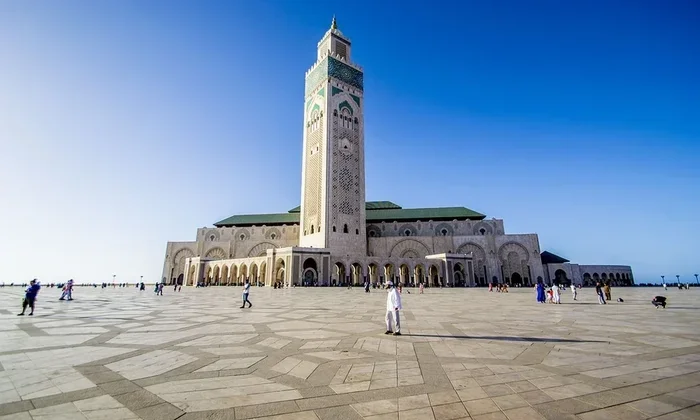
Visual guide about Morocco imperial cities tour
Image source: typiquetours.com
- Imperial cities: Marrakech, Fes, Meknes, and Rabat
- Sahara Desert: Camel trekking and overnight camping in Merzouga
- Coastal gems: The wind-swept beaches of Essaouira
- Mountain landscapes: The Atlas Mountains and Rif Mountains
- Ancient history: Roman ruins at Volubilis and Ait Benhaddou
The tour typically lasts 14 days and 13 nights, giving you enough time to truly absorb each location without feeling rushed. Most operators offer small group tours (8-12 people), though private options are available for families or couples wanting more flexibility.
Who Is This Tour Designed For?
This 14-day adventure is perfect for travelers who want to see “the real Morocco” beyond the surface-level tourist experiences. It’s ideal for:
- Culture enthusiasts who love history, architecture, and local traditions
- Photography lovers chasing stunning landscapes and vibrant street scenes
- Adventure seekers ready for camel rides, desert camping, and mountain drives
- Foodies excited to taste tagines, couscous, and mint tea in their authentic settings
- Solo travelers looking for a safe, social way to explore Morocco
If you’re someone who prefers staying in one place for two weeks, this isn’t for you. But if you love variety and want to maximize your time in Morocco, this tour delivers exceptional value.
When Should You Take This Tour? Best Seasons and Timing
Morocco’s climate varies dramatically by region, which is why timing matters. The good news? There’s no truly “bad” time to visit, but some months are clearly better than others.
Peak Season: March to May and September to November
These shoulder seasons offer the sweet spot of pleasant weather and fewer crowds. Temperatures in Marrakech average around 75°F (24°C), while the Sahara can be warm during the day but cool at night. Did you know that temperatures in the Sahara can swing 40+ degrees between day and night? That’s why desert camping requires proper preparation.
Spring (March-May) brings blooming wildflowers, particularly in the Atlas Mountains. Fall (September-November) offers harvest season, when you can see dates, olives, and pomegranates being collected.
Summer Considerations: June to August
Summer temperatures can hit 110°F (43°C) in the Sahara and 100°F (38°C) in Marrakech. However, coastal Essaouira and mountain Chefchaouen stay cooler, making summer a reasonable option if you focus on northern destinations. Many tour operators offer discounted rates during this period.
Winter Adventures: December to February
Winter brings snow to the Atlas Mountains, which can actually be magical, but it may also cause road closures. The Sahara gets surprisingly cold at night (sometimes below freezing), so pack accordingly. Chefchaouen in winter is peaceful and photogenic without the crowds.
Ramadan and Cultural Events
Avoiding Ramadan is generally recommended for first-time visitors, as many restaurants close during the day and the pace of life slows considerably. However, experiencing Ramadan in Morocco can be incredibly rewarding if you’re culturally curious and patient.
The Complete Day-by-Day Route Breakdown
Let’s walk through what your 14 days actually look like. While exact itineraries vary by operator, here’s a typical structure that balances major highlights with hidden gems.
Days 1-2: Marrakech – The Red City
Your adventure begins in Marrakech, Morocco’s fourth-largest city and a feast for the eyes. Fun fact: The city’s name comes from the Berber “Mur-Akush,” meaning “Land of God.”
Day 1 focuses on arrival and orientation. Most tours include airport transfers and a welcome dinner at a traditional riad. You’ll meet your guide and fellow travelers, and get a brief overview of what’s ahead.
Day 2 dives into Marrakech’s highlights:
- Jemaa el-Fnaa Square: The beating heart of the medina, filled with storytellers, musicians, and food stalls
- Koutoubia Mosque: Marrakech’s iconic 12th-century landmark with its 253-foot minaret
- Bahia Palace: A stunning example of Moroccan-Islamic architecture
- Saadian Tombs: Hidden royal graves dating back to the 1500s
- Majorelle Garden: Once owned by Yves Saint Laurent, this blue garden is Instagram gold
Pro tip: Get lost intentionally in the souks. It’s the best way to discover artisan workshops selling leather goods, lanterns, and spices. Just keep your phone secure and agree on prices before accepting any “free” mint tea offers.
Days 3-4: Ait Benhaddou and Ouarzazate
On day 3, you’ll cross the High Atlas Mountains via the spectacular Tizi n’Tichka pass (elevation 7,415 feet). The drive itself is an attraction, with winding roads revealing valleys, Berber villages, and dramatic scenery.
Ait Benhaddou is your first UNESCO World Heritage Site stop. This fortified village (ksar) has appeared in movies like “Gladiator,” “Lawrence of Arabia,” and “Game of Thrones.” Walking through its mud-brick towers feels like stepping back in time.
Day 4 takes you to Ouarzazate, known as the “Hollywood of Africa” because of its film studios. You’ll also visit the Todra Gorge, where 400-foot limestone cliffs create one of Morocco’s most dramatic natural wonders.
Days 5-6: Sahara Desert and Merzouga
Here’s where the magic truly begins. After driving through date palm oases and desert landscapes, you’ll arrive at Merzouga on day 5, where the famous Erg Chebbi dunes await.
The camel trek into the Sahara is a rite of passage. Did you know these dunes can reach heights of 500 feet (150 meters)? Watching the sunset paint the Sahara in shades of orange and red is a moment you’ll remember forever.
Day 6 features an early sunrise over the dunes (optional but highly recommended), then a return journey toward the Dades Valley, often called the “Monkey Fingers” mountains for their unique rock formations.
Your desert camp experience includes:
- Traditional Berber music around a campfire
- Authentic tagine dinner under the stars
- Sleeping in authentic Berber tents (with real beds and blankets)
- Optional sandboarding down smaller dunes
Days 7-8: Fes – The Cultural Capital
After the desert, you’ll travel north to Fes, Morocco’s oldest imperial city and spiritual heart. The journey takes you through the Middle Atlas Mountains, passing through Ifrane (often called “Little Switzerland of Morocco”) and the cedar forests of Azrou, where Barbary macaques play.
Day 7 includes arrival and orientation in Fes. The city has the world’s largest car-free urban area, with over 9,000 narrow streets and alleyways in its medina alone.
Day 8 is a deep dive into Fes:
- Al-Qarawiyyin University: Founded in 859 AD, it’s the world’s oldest continuously operating university
- Chouara Tanneries: The famous leather-dyeing pits, best viewed from a balcony terrace
- Bou Inania Medersa: A masterpiece of Marinid architecture
- Nejjarine Square: Known for its beautiful fountain and artisan shops
A local guide is essential for Fes, as the medina is genuinely labyrinthine and easy to get lost in, even for locals.
Days 9-10: Volubilis, Meknes, and Chefchaouen
Day 9 takes you to Volubilis, Morocco’s best-preserved Roman ruins. This UNESCO site features stunning mosaics, triumphal arches, and columns that have stood for nearly 2,000 years. Did you know Morocco was once a Roman province called Mauretania Tingitana?
You’ll also visit Meknes, another imperial city known for its monumental gates, granaries, and the Mausoleum of Moulay Ismail.
Day 10 brings you to the crown jewel of the trip: Chefchaouen. Nestled in the Rif Mountains, this town is famous for its blue-painted buildings. The tradition of painting buildings blue has several theories, from keeping mosquitoes away to symbolizing the sky and heaven in Jewish tradition.
Chefchaouen offers a completely different vibe from the southern cities:
- Relaxed, artsy atmosphere
- Spanish influences in food and architecture
- Stunning mountain backdrop
- Excellent hiking opportunities
- Lower prices than Marrakech or Fes
Days 11-12: Chefchaouen Exploration and Travel to Rabat
Day 11 gives you free exploration time in Chefchaouen. Popular activities include hiking to the Spanish Mosque for panoramic views, visiting the Kasbah Museum, and shopping for unique handicrafts.
Day 12 takes you to Rabat, Morocco’s capital. You’ll visit the Hassan Tower (an incomplete 12th-century minaret), the Mausoleum of Mohammed V, and the Kasbah of the Udayas, which offers beautiful views over the Atlantic Ocean.
Days 13-14: Essaouira and Return
The final leg takes you to Essaouira, a laid-back coastal city with Portuguese-influenced architecture. The name means “well-designed” in Arabic, and it’s easy to see why. The fortified medina is a UNESCO site, and the beach stretches for miles.
Day 13 includes time for:
- Walking the historic ramparts
- Watching fishermen unload their catch
- Shopping for thuya wood crafts
- Optional surfing lessons (Essaouira is a windsurfing capital)
- Fresh seafood lunch at the port
Day 14 brings the journey full circle with a return to Marrakech (or drop-off at a different location, depending on your package).
Practical Planning: Costs, Accommodations, and What to Expect
Budget Expectations
The 14-day tour price varies significantly based on accommodation standards and group size:
- Budget tours: $1,200-$1,500 per person (shared rooms, basic riads)
- Mid-range tours: $1,600-$2,000 per person (private rooms in good riads, comfortable transport)
- Luxury tours: $2,500+ per person (luxury riads, private guides, upgraded desert camp)
Most tour prices include accommodation, transport, breakfast and dinner daily, the camel trek, and entry fees to major sites. Airfare to Morocco and travel insurance are typically additional.
Accommodation Types Explained
Morocco’s accommodations are unique and worth understanding:
- Riads: Traditional homes built around interior courtyards. Staying in a riad is like living in a museum, with beautiful tilework and architecture.
- Hotels: More standard accommodations, mainly used in newer parts of cities.
- Desert camp: One night in the Sahara includes a Berber tent camp. Modern camps offer real beds, flush toilets, and even showers.
- Kasbah hotels: Some stops feature accommodations in converted kasbahs (fortified houses).
Transportation
Most 14-day tours use air-conditioned minivans or small buses. The long drives are part of the experience, giving you window views of Morocco’s changing landscapes. Did you know the road from Ouarzazate to Merzouga crosses 5 different ecosystems?
Private tours offer 4×4 vehicles, which provide more comfort on rough roads and flexibility to stop wherever you want.
Food and Drink
Moroccan cuisine is a highlight of any tour. Expect meals like:
- Tagine: Slow-cooked stew named after the clay pot it’s cooked in (chicken with preserved lemons and olives is a classic)
- Couscous: Traditionally served on Fridays with vegetables and meat
- Harira: Hearty tomato-based soup, especially during Ramadan
- Mint tea: Called “Moroccan whiskey,” this sweet green tea is served everywhere
- Pastilla: A sweet and savory pie, especially famous in Fes
Vegetarian options are widely available. Just let your tour operator know in advance.
Essential Tips for an Amazing 14-Day Moroccan Adventure
Packing Smart
The key to packing for a 14-day Morocco tour is layers. Desert heat and mountain cold can happen within the same day. Essentials include:
- Modest clothing that covers shoulders and knees (especially important for religious sites)
- Comfortable walking shoes for cobblestone medinas
- Warm jacket for the desert night and mountain passes
- Sun protection: hat, sunglasses, SPF 30+ sunscreen
- Scarf or shemagh for sand and sun protection
- Reusable water bottle to stay hydrated
- Universal power adapter (Morocco uses Type C and E plugs)
Cultural Etiquette
Morocco is a Muslim country with conservative values, and respectful behavior enhances your experience:
- Always ask permission before photographing people
- Use your right hand for eating and greetings
- Remove shoes when entering mosques or someone’s home
- Dress modestly, particularly in rural areas
- Learn basic Arabic greetings: “Salaam alaikum” (peace be upon you)
- Bargain politely in souks, it’s expected and part of the fun
Health and Safety
Morocco is generally safe for tourists, but common-sense precautions apply:
- Drink bottled water only
- Carry hand sanitizer and wet wipes
- Pack basic medications, including motion sickness pills for mountain roads
- Keep valuables secure in crowded souks
- Register with your embassy when you arrive
- Purchase travel insurance that covers medical evacuation
Money Matters
The Moroccan Dirham (MAD) is the local currency. Current exchange rates put 1 USD at approximately 10 MAD, though this fluctuates. Tips:
- Withdraw cash from ATMs in cities for the best rates
- Keep small bills for tips and small purchases
- Credit cards are accepted in modern hotels and restaurants but not in souks
- Budget 200-300 MAD daily for tips, snacks, and souvenirs
Communication
Morocco’s official languages are Arabic and Berber, but French is widely spoken in business and tourism. English is increasingly common in tourist areas. Learning a few key phrases goes a long way:
- “Shukran” (thank you)
- “La, shukran” (no, thank you, for persistent vendors)
- “Bslama” (goodbye)
- “Fin…?” (where is…?)
Why This 14-Day Route Is Worth Every Minute
Some travelers wonder if 14 days is too much or too little for Morocco. The answer? It’s the sweet spot. Anything shorter and you’ll feel rushed. Anything longer and you risk running out of new things to see (though that’s hard to imagine in Morocco).
This specific route, from Marrakech in the south to Chefchaouen in the north, is ideal because it follows a logical geographic flow. You experience the country’s diversity without backtracking, which saves time and maximizes your experience.
The tour structure also solves the biggest challenge of independent Morocco travel: logistics. Getting from the Sahara to Chefchaouen on your own requires multiple bus changes, taxi negotiations, and accommodation bookings in remote areas. A guided tour handles all this while you focus on enjoying the ride.
The Real Value: Beyond the Sightseeing
What makes this 14-day tour truly special isn’t just the places you visit. It’s the connections you make:
- Sharing mint tea with a Berber family in the Atlas Mountains
- Learning to cook tagine from a Fes local
- Hearing stories from your guide about growing up in Morocco
- Watching the sunset with fellow travelers in the Sahara
- Getting photography tips from a new friend in Chefchaouen
These moments are why people remember their Morocco trip decades later. Did you know that 89% of travelers to Morocco rate their experience as “excellent” or “very good” in post-trip surveys? That’s an unusually high satisfaction rate for any destination.
Final Thoughts: Is This Tour Right for You?
The 14-day Marrakech to Chefchaouen tour is a substantial commitment in time and money, but for most travelers, it delivers exceptional value. You get to see Morocco’s greatest hits while experiencing the country’s soul through local interactions, traditional accommodations, and authentic meals.
If you’re still on the fence, consider this: Morocco consistently ranks among the world’s top travel destinations. It offers incredible safety, warm hospitality, diverse landscapes, and rich cultural heritage, all at prices that remain reasonable by international standards.
The best time to book this tour is 3-6 months in advance, especially for spring and fall departures when demand peaks. Look for operators with strong reviews, clear itineraries, and small group sizes. Verify that accommodations and inclusions match your expectations before booking.
Whether you’re drawn to the Sahara’s silence, Chefchaouen’s blue streets, or Marrakech’s chaotic energy, this 14-day adventure promises to be one of your most memorable travel experiences. Morocco has a way of capturing hearts, and once you’ve walked its medinas, climbed its dunes, and shared tea with its people, you’ll understand why travelers have been falling in love with this country for centuries.
Frequently Asked Questions
What is the best time of year to take the 14-day tour from Marrakech to Chefchaouen?
The best times are spring (March-May) and fall (September-November) when temperatures are comfortable across all regions. Summer can be extremely hot in the Sahara, while winter brings cold desert nights but pleasant daytime weather. Booking 3-6 months in advance is recommended for peak seasons.
How much does a 14-day tour from Marrakech to Chefchaouen typically cost?
Prices range from $1,200 to $2,500+ per person depending on accommodation standards and group size. Budget tours use shared riads, while luxury options include private guides and upgraded desert camps. Most tours include accommodation, transportation, breakfast and dinner, and major entrance fees.
Do I need a visa for Morocco and what about currency?
Most Western passport holders can enter Morocco visa-free for up to 90 days. The local currency is the Moroccan Dirham (MAD), and you should exchange money or use ATMs after arrival. Credit cards work in hotels and modern restaurants but cash is essential for souks and small businesses.
What should I pack for a 14-day Morocco tour?
Pack layers including modest clothing that covers shoulders and knees, comfortable walking shoes, a warm jacket for desert nights and mountain passes, sun protection, and a universal adapter. Modest dress is important for cultural respect, especially in religious sites and rural areas. Don’t forget any personal medications and a reusable water bottle.
Is the 14-day Marrakech to Chefchaouen tour safe for solo travelers?
Yes, Morocco is generally very safe for tourists, including solo travelers. The guided tour format provides additional security and social opportunities. Standard precautions apply: watch your belongings in crowded souks, avoid walking alone at night in unfamiliar areas, and use registered taxis or tour transport. Most solo travelers find Morocco welcoming and hospitable.
Can the tour be customized for dietary restrictions or specific interests?
Most tour operators accommodate dietary restrictions like vegetarian, vegan, or gluten-free with advance notice. Private tours offer the most flexibility for customization, including photography-focused itineraries, cultural immersion experiences, or hiking extensions. Group tours have fixed itineraries but guides can often suggest alternatives during free time for specific interests like shopping, hiking, or extended photography sessions.