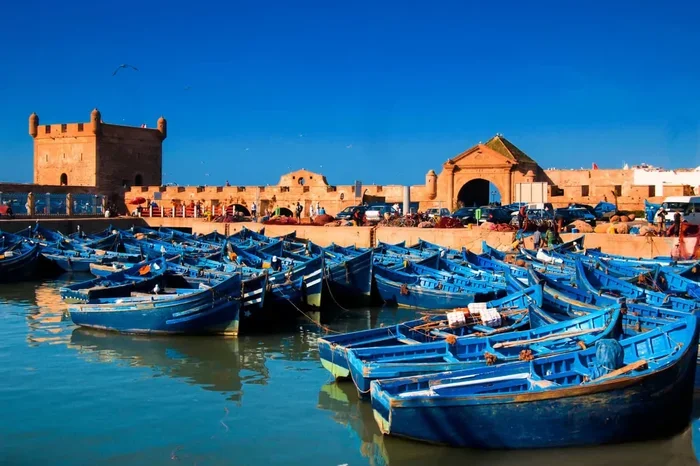
Featured image for Marrakech Essaouira Morocco coast
Image source: moroccoinspiringtours.com
A Tour 7 Dias Desde Marrakech a Essaouira is the perfect way to experience Morocco’s diverse landscapes, from bustling souks to Atlantic coastlines. This 7-day journey takes you through imperial cities, ancient kasbahs, dramatic gorges, and ends in the charming seaside town of Essaouira. Designed for travelers seeking culture, adventure, and authentic Moroccan experiences, this itinerary balances guided exploration with free time. It is one of the most rewarding multi-day tours departing from Marrakech.
Imagine starting your morning in the chaos of Marrakech’s medina, where donkey carts weave between motorbikes and the air smells of fresh mint and grilled meat. Now picture yourself, just one week later, walking barefoot along a breezy Atlantic beach in Essaouira, watching kite surfers jump over Atlantic waves as seagulls cry overhead. That is exactly the kind of transformation a well-planned seven-day Moroccan tour offers.
Morocco is a country of incredible contrasts. In the space of a few hours, you can travel from snow-dusted mountain peaks to sun-baked desert dunes to cool ocean coastlines. A tour 7 dias desde Marrakech a Essaouira is designed to showcase all these contrasts in a single, manageable journey. It is the most popular multi-day route in Morocco for good reason: it packs the country’s greatest hits into one unforgettable week.
Did You Know? Morocco has nine UNESCO World Heritage Sites, and most of them are accessible on this exact 7-day route, including the medinas of Fez and Essaouira, plus the fortified kasbah of Ait Benhaddou. That is more UNESCO sites than many entire countries have, all packed into one weeklong adventure.
Key Takeaways
- Complete Moroccan Experience: A 7-day tour covers imperial cities, Atlas Mountains, Sahara Desert, and Atlantic coast in one journey.
- Cultural Immersion: Travelers visit UNESCO sites, traditional Berber villages, and historic medinas throughout the route.
- Diverse Landscapes: The itinerary shifts from snow-capped mountains to golden dunes to ocean beaches.
- Flexible Options: Tours range from budget shared group departures to luxury private experiences.
- Best Travel Season: Spring and autumn offer ideal weather conditions for the entire route.
- Authentic Experiences: Camel trekking, overnight desert camps, and local homestays are common highlights.
- Practical Duration: Seven days provides enough time to explore deeply without feeling rushed.
📑 Table of Contents
- What Is a Tour 7 Dias Desde Marrakech a Essaouira?
- Why Choose a 7-Day Tour Instead of Shorter Trips?
- When Is the Best Time to Take This Tour?
- Where Does the Tour Go? A Day-by-Day Breakdown
- How Much Does the Tour Cost?
- What to Pack for Your 7-Day Marrakech to Essaouira Adventure
- What Makes This Tour Special: The Authentic Experiences
- Choosing the Right Tour Operator
- Conclusion: Is a 7-Day Tour From Marrakech to Essaouira Worth It?
What Is a Tour 7 Dias Desde Marrakech a Essaouira?
A tour 7 dias desde Marrakech a Essaouira is a guided multi-day journey through southern and central Morocco, starting in Marrakech and ending in the coastal town of Essaouira. The literal translation from Spanish is “7-day tour from Marrakech to Essaouira,” though the phrase is widely used by English, French, and Spanish-speaking travelers booking Moroccan excursions.
Who Is This Tour For?
This tour is ideal for travelers who want to see a lot of Morocco without the stress of planning every detail themselves. It suits:
- First-time visitors who want a structured introduction to Morocco
- Couples and honeymooners seeking romantic desert experiences
- Small groups of friends who enjoy shared adventures
- Solo travelers who prefer the safety of guided tours
- Families with older children who can handle long driving days
It is generally not recommended for travelers with severe mobility issues, as the tour involves some walking on uneven surfaces, camel rides, and long vehicle journeys.
What Does the Itinerary Cover?
The classic 7-day route covers approximately 1,200 to 1,500 kilometers of scenic Moroccan roads. You will pass through five distinct geographic regions:
- The High Atlas Mountains via the spectacular Tizi n’Tichka pass
- The UNESCO kasbah country of Ouarzazate and Ait Benhaddou
- The Sahara Desert at Merzouga or Zagora
- The Draa Valley with its palm groves and ancient villages
- The Atlantic coast ending in Essaouira
Why Choose a 7-Day Tour Instead of Shorter Trips?
You might wonder: why not just do a 3-day desert tour? The answer lies in depth versus breadth. A shorter tour forces you to skip entire regions. A 7-day tour gives you breathing room to actually experience places rather than just photograph them from a bus window.
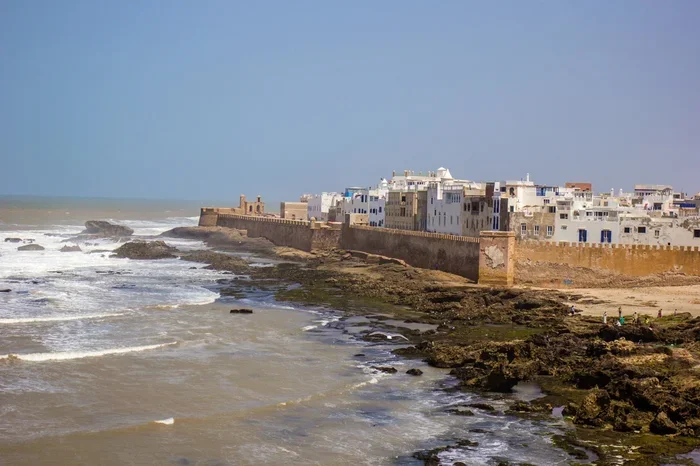
Visual guide about Marrakech Essaouira Morocco coast
Image source: ourtravelsoup.com
Think of it like reading a book versus reading the summary on the back cover. Both give you information, but one gives you the full story. A week-long tour lets you sit in a desert camp, listen to Berber drumming, and watch stars appear one by one over the Sahara. You cannot get that from a 48-hour sprint.
Did You Know?
The Sahara Desert covers approximately 3.6 million square miles across multiple countries. The section you will visit in Morocco, known as the Erg Chebbi dunes, contains some of the world’s tallest stationary sand dunes, reaching heights of up to 150 meters (nearly 500 feet). That is taller than the Great Pyramid of Giza.
The Time Factor
Seven days strikes a sweet spot. It is long enough to include the Sahara, the coast, and multiple imperial cities. It is short enough to fit within a standard two-week vacation. Most travelers report that seven days feels “just right” by the end of the journey. Longer tours can feel repetitive, while shorter tours leave major regrets.
When Is the Best Time to Take This Tour?
Timing matters enormously for a tour that crosses multiple climate zones. The same week can be snowy in the mountains and pleasantly warm in the desert, so choosing your travel season carefully will dramatically improve your experience.
Spring (March to May)
Spring is widely considered the best time for a Marrakech to Essaouira 7-day tour. Temperatures are mild across all regions, ranging from 15°C to 28°C (59°F to 82°F). Wildflowers bloom in the Atlas Mountains, making the scenic drives particularly beautiful. The desert is comfortable, not too hot during the day and pleasantly cool at night.
Autumn (September to November)
Autumn is the second-best option, with similar advantages to spring. The summer heat has broken, and tourist crowds thin out after the European summer holidays. October in particular offers excellent conditions for photography, with clear skies and golden light across the desert.
What About Summer and Winter?
Summer (June to August) can be brutally hot in the desert, with daytime temperatures exceeding 45°C (113°F). Winter (December to February) brings snow to the mountain passes, which can occasionally close roads. Both seasons are possible but require more flexibility and proper packing.
Did You Know?
Morocco’s Tizi n’Tichka pass reaches an elevation of 2,260 meters (7,415 feet). In winter, it regularly receives snowfall, and chains are sometimes required for vehicles. This is why most tour operators avoid the route in peak winter months or carry emergency equipment.
Where Does the Tour Go? A Day-by-Day Breakdown
While exact itineraries vary between operators, the standard 7-day route follows a well-established pattern. Here is what you can typically expect.
Day 1: Marrakech to Ait Benhaddou via the Atlas Mountains
Your journey begins early in Marrakech, crossing the High Atlas Mountains through the Tizi n’Tichka pass. Along the way, you will stop at Berber villages and panoramic viewpoints. The day’s destination is the famous Ait Benhaddou, a UNESCO World Heritage Site featured in films like Gladiator and Game of Thrones.
Day 2: Ait Benhaddou to the Sahara Desert
Today you travel through the “Valley of a Thousand Kasbahs” toward the desert. You will pass through Ouarzazate, often called the “Hollywood of Africa,” then continue toward Merzouga or Zagora. The highlight is your camel trek into the dunes and your overnight stay in a traditional Berber desert camp.
Day 3: Sahara Desert Exploration
Day three is dedicated to the desert experience. You will watch the sunrise over the dunes, enjoy a full day of activities like sandboarding or visiting nomadic families, and return to your camp for a second night under the stars. Some itineraries include this as a travel day to the Draa Valley instead.
Day 4: Desert to Draa Valley and Anti-Atlas
The journey continues through the stunning Draa Valley, Morocco’s longest river valley, lined with date palm groves and ancient kasbahs. You will cross the Anti-Atlas Mountains, with scenery dramatically different from the High Atlas.
Day 5: Draa Valley to Taroudant or Agadir
Depending on your operator, day five may take you through the Berber market town of Taroudant, often called “Little Marrakech” for its similar red-clay architecture. Alternatively, you may reach the Atlantic coast at Agadir.
Day 6: Agadir to Essaouira via the Coast
Today you travel north along the Atlantic coast, stopping at beaches, surfer villages, and possibly the Souss Massa National Park. By evening, you arrive in Essaouira, a fortified coastal town with a distinctly Portuguese-influenced medina.
Day 7: Explore Essaouira and Return to Marrakech
Your final day allows you to explore Essaouira at your own pace. Visit the bustling fishing port, walk the 18th-century ramparts, and enjoy fresh seafood at the port-side restaurants. Most tours then return you to Marrakech, though some end in Essaouira or offer transfers to other cities.
How Much Does the Tour Cost?
Pricing varies significantly based on accommodation level, group size, and inclusions. Here is a general guide.
Budget Shared Tours
Budget tours typically cost between €250 and €450 per person. These include shared transportation in a minivan, basic hotel accommodations, camel trek, and desert camp stay with shared tents. Meals are often not included.
Mid-Range Private Tours
Mid-range private tours range from €600 to €1,000 per person. You get a private 4×4 vehicle with driver, upgraded riad accommodations, and often include most meals. This is the most popular option for couples and small families.
Luxury Tours
Luxury options start around €1,200 per person and can exceed €3,000 for premium experiences. These include luxury desert camps with private bathrooms, gourmet meals, and five-star riads throughout the journey.
What’s Typically Included
Most tours include:
- Transportation in air-conditioned vehicle or 4×4
- English or multilingual speaking driver/guide
- Accommodation for 6 nights
- Camel trek to desert camp
- Daily breakfast and selected dinners
What’s Usually Not Included
Budget for these extras:
- Lunches (typically €8 to €15 per meal)
- Drinks and personal shopping
- Entry fees to monuments (usually €1 to €10 each)
- Tips for drivers and guides (customary at €3 to €5 per day)
- Travel insurance
What to Pack for Your 7-Day Marrakech to Essaouira Adventure
Packing smart is essential because you will experience four distinct climate zones in one week. The key is layering.
Clothing Recommendations
- Light layers: Days can be warm, but desert nights drop to 10°C or below
- Modest clothing for villages: Shoulders and knees covered shows respect in conservative areas
- Comfortable walking shoes: You will walk on cobblestones, sand, and rocky paths
- Scarf or shemagh: Protects from sun and sand during camel rides
- Light jacket: Essential for mountain passes and desert nights
Did You Know?
Despite being in Africa, snow falls regularly in the Atlas Mountains during winter months. Ifrane, a town in the Middle Atlas, is nicknamed “Little Switzerland of Morocco” and sometimes sees temperatures drop below -10°C (14°F). This is why layering is essential even on “warm” Moroccan holidays.
Other Essentials
- Sunscreen with high SPF
- Reusable water bottle
- Power adapter (Morocco uses Type C and E plugs)
- Small flashlight for desert camp
- Basic first-aid kit and any personal medications
- Camera with extra batteries and memory cards
What Makes This Tour Special: The Authentic Experiences
Beyond the scenery, what truly sets this tour apart are the cultural encounters along the way. These are the moments travelers remember years later.
Meeting Berber Communities
The Berber people, also known as Amazigh, are Morocco’s original inhabitants. Throughout the tour, you will visit Berber villages where families still live much as they have for centuries. Sharing mint tea with a local family in a mud-brick home is a quintessential Moroccan experience.
Spending a Night in the Sahara
No other experience compares to sleeping under the Sahara sky. Far from city lights, the stars are so dense they almost look like artificial projections. Berber drums and songs around a campfire complete the experience. It is humbling, peaceful, and unforgettable.
Exploring Essaouira’s Arts Scene
Essaouira has long attracted artists, musicians, and free spirits. Jimi Hendrix visited in the 1960s, and the town still has a vibrant bohemian atmosphere. You will find excellent local art galleries, live Gnawa music performances, and craftsmen working in the medina using techniques passed down for generations.
Did You Know?
Essaouira’s name comes from the Arabic word “souira,” meaning “well-designed” or “beautiful.” The town was designed by a French architect in the 18th century and served as a major trading port linking Africa and Europe. Today it is a UNESCO World Heritage Site, recognized for its well-preserved medina and fortifications.
Choosing the Right Tour Operator
Not all tour operators offer the same experience. Here is how to choose wisely.
Look for Licensed Companies
Always book with officially licensed Moroccan tour operators. Look for companies registered with the Moroccan Ministry of Tourism. Licensed guides carry official identification and are accountable for their services.
Read Recent Reviews
Check reviews on TripAdvisor, Google, and independent travel blogs from the past 12 months. Older reviews may not reflect current operations. Pay special attention to comments about vehicle condition, guide knowledge, and accommodation quality.
Ask the Right Questions
Before booking, ask:
- What type of vehicle will be used?
- Will the driver speak English fluently?
- Are accommodations confirmed or subject to change?
- What is the maximum group size?
- What happens if weather disrupts the itinerary?
Avoid Common Pitfalls
Be cautious of operators offering prices significantly below market rate. These often mean shared transport with 15+ passengers, rushed itineraries, and pressure to buy souvenirs from driver-connected shops. If a deal seems too good to be true, it usually is.
Conclusion: Is a 7-Day Tour From Marrakech to Essaouira Worth It?
After exploring every aspect of this journey, the answer is an emphatic yes. A tour 7 dias desde Marrakech a Essaouira offers an unmatched introduction to Morocco’s diversity. In a single week, you will walk through ancient medinas, climb desert dunes, cross mountain passes, and watch Atlantic waves crash against historic ramparts.
More importantly, you will connect with Moroccan culture in ways impossible to achieve on a shorter visit. The hospitality of Berber families, the rhythm of desert drum circles, and the salt air of Essaouira’s harbor stay with you long after you return home.
If you are planning your first trip to Morocco, this route should be at the top of your list. Choose a reputable operator, pack for varied weather, and bring an open mind. Morocco rewards travelers who arrive curious and leave changed. The journey from Marrakech to Essaouira is not just a tour; it is a transformation.
Frequently Asked Questions
How long does a 7-day tour from Marrakech to Essaouira actually take?
The full tour takes seven days and six nights, including travel time between destinations. Most days involve 3 to 5 hours of driving, with longer stretches on the first and last days. You will spend two of those nights in the desert area, allowing time to experience camel trekking and overnight camping under the stars.
Is the tour suitable for children or elderly travelers?
The tour is suitable for most ages but involves long driving days and some physical activity like camel rides and walking on uneven surfaces. Families with children over 8 typically do well. Elderly travelers in good health enjoy it too, though those with back issues may find the bumpy mountain roads uncomfortable.
Do I need a visa for Morocco?
Most Western nationalities, including EU citizens, UK, US, Canada, and Australia, do not need a visa for tourist stays under 90 days. You will need a valid passport with at least six months’ validity beyond your travel dates. Always check current requirements with your nearest Moroccan consulate before booking.
What is the accommodation like during the tour?
Accommodation varies by tour package. Budget tours use simple hotels and shared desert tents. Mid-range tours stay in authentic riads (traditional Moroccan guesthouses) and upgraded desert camps with private tents. Luxury options include five-star riads and premium desert camps with en-suite bathrooms and proper beds.
Can I customize the tour itinerary?
Yes, private tours can usually be customized to your preferences. You can add stops at specific locations, upgrade accommodations, or adjust the pace. Group tours follow fixed itineraries with little flexibility. If customization matters to you, book a private tour from the start.
What should I wear and what cultural etiquette should I follow?
Dress modestly, especially in rural and religious areas. Cover shoulders and knees, and avoid very revealing clothing. When visiting mosques or religious sites, remove your shoes if requested. Ask permission before photographing people. Learn a few Arabic or French greetings like “Salam Alaikum” and “Shukran.” These small gestures are greatly appreciated and enhance your experience.