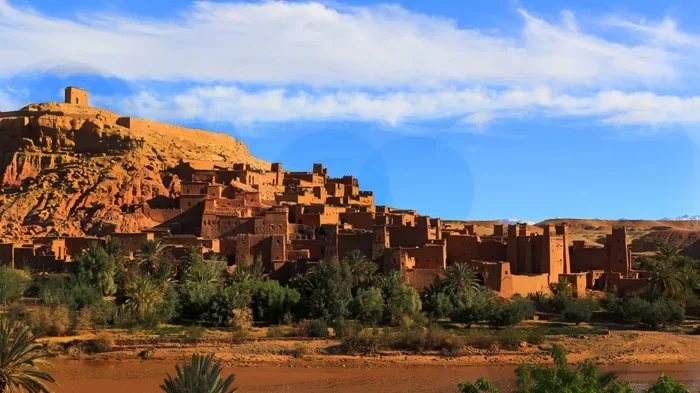
Featured image for Marrakech Ait Ben Haddou desert tour
Image source: artdeserttours.com
A 12-day tour from Marrakech to Ait Ben Haddou is the ultimate way to experience Morocco’s diverse landscapes and rich culture. This extended journey takes you from vibrant Marrakech through the Atlas Mountains, Sahara Desert, and historic kasbahs. You’ll discover UNESCO sites, Berber villages, and stunning natural wonders that define this magical North African kingdom.
Picture this: you’re standing at the edge of the Sahara Desert as the sun sets, painting the sand in shades of orange and gold. Behind you lies a trail that started in the bustling medinas of Marrakech. Ahead, ancient kasbahs, snow-capped mountains, and Atlantic coastlines await. This is what a 12-day tour from Marrakech to Ait Ben Haddou promises.
Morocco captivates travelers like few places on Earth can. The country blends African, Arab, Berber, and European influences into something entirely unique. A 12-day journey gives you enough time to truly absorb these contrasts rather than rushing through them. You’ll taste tagines in family-run restaurants, sleep under stars in the desert, and wander through alleys that have seen centuries of traders, scholars, and adventurers.
This guide walks you through everything you need to know about planning and enjoying a 12-day tour from Marrakech to Ait Ben Haddou. We’ll cover the route, highlights, practical tips, and what makes this particular journey so special. Whether you’re a first-time visitor or returning to Morocco, this extended adventure delivers memories that last a lifetime.
Key Takeaways
- Comprehensive Route: A 12-day itinerary covers Marrakech, Ait Ben Haddou, Sahara Desert, Fes, Chefchaouen, and coastal Essaouira.
- Diverse Experiences: The tour combines cultural immersion, adventure activities, historical exploration, and natural beauty.
- UNESCO World Heritage: Multiple stops include UNESCO-listed sites like Ait Ben Haddou and the Medina of Fes.
- Desert Adventure: Camel trekking and overnight stays in Saharan camps are highlights of the journey.
- Best Travel Season: October through April offers the most comfortable weather for touring Morocco.
- Group vs. Private: Both options exist, with private tours offering more flexibility and personalized experiences.
- Cultural Sensitivity: Respecting local traditions, dress codes, and customs enhances the travel experience significantly.
📑 Table of Contents
Why Choose a 12-Day Tour from Marrakech?
Morocco packs an astonishing amount of diversity into a relatively compact country. You can drive from snowy mountains to scorching desert in a single day. You can experience ancient medinas and modern beach towns within the same week. A 12-day tour from Marrakech to Ait Ben Haddou captures this variety better than shorter itineraries.
The Sweet Spot for Exploration
Seven-day tours feel rushed. Fourteen-day tours risk repetition. Twelve days hit the perfect balance. You have time to linger in places that matter without feeling like you’re wasting hours on a bus. Travel companies have refined this duration through decades of customer feedback.
Did You Know? Morocco has nine UNESCO World Heritage Sites, and a well-planned 12-day tour can visit at least four of them. This includes the famous Ait Ben Haddou, the Medina of Fes, the Medina of Marrakesh, and the Ksar of Ait-Ben-Haddou.
What You Gain with Extra Days
Extra days translate to deeper experiences. Instead of just seeing Ait Ben Haddou, you can explore nearby kasbahs and film studios. Beyond driving through the Atlas Mountains, you can stop at traditional Berber villages and visit local cooperatives. The Sahara becomes more than a photo stop when you spend two nights in the desert rather than one rushed evening.
The Complete 12-Day Itinerary Breakdown
Let’s walk through what a well-designed 12-day tour from Marrakech to Ait Ben Haddou actually looks like. While exact routes vary by operator, the following structure represents the most popular and rewarding path.
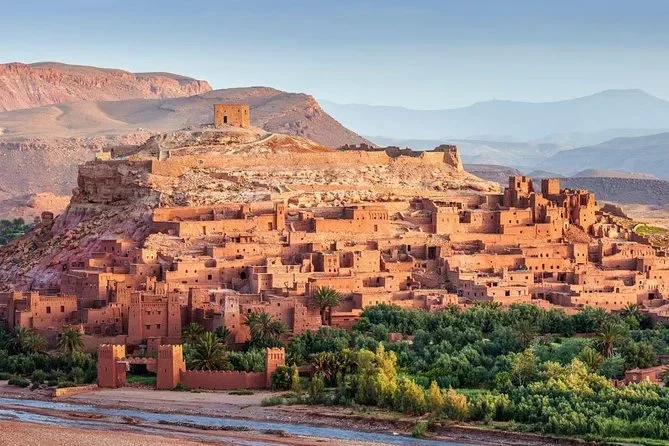
Visual guide about Marrakech Ait Ben Haddou desert tour
Image source: media.tacdn.com
Days 1-2: Exploring Marrakech
Your adventure begins in Marrakech, the “Red City” named for its distinctive rust-colored buildings. Spend your first day getting oriented with the medina’s maze-like streets. Major attractions include:
- Jemaa el-Fnaa Square: The famous marketplace that comes alive at night with storytellers, musicians, and food vendors
- Koutoubia Mosque: Marrakech’s most iconic landmark with its 12th-century minaret
- Bahia Palace: A stunning example of Moroccan architecture with intricate tilework
- Majorelle Garden: A peaceful botanical garden that once belonged to Yves Saint Laurent
Day two offers a cooking class, a visit to a traditional hammam, or time exploring the souks where craftsmen still hammer metal, weave carpets, and shape leather by hand.
Days 3-4: Ait Ben Haddou and Ouarzazate
The journey to Ait Ben Haddou takes you through the High Atlas Mountains via the spectacular Tizi n’Tichka Pass. The road climbs to over 2,200 meters, offering breathtaking views at every turn.
Ait Ben Haddou itself is a fortified village (ksar) that has stood for centuries. Its earthen clay architecture has served as a backdrop for movies like Gladiator, Lawrence of Arabia, and Game of Thrones. Walking through this UNESCO World Heritage Site feels like stepping into another era.
Did You Know? Ait Ben Haddou has appeared in over 20 Hollywood films, making it one of the most-filmed locations in the world. The nearby Atlas Studios in Ouarzazate is the largest film studio in Africa.
Nearby Ouarzazate, known as the “Gateway to the Sahara,” offers additional attractions including film studios and the Taourirt Kasbah.
Days 5-6: Sahara Desert Adventure
The desert leg typically includes stops at the Todra Gorge or Dades Valley before reaching Merzouga or Zagora. The Todra Gorge features towering 400-meter cliffs that hikers and climbers love. Dades Valley showcases bizarre rock formations sometimes called “monkey fingers.”
Once at the desert edge, you’ll switch to camels for the trek into the Erg Chebbi or Erg Chigaga dunes. Watching sunset from atop a camel is genuinely unforgettable. The overnight stay in a Berber desert camp includes:
- Traditional tagine dinner under the stars
- Berber music performances around a campfire
- Stargazing in one of the world’s clearest night skies
- Sunrise views that rival any photograph you’ve ever seen
Days 7-8: Journey to Fes
Leaving the desert, you travel north through the Middle Atlas region. Stop in Ifrane, often called “Morocco’s Switzerland” for its clean streets and alpine architecture. The cedar forests near Azrou offer chances to see Barbary macaques, North Africa’s only native primate.
Fes rewards visitors with its incredibly preserved medieval medina. The University of Al-Qarawiyyin, founded in 859 AD, holds the title of the world’s oldest continuously operating university. Navigating the medina’s 9,000+ alleys is an adventure in itself. Key sites include:
- Bou Inania Medersa: A 14th-century theological college with stunning architecture
- Chouara Tanneries: The famous leather-dyeing pits visible from surrounding terraces
- Nejjarine Museum: A beautifully restored fountain and woodworking museum
Days 9-10: Chefchaouen and the Rif Mountains
From Fes, the route continues north to Chefchaouen, the famous “Blue City.” Nestled in the Rif Mountains, this town charms visitors with its blue-washed buildings, relaxed atmosphere, and stunning mountain backdrop. Chefchaouen has become one of Morocco’s most photographed locations.
Did You Know? There’s debate about why Chefchaouen is blue. Some theories suggest it was introduced by Jewish refugees in the 1930s, while others trace the tradition to the 15th century. The blue is said to repel mosquitoes and symbolize the sky and heaven.
The town offers excellent hiking opportunities, Spanish-influenced cuisine, and some of Morocco’s best artisanal crafts.
Days 11-12: Essaouira and Return
The final stretch takes you west to the Atlantic coast. Essaouira is a port city with a completely different vibe from inland destinations. Strong trade winds make it a world-famous kitesurfing destination. The Portuguese-influenced medina, ramparts, and fishing harbor create a distinct coastal atmosphere.
From Essaouira, you return to Marrakech, completing the circular route. Day 12 typically includes final shopping, relaxation, and departure arrangements.
What to Pack for Your 12-Day Morocco Tour
Morocco’s climate varies dramatically depending on region and season. Smart packing makes the difference between a comfortable trip and a miserable one.
Clothing Essentials
Pack layers regardless of season. Mountain passes can be 15 degrees cooler than the valleys below. Desert nights get surprisingly cold even when days are hot. Essential items include:
- Light long-sleeved shirts (sun protection and cultural respect)
- A warm jacket for desert nights and mountain passes
- Comfortable walking shoes with good soles
- Modest clothing for religious sites (covered shoulders and knees)
- A scarf or shawl (useful for sun, sand, and cold)
Other Important Items
Beyond clothing, certain items prove invaluable on a 12-day tour from Marrakech to Ait Ben Haddou:
- Sunscreen and sunglasses (the sun is intense year-round)
- Reusable water bottle (staying hydrated is crucial)
- Power adapter (Morocco uses Type C and E plugs)
- Basic first-aid kit including motion sickness medication
- Headlamp or flashlight (especially for desert camps)
- Camera with extra batteries and memory cards
Understanding Costs and Tour Options
A 12-day tour from Marrakech to Ait Ben Haddou represents a significant investment, but prices vary widely based on several factors.
Group Tours
Group tours typically cost between $1,200 and $2,500 per person. These usually include accommodation, transportation, guide services, and most meals. Group sizes range from 8 to 20 people. Budget operators may cut corners on accommodation quality, while premium operators include nicer riads and hotels.
Private Tours
Private tours cost more per person but offer unmatched flexibility. You set your own pace, customize stops, and enjoy personal attention from your driver-guide. Prices for private tours start around $3,000 for two people and decrease per person as groups grow larger.
What’s Typically Included
Standard inclusions cover most major expenses:
- Transportation in air-conditioned vehicles
- Accommodation (riads, hotels, desert camp)
- Daily breakfast and select dinners
- English-speaking driver/guide
- Camel trek to desert camp
- Entry fees to major attractions
Budget separately for lunches, drinks, shopping, tips, and optional activities.
Cultural Etiquette and Travel Tips
Morocco is a moderate Islamic country, and understanding local customs enhances your experience dramatically.
Dress and Behavior
Dress modestly, particularly in rural areas and religious sites. Women should cover shoulders and knees. Men should avoid sleeveless tops in conservative areas. During Ramadan, eating in public during daylight hours is considered disrespectful.
Photography and Interactions
Always ask permission before photographing people, especially Berber women and elderly individuals. Many people will ask for money in exchange for photos. Children in tourist areas often pose for photos and then demand payment, so be cautious.
Bargaining in the Souks
Haggling is expected in Moroccan markets. Start at roughly 50% of the asking price and negotiate from there. Keep the interaction friendly and humorous. Walking away is a legitimate negotiating tactic. Once you agree on a price, the deal is binding.
Did You Know? Morocco uses both Arabic and Berber languages, with French widely spoken in business and tourism. English is increasingly common in tourist areas, but knowing a few Arabic phrases like “Salam Alaikum” (peace be upon you) and “Shukran” (thank you) goes a long way.
Best Time to Take This Tour
Timing significantly impacts your experience on a 12-day tour from Marrakech to Ait Ben Haddou.
Peak Season (October-April)
The cooler months draw the most visitors. Temperatures are comfortable for sightseeing, and desert nights are cool but not freezing. This period coincides with European holidays, so expect more crowds and higher prices. Christmas and New Year are especially busy.
Shoulder Season (March-May, September-November)
These periods offer the best balance of good weather, fewer crowds, and reasonable prices. Wildflowers bloom in spring, and autumn brings pleasant temperatures throughout the country. Most experienced travelers prefer these windows.
Summer Considerations
June through August brings extreme heat, particularly in the desert, where temperatures exceed 45°C (113°F). Mountain regions remain comfortable, but desert experiences become more challenging. Some operators adjust itineraries during peak summer to avoid the worst heat.
Health and Safety on the Road
Morocco is generally safe for tourists, with violent crime against visitors being rare. Petty theft in crowded medinas does occur, so take standard precautions.
Health Preparations
No vaccinations are required for Morocco, but several are recommended:
- Hepatitis A and B
- Typhoid
- Tetanus-diphtheria
- Rabies (if you’ll be around animals)
Drink only bottled or filtered water. Avoid raw vegetables and unpeeled fruits in basic establishments. Stomach issues are common for first-time visitors, so pack appropriate medication.
Travel Insurance
Comprehensive travel insurance is strongly recommended. Coverage should include medical evacuation, trip cancellation, and adventure activities if you’re planning camel trekking or hiking.
Conclusion: Is a 12-Day Tour Right for You?
A 12-day tour from Marrakech to Ait Ben Haddou offers the most comprehensive way to experience Morocco’s incredible diversity. You’ll move from imperial cities to ancient kasbahs, from mountain passes to endless dunes, from Mediterranean-influenced Chefchaouen to Atlantic Essaouira. This journey captures a country that defies easy categorization.
Unlike shorter tours that feel like a highlights reel, 12 days lets you breathe. You’ll form relationships with your driver-guide, learn to navigate medina alleys, and develop a feel for how Morocco actually works. By the end, you’ll understand why this country has fascinated travelers for centuries.
Whether you’re drawn by Ait Ben Haddou’s cinematic history, the Sahara’s timeless beauty, or the blue streets of Chefchaouen, this extended tour delivers experiences that shorter trips simply cannot match. Start planning your 12-day Moroccan adventure today, and prepare yourself for one of the world’s most rewarding travel experiences.
Frequently Asked Questions
What is the best time of year for a 12-day tour from Marrakech to Ait Ben Haddou?
The best time is between October and April, when temperatures are comfortable across all regions. Spring (March-May) and fall (September-November) offer the ideal balance of pleasant weather, fewer crowds, and moderate prices. Avoid June through August if possible, as desert temperatures become extremely hot.
How much does a 12-day tour from Marrakech to Ait Ben Haddou cost?
Group tours typically range from $1,200 to $2,500 per person, while private tours start around $3,000 for two people. Prices usually include accommodation, transportation, guide services, breakfast, selected dinners, and major entrance fees. Budget additional funds for lunches, drinks, souvenirs, and tips.
Is Ait Ben Haddou worth visiting on a 12-day tour?
Absolutely. Ait Ben Haddou is one of Morocco’s most iconic UNESCO World Heritage Sites and has served as a filming location for numerous Hollywood productions including Gladiator and Game of Thrones. Its preserved earthen architecture offers a genuine glimpse into traditional Moroccan life and represents one of the country’s most photogenic destinations.
What should I pack for a 12-day Morocco tour?
Pack layers including light long-sleeved shirts, a warm jacket for cool desert nights, comfortable walking shoes, modest clothing for religious sites, and a versatile scarf. Also bring sunscreen, sunglasses, a reusable water bottle, a power adapter, basic medications, and a flashlight. Modest dress is important, especially for women visiting rural areas.
Are 12-day tours from Marrakech to Ait Ben Haddou family-friendly?
Yes, these tours work well for families with children typically aged 6 and above. The camel trek and desert camping are usually highlights for kids, while historical sites engage older children. However, the long driving distances can be challenging for very young children. Many operators offer family-friendly accommodations and adjusted pacing.
Do I need a visa for Morocco on a 12-day tour?
Most Western nationalities, including US, UK, EU, Canadian, and Australian passport holders, do not need a visa for stays under 90 days. You’ll receive a stamp upon arrival at the airport. Always check current requirements with your specific nationality before traveling, as rules can change.