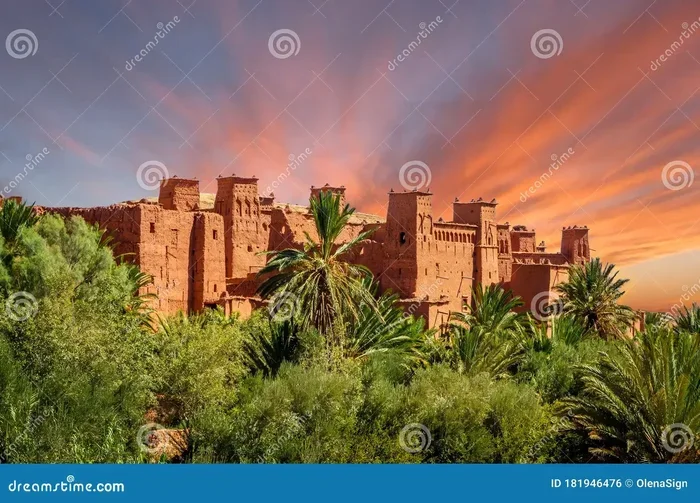
Featured image for Ait Ben Haddou desert Morocco
Image source: thumbs.dreamstime.com
The best 3 day tour from Marrakech to Ait Ben Haddou is a perfectly balanced adventure that combines Morocco’s most iconic experiences into one unforgettable journey. You’ll travel through the stunning High Atlas Mountains, explore the UNESCO-listed Ait Ben Haddou kasbah, ride camels into the Sahara Desert, and discover traditional Berber villages along the way. This route is widely considered the most rewarding short trip from Marrakech, offering maximum cultural immersion and scenic variety in just three days.
Imagine standing at the edge of a vast Sahara dune, watching the sun melt into golden sand while your camel chews contentedly beside you. Three days earlier, you were sipping mint tea in the chaos of Marrakech’s medina. This isn’t a dream; it’s exactly what the best 3 day tour from Marrakech to Ait Ben Haddou delivers, and it’s more accessible than you might think.
Morocco’s southern route has become one of Africa’s most beloved travel experiences, and for good reason. It packs an incredible variety of landscapes, cultures, and adventures into a short timeframe. Think of it as a greatest hits album of Moroccan travel. You get the snow-capped Atlas Mountains, ancient kasbahs, sweeping desert plains, and starlit Sahara nights, all without sacrificing comfort or breaking the bank.
This guide will walk you through everything you need to know to plan the perfect three-day adventure. We’ll cover what to expect each day, how to choose the right tour operator, what to pack, and insider tips that will make your journey smoother. Whether you’re a first-time visitor to Morocco or a seasoned traveler looking for the ultimate desert experience, you’ll find practical advice to help you make the most of every moment.
Key Takeaways
- Optimal Duration: Three days is the sweet spot for reaching Ait Ben Haddou and the Sahara without feeling rushed, with manageable daily driving distances of 4-6 hours.
- UNESCO Heritage: Ait Ben Haddou is a UNESCO World Heritage Site dating back to the 17th century, featured in films like Gladiator and Game of Thrones.
- Tour Inclusions: Most quality tours include transportation, accommodation, breakfast, dinner, and a camel trek, but exclude lunch and drinks.
- Best Travel Seasons: Spring (March-May) and autumn (September-November) offer the most comfortable temperatures for desert camping.
- Group vs. Private: Private tours cost more but offer flexibility, while group tours provide social interaction and better value.
- Total Distance: The round-trip journey covers approximately 800-900 kilometers through diverse landscapes from mountains to desert.
- Booking Tip: Reserve at least 2-4 weeks in advance during peak season (October-April) to secure the best desert camps.
📑 Table of Contents
Why Choose a 3 Day Tour from Marrakech to Ait Ben Haddou?
When planning a Moroccan adventure, you’ll find tours ranging from quick 2-day dashes to leisurely 7-day expeditions. So why does the 3 day format come so highly recommended by travelers and tour operators alike? The answer lies in the perfect balance it strikes between depth of experience and practical time constraints.
The Sweet Spot of Duration
Think of it like this: a 2-day tour feels like you’re constantly rushing, with long driving days that leave little time for genuine exploration. A 4 or 5-day tour, while wonderful, requires more vacation days than many travelers can spare. Three days gives you enough breathing room to actually absorb what you’re seeing. You’ll have time to wander through Ait Ben Haddou’s narrow alleys, sip tea with a Berber family, and watch that unforgettable Sahara sunset without checking your watch every five minutes.
Did you know that the average traveler rates 3-day Marrakech-to-desert tours 4.8 out of 5 stars on platforms like TripAdvisor, making them among the highest-rated multi-day experiences in North Africa? This consistent satisfaction stems from well-paced itineraries that major operators have refined over decades.
Maximum Variety, Minimum Stress
In just three days, you’ll transition through multiple climate zones and cultural landscapes. You’ll start in the bustling imperial city of Marrakech, climb through alpine-style mountain passes, descend into arid valleys, and finally reach the edge of the world’s most famous desert. This geographical diversity would require weeks to experience independently, but the well-established tour route packages it efficiently.
The route essentially follows one of Morocco’s most historically significant trading paths, the same caravan route that connected the Sahara to the Atlas Mountains for centuries. You’re literally walking (or driving) in the footsteps of ancient Berber traders.
What to Expect on Your 3 Day Itinerary
Understanding the daily structure helps you prepare mentally and physically for the journey ahead. While exact itineraries vary between operators, the following breakdown represents the classic route that has become the gold standard for Marrakech desert tours.
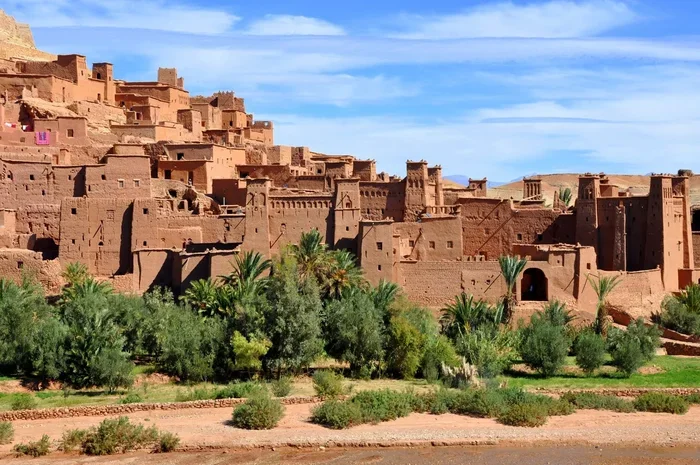
Visual guide about Ait Ben Haddou desert Morocco
Image source: 3.bp.blogspot.com
Day 1: Marrakech to Ait Ben Haddou via the Atlas Mountains
Your adventure begins with an early morning pickup from your Marrakech hotel or riad, typically around 7:00 or 7:30 AM. After meeting your driver and any fellow travelers, you’ll head southeast toward the Atlas Mountains. The first major stop is the Tizi n’Tichka pass, which sits at approximately 2,260 meters (7,400 feet) above sea level.
The drive itself is an experience, not just transit. Winding mountain roads reveal Berber villages perched impossibly on hillsides, terraced fields, and dramatic valleys. Your driver will likely stop at a women’s argan oil cooperative where you can see traditional production methods and purchase authentic products directly from the makers.
By early afternoon, you’ll arrive at Ait Ben Haddou, the crown jewel of Day 1. This ancient fortified village (ksar) has stood since at least the 17th century and served as a vital stop on the trans-Saharan trade route. You’ll have 1-2 hours to explore its narrow passages, climb to the top for panoramic views, and visit artisan workshops inside.
Did You Know? Ait Ben Haddou has appeared in over 20 Hollywood productions, including Gladiator (2000), Lawrence of Arabia (1962), and The Mummy (1999). More recently, it served as a filming location for Game of Thrones, representing the city of Yunkai.
Following Ait Ben Haddou, many tours continue to Ouarzazate, known as the “Hollywood of Africa” due to its famous film studios. You’ll spend the night in either Ouarzazate or the nearby Dades Valley, with dinner and breakfast included at your accommodation.
Day 2: Dades Valley to Merzouga and the Sahara Desert
Day 2 is often described as the most spectacular driving day. You’ll travel through a landscape that feels almost otherworldly, sometimes called the “Valley of a Thousand Kasbahs.” The route passes through palm groves, rose valleys (if traveling in spring), and dramatic rock formations carved by centuries of wind and water.
Key stops typically include:
- Todra Gorge: A stunning canyon with 400-meter-high walls where you can take a short walk through the narrowest section
- Erfoud: Known as the “Gateway to the Sahara” and famous for its fossil workshops
- Khamlia Village: Home to Gnibadi musicians of sub-Saharan origin, offering optional traditional performances
By late afternoon, you’ll arrive at the edge of the Erg Chebbi dunes near Merzouga. This is where the magic truly begins. You’ll switch to camels for a trek into the desert, riding approximately 1-1.5 hours to reach your desert camp. The sunset camel ride is consistently rated as the highlight of the entire trip by travelers.
Spend the night in a Berber-style desert camp, sleeping in traditional nomadic tents under a canopy of stars that city dwellers rarely see. Most camps provide mattresses, blankets, and pillows, though bringing a warm layer is wise as desert nights can be surprisingly cold, even in summer when temperatures may drop to 15°C (59°F) or lower.
Day 3: Sahara Sunrise to Marrakech Return
Early risers are rewarded with a Sahara sunrise that defies description. The dunes transform through shades of pink, orange, and gold as the sun crests the horizon. After breakfast at camp, you’ll either walk or ride camels back to the meeting point where your driver awaits.
The return journey to Marrakech follows a different route for variety, typically passing through:
- Alnif: A small desert town known for trilobite fossils
- Agdz: A peaceful palm-lined town along the Draa Valley
- Anti-Atlas Mountains: Lower and drier than the High Atlas, with stunning geological formations
You’ll arrive back in Marrakech by early evening, usually between 6:00 and 8:00 PM, depending on traffic and stops. This leaves you with time for a celebratory dinner in the medina or, if you have additional days, exploring more of Marrakech’s attractions.
How to Choose the Right Tour Operator
With dozens of companies offering this route, selecting the right operator can feel overwhelming. However, focusing on a few key factors will help you identify tours that deliver excellent value and experiences.
Group Size and Format
Tours typically come in two formats: shared group tours and private tours. Group tours usually accommodate 10-17 people in a minibus or 4×4 vehicle, while private tours are just for your party. Group tours cost approximately €100-180 per person for three days, while private tours range from €300-600 for a couple.
Group tours are perfect for solo travelers, budget-conscious explorers, and those who enjoy meeting new people. Private tours suit families, couples seeking romance, photographers needing flexibility, and anyone who values setting their own pace.
Accommodation Standards
Pay attention to accommodation categories. Standard tours typically include:
- Night 1: Traditional riad or hotel in Ouarzazate/Dades Valley (basic to mid-range)
- Night 2: Desert camp (either standard shared tents or luxury private tents with en-suite bathrooms)
Luxury tour upgrades often include kasbah-style boutique hotels with swimming pools and premium desert camps featuring proper beds, private bathrooms, and sometimes even air conditioning. The price difference, usually €50-150 extra, transforms the experience considerably.
Vehicle Quality and Driver Expertise
Mountain roads demand experienced drivers. Look for companies that employ licensed, English-speaking drivers with knowledge of the region. Modern, air-conditioned vehicles make a significant difference in comfort, especially during summer months when temperatures can exceed 40°C (104°F).
Reputable operators include companies like Marrakech Desert Tours, Morocco Desert Tours, and Sahara Discovery, though many excellent local operators exist. Check reviews on multiple platforms and look for consistent mentions of driver professionalism, vehicle condition, and guide knowledge.
What to Pack for Your 3 Day Marrakech Tour
Packing smartly makes the difference between a good trip and a great one. The key is layering, since you’ll experience everything from mountain chill to desert heat, sometimes within the same day.
Essential Clothing
- Layers: Bring a light jacket or fleece for mountain passes and cool desert nights, plus t-shirts for warm daytime temperatures
- Long pants and long-sleeved shirts: These protect against sun and sand while respecting local customs
- Comfortable walking shoes: For exploring kasbahs and gorges
- Scarf or shemagh: Doubles as sun protection, dust cover, and warmth
- Swimwear: Some hotels have pools, perfect for relaxing after dusty travel days
Health and Comfort Items
- Sunscreen and sunglasses: The desert sun is intense, even in winter
- Reusable water bottle: Staying hydrated is crucial, especially in the desert
- Personal medications: Including motion sickness remedies for winding mountain roads
- Toilet paper and hand sanitizer: Facilities along the route can be basic
- Headlamp or flashlight: Desert camps have limited lighting
- Power bank: Electricity can be unreliable at desert camps
What to Leave Behind
Avoid overpacking. Most tours accommodate one medium-sized suitcase or backpack per person. Leave unnecessary valuables at your Marrakech hotel, and remember that conservative dress is appreciated in rural communities. While you’re not expected to dress in traditional clothing, modest attire shows respect and enhances your experience.
Budget Considerations and Value Tips
Understanding what’s included and what isn’t helps you budget accurately and avoid surprise expenses during your trip.
What’s Typically Included
- Air-conditioned vehicle and driver for 3 days
- 2 nights accommodation (1 hotel, 1 desert camp)
- Breakfast and dinner daily
- Camel trek to and from desert camp
- Sandboarding in the dunes (many operators)
What’s Usually Extra
- Lunch (€5-15 per meal at local restaurants)
- Drinks and snacks
- Entrance fees to Ait Ben Haddou (currently around 20 MAD/€2)
- Optional activities (quad biking, 4×4 dune excursions)
- Tips for driver and camp staff (recommended but not mandatory)
Money-Saving Strategies
To maximize value without sacrificing quality, consider these approaches. Book directly with local Moroccan operators rather than international booking platforms, as this often saves 15-30%. Travel in shoulder season (February-March or November) when prices drop but conditions remain excellent. Join group tours rather than private ones if budget is a priority. Finally, bring cash in small denominations for tips, souvenirs, and extras, as many rural stops don’t accept cards.
When to Splurge
Some upgrades are worth the investment. A luxury desert camp transforms the experience from memorable to magical, with proper beds, private bathrooms, and often traditional music performances. Private tours for small groups offer flexibility that enhances photography and spontaneous exploration. Pre-booking Ait Ben Hadou guided tours (rather than exploring alone) reveals historical context that enriches the visit.
Making the Most of Your Sahara Experience
The Sahara portion of your trip deserves special attention, as it’s the emotional climax of the journey. Beyond the iconic camel ride, numerous ways exist to deepen this experience.
Embrace the Quiet
One of the most powerful aspects of Sahara nights is the profound silence. Without city noise, traffic, or electronic distractions, you’ll hear nothing but wind and your own thoughts. Many travelers describe this as transformative. Bring a book, journal, or simply sit and absorb the vastness. The stars are so numerous and bright that they cast shadows on the sand.
Connect with Berber Culture
The desert camps are typically operated by local Berber families, and most guides love sharing their culture. Ask questions about nomadic life, traditional music, and desert survival skills. Learning a few words of Arabic or Berber (Tamazight) delights hosts and creates genuine connection. “Shukran” (thank you) and “Salaam alaikum” (peace be upon you) go a long way.
Capture the Moment Responsibly
Photography in the desert is breathtaking, but be respectful when photographing people, especially women and children. Always ask permission first. The golden hour (just after sunrise and before sunset) offers the most spectacular lighting for dune photography. If you have a drone, check current regulations, as some desert areas have restrictions.
Try Sandboarding
Many tours include sandboarding on the dunes, and it’s surprisingly addictive. Even beginners can stand up on the first try on the gentler slopes. Standing at the top of a dune with a board feels like being on a different planet entirely.
Conclusion: Your Adventure Awaits
The best 3 day tour from Marrakech to Ait Ben Haddou represents one of the world’s great travel experiences, a journey that manages to feel both adventurous and accessible, ancient and immediate. In just three days, you’ll collect memories that last a lifetime: the golden glow of sunset over ancient kasbah walls, the rhythmic sway of a camel trek into endless dunes, the twinkle of a million stars above your desert tent, and the warm hospitality of Berber hosts who’ve welcomed travelers for generations.
What makes this route truly special is its accessibility. You don’t need to be an experienced traveler or extreme adventurer to enjoy it. You simply need curiosity, a sense of wonder, and willingness to step outside your comfort zone occasionally. The infrastructure is well-established, the guides are professional, and the experiences are refined through decades of welcoming international visitors.
As you plan your journey, remember that the small details often matter most. Pack layers for varying temperatures, bring your sense of adventure, and leave rigid expectations behind. Some of the best moments happen spontaneously: an unexpected conversation with a local artisan, an impromptu music performance, or simply watching light transform across ancient landscapes.
Morocco’s southern route has captivated travelers for centuries, from medieval merchants to modern explorers. Now it’s your turn. The desert is calling, Ait Ben Haddou’s towers are waiting to share their stories, and the Atlas Mountains stand ready to amaze you with their grandeur. Your three-day adventure into Morocco’s heart and soul is just a booking away.
Take the leap. Book that tour. Pack that bag. Morocco’s magic awaits, and the best 3 day tour from Marrakech to Ait Ben Haddou might just be the trip that changes how you see the world, and your place in it.
Frequently Asked Questions
How long is the drive from Marrakech to Ait Ben Haddou?
The drive from Marrakech to Ait Ben Haddou takes approximately 3.5 to 4 hours, covering around 180 kilometers through the Atlas Mountains. The route includes the scenic Tizi n’Tichka pass and typically features one or two stops for photos and refreshments along the way.
Is the 3 day Marrakech to Sahara tour suitable for families with children?
Yes, this tour works well for families with children aged 6 and above. Kids typically love the camel ride and sandboarding. However, parents should prepare children for long driving days and bring entertainment, snacks, and motion sickness remedies for winding mountain roads.
What’s the best time of year for this 3 day tour?
The optimal times are spring (March to May) and autumn (September to November), when temperatures are mild and pleasant. Summer (June to August) brings extreme desert heat exceeding 40°C, while winter nights can be very cold in the desert, though daytime temperatures remain comfortable.
Do I need travel insurance for this tour?
While not mandatory, travel insurance is highly recommended. It should cover medical emergencies, trip cancellation, and evacuation. Some desert areas are remote, and having insurance provides peace of mind and financial protection throughout your journey.
Can I do this tour on a budget?
Absolutely. Group tours start around €100-150 per person and provide excellent value, including accommodation, transportation, breakfast, dinner, and the camel trek. Budget travelers can save further by bringing their own snacks, skipping optional activities, and choosing standard rather than luxury desert camps.
What should I wear for the camel ride and desert camping?
Wear comfortable, loose-fitting clothing that covers your arms and legs to protect against sun and sand. Bring a warm layer for the cool desert night. Closed-toe shoes are recommended for walking in sand. A scarf protects against sun, wind, and sand during the camel trek.