
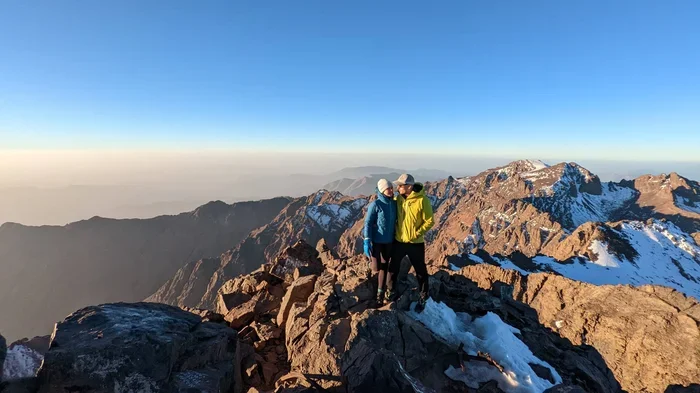
Featured image for Mount Toubkal summit hiking
Image source: sea2peak.com
A private day trip from Agadir to Toubkal offers the ultimate Atlas Mountain adventure, combining breathtaking scenery, authentic Berber village experiences, and the thrill of seeing North Africa’s highest peak — all in a single day. This guided excursion takes you from Agadir’s sunny coast to the rugged High Atlas, where traditional culture meets dramatic landscapes. Perfect for travelers short on time, it delivers a rich, immersive experience without requiring a multi-day trek.
Imagine trading the golden Atlantic beaches of Agadir for the snow-capped peaks of the High Atlas Mountains — all in the span of a single day. A private day trip from Agadir to Toubkal isn’t just a tour; it’s a journey through Morocco’s most dramatic landscapes, where every turn of the road reveals a new postcard-perfect view. From lush valleys dotted with terraced farms to ancient Berber villages clinging to mountainsides, this experience packs the soul of Morocco into one unforgettable adventure.
Most travelers who visit Agadir never realize that North Africa’s tallest mountain is just a few hours away. Toubkal, rising to 4,167 meters (13,671 feet), dominates the skyline of the surrounding region and has been a sacred landmark for centuries. Whether you’re an avid hiker, a culture enthusiast, or simply someone who loves jaw-dropping scenery, this day trip offers something special. And because it’s private, you get to set the pace, choose your stops, and soak in every moment without the rush of a large group tour.
This guide will walk you through everything you need to know — from what you’ll see and do, to practical tips on planning, packing, and making the most of your time. Let’s dive in.
Key Takeaways
- Distance and Travel Time: The journey from Agadir to the Toubkal region covers roughly 230 km and takes about 3.5–4 hours one way, winding through stunning mountain landscapes.
- Jbel Toubkal Significance: At 4,167 meters (13,671 feet), Toubkal is the highest peak in North Africa and a symbol of Moroccan natural heritage.
- Berber Culture: You’ll pass through traditional Amazigh (Berber) villages like Imlil and Aroumd, where centuries-old customs still thrive.
- Best Travel Season: Spring (March–May) and autumn (September–November) offer the most comfortable weather for this trip.
- Private vs. Group Tours: Private trips provide flexibility, personalized pacing, and the freedom to stop wherever you want for photos or exploration.
- What to Pack: Layered clothing, sturdy shoes, sunscreen, and plenty of water are essential, even in warmer months.
- Altitude Awareness: You won’t summit Toubkal on a day trip, but you can reach the Toubkal Refuge at 3,207 meters, where altitude can still affect you.
📑 Table of Contents
- Why Choose a Private Day Trip from Agadir to Toubkal?
- What You’ll See: The Route from Agadir to Toubkal
- What to Expect: A Sample Itinerary
- Who Is This Trip Best Suited For?
- When to Go: Best Seasons and Timing Tips
- What to Pack and Practical Tips
- Cost, Booking, and Final Tips
- Final Thoughts: Is This Trip Worth It?
Why Choose a Private Day Trip from Agadir to Toubkal?
When planning excursions in Morocco, you’ll quickly find two main options: group tours and private trips. While group tours can be budget-friendly, a private day trip offers a level of freedom and personalization that’s hard to beat. Here’s why this option stands out.
Flexibility and Comfort
A private tour means you call the shots. Want to spend an extra 20 minutes photographing a waterfall? Go for it. Prefer to skip a crowded viewpoint in favor of a quiet village square? No problem. Your driver and guide are there to serve your interests, not a pre-set schedule shared with 15 other travelers.
Think of it like the difference between a public bus and a personal car. Both get you to the destination, but one gives you the freedom to stop, explore, and take the scenic route whenever you feel like it.
Personalized Cultural Immersion
Morocco’s High Atlas is home to the Amazigh (Berber) people, whose culture stretches back thousands of years. On a private tour, you can spend more time in villages like Imlil or Aroumd, chat with locals, sip mint tea in a family-run café, and learn about traditions that have survived centuries. Your guide can tailor conversations to your interests — whether that’s architecture, food, language, or history.
Comfortable Pace and Premium Service
Private vehicles are typically newer, air-conditioned, and spacious. You won’t be squeezed into a minivan with strangers, and you can take breaks whenever you need. For families, couples, or anyone who values a relaxed travel style, this is a major plus.
Did You Know?
The word “Toubkal” comes from the Amazigh language, and the mountain has long been considered sacred by local communities. It’s part of the Toubkal National Park, established in 1942 to protect the region’s unique biodiversity.
What You’ll See: The Route from Agadir to Toubkal
The drive from Agadir to the Toubkal region is one of the most scenic in Morocco. Here’s a breakdown of the journey and the highlights along the way.
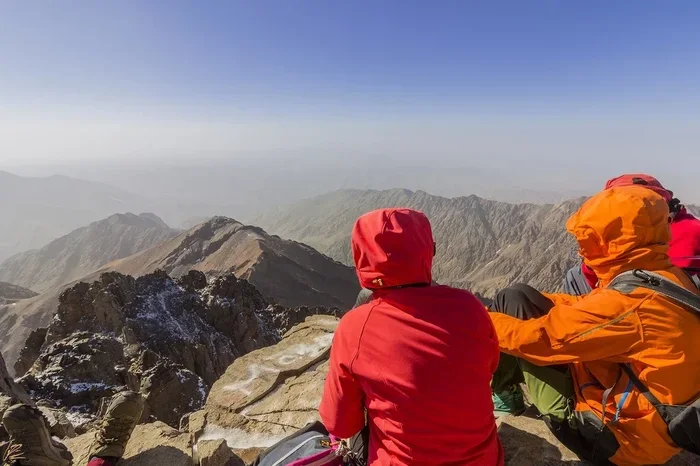
Visual guide about Mount Toubkal summit hiking
Image source: cdn.kimkim.com
Leaving Agadir: The Souss Valley
As you leave Agadir, you’ll pass through the fertile Souss Valley, known for its citrus orchards, argan trees, and banana plantations. Did you know that argan oil — often called “liquid gold” — is produced almost exclusively in this region? You’ll likely see goats perched in argan trees, a quirky and uniquely Moroccan sight. The trees are a favorite snack for these agile climbers.
Ascending Through the High Atlas
The road begins to climb as you approach the foothills of the High Atlas. The landscape transforms from flat agricultural plains to dramatic gorges, terraced hillsides, and rocky outcrops. The switchbacks offer panoramic views that get better with every kilometer.
Along the way, you’ll pass through small towns and villages where life moves at a slower pace. Donkeys are still a common form of transport here, and you might see shepherds guiding their flocks through the hillsides.
Arriving at Imlil: The Gateway to Toubkal
Imlil is the main base for Toubkal expeditions. At about 1,740 meters (5,709 feet) above sea level, this bustling village sits in a stunning valley surrounded by walnut groves and snow-capped peaks. It’s where most trekkers begin their ascent, and you’ll find a range of services here — from mule rentals to mountain gear shops.
From Imlil, you can continue by 4×4 vehicle to the village of Aroumd, or you can take a short walk through terraced fields to reach the trailhead leading to the Toubkal Refuge.
The Toubkal Refuge and Mountain Views
The Toubkal Refuge (also called Refuge des Mouflons) sits at 3,207 meters (10,522 feet). While you won’t have time to summit Toubkal on a day trip, you can reach the refuge area and enjoy spectacular views of the surrounding peaks. The air is noticeably thinner up here, and even a short walk will leave you breathless — both from the beauty and the altitude.
What to Expect: A Sample Itinerary
While every private tour is customizable, here’s a typical day trip itinerary to give you a sense of how the day unfolds.
Morning: Early Departure from Agadir
Most tours start around 7:00–8:00 AM. An early start maximizes your time in the mountains and helps you avoid the midday heat (in warmer months). Your driver will pick you up from your hotel in a comfortable, air-conditioned vehicle.
Mid-Morning: Scenic Drive and Photo Stops
As you drive toward the mountains, you’ll stop at several scenic viewpoints. One popular stop is the Lalla Takerkoust area, though your exact route may vary. These breaks let you stretch, take photos, and soak in the changing landscapes.
Late Morning: Argan Oil Cooperative Visit
Many tours include a stop at a women’s argan oil cooperative. Here, you’ll learn how argan kernels are hand-crushed and pressed into the famous oil used in cooking and cosmetics. It’s a fascinating glimpse into a traditional craft that supports local communities.
Lunch in Imlil or Aroumd
By midday, you’ll arrive in Imlil or the nearby village of Aroumd. Lunch is typically a traditional Moroccan meal — think tagine (slow-cooked stew), couscous, fresh salad, and mint tea. Many restaurants offer terraces with views of the mountains, making lunch a highlight in itself.
Afternoon: Explore or Hike
After lunch, you’ll have time for a short hike or exploration. Options include:
- Walking to the Toubkal Refuge: A moderate hike of about 2–3 hours round trip, depending on your pace.
- Visiting Aroumd Village: A peaceful hamlet with traditional mud-brick houses and a 19th-century kasbah.
- Relaxing by the river: The valley has beautiful streams where you can rest and enjoy the tranquility.
Late Afternoon: Return to Agadir
By 4:00–5:00 PM, you’ll begin the journey back to Agadir. Expect to arrive at your hotel by 7:00–8:00 PM, just in time for dinner.
Who Is This Trip Best Suited For?
A private day trip from Agadir to Toubkal is incredibly versatile. Here’s a quick look at who tends to love this experience the most.
Adventure Seekers and Nature Lovers
If you crave dramatic landscapes, fresh mountain air, and a bit of physical activity, this trip is for you. Even if you’re not an experienced hiker, the scenery alone is worth the drive.
Culture Enthusiasts
Travelers interested in indigenous cultures, traditional crafts, and authentic village life will find plenty to fascinate them. The Amazigh heritage of the region is one of Morocco’s most treasured cultural assets.
Families and Couples
Because it’s private, the trip can be tailored to suit any age or fitness level. Couples on a romantic getaway or families with kids will appreciate the flexibility and comfort.
Photographers
From the sweeping vistas of the High Atlas to the intimate details of village life, this route is a photographer’s dream. The light changes beautifully throughout the day, and every direction offers a new composition.
Did You Know? The High Atlas mountains are home to over 200 species of birds and the endangered Barbary macaque, North Africa’s only primate species. If you’re lucky, you might spot one during your visit.
When to Go: Best Seasons and Timing Tips
Timing can make or break your mountain experience. Here’s what to consider when planning your trip.
Spring (March–May)
Spring is arguably the best time for this trip. The weather is mild, the valleys are green, and wildflowers are in bloom. Temperatures in Imlil typically range from 10°C to 20°C (50°F to 68°F), making it comfortable for walking.
Summer (June–August)
Summer can be hot at lower elevations, but the mountains offer a refreshing escape. However, this is also peak tourist season, so popular spots may be busier. Be prepared for strong sun and carry plenty of water.
Autumn (September–November)
Autumn is another excellent choice. The summer crowds thin out, the temperatures cool, and the light is gorgeous. It’s a great time for photography and a more peaceful experience overall.
Winter (December–February)
Winter brings snow to the higher elevations, including the Toubkal area. The scenery is stunning, but roads can be icy, and the refuge area may be inaccessible. Some tours don’t operate during this season, so check ahead.
Day of the Week
Weekdays tend to be less crowded than weekends. If your schedule allows, plan your trip for a Monday through Thursday for a quieter experience.
What to Pack and Practical Tips
Packing smart can make a huge difference in your comfort and enjoyment. Here’s a checklist to help you prepare.
Clothing
- Layers: Mountain weather can change quickly. Wear a base layer, a fleece or sweater, and a waterproof jacket.
- Sturdy shoes: Hiking boots or trail shoes with good grip are essential, especially if you plan to walk to the refuge.
- Hat and sunglasses: The sun is strong at altitude.
- Comfortable pants: Avoid shorts if you plan to hike, as the terrain can be rough.
Essentials
- Sunscreen: High-altitude sun is intense. Use SPF 30 or higher.
- Water bottle: At least 1.5–2 liters per person. Stay hydrated!
- Snacks: Energy bars, nuts, or fruit for the trail.
- Camera: You’ll want to capture every moment.
- Cash: Small bills for tips, souvenirs, or local purchases.
Health Considerations
Altitude can affect anyone, even at 3,000 meters. Symptoms may include mild headache, shortness of breath, or fatigue. Drink water, take it slow, and let your guide know if you feel unwell. If you have heart or respiratory conditions, consult your doctor before the trip.
Tipping Etiquette
Tipping is appreciated in Morocco. A tip of 10–15% for your guide and driver is standard if you’re happy with the service. Small tips for restaurant staff are also welcomed.
Cost, Booking, and Final Tips
Let’s talk about the practical side of things — how much it costs, how to book, and how to make sure you get the best experience possible.
Average Cost
Private day trips from Agadir to Toubkal typically cost between €100 and €200 per person, depending on the operator, group size, and inclusions. Most tours include hotel pickup and drop-off, transportation, a guide, and sometimes lunch. Be sure to clarify what’s included when booking.
How to Book
You can book through local Moroccan tour operators, online platforms like Viator or GetYourGuide, or directly through your hotel. Booking in advance — especially during peak season — is highly recommended.
Questions to Ask Before Booking
- Is lunch included?
- What type of vehicle will we use?
- How long do we spend at each stop?
- Is the guide English-speaking?
- What’s the cancellation policy?
Why a Private Trip Is Worth It
Think of this trip as an investment in quality time and unforgettable memories. Morocco is a country that rewards those who slow down and connect with its landscapes and people. A private day trip gives you the space to do exactly that — without compromise.
Final Thoughts: Is This Trip Worth It?
In a word — absolutely. A private day trip from Agadir to Toubkal is one of the most rewarding experiences you can have in Morocco. It combines natural beauty, cultural depth, and adventure in a way that few other excursions can match. You’ll leave with stunning photos, a deeper understanding of Moroccan life, and a sense of awe that only the High Atlas can inspire.
Whether you’re a first-time visitor or a returning traveler, this trip offers a fresh perspective on a country full of surprises. The mountains have a way of humbling you, while the warmth of the people leaves you feeling right at home.
So, if you’re planning a trip to Agadir and want to see more than just the beach, consider adding this day trip to your itinerary. It’s a decision you won’t regret.
Frequently Asked Questions
How long is the drive from Agadir to Toubkal?
The drive from Agadir to the Toubkal region takes about 3.5 to 4 hours one way, covering roughly 230 km. The route winds through scenic landscapes, and your driver will make several stops along the way for photos and breaks.
Can you climb Toubkal in one day from Agadir?
Summiting Toubkal in a single day from Agadir is not realistically possible due to the long drive and the physical demands of the climb. However, you can visit the Toubkal area, enjoy stunning mountain views, and hike to the Toubkal Refuge on a day trip.
What is the best time of year to visit Toubkal from Agadir?
Spring (March to May) and autumn (September to November) are the best times. The weather is mild, the scenery is beautiful, and conditions are ideal for walking and exploring.
Do I need to be fit to do this day trip?
You don’t need to be an athlete, but a basic level of fitness will enhance your experience, especially if you plan to walk to the refuge. The terrain can be steep and rocky in places, so sturdy shoes are a must.
What should I wear on a day trip to Toubkal?
Wear comfortable, layered clothing suitable for changing mountain weather. Bring a waterproof jacket, sturdy hiking shoes, a hat, and sunglasses. Even in summer, temperatures can drop at higher elevations.
Is it safe to travel from Agadir to Toubkal?
Yes, it’s generally very safe, especially with a reputable private tour operator. The roads are well-maintained, and local guides are experienced. As with any travel, keep an eye on your belongings and follow your guide’s advice.