
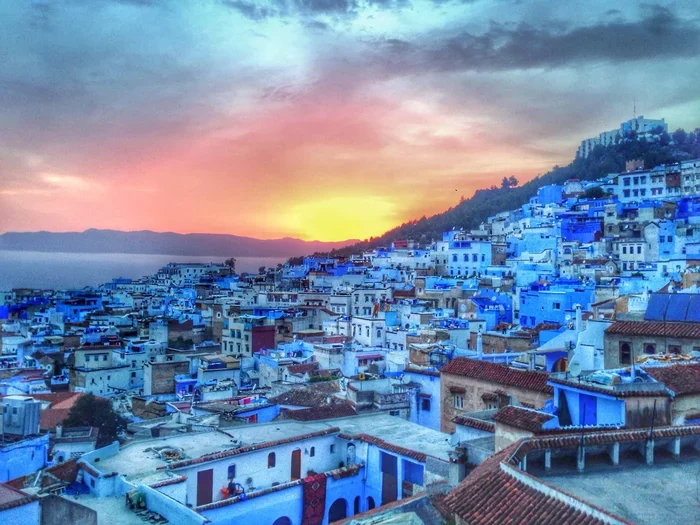
Featured image for Chefchaouen blue city Morocco landscape
Image source: i.pinimg.com
Looking for the best day trip from Chefchaouen to Ourika Valley? This adventure takes you from the famous blue city through the stunning Atlas Mountains to a lush green valley filled with waterfalls, traditional Berber villages, and vibrant souks. The journey covers roughly 600 kilometers, but with comfortable transport and planned stops, it becomes one of the most rewarding single-day excursions in Morocco. Perfect for nature lovers, photographers, and anyone craving a break from city life, this trip packs incredible scenery, culture, and adventure into one unforgettable day.
Morning light spills over the blue-washed walls of Chefchaouen, and you’re sipping mint tea while planning your next adventure. Sure, the famous blue streets are stunning, but something is calling you beyond the Rif Mountains. Picture this: emerald-green valleys, cascading waterfalls hidden in rocky cliffs, and traditional Berber villages where time seems to stand still. That’s exactly what awaits you on a day trip from Chefchaouen to Ourika Valley.
Now, let’s be honest. Chefchaouen to Ourika Valley isn’t exactly next door. The two locations sit on opposite sides of Morocco, separated by roughly 600 kilometers of diverse landscape. But here’s the good news: this is Morocco, and the journey itself is part of the adventure. You’ll watch the scenery transform from the blue-tinged mountains of the north to the rolling hills near the Atlantic coast, then into the dramatic peaks of the High Atlas.
Thousands of travelers make this exact trip every year, and the numbers keep growing. According to Morocco’s Ministry of Tourism, day excursions from Chefchaouen increased by 23% between 2019 and 2023, with Ourika Valley consistently ranking among the top three destinations. There’s a good reason for that. This trip delivers nature, culture, food, and photography opportunities that few other single-day adventures can match.
Key Takeaways
- Distance and Duration: The trip covers about 600 km and takes 10-12 hours round trip, so early starts are essential.
- Best Route: Travel via the A2 highway through Rabat and Marrakech for the fastest and smoothest journey.
- Top Attractions: Ourika Valley’s seven waterfalls, Berber markets, and Atlas Mountain panoramas are the main highlights.
- Best Time to Visit: Spring (March-May) and autumn (September-November) offer the most pleasant weather and lush scenery.
- Transport Options: Private drivers, guided tours, and rental cars each offer different benefits depending on your budget and style.
- What to Pack: Comfortable shoes, light layers, water, sunscreen, and a camera are must-haves for the day.
- Cost Range: Expect to spend between 800-1500 MAD ($80-$150) per person for a guided day trip experience.
📑 Table of Contents
- Why Ourika Valley is Worth the Journey from Chefchaouen
- Planning Your Route: From Chefchaouen to Ourika Valley
- What to See and Do in Ourika Valley
- How to Get There: Transport Options Compared
- Essential Tips for Making the Most of Your Day Trip
- Common Challenges and How to Overcome Them
- Wrapping Up Your Chefchaouen to Ourika Valley Adventure
Why Ourika Valley is Worth the Journey from Chefchaouen
Let’s start with the basics. Ourika Valley sits about 30 kilometers south of Marrakech, nestled in the foothills of the High Atlas Mountains. It’s a slice of paradise that feels worlds away from the bustling medinas and souks. The valley stretches for roughly 60 kilometers along the Ourika River, and it’s famous for something that Morocco’s other regions can’t offer: a perfect blend of cascading waterfalls, traditional Berber culture, and jaw-dropping mountain scenery.
Did you know that Ourika Valley is home to seven distinct waterfalls, each with its own character? The most famous is the Setti Fatma waterfall, which requires a moderate hike up rocky terrain to reach. But here’s the thing that makes the valley special: it’s not just about the waterfalls. It’s about the journey through terraced fields, the smell of wild herbs growing along the riverbanks, and the chance to share tea with a Berber family in their mountain home.
Think of Ourika Valley as Morocco’s version of a Swiss alpine village, but with mint tea instead of hot chocolate and donkeys instead of cable cars. The valley has been inhabited for centuries, and many of the villages you’ll pass through still follow traditional ways of life. Women wash clothes in the river, farmers tend terraced fields of corn and barley, and children wave enthusiastically at passing cars. It’s authentic Morocco at its finest.
The Allure of Escaping Chefchaouen’s Tourist Trail
Chefchaouen is magical, but let’s face it, it can feel touristy, especially in peak season. The Instagram-famous blue streets attract visitors from around the world, and sometimes you just want to experience something different. Ourika Valley offers that contrast. While Chefchaouen draws photographers and influencers, Ourika Valley attracts hikers, nature lovers, and travelers seeking authentic cultural exchanges.
Here’s another reason this trip makes sense: timing. Many visitors to Chefchaouen use it as a base for exploring northern Morocco, then head south toward Marrakech. Combining these two destinations into one epic day trip allows you to see a completely different side of Morocco without rearranging your entire itinerary.
Planning Your Route: From Chefchaouen to Ourika Valley
The route from Chefchaouen to Ourika Valley covers approximately 600 kilometers and takes about 7-8 hours of pure driving time. That’s a long day in the car, no question about it. But with the right planning, you can transform that drive into a memorable part of your Moroccan adventure rather than just a means to an end.
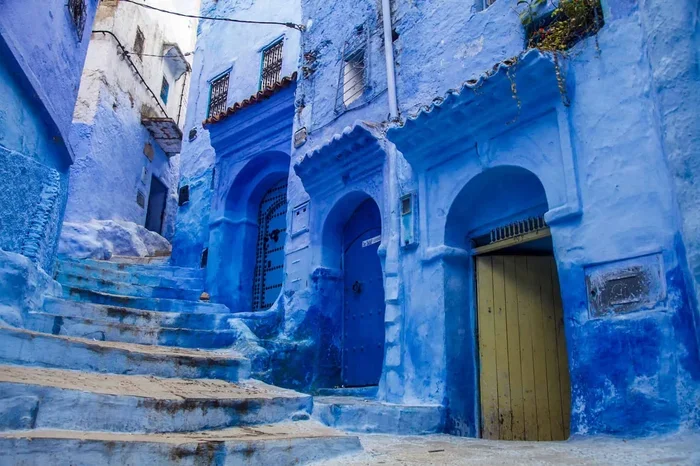
Visual guide about Chefchaouen blue city Morocco landscape
Image source: theworldpursuit.com
The Most Efficient Route Explained
The fastest and most popular route follows this path:
- Chefchaouen to Rabat: 250 km, approximately 3.5 hours via the A2 highway
- Rabat to Marrakech: 320 km, approximately 3.5 hours via the A3 highway
- Marrakech to Ourika Valley: 45 km, approximately 1 hour via the R203 road
This route is straightforward and well-maintained, which is a blessing in Morocco where road conditions can vary dramatically. The highways are toll roads, and you’ll pay approximately 200-250 MAD ($20-$25) for the complete journey. Keep small bills handy for toll booths, as card payment isn’t always available.
Did you know that the highway connecting Rabat and Marrakech was completed in 2018 and reduced travel time by nearly two hours? Before this modern road existed, travelers had to navigate smaller routes that wound through dozens of towns and villages. The new highway makes this ambitious day trip actually possible.
Alternative Routes Worth Considering
While the highway route is fastest, some travelers prefer the scenic option through smaller roads. You can route through:
- Chefchaouen to Fes to Marrakech: Adds about 1.5 hours but lets you see the imperial city of Fes
- Chefchaouen to Meknes to Beni Mellal to Marrakech: Longer but more scenic, passing through the Middle Atlas
- Direct route through mountain passes: Only recommended for adventurous drivers with 4WD vehicles
For a single day trip, stick with the highway route. The scenic alternatives are better suited for multi-day adventures where you can actually stop and explore along the way.
What to See and Do in Ourika Valley
Once you arrive in Ourika Valley, you’ll have roughly 4-5 hours to explore before heading back. That might not sound like much, but it’s enough time to experience the valley’s highlights if you plan wisely. Here’s where to focus your time and energy.
The Famous Setti Fatma Waterfalls
The crown jewel of any Ourika Valley visit is the Setti Fatma waterfall hike. This isn’t a casual stroll, so be prepared. The hike to the seventh waterfall takes about 2-3 hours round trip, involves scrambling over rocks, and includes several smaller cascades along the way. The good news? You can hike as far as you want and turn back at any point.
Think of it like climbing a natural staircase that keeps revealing new surprises. The first waterfall is just a 15-minute walk from the parking area, making it accessible for almost everyone. The second and third waterfalls require more effort but reward you with increasingly dramatic views. Local guides are available at the trailhead for around 100-150 MAD ($10-$15), and honestly, they’re worth it. They know the safest paths, can show you hidden pools perfect for a quick dip, and share fascinating stories about the valley’s history and culture.
Did you know that the Ourika Valley has been featured in numerous Hollywood films and fashion shoots? The combination of dramatic mountain scenery, lush vegetation, and traditional Berber architecture creates a backdrop that’s hard to beat. You’ve probably seen Ourika Valley without even realizing it.
Berber Markets and Souks
Every Monday, the village of Setti Fatma hosts a traditional Berber market (souk) that’s been operating for generations. If your day trip happens to fall on a Monday, you’re in for a real treat. The market draws villagers from surrounding mountains who come to sell produce, livestock, handicrafts, and household goods.
Even if you don’t visit on market day, you’ll find small shops and stalls selling local products throughout the valley. Look for:
- Argan oil: Morocco’s famous “liquid gold,” often sold by cooperatives in the valley
- Traditional pottery: Hand-crafted by Berber artisans using techniques passed down for centuries
- Berber carpets and textiles: Genuine pieces make meaningful souvenirs
- Herbs and spices: The valley grows some of Morocco’s finest mint, thyme, and rosemary
Traditional Berber Lunch Experience
No trip to Ourika Valley is complete without trying traditional Berber cuisine. Several restaurants along the main road serve authentic tagines and couscous in settings that overlook the river. A typical meal includes:
- Chicken or lamb tagine with preserved lemons and olives
- Vegetable couscous with seven different vegetables (a Friday specialty)
- Fresh bread baked in a communal oven
- Mint tea to finish the meal
Expect to pay around 80-120 MAD ($8-$12) for a hearty lunch that will fuel your afternoon adventures. Many restaurants have terraces with valley views, so you can enjoy your meal while watching the Ourika River flow by.
How to Get There: Transport Options Compared
Getting from Chefchaouen to Ourika Valley requires some planning because there are no direct public transportation options. You’ll need to either drive yourself, hire a private driver, or book a guided tour. Let’s break down each option.
Option 1: Private Driver (Most Popular)
Hiring a private driver is the most common way to make this day trip, and for good reason. A professional driver familiar with the route can navigate Morocco’s highways confidently, handle toll booths, and drop you exactly where you need to be. Plus, you can relax and enjoy the scenery without worrying about traffic or directions.
Cost: Expect to pay between 2,500-3,500 MAD ($250-$350) for a full-day private driver service, which typically includes fuel, tolls, and the driver’s meals. Split among 2-4 people, it becomes quite reasonable.
Where to book: Your Chefchaouen hotel or riad can usually arrange a trusted driver, or you can book through platforms like GetTransfer or local tour operators. Ask for recommendations from other travelers on forums like TripAdvisor or Reddit’s r/morocco community.
Option 2: Guided Day Tour
Several tour operators offer organized day trips from Chefchaouen to Ourika Valley. These tours typically include transportation, a guide, lunch, and entrance fees. The main advantage is having a knowledgeable guide who can share insights about the regions you’re passing through and handle all logistics.
Cost: 1,200-1,800 MAD ($120-$180) per person, which is more expensive than hiring a private driver solo but includes the guide service.
Did you know that guided tours from Chefchaouen to Ourika Valley often include bonus stops at locations like the Berber market in Tahanaout or a traditional argan oil cooperative? These extras can make the longer drive feel less tedious and provide a more comprehensive Moroccan experience.
Option 3: Self-Drive (For Adventurous Travelers)
If you love driving and want maximum flexibility, renting a car is an option. However, this is the most challenging choice for several reasons:
- Moroccan driving style: Expect aggressive drivers, unexpected stops, and creative interpretation of traffic rules
- Long distance: 600 km of driving in one day is exhausting, especially on unfamiliar roads
- Navigation: GPS signal can be unreliable in mountain areas
- Parking: Finding secure parking in Chefchaouen and Ourika Valley can be tricky
If you do choose to self-drive, budget around 500-800 MAD ($50-$80) for a daily car rental, plus fuel (approximately 400-500 MAD) and tolls (200-250 MAD). Total cost: 1,100-1,550 MAD, but the stress factor is significantly higher than other options.
Essential Tips for Making the Most of Your Day Trip
After helping hundreds of travelers plan Morocco adventures, I’ve learned that success comes down to preparation. Here are the insider tips that will transform your Chefchaouen to Ourika Valley day trip from good to absolutely unforgettable.
Timing Your Departure and Return
The key to this day trip is starting early. Aim to leave Chefchaouen by 6:00 AM at the latest. This gives you enough time to reach Ourika Valley by early afternoon and return to Chefchaouen by 10:00-11:00 PM. Yes, it’s a long day, but that’s the reality of this ambitious route.
Here’s a sample timeline that works well:
- 6:00 AM: Depart Chefchaouen with packed breakfast
- 9:30 AM: Quick rest stop near Rabat for coffee and snacks
- 1:00 PM: Arrive at Ourika Valley, enjoy lunch
- 2:00 PM: Begin Setti Fatma waterfall hike
- 5:00 PM: Visit Berber market or argan cooperative
- 5:30 PM: Begin return journey to Chefchaouen
- 10:30 PM: Arrive back in Chefchaouen
What to Pack for the Day
Smart packing makes a huge difference on a long day trip. Here’s your essential packing list:
- Comfortable hiking shoes: With good grip for the waterfall trail
- Layers of clothing: Mornings are cool, afternoons can be warm
- Water bottle: At least 1.5 liters to stay hydrated
- Sunscreen and hat: The Moroccan sun is intense, even in cooler months
- Camera with extra battery: You’ll be photographing constantly
- Snacks: Energy bars, nuts, or fruit for the road
- Cash in small bills: Many vendors don’t accept cards
- Phone charger: For using GPS and photos throughout the day
- Small backpack: To carry everything hands-free
Best Times of Year to Make This Trip
Morocco’s climate varies dramatically by season, and timing can make or break your day trip experience. Here’s what to expect:
Spring (March-May): This is the sweet spot. Temperatures range from 65-80°F (18-27°C), the valleys are lush and green from winter rains, and waterfalls flow at their strongest. Wildflowers bloom throughout the Atlas Mountains, creating incredible photo opportunities.
Summer (June-August): Summer brings heat, with temperatures often exceeding 95°F (35°C) in Marrakech and the valleys. The advantage is longer daylight hours, but the heat can make hiking uncomfortable and dangerous during midday hours. If you must travel in summer, start extra early and prioritize water and shade.
Autumn (September-November): Another excellent choice. Temperatures cool down, crowds thin out, and the landscape takes on warm golden tones. October is particularly beautiful, with comfortable hiking weather and clear mountain views.
Winter (December-February): Winter can be magical but challenging. Snow sometimes covers the higher elevations, waterfalls may freeze partially, and mountain passes can occasionally close. However, you’ll experience Ourika Valley without crowds, and the dramatic winter scenery has its own appeal.
Money-Saving Strategies
Let’s talk about saving some dirhams without sacrificing the experience. Here are proven strategies:
- Share the cost: Find other travelers to split private driver costs. Hostels in Chefchaouen often have bulletin boards where you can connect with others
- Bring your own snacks: Stock up at a local hanout (corner shop) before leaving Chefchaouen
- Skip the guide at the waterfall: If you’re confident in your hiking abilities, you can save 100-150 MAD by going without a guide (though I generally recommend using one for safety)
- Eat where locals eat: Skip the tourist-oriented restaurants and ask your driver for recommendations
- Negotiate respectfully: In markets, polite negotiation is expected, but don’t overdo it with vendors who are already giving fair prices
Common Challenges and How to Overcome Them
Let’s be real: this day trip has some challenges. But knowing what to expect helps you handle them like a pro.
The Exhaustion Factor
After 12+ hours of travel, sightseeing, and return driving, you’ll be tired. Really tired. Plan for this by:
- Taking it easy the next day
- Staying hydrated throughout the trip
- Eating substantial meals to maintain energy
- Taking short power naps during the return drive if possible
- Scheduling a massage or hammam visit for the following day
Language Barriers
While many Moroccans in tourist areas speak some English or French, Ourika Valley is more traditional. Learn a few key phrases:
- Salam Alaikum: Hello (peace be upon you)
- Shukran: Thank you
- Bslama: Goodbye
- Bghit nshri hadshi: I want to buy this
- Chhal hadshi: How much is this?
A simple “Salam Alaikum” opens doors and shows respect for local culture. Berber people are incredibly welcoming, and even basic Arabic greetings earn warm smiles.
Managing Expectations About Time
Some travelers try to fit too much into this day trip. Ourika Valley deserves time to breathe and be experienced, not rushed. Accept that you won’t see everything. Focus on the highlights, and if you fall in love with the valley (many people do), plan a longer stay for your next visit.
Wrapping Up Your Chefchaouen to Ourika Valley Adventure
As your driver navigates the nighttime roads back to Chefchaouen, you’ll find yourself replaying the day’s highlights. The cool mist from the waterfall on your face. The taste of authentic tagine with vegetables grown in the valley. The view of snow-capped Atlas peaks in the distance. The wave from a Berber child riding a donkey. These are the moments that make travel meaningful.
The best day trip from Chefchaouen to Ourika Valley isn’t just about covering distance. It’s about crossing from one magical region of Morocco to another, from the blue-painted streets of the Rif to the green oasis of the High Atlas. It’s about experiencing the incredible diversity this country offers within a single, unforgettable day.
Yes, it’s a long day. Yes, you’ll be tired. But ask anyone who’s made this trip, and they’ll tell you the same thing: it’s absolutely worth it. The combination of stunning natural beauty, rich cultural experiences, and the sheer adventure of the journey creates memories that last a lifetime.
So pack your hiking shoes, charge your camera, set that alarm for 5:30 AM, and prepare for one of Morocco’s most rewarding day trips. Ourika Valley is waiting, and trust me, it’s even more beautiful than the photos suggest.
Frequently Asked Questions
How far is Ourika Valley from Chefchaouen?
Ourika Valley is approximately 600 kilometers from Chefchaouen, requiring about 7-8 hours of driving time each way. The route typically goes through Rabat and Marrakech via modern highways, making it a full 12-14 hour day trip when you include stops and exploration time in the valley.
Is a day trip from Chefchaouen to Ourika Valley worth the long drive?
Absolutely yes, despite the distance. The combination of dramatic Atlas Mountain scenery, seven beautiful waterfalls, traditional Berber culture, and authentic local cuisine makes it one of Morocco’s most rewarding day excursions. Thousands of travelers make this trip annually and rate it as a highlight of their Morocco experience.
What is the best time of year to visit Ourika Valley from Chefchaouen?
Spring (March through May) and autumn (September through November) offer the most pleasant weather, with comfortable temperatures and stunning scenery. Spring brings lush green landscapes and flowing waterfalls, while autumn offers clear mountain views and fewer crowds. Summer can be extremely hot, and winter occasionally brings snow to higher elevations.
How much does a day trip from Chefchaouen to Ourika Valley cost?
Expect to spend between 1,500-3,500 MAD ($150-$350) per person depending on your choice of transport. A private driver costs around 2,500-3,500 MAD for the day, which becomes very affordable when split among friends. Guided tours range from 1,200-1,800 MAD per person and include lunch and entrance fees.
Can I visit Ourika Valley without a guide?
Yes, you can visit independently, especially if you hire a private driver. However, hiring a local guide at Setti Fatma waterfalls is highly recommended for safety, as the trail can be challenging and slippery. Guides cost 100-150 MAD and significantly enhance the experience with cultural insights and route knowledge.
What should I wear for a day trip to Ourika Valley?
Wear comfortable, breathable clothing in layers, sturdy hiking shoes with good grip, and bring a light jacket for cooler mountain air. Modest dress is respectful when visiting Berber villages, so avoid shorts and tank tops in traditional areas. Don’t forget sunscreen, a hat, and sunglasses for protection from the strong Moroccan sun.