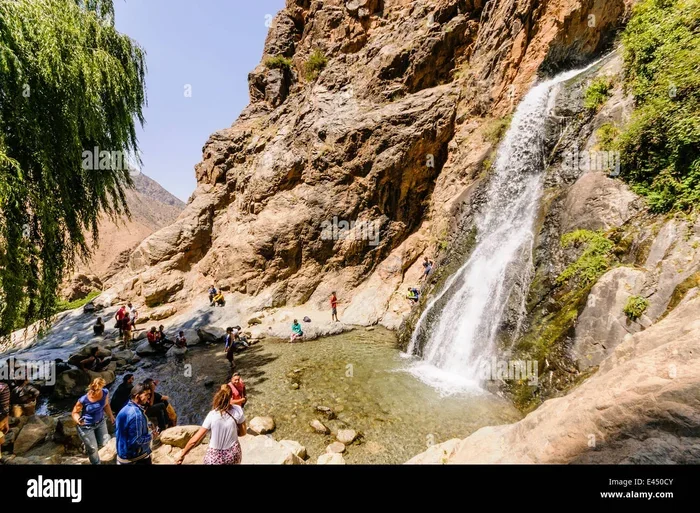
Featured image for Setti Fatma waterfalls Morocco
Image source: c8.alamy.com
Planning a Fes to Setti Fatma day trip costs between 350-900 MAD ($35-$90 USD) per person, depending on your travel style. Budget travelers using public transport pay around 350-450 MAD, while those choosing private tours with guides spend 700-900 MAD. The biggest expenses are transportation (50-60% of total cost) and a local guide at the waterfalls (100-150 MAD). Entrance fees are refreshingly cheap since Setti Fatma is a free natural site, though optional extras like mule rides and restaurant meals add up quickly.
Picture this: You’re standing in the bustling medina of Fes, surrounded by the scent of spices and the calls to prayer echoing through narrow alleys. Just 65 kilometers away, a completely different world waits, one where seven waterfalls cascade through green valleys and Berber villages cling to mountainsides. This is Setti Fatma, and getting there for a day trip is easier and more affordable than most travelers realize.
The journey from Fes to Setti Fatma has become increasingly popular among travelers seeking a break from city tours. Whether you’re a backpacker counting every dirham or a comfort traveler wanting everything arranged, understanding the real costs helps you plan smarter. Many visitors arrive in Morocco expecting Marrakech to be their gateway to this stunning region, but Fes offers a closer, cheaper, and less crowded alternative that most guidebooks overlook.
This comprehensive guide breaks down every expense you’ll encounter on a Fes to Setti Fatma day trip in 2025. From the moment you leave your hotel in Fes to the moment you return after sunset, you’ll know exactly where your money goes, why each cost exists, and how to reduce expenses without sacrificing the experience. Think of this as your money map for one of Morocco’s best-kept secrets.
Key Takeaways
- Total Budget Range: Expect to spend 350-900 MAD per person for a complete day trip, with the main variable being transportation choice.
- Public Transport Option: Shared taxis and buses cost 60-80 MAD round-trip, making this the cheapest way to travel from Fes to Setti Fatma.
- Private Driver Cost: Hiring a private driver costs 1,200-1,800 MAD for the day, ideal for groups of 3-4 people splitting costs.
- Guide Fees: A local guide at the waterfalls is optional but recommended, costing 100-150 MAD for 2-3 hours of service.
- Free Attractions: The waterfalls themselves are free to visit, which significantly reduces overall trip expenses.
- Hidden Costs: Mule rides (50-100 MAD), tips, and souvenir shopping typically increase expenses by 15-20% beyond planned budgets.
- Best Value: Group tours from Fes offer the best balance of convenience and cost at 500-650 MAD per person including guide and lunch.
📑 Table of Contents
- Understanding the Fes to Setti Fatma Journey
- Breaking Down Transportation Costs
- Essential Costs at Setti Fatma
- Food, Drinks, and Refreshment Costs
- Hidden Costs and Money-Saving Tips
- Sample Day Trip Budgets for Different Travel Styles
- Best Time to Visit and Seasonal Cost Variations
- Booking Strategies and Final Cost Tips
Understanding the Fes to Setti Fatma Journey
The Fes to Setti Fatma route covers roughly 65 kilometers through the Middle Atlas Mountains. It takes about 1.5 to 2 hours each way, depending on your transport mode and how many photo stops you make along the way. The drive itself is half the adventure, winding through cedar forests, traditional Berber villages, and landscapes that look painted rather than real.
Setti Fatma sits in the Ourika Valley within the High Atlas Mountains, famous for its seven waterfalls that locals call “the seven sisters.” The village has grown into a popular weekend getaway for Moroccan families and a hidden gem for international tourists. Unlike the more developed Ourika Valley closer to Marrakech, Setti Fatma remains relatively untouched by mass tourism, which keeps prices reasonable and the experience authentic.
Why This Route Works for Day Trips
The distance from Fes makes Setti Fatma achievable as a long day trip without needing overnight accommodations. You can leave Fes around 7:30 AM and return by 7:00 PM, giving you 4-5 hours of actual exploring time at the waterfalls. This timing works perfectly because the morning light illuminates the cascades beautifully, and temperatures remain comfortable before the afternoon heat peaks.
Think of the journey like a sandwich: the drive out (the first bread slice), the time at Setti Fatma (the filling), and the drive back (the second bread slice). Most travelers find that 4 hours at the waterfalls provides the right balance between seeing everything and not feeling rushed. Any longer and the return drive feels tedious; any shorter and you miss the best swimming holes at the third and fourth waterfalls.
What Makes Setti Fatma Special
The seven waterfalls each have distinct personalities. The first two are easy to reach, sitting just minutes from the village center. They’re perfect for travelers with limited mobility or tight schedules. The third waterfall requires a moderate 45-minute uphill hike through terraced gardens. The fourth through seventh waterfalls demand genuine hiking ability and typically take 3-4 hours round-trip to reach the final cascade.
Local legend says the seven waterfalls represent seven sisters who fled here to escape unwanted marriages. Each sister found her own hiding spot, and the waterfalls mark their eternal resting places. This story adds cultural depth to what could otherwise feel like just a hiking destination. The Berber communities living in the valley still consider these waterfalls sacred, and you’ll see small offerings at certain cascades where locals pray for rain or blessings.
Breaking Down Transportation Costs
Transportation represents your single largest expense on a Fes to Setti Fatma day trip, typically accounting for 50-60% of your total budget. Your choice here fundamentally shapes both your experience and your wallet. Let me walk you through each option with real 2025 prices.
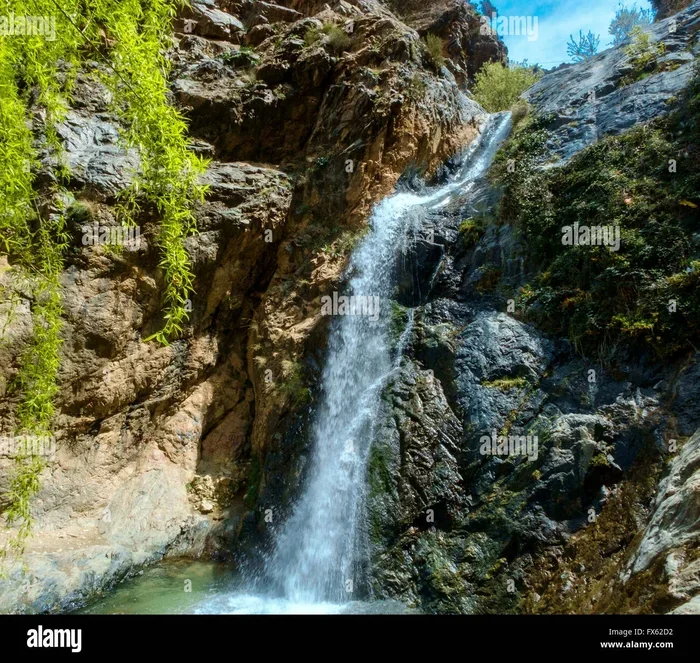
Visual guide about Setti Fatma waterfalls Morocco
Image source: c8.alamy.com
Public Transport: The Budget Champion
Taking public transport from Fes to Setti Fatma costs between 60-80 MAD round-trip per person. This breaks down to roughly 30-40 MAD each way for shared taxis or CTM buses. The shared taxi system works like a pool: you wait at designated taxi stands until a car fills up (usually with 4-6 passengers), then you depart. It’s efficient, cheap, and gives you authentic local flavor.
Here’s how it works practically: From Fes, you head to the main taxi station near the Ville Nouvelle. Drivers heading toward the Ourika Valley depart in the mornings. You might wait 20-45 minutes for the taxi to fill up. The drive takes about 2 hours with a brief stop halfway for refreshments. You’ll be dropped at Setti Fatma’s main square, which sits just 5 minutes from the waterfall trailhead.
Did You Know? Morocco’s shared taxi system, called “grand taxis,” moves over 15 million passengers monthly. It’s one of North Africa’s most-used public transport networks and far cheaper than neighboring countries’ systems. The drivers typically work in cooperatives, which keeps prices standardized and prevents tourist overcharging at official stations.
Private Driver: The Comfort Choice
Hiring a private driver costs 1,200-1,800 MAD for a complete day (8-10 hours). This includes the vehicle, fuel, and the driver’s time. When you split this among 3-4 people, it becomes remarkably affordable at 300-600 MAD per person, often less than organized group tours when you factor in what’s included.
Private drivers offer flexibility that public transport cannot match. You can stop whenever you want for photos, adjust your return time based on how you’re feeling, and ask the driver to take scenic detours. Most drivers speak basic English and some French, which helps with navigation and local insights. Reputable companies like Morocco Private Tours and Sahara Dream Tours offer this service with experienced drivers familiar with mountain roads.
Think of a private driver like renting a car but without driving yourself. You get all the benefits of car travel (privacy, speed, flexibility) without the stress of navigating unfamiliar mountain roads, dealing with aggressive Moroccan driving styles, or worrying about parking at crowded trailheads. For nervous travelers or those wanting comfort, this expense is absolutely worth it.
Organized Group Tours: The Middle Path
Group tours from Fes to Setti Fatma cost 500-650 MAD per person in 2025. These tours typically include round-trip transportation, a local guide at the waterfalls, and sometimes lunch. They operate with 8-15 people per vehicle, keeping costs low while providing structure and expert knowledge.
The advantage of group tours is everything gets handled. The operator knows the best photo stops, the most reliable restaurants, and the safest hiking routes. You also meet other travelers, which adds social value. The disadvantage is rigid schedules. You leave when the group leaves, return when they return, and have limited flexibility for personal exploration.
Most group tours depart Fes around 7:00-8:00 AM and return by 6:00-7:00 PM. This timing maximizes your time at Setti Fatma while avoiding the hottest afternoon hours for hiking. Companies like Morocco Desert Tours and Authentic Morocco Tours run these trips regularly, with online booking available through platforms like Viator and GetYourGuide.
Essential Costs at Setti Fatma
Once you arrive at Setti Fatma, your expenses drop significantly compared to Moroccan tourist hotspots. The waterfalls remain completely free to visit, which feels almost miraculous in our world of attraction entrance fees. However, several optional but recommended services carry costs worth understanding.
Local Guide Fees
A local guide at the waterfalls costs 100-150 MAD for 2-3 hours of service. This might sound expensive when the waterfalls are free, but guides provide genuine value beyond just showing you the path. They know which rocks are slippery, which swimming holes have dangerous currents, and which shortcuts save energy. More importantly, they share cultural context about Berber traditions, the meaning of the seven sisters legend, and the spiritual significance of different waterfall locations.
Think of guides like having a knowledgeable friend show you around their hometown. They point out details you’d miss, prevent embarrassing or dangerous mistakes, and answer questions that would otherwise go unanswered. For the third waterfall and beyond, guides become almost essential because the trail branches multiple times and signage exists only in Arabic and Berber.
Guides typically wait at the trailhead near Setti Fatma’s main square. They don’t have formal shops or offices, so you simply approach them, negotiate the price, and start walking. Agree on the price before beginning, and clarify what’s included (usually just their guiding service, not food or mules).
Mule and Donkey Rides
Mule rides offer an alternative to hiking for the upper waterfalls, costing 50-100 MAD per person for a round-trip to the third or fourth waterfall. This includes the mule for the journey up, your guide leading the mule, and sometimes the mule for the descent. The animals are local working mules, well-cared for and experienced on the rocky trails.
Using a mule isn’t lazy; it’s practical. The trail becomes steep and rocky beyond the second waterfall, and the altitude change is significant. Mules make the journey accessible for older travelers, families with young children, or anyone with knee or ankle concerns. The mule handlers are typically local Berber men who grew up on these mountains and know every stone.
Did You Know? The Berber communities of the Ourika Valley have used mules for transportation and trade for over 1,000 years. These animals can carry up to 80 kilograms (176 pounds) safely across terrain that would challenge modern vehicles. Supporting mule handlers directly contributes to the local economy and helps preserve traditional ways of life that are disappearing in more developed regions.
Food, Drinks, and Refreshment Costs
You’ll need to eat and drink during this day trip, and Setti Fatma offers surprisingly good food options despite its small size. Restaurant prices remain reasonable, especially compared to Fes or Marrakech, because the village caters to day-trippers rather than luxury tourists.
Lunch at Setti Fatma
A traditional Moroccan lunch at Setti Fatma costs 60-100 MAD per person at village restaurants. Typical dishes include tagine (slow-cooked stew with meat and vegetables), couscous with vegetables or meat, and grilled kefta (seasoned meatballs). Most restaurants offer outdoor seating with mountain views, making meals feel like scenic experiences rather than just refueling.
The most popular restaurant options cluster near the main square and along the river. Cafe des Cascades and Restaurant Azrou consistently receive positive reviews for fresh ingredients, generous portions, and reasonable prices. They also accommodate vegetarian travelers easily, which matters because traditional Moroccan restaurants often focus heavily on meat dishes.
If you prefer bringing your own food, stock up in Fes before departure. A picnic lunch from a Fes supermarket costs roughly 30-40 MAD per person and includes sandwiches, fruit, water, and snacks. This works well for travelers wanting maximum flexibility or those with dietary restrictions that might not be accommodated at local restaurants.
Water and Snacks
Water costs 5-10 MAD per bottle at Setti Fatma, slightly more than in Fes due to transportation costs into the mountains. Bring at least 2 liters per person from Fes to save money and ensure adequate hydration. The hiking is more strenuous than it appears, and dehydration sneaks up on you in mountain air.
Small shops near the trailhead sell snacks like nuts, dried fruit, and pastries for 10-20 MAD. These work well for trail energy, but don’t rely on finding extensive options. Stock up in Fes before departing, especially if you’re hiking to the upper waterfalls where no shops exist.
Tea and Coffee Breaks
Mint tea, Morocco’s national drink, costs 10-15 MAD at cafes in Setti Fatma. It’s served with fresh mint leaves, sometimes with herbs from the surrounding hills. The tea ceremony itself becomes part of the experience, with servers pouring from height to create foam and watching the tea leaves dance in the glass.
Stopping for tea during your day trip provides more than refreshment; it creates moments of cultural connection. Tea breaks in Morocco are social rituals, not rushed transactions. Your server will likely sit and chat briefly, asking where you’re from and sharing local insights. These moments often become the most memorable parts of day trips, even though they cost almost nothing.
Hidden Costs and Money-Saving Tips
Beyond the obvious expenses, several hidden costs can inflate your Fes to Setti Fatma day trip budget if you’re not careful. Understanding these beforehand helps you avoid surprises and make informed decisions about where to spend and where to save.
Tipping Culture and Expectations
Tipping in Morocco follows specific unwritten rules that confuse many first-time visitors. At Setti Fatma, tipping your guide is expected if they provide good service. Standard amounts range 20-30 MAD per person for a half-day guide service. Mule handlers also receive 10-20 MAD tips for rides, especially if they help you mount and dismount safely.
Restaurant tips follow different rules. Many restaurants include service charges in bills, but adding 5-10 MAD on top is appreciated. For tea stops and small purchases, rounding up to the nearest 5 MAD shows appreciation without being excessive. Taxi drivers don’t expect tips for shared transport but appreciate 5-10 MAD for private hire.
Did You Know? Morocco’s tipping culture generates roughly 5-8 billion MAD ($500-800 million USD) annually, making it one of Africa’s largest informal economies. Tips supplement incomes for guides, drivers, restaurant workers, and artisans, often making the difference between minimum wage and a living wage in tourism areas.
Souvenir Shopping
Setti Fatma’s small shops sell Berber crafts, jewelry, textiles, and traditional items. Prices start around 30 MAD for small souvenirs, with larger items like carpets costing 300-1,500 MAD. Haggling is expected and part of the cultural exchange, with initial prices typically 30-50% above what sellers will actually accept.
The most popular souvenirs include hand-woven Berber scarves (50-100 MAD), argan oil products (40-80 MAD), and traditional mint tea sets (80-200 MAD). Buying directly from artisans rather than resellers ensures your money supports the local community and provides authentic goods rather than factory-made imitations.
Set a souvenir budget before arriving. It’s easy to get carried away when shopping in beautiful settings, and small purchases add up quickly. Decide in advance what you want to buy and stick to that list. If something catches your attention unexpectedly, sleep on it; if you still want it the next day, you can often arrange shipping or return visits.
Photography and Drone Fees
Most photography at Setti Fatma is free, but professional photography equipment sometimes attracts small fees. Drone usage requires special permits in Morocco and is generally discouraged in tourist areas without advance permission. Check current regulations before bringing drones, as fines can reach 500+ MAD.
Some waterfall locations charge 10-20 MAD for photography near certain cascades, particularly where locals have created small viewing platforms or gardens. These fees go directly to the families maintaining the areas, so paying them feels less like a tourist trap and more like supporting local stewardship of natural sites.
Sample Day Trip Budgets for Different Travel Styles
To make these costs concrete, let me show you three realistic budgets for different types of travelers. These represent actual 2025 prices and include every expense you’ll encounter, from the moment you leave your hotel to when you return after dinner.
Budget Traveler Breakdown (350-450 MAD)
This budget works for backpackers and budget-conscious travelers comfortable with public transport and basic services.
The breakdown: Shared taxi round-trip (70 MAD), local guide (100 MAD), lunch at local restaurant (70 MAD), water and extras (30 MAD), tips (30 MAD), and miscellaneous costs (50 MAD). Total: approximately 350-450 MAD per person.
This style involves waiting for shared taxis, eating at the simplest restaurants, and using minimal optional services. You’ll still have a wonderful experience because Setti Fatma’s beauty doesn’t depend on luxury. The main sacrifice is time flexibility and convenience, but the cultural authenticity actually increases.
Mid-Range Traveler Breakdown (550-700 MAD)
This budget works for most travelers wanting comfort and convenience without luxury expenses.
The breakdown: Group tour or shared private driver (350 MAD average), local guide (120 MAD), nice restaurant lunch (90 MAD), water and snacks (40 MAD), mule ride to third waterfall (80 MAD), tips (50 MAD), and extras (50 MAD). Total: approximately 550-700 MAD per person.
This style provides the best balance for most travelers. You get comfortable transportation, professional guidance, good food, and even a mule ride for the upper waterfall experience. The cost increase from budget travel is modest (roughly 200-250 MAD), but the comfort and experience improvement feels significant.
Comfort Traveler Breakdown (800-1,000 MAD)
This budget works for travelers prioritizing maximum comfort and personalized experiences.
The breakdown: Private driver (1,500 MAD split among 3-4 people, so 400-500 MAD), expert guide (150 MAD), premium restaurant lunch (120 MAD), mule ride to fourth waterfall (100 MAD), refreshments (60 MAD), tips (80 MAD), and extras/souvenirs (100 MAD). Total: approximately 800-1,000 MAD per person when split among a small group.
This style delivers a luxurious experience with complete control over your day. Private transportation means leaving when you want, stopping wherever interests you, and returning on your schedule. Premium guides offer deeper cultural insights and photography assistance. The cost premium reflects service quality and flexibility, not just inflated prices for the same experience.
Best Time to Visit and Seasonal Cost Variations
The time of year you visit Setti Fatma affects both costs and experience quality. Understanding these patterns helps you choose the best time for your priorities, whether that’s lowest prices, best weather, or smallest crowds.
Spring Season (March-May)
Spring represents the ideal time to visit Setti Fatma. Water flow peaks from snowmelt, creating the most dramatic waterfalls. Temperatures stay comfortable for hiking (15-25°C / 59-77°F). Wildflowers bloom across the valley, adding color to green landscapes. Prices remain moderate because spring isn’t peak tourist season yet.
Expect to pay standard rates for transportation and services during spring. The main cost variation comes from accommodation if you add overnight stays, which you don’t need for day trips. Spring weekends see more Moroccan visitors, but weekday visits remain relatively quiet.
Summer Season (June-August)
Summer brings the most tourists and the smallest water flow. Temperatures climb above 35°C (95°F) in the valley, making midday hiking uncomfortable. However, the waterfalls themselves stay refreshingly cold, and swimming becomes popular. Prices increase 10-20% during summer due to demand.
If you visit in summer, start your hiking before 9:00 AM to finish before peak heat. The third and fourth waterfalls become the practical limit because the upper hikes involve more exposed terrain. Despite the heat, summer offers the best swimming opportunities at the second waterfall’s natural pools.
Autumn Season (September-November)
Autumn rivals spring as the best time to visit. Water flow remains strong from late summer rains. Temperatures cool to comfortable ranges (18-28°C / 64-82°F). The landscapes turn golden as summer greens fade. Prices drop back to standard rates after summer’s peak.
October and November represent the sweet spot for most travelers. The waterfalls still flow strongly, temperatures are perfect for hiking, crowds thin out, and prices remain reasonable. Many experienced Morocco travelers consider these months the absolute best for the Ourika Valley region.
Winter Season (December-February)
Winter offers the lowest prices but challenging weather. Snow sometimes blocks access roads to upper waterfalls. Temperatures drop near freezing at higher elevations. However, the waterfalls look spectacular with ice formations, and you might have the entire valley to yourself.
Winter visits require more preparation. Bring warm clothing, waterproof hiking boots, and flexibility for weather delays. Transportation costs stay standard, but some services like mule rides might be unavailable during heavy snow. This season rewards adventurous travelers with unique winter scenery and complete solitude.
Did You Know? Setti Fatma’s waterfalls flow year-round because they originate from snowmelt at higher elevations in the High Atlas. This makes them reliable water sources even during Morocco’s dry summers, when many other regional waterfalls disappear completely. The consistent flow has made the area sacred to local Berber communities for centuries.
Booking Strategies and Final Cost Tips
How and when you book significantly affects your total costs. These strategies apply specifically to the 2025 market and tourist season patterns.
Book in Advance vs. Walk-Up
Booking group tours 2-3 weeks in advance typically saves 10-15% compared to walk-up prices. Online platforms like Viator, GetYourGuide, and local Moroccan tour operators offer advance booking discounts. However, public transport and private drivers don’t require advance booking, so last-minute flexibility remains possible with these options.
The best strategy combines approaches: book your main transportation 2-3 weeks ahead for better rates, but keep smaller bookings (restaurants, local guides) flexible for last-minute decisions. This balance saves money while preserving the spontaneity that makes Morocco special.
Group Size Considerations
Solo travelers pay more per person because costs don’t divide. A solo traveler using a private driver pays 1,500 MAD for the day, while four travelers splitting the same driver pay only 375 MAD each. Group tours solve this problem by spreading costs among strangers, but you sacrifice some flexibility.
If you’re traveling solo, join a group tour for the best value. If you’re traveling with friends, splitting a private vehicle often beats group tour prices while keeping flexibility. Calculate both options: for a group of 3-4, private drivers usually cost 20-30% less per person than group tours with similar inclusions.
Cash vs. Cards
Bring cash for this day trip. Setti Fatma has limited card acceptance, and many small vendors, guides, and mule handlers only accept cash. ATMs exist in Fes before departure but not at Setti Fatma. Plan to bring 200-300 MAD extra beyond your expected budget for unexpected expenses.
The most practical approach: withdraw cash in Fes, keep smaller bills (20, 50, 100 MAD denominations) for easy transactions, and store extra cash separately from your main wallet to prevent loss. Morocco uses the Moroccan Dirham (MAD), which you cannot exchange outside the country, so spend remaining cash before departure.
This brings us to the final reality: the Fes to Setti Fatma day trip offers remarkable value regardless of your budget level. Even the most expensive option (800-1,000 MAD per person in a group of 3-4) costs less than many basic day tours in Europe or North America. The waterfalls, mountain landscapes, Berber culture, and overall experience deliver memories worth far more than the modest prices you’ll pay. Whether you choose the cheapest public transport option or the most luxurious private experience, you’ll return to Fes with stories, photos, and a deeper understanding of Morocco’s natural beauty that most travelers never discover.
Frequently Asked Questions
How much does a Fes to Setti Fatma day trip cost per person in 2025?
A Fes to Setti Fatma day trip costs between 350-900 MAD ($35-$90 USD) per person in 2025, depending on your transportation choice. Budget travelers using shared taxis pay around 350-450 MAD total, while those choosing private tours or drivers spend 700-900 MAD per person including guide services and meals.
Is it cheaper to visit Setti Fatma from Fes or Marrakech?
Visiting Setti Fatma from Fes is significantly cheaper because Fes is closer to the waterfalls than Marrakech. The Fes route is roughly 65 km (1.5-2 hours drive), while Marrakech to Setti Fatma covers about 45 km but requires passing through more tourist-heavy areas with higher prices. Transportation costs from Fes are typically 30-40% lower than Marrakech departures.
Do I need a guide at Setti Fatma waterfalls?
You don’t strictly need a guide for the first two waterfalls, which are easy to find near the village. However, for the third waterfall and beyond, a local guide is highly recommended because trails branch confusingly and signs are only in Arabic and Berber. Guides cost 100-150 MAD and provide valuable safety information, cultural context, and navigation assistance.
What is the cheapest way to get from Fes to Setti Fatma?
The cheapest way to get from Fes to Setti Fatma is by shared taxi (grand taxi), which costs 30-40 MAD each way. You take a taxi from Fes to the Ourika Valley area, then transfer to another shared taxi for the final stretch to Setti Fatma. Total round-trip costs run 60-80 MAD, though you may wait 20-45 minutes for taxis to fill up.
How long does the day trip from Fes to Setti Fatma take?
The complete day trip from Fes to Setti Fatma takes 12-14 hours total, including travel and time at the waterfalls. You typically depart Fes around 7:30 AM, arrive at Setti Fatma by 9:30 AM, spend 4-5 hours exploring, and return to Fes by 7:00 PM. The drive itself covers 130 km round-trip through scenic mountain roads.
Are the waterfalls at Setti Fatma free to visit?
Yes, the seven waterfalls at Setti Fatma are completely free to visit because they’re natural features on public land. You only pay for optional services like guides (100-150 MAD), mule rides (50-100 MAD), and food. The absence of entrance fees makes Setti Fatma exceptional value compared to most natural attractions worldwide.