
Featured image for Erg Chegaga desert dunes sunset
Image source: sahararelax.com
A private 2 day tour from Marrakech to Erg Chegaga is the ultimate Sahara desert adventure for travelers seeking authentic Moroccan experiences away from crowded tourist trails. This guided journey takes you through the Atlas Mountains, ancient kasbahs, and vast desert landscapes, culminating in an overnight stay at a luxury desert camp. Perfect for couples, families, and small groups, this tour combines cultural immersion, breathtaking scenery, and unforgettable memories.
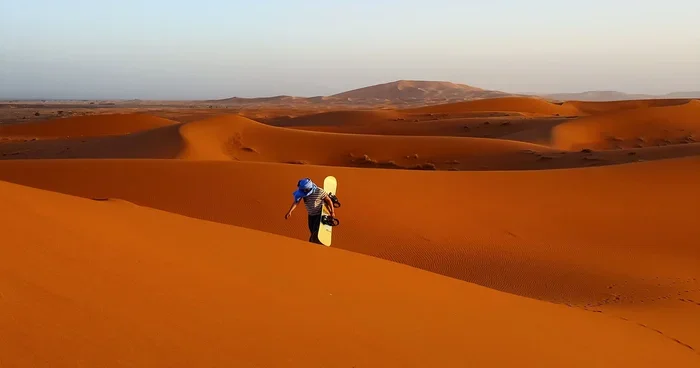
Picture this: you’re standing atop a towering sand dune, golden grains shifting beneath your feet, the sun painting the horizon in brilliant shades of orange and pink. Behind you lies a vast, untouched desert stretching endlessly in every direction. This isn’t a dream; this is what awaits you on a private 2 day tour from Marrakech to Erg Chegaga.
The Sahara Desert has captivated human imagination for thousands of years. From ancient caravan traders to modern adventurers, people have crossed these sands seeking mystery, beauty, and connection with nature. Erg Chegaga, located in Morocco’s remote southern region, represents the last great frontier of authentic desert experiences. Unlike its more famous cousin Erg Chebbi, this dune sea remains largely unspoiled by mass tourism, offering visitors a genuine sense of exploration and discovery.
This comprehensive guide covers everything you need to know about planning, booking, and enjoying a private 2 day desert tour from Marrakech to Erg Chegaga. You’ll learn about the route, activities, accommodation options, costs, and insider tips that will transform your Moroccan adventure from ordinary to extraordinary. Whether you’re a solo traveler, romantic couple, or family seeking adventure, this tour promises memories that will last a lifetime.
Key Takeaways
- Remote Desert Location: Erg Chegaga is Morocco’s largest and most remote sand dune area, located about 60 km from M’Hamid El Ghizlane, offering an untouched desert experience compared to popular Erg Chebbi.
- Scenic Route Through Draa Valley: The journey passes through the stunning Draa Valley, featuring ancient kasbahs, palm groves, and traditional Berber villages that showcase authentic Moroccan culture.
- Camel Trekking Experience: Riding camels across golden dunes at sunset is a highlight of the tour, providing an authentic Saharan experience that has remained unchanged for centuries.
- Luxury Desert Camping: Modern desert camps offer comfortable beds, traditional Berber music, delicious cuisine, and stunning star-filled skies for a unique overnight experience.
- Atlas Mountains Crossing: The tour crosses the High Atlas Mountains via the spectacular Tizi n’Tichka pass, reaching elevations over 2,260 meters with panoramic viewpoints.
- Private and Customizable: Private tours allow flexible itineraries, personalized attention, comfortable 4×4 vehicles, and the freedom to stop at scenic locations and locations.
- Best Travel Season: October through April offers the most comfortable weather, with mild daytime temperatures and cool, pleasant desert nights ideal for camping.
📑 Table of Contents
- Understanding Erg Chegaga and Why It Stands Apart
- The Complete Journey: What to Expect on Day One
- Experiencing the Sahara: Activities and Moments on Day Two
- Planning Your Tour: Practical Information and Tips
- What Makes This Tour Truly Special
- Common Questions and Concerns Addressed
- Conclusion: Your Sahara Adventure Awaits
Understanding Erg Chegaga and Why It Stands Apart
When travelers think of Morocco’s Sahara Desert, most picture the towering dunes of Erg Chebbi near Merzouga. However, Erg Chegaga offers something far more precious: solitude. This remote dune sea sits approximately 60 kilometers from the nearest town, M’Hamid El Ghizlane, and requires a thrilling 4×4 drive through rocky plateaus and ancient dried riverbeds to reach. The journey itself becomes an adventure, with landscapes that feel lunar in their otherworldly beauty.
The Geography and Scale of Erg Chegaga
Erg Chegaga stretches across roughly 40 kilometers of continuous sand dunes, with some peaks reaching heights of 50 meters. That’s taller than a 15-story building. The dunes formed over thousands of years as wind shaped fine Sahara sand into the wave-like patterns you see today. These massive sand mountains shift gradually with prevailing winds, creating an ever-changing landscape that never looks quite the same twice.
The region lies within the Sahara, the world’s largest hot desert, covering approximately 9 million square kilometers across North Africa. To put that in perspective, the Sahara is roughly the size of the United States or China. Yet within this vast expanse, Erg Chegaga occupies a special place as one of Morocco’s two major dune systems, distinguished by its remoteness and pristine condition.
Comparing Erg Chegaga to Erg Chebbi
Think of it this way: if Erg Chebbi is a popular beach resort, then Erg Chegaga is a hidden tropical island. Both offer stunning sand dunes and desert experiences, but they cater to very different preferences. Erg Chebbi features paved roads leading directly to the dunes, multiple luxury camp options, and can see hundreds of visitors daily during peak season. Erg Chegaga, by contrast, requires rugged 4×4 transportation through unpaved terrain, has fewer camps, and often feels like you have the entire desert to yourself.
The choice between the two depends on what you value most. If you prioritize convenience, accessibility, and bustling tourist amenities, Erg Chebbi might suit you better. If you crave authentic adventure, pristine landscapes, and the feeling of genuine exploration, Erg Chegaga is unmatched.
The Complete Journey: What to Expect on Day One
A private 2 day tour from Marrakech to Erg Chegaga begins with an early morning departure, typically between 7:00 and 8:00 AM. The reason for early starts is twofold: avoiding afternoon heat during summer months and maximizing daylight hours for sightseeing. Your driver and guide will pick you up directly from your hotel or riad in Marrakech in a comfortable, air-conditioned 4×4 vehicle designed for both highway comfort and off-road adventure.
Visual guide about Erg Chegaga desert dunes sunset
Image source: c8.alamy.com
Crossing the High Atlas Mountains
The first major leg of your journey takes you south through the High Atlas Mountains, Morocco’s dramatic mountain range that separates the coastal cities from the desert interior. The drive climbs steadily through winding roads, passing through traditional Berber villages where farmers have tended terraced fields for centuries. The route crosses the famous Tizi n’Tichka pass at 2,260 meters (7,415 feet), offering spectacular panoramic views of valleys and peaks stretching to the horizon.
Did you know that the Atlas Mountains form a chain extending approximately 2,500 kilometers across northwestern Africa? The range creates a natural barrier that influences Morocco’s climate, separating the relatively wet northern regions from the arid desert south. This crossing alone provides countless photo opportunities, with stops at viewpoints where you can capture the rugged beauty of North Africa’s most impressive mountain landscape.
Exploring Ait Ben Haddou and Ouarzazate
After descending from the mountains, the route passes through Ouarzazate, often called the “Gateway to the Sahara.” This small city serves as a base for film studios and has appeared in numerous Hollywood productions including “Gladiator,” “Lawrence of Arabia,” and “Game of Thrones.” Most tours include a stop at the nearby Ait Ben Haddou, a UNESCO World Heritage Site featuring an ancient fortified village (ksar) with earthen clay architecture dating back to the 17th century.
Walking through Ait Ben Haddou feels like stepping back in time. The village sits along the former caravan route between Marrakech and Timbuktu, where traders once transported gold, salt, and slaves across the Sahara. Today, the site serves as both a working Berber village (some families still live within its walls) and a popular filming location that has shaped countless cinematic depictions of desert life.
The Draa Valley and Route to the Desert
Continuing south, the journey enters the Draa Valley, Morocco’s longest river valley. The Draa River stretches approximately 1,100 kilometers, though much of it runs underground through the desert. The valley floor bursts with palm groves containing over 20 varieties of dates, creating an unexpected green corridor through otherwise arid landscapes. Traditional kasbahs (fortified houses) dot the landscape, their distinctive towers and earthen walls standing as monuments to the region’s powerful families of centuries past.
The road eventually reaches Zagora, a small desert town that marks the transition from paved highway to rough desert tracks. Here, you’ll stop for lunch at a traditional restaurant, sample authentic Moroccan dishes, and prepare for the final leg of your journey. Some tours also include visits to local cooperatives where you can see how desert communities produce goods like rose water, argan oil, or traditional textiles.
Arrival at M’Hamid and the 4×4 Desert Drive
M’Hamid El Ghizlane serves as the last outpost before the Sahara. This small town marks the end of the paved road and the beginning of true desert adventure. Here, you’ll transfer to specialized 4×4 vehicles (often Toyota Land Cruisers or similar) equipped for off-road desert travel. The drive from M’Hamid to Erg Chegaga covers roughly 60 kilometers but takes 2-3 hours due to challenging terrain including rocky plateaus, dried lake beds, and seasonal oueds (riverbeds).
During this final approach, you’ll experience some of the tour’s most surreal landscapes. The rocky hamada (stone desert) gives way to acacia forests, which gradually thin as you approach the dune sea. Some tours include stops at fossil sites where you can find ancient marine remains, evidence that this desert was once underwater millions of years ago. It’s a humbling reminder of how dramatically landscapes can change over geological time.
Sunset Camel Trek and Desert Camp Arrival
The highlight of day one arrives as you reach the edge of Erg Chegaga. Here, camels await to carry you into the dune sea for the final stretch to your desert camp. Yes, you’ll actually ride a camel, just like the traders and travelers who crossed this desert for thousands of years. These “ships of the desert” can carry 200+ kilograms and travel 40+ kilometers daily, making them perfectly adapted to harsh desert conditions.
Camel trekking to camp typically takes 45-60 minutes, timed perfectly to reach the dunes as the sun begins its dramatic descent. Watching sunset over the Sahara is a genuinely transformative experience. The sky transforms through shades of yellow, orange, pink, and purple, while the sand dunes cast long shadows that shift and deepen. Professional guides know the best vantage points for capturing stunning photographs during this magical hour.
Your overnight accommodation ranges from traditional Berber nomad-style camps to luxury desert camps featuring private en-suite tents, comfortable beds, and modern amenities. Even basic camps provide everything you need: warm showers, traditional meals, and the chance to sleep under stars you’ll swear are close enough to touch.
Experiencing the Sahara: Activities and Moments on Day Two
Waking in the Sahara Desert is unlike any other morning experience. The silence is profound, broken only by gentle desert winds and the distant calls of camels. Pre-dawn temperatures often require warm clothing, even when daytime temperatures soar. Most camps offer early wake-up calls for guests who want to climb nearby dunes for sunrise, arguably even more spectacular than the sunset you witnessed the previous evening.
Sunrise Over the Dunes
Sunrise in the Sahara creates a completely different atmosphere from sunset. While sunset feels like a dramatic performance with vibrant colors, sunrise offers subtle beauty with soft pastels and gentle illumination. The dunes gradually emerge from darkness as light creeps across the landscape, revealing textures, patterns, and shadows invisible during other times of day. Many travelers consider sunrise their favorite moment of the entire tour.
After sunrise, you’ll return to camp for a traditional Berber breakfast featuring fresh bread, olive oil, honey, dates, mint tea, and other local specialties. Dining in the desert is its own adventure, with meals prepared by camp staff over open fires using traditional methods. The simplicity of desert food, combined with the extraordinary setting, makes every meal feel special.
Optional Desert Activities
Depending on your tour operator and preferences, day two may include several optional activities before beginning the return journey:
- Sandboarding: Gliding down dune slopes on specially designed boards, similar to snowboarding but on sand
- Quad biking: Riding all-terrain vehicles across desert terrain for an adrenaline-fueled adventure
- 4×4 excursions: Exploring remote areas of the dune sea inaccessible by camel
- Berber music performances: Traditional drumming and singing around campfires in the evening
- Stargazing: The Sahara offers some of the world’s best night sky viewing due to minimal light pollution
- Visiting nomadic families: Some tours include authentic cultural exchanges with Berber nomadic communities
The Sahara’s night sky is genuinely awe-inspiring. With no cities for hundreds of kilometers, the Milky Way appears as a brilliant river of stars, and you can see thousands of stars with the naked eye. Amateur astronomers often describe desert stargazing as life-changing, offering perspective on humanity’s small place in the universe.
The Return Journey to Marrakech
After breakfast and optional morning activities, you’ll begin the journey back to Marrakech. The return route often varies slightly from the outbound path, sometimes including additional stops or alternative scenic routes. The drive back takes approximately 9-10 hours total, with multiple stops for meals, sightseeing, and rest breaks.
Most operators schedule arrival in Marrakech for early evening, typically between 6:00 and 8:00 PM. This timing allows you to enjoy a final dinner in the city, perhaps experiencing traditional Moroccan cuisine at one of the famous restaurants in the medina or modern districts. Many travelers find themselves reflecting on their desert experience during this return journey, processing the profound beauty and cultural richness they’ve encountered.
Planning Your Tour: Practical Information and Tips
Successful desert tours require some advance planning. Understanding the logistics, costs, and practical considerations will help you choose the right tour operator and prepare appropriately for this adventure.
Best Time to Visit
The optimal season for a private 2 day tour from Marrakech to Erg Chegaga runs from October through April. During these months, daytime temperatures remain comfortable (20-28°C or 68-82°F), while desert nights are pleasantly cool (5-15°C or 41-59°F). This temperature range makes outdoor activities enjoyable and sleeping comfortable.
Summer months (June-August) bring extreme heat, with desert temperatures often exceeding 45°C (113°F) during daytime. While some travelers don’t mind this heat, it makes activities less pleasant and increases health risks. Winter months (December-February) can bring surprisingly cold desert nights, sometimes dropping below freezing, but offer excellent visibility and fewer crowds.
Did you know that Sahara Desert temperatures show the largest daily variations on Earth? Because sand heats rapidly during the day and releases heat quickly at night, temperature swings of 30°C (54°F) within 24 hours are common. This is why proper clothing layers are essential for desert travel regardless of season.
What to Pack and Wear
Packing appropriately makes the difference between an enjoyable adventure and a miserable experience. Here’s what experienced desert travelers recommend:
- Clothing layers: Mornings and evenings require warm jackets; midday requires light, breathable fabrics
- Sun protection: Wide-brimmed hats, sunglasses with UV protection, and high-SPF sunscreen are essential
- Comfortable footwear: Closed-toe shoes for rocky terrain; sandals work fine at camp
- Headscarf or shemagh: Traditional desert wear that protects from sun and sand
- Camera equipment: Extra batteries and memory cards; desert conditions drain batteries faster
- Personal medications: Including any motion sickness remedies for the mountain roads
- Reusable water bottle: Staying hydrated is crucial even in cooler weather
- Small backpack: For carrying essentials during camel treks and dune climbs
Tour Costs and What’s Included
Private 2 day tour prices from Marrakech to Erg Chegaga typically range from €150-€400 per person, depending on accommodation level, group size, and operator reputation. Luxury tours with high-end desert camps, premium vehicles, and exclusive experiences can cost €500+ per person. Budget tours with basic camping and shared transport may cost less, though private tours generally start around €200.
Standard inclusions in reputable tours cover:
- Private air-conditioned 4×4 vehicle with experienced driver/guide
- Fuel and transportation costs
- One night’s desert camp accommodation
- All meals during the tour (lunch, dinner, breakfast)
- Camel trekking to and from camp
- Hotel pickup and drop-off in Marrakech
- Stops at major attractions along the route
Typically not included: drinks (though water and tea are usually provided), entrance fees to certain sites, tips for guides and camp staff (recommended €10-20 total), personal expenses, and travel insurance.
Choosing a Reputable Tour Operator
Selecting the right tour operator dramatically impacts your experience. Look for companies with strong reviews on platforms like TripAdvisor, GetYourGuide, or Viator. Established local operators often provide more authentic experiences than large international companies. When evaluating operators, consider:
- Experience and reputation: How long has the company operated? What do previous customers say?
- Vehicle quality and safety: Are vehicles well-maintained with proper safety equipment?
- Guide knowledge: English, French, or Spanish-speaking guides with good local knowledge
- Camp standards: Quality of accommodation, food, and amenities at the desert camp
- Flexibility: Will they customize the itinerary to your preferences?
- Transparent pricing: Clear breakdown of what’s included and any additional costs
- Safety protocols: Insurance coverage, emergency procedures, and vehicle backup plans
What Makes This Tour Truly Special
Beyond the practical logistics and stunning scenery, what transforms this tour from a simple vacation into a life-changing experience? The answer lies in the unique combination of elements that engage all your senses and challenge your perspectives.
Connection with Ancient Trade Routes
Every step of this journey follows paths that caravan traders used for over a thousand years. These same routes transported goods, ideas, religions, and cultures across the Sahara, connecting sub-Saharan Africa with the Mediterranean world. Walking (or riding camels) where ancient traders once traveled creates a profound sense of historical continuity that’s difficult to replicate elsewhere.
The trans-Saharan caravan trade peaked between the 8th and 16th centuries, with routes carrying gold, salt, slaves, textiles, and manuscripts. Cities like Timbuktu, Gao, and Sijilmasa flourished as major trading hubs. While modern transportation has replaced caravans, the routes remain, and traveling them provides insight into how geography shaped human history.
Berber Culture and Hospitality
Morocco’s indigenous Berber (Amazigh) people have inhabited North Africa for over 4,000 years, long before Arab arrivals. Throughout your journey, you’ll encounter Berber culture expressed through architecture, language, music, food, and customs. The Berber concept of hospitality is legendary; guests are considered sacred, and hosts spare no effort to ensure visitors feel welcome.
Experiencing this hospitality firsthand, whether sharing mint tea with a desert family, listening to traditional music at your camp, or learning a few Berber phrases from your guide, creates cultural connections that transcend typical tourism. Many travelers describe these human moments as the most memorable parts of their desert adventure.
The Psychology of Desert Solitude
Spending time in vast, empty landscapes like Erg Chegaga affects people in unexpected ways. Without the constant distractions of modern life, without crowds or noise, your mind begins to process experiences differently. Many travelers report feelings of peace, clarity, and perspective that they struggle to find in everyday life. The desert strips away pretense and reveals what’s essential.
This psychological effect has been recognized for centuries. Desert mystics, philosophers, and spiritual seekers from multiple traditions have retreated to such landscapes seeking clarity and connection with something greater than themselves. You don’t need to be spiritual to benefit from this experience; simply being present in such an environment opens possibilities for reflection unavailable in busier settings.
Common Questions and Concerns Addressed
First-time desert travelers often have similar questions and concerns. Addressing these proactively helps you prepare mentally and practically for your adventure.
Is the Journey Safe?
Yes, the journey is generally very safe for tourists. Morocco welcomes millions of visitors annually, and desert tourism is a well-established industry with professional operators. The main safety considerations are driving quality on mountain roads (which experienced drivers handle expertly), sun exposure (manageable with proper preparation), and staying hydrated. Reputable tour operators maintain properly equipped vehicles and trained drivers familiar with the routes.
How Physically Demanding Is This Tour?
The tour requires moderate physical fitness but isn’t overly strenuous. The main physical demands include climbing sand dunes (which is harder than it looks due to soft sand), sitting for long periods during drives, and adjusting to temperature variations. Camel trekking is gentle and suitable for most fitness levels. If you have mobility concerns, discuss them with your tour operator in advance; most can accommodate various needs.
What About Internet and Communication?
Expect to be largely disconnected from the internet during the desert portion of your tour. Mobile phone coverage disappears once you leave M’Hamid, and there’s no Wi-Fi at desert camps. This digital detox is actually one of the tour’s unexpected pleasures for many travelers. If you need to stay connected for emergencies, most camps have satellite phones, and your driver can help arrange communication if necessary.
Can Children Participate in This Tour?
Children aged 5-6 and above generally handle this tour well, though parents should consider their children’s stamina and patience for travel days. The long drives can be challenging for very young children. However, many families find the experience educational and memorable for older kids and teenagers. Camel riding is suitable for children when properly supervised, and desert camps often accommodate families with special arrangements.
Conclusion: Your Sahara Adventure Awaits
A private 2 day tour from Marrakech to Erg Chegaga represents far more than a tourist excursion. It’s an immersion into one of Earth’s most extraordinary environments, a journey through thousands of years of human history, and an opportunity to disconnect from modern life’s constant demands. From the towering Atlas Mountains to the endless Sahara dunes, from ancient kasbahs to starlit desert skies, every moment offers something memorable.
The combination of cultural depth, natural beauty, adventure, and genuine hospitality creates experiences that resonate long after you’ve returned home. Whether you’re seeking romantic moments with a partner, family bonding through shared adventure, or solo exploration and reflection, this tour delivers on multiple levels. The memories you create watching sunset over the dunes, riding camels through the Sahara, sleeping under stars, and connecting with Berber culture will stay with you forever.
Morocco has welcomed travelers for centuries, and the Sahara continues to captivate all who venture into its vast, golden landscapes. The question isn’t whether you should take this tour, but rather when you’ll book it. The desert awaits, ready to share its secrets with those willing to make the journey. Your Moroccan adventure begins with a single decision to explore one of the world’s most remarkable destinations.
Start planning your private 2 day tour from Marrakech to Erg Chegaga today. Research reputable operators, choose your preferred accommodation level, pack appropriately, and prepare for an adventure that will exceed your expectations. The Sahara has been welcoming travelers for millennia, and now it’s ready to welcome you.