
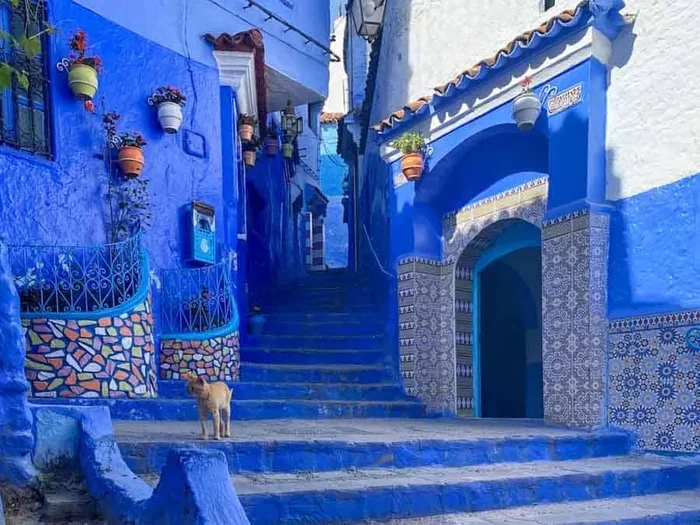
Featured image for Blue city Chefchaouen Morocco
Image source: travelnotesandbeyond.com
A Marrakech to Chefchaouen 15 day tour is the ultimate way to experience Morocco’s diverse landscapes and rich culture in one unforgettable journey. This comprehensive route takes you from the vibrant souks of Marrakech through the Atlas Mountains, into the Sahara Desert, and finally to the iconic blue streets of Chefchaouen in the Rif Mountains. Perfect for travelers seeking adventure, history, and authentic Moroccan experiences, this 15-day adventure covers approximately 1,500 kilometers of scenic routes, UNESCO World Heritage Sites, and countless photo opportunities.
Picture this: you’re standing in the bustling Jemaa el-Fnaa square in Marrakech, surrounded by snake charmers, sizzling food stalls, and the calls to prayer echoing across the medina. Now imagine that same journey ending two weeks later in the serene, blue-washed streets of Chefchaouen, where cats nap on pastel doorsteps and the only sound is the trickle of water from mountain springs. That’s exactly what a Marrakech to Chefchaouen 15 day tour offers, and trust me, it’s the trip of a lifetime.
Morocco packs an incredible amount of diversity into a country roughly the size of California. In just 15 days, you’ll traverse four mountain ranges, cross valleys that look like they’re from another planet, sleep under stars in the Sahara, and wander through some of the world’s most ancient medinas. This isn’t just a vacation; it’s a full sensory immersion that challenges everything you thought you knew about North Africa.
Did You Know? Morocco received a record-breaking 17.4 million tourists in 2024, with multi-city tours like this one becoming increasingly popular. The route from Marrakech to Chefchaouen has been called “the grand tour of Morocco” because it literally covers every major highlight the country has to offer. Whether you’re a history buff, foodie, photographer, or adventure seeker, this 15-day itinerary delivers on every front.
Key Takeaways
- Duration & Distance: A 15-day tour covers roughly 1,500-1,800 km, with 8-10 hours of driving on certain travel days between major destinations.
- Key Stops Include: Marrakech, Ait Benhaddou, Ouarzazate, Todra Gorge, Merzouga Sahara, Fes, Meknes, Volubilis, and Chefchaouen.
- Best Travel Season: March-May and September-November offer the most comfortable temperatures ranging from 20-28°C (68-82°F).
- Budget Range: Expect to spend between $1,200-$3,500 per person depending on accommodation choices (riads vs. luxury hotels).
- Camel Trek Duration: The Sahara camel trek typically lasts 1-2 hours, with overnight stays in Berber desert camps.
- Cultural Highlights: Visit 4 UNESCO World Heritage Sites including Medina of Fes, Ait Benhaddou, and Volubilis Roman ruins.
- Language Tip: Learning basic Arabic or Berber greetings like “Salaam Alaikum” dramatically enhances local interactions.
📑 Table of Contents
- Why Choose a 15 Day Tour from Marrakech to Chefchaouen?
- Complete 15 Day Itinerary: Day-by-Day Breakdown
- What to Pack for Your 15 Day Morocco Adventure
- Budget Breakdown and Cost Expectations
- Best Time to Book Your Marrakech to Chefchaouen 15 Day Tour
- Cultural Etiquette and Insider Tips
- Choosing the Right Tour Operator
- Final Thoughts: Why This Journey Changes You
Why Choose a 15 Day Tour from Marrakech to Chefchaouen?
You might be wondering: why 15 days specifically? Well, Morocco rewards slow travelers. While you could blast from Marrakech to Chefchaouen in about 8-9 hours by car, you’d miss absolutely everything that makes Morocco magical. The 15-day format gives you breathing room to actually experience each destination rather than just photographing it from a bus window.
The Perfect Balance of Adventure and Relaxation
Think of this tour like a well-paced movie. The opening act in Marrakech hits you with sensory overload. The middle builds through dramatic landscapes and cultural depth. The finale in Chefchaouen provides a peaceful, reflective ending. You need those 15 days to let each scene breathe.
Here’s a quick breakdown of why this duration works so well:
- Distance Reality: Morocco’s roads are winding and mountainous. What looks like 200 km on a map often takes 4-5 hours.
- Altitude Adjustments: You’ll cross passes over 2,000 meters (6,500 feet). Your body needs time to acclimate.
- Cultural Immersion: Markets operate on specific days. Some medinas need two full days to explore properly.
- Desert Timing: Sahara treks require at least one full day and night to be worthwhile.
Did You Know? Studies show that travelers who spend 10+ days in a destination report 73% higher satisfaction rates compared to those rushing through in 5 days. Morocco is no exception.
Who Is This Tour Perfect For?
This isn’t a one-size-fits-all experience. A Marrakech to Chefchaouen 15 day tour attracts a specific type of traveler, and you might just be one of them:
- First-time Morocco visitors who want comprehensive coverage without missing major highlights
- Photography enthusiasts seeking diverse landscapes from deserts to mountains to coastlines
- History lovers fascinated by Berber, Arab, and Roman heritage
- Slow travel advocates who prefer depth over speed
- Couples and small groups looking for romantic, Instagram-worthy experiences
- Solo travelers wanting the safety and structure of a guided tour
Complete 15 Day Itinerary: Day-by-Day Breakdown
Now let’s get into the meat and potatoes, or should I say, the tagine and couscous. Here’s exactly how your two weeks unfold. I’m laying this out day by day so you know precisely what to expect, though remember that weather, road conditions, and local events can cause minor adjustments.
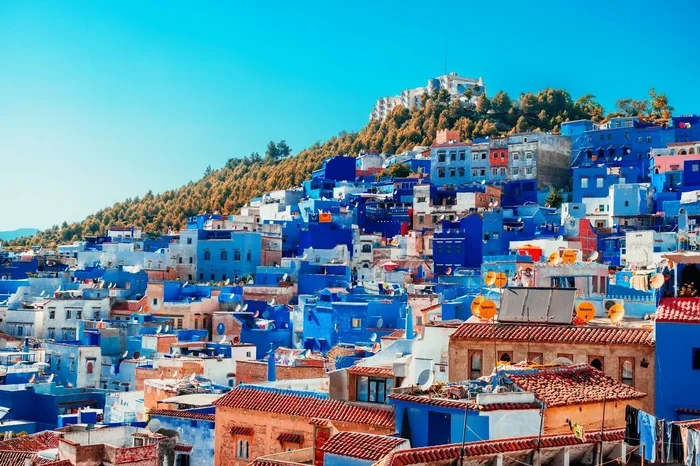
Visual guide about Blue city Chefchaouen Morocco
Image source: morocco-excursion.com
Days 1-2: Exploring Marrakech
Your Marrakech to Chefchaouen 15 day tour kicks off in Morocco’s “Red City.” Marrakech got its nickname from the distinctive red sandstone used in its old buildings, and standing in the medina feels like stepping into a living museum.
Day 1 highlights:
- Arrival and hotel check-in (typically in the medina or Gueliz district)
- Afternoon exploration of Jemaa el-Fnaa square
- Welcome dinner at a traditional riad
- Optional hammam experience
Day 2 highlights:
- Morning visit to Majorelle Garden and YSL Museum
- Tour of Bahia Palace and Saadian Tombs
- Lunch in the souks (try the famous mechoui)
- Afternoon at the Ben Youssef Madrasa
Did You Know? The Majorelle Garden contains over 300 plant species from five continents and was saved from development by Yves Saint Laurent in 1980.
Days 3-4: Atlas Mountains and Ait Benhaddou
On day 3, you leave the city behind and climb into the High Atlas Mountains via the spectacular Tizi n’Tichka pass at 2,260 meters (7,415 feet). The drive itself is jaw-dropping, with switchback roads revealing valleys, Berber villages, and snow-capped peaks depending on the season.
Your first major stop is the UNESCO World Heritage Site of Ait Benhaddou, a fortified village (ksar) that looks like it was plucked from a Lawrence of Arabia film set. Spoiler alert: it actually appeared in Gladiator, Game of Thrones, and numerous other productions.
Day 4 takes you through Ouarzazate, known as the “Hollywood of Africa,” before heading to the stunning Todra Gorge or Dades Valley, where canyon walls rise 400 meters (1,300 feet) on either side of you.
Days 5-6: The Sahara Desert Experience
This is the moment most travelers anticipate: reaching the Sahara Desert in Merzouga. The journey takes you through increasingly arid landscapes until suddenly, towering sand dunes appear on the horizon. The Erg Chebbi dunes reach up to 150 meters (500 feet) high.
Day 5 highlights:
- Drive through the Valley of the Roses
- Stop in Tinghir or Erfoud (fossil mining region)
- Arrival at Merzouga by late afternoon
- Camel trek into the desert (approximately 90 minutes)
- Overnight in a luxury or traditional Berber camp
Day 6 highlights:
- Sunrise over the dunes (prepare for early wake-up call)
- Optional sandboarding or 4×4 dune bashing
- Return to Merzouga and lunch
- Begin journey north toward Fes via the Ziz Valley
Did You Know? The Sahara covers 9.2 million square kilometers across 11 countries, but the Erg Chebbi section in Morocco is one of only a few places where you can actually see massive sand dunes. Most of the Sahara is actually rocky or gravelly plains.
Days 7-9: Fes – Morocco’s Cultural Capital
Fes (or Fez) is often considered the intellectual and spiritual heart of Morocco. Founded in 789 AD, it’s home to the world’s oldest continuously operating university, the University of al-Qarawiyyin, established in 859 AD.
The Fes medina is a labyrinth of 9,400 alleys containing mosques, madrasas, tanneries, and souks. You’ll need a local guide to navigate it, or you’ll get wonderfully lost for hours.
Must-see Fes attractions:
- Chouara Tanneries (the iconic leather dyeing pits)
- Al-Qarawiyyin University and Mosque
- Bou Inania Madrasa
- Nejjarine Museum of Wooden Arts
- Bab Boujloud (Blue Gate)
You’ll spend about 2-3 days in Fes, which is the right amount of time to absorb the chaos and beauty of this ancient city without going completely mad.
Days 10-11: Meknes, Volubilis, and the Roman Connection
On day 10, you typically take a day trip from Fes to explore Meknes and Volubilis. Meknes is another imperial city, less touristy than Marrakech or Fes, with stunning gates like Bab Mansour and the Mausoleum of Moulay Ismail.
Volubilis is the highlight: extensive Roman ruins dating back to the 3rd century BC. You can walk among remarkably preserved mosaics, columns, and triumphal arches. The site is a UNESCO World Heritage Site and gives you goosebumps when you realize how old it actually is.
Did You Know? Volubilis was the Roman Empire’s most remote outpost, and at its peak had 20,000 inhabitants. The mosaic floors still visible today are nearly 2,000 years old.
Days 12-14: The Journey to Chefchaouen
From Fes, the final leg of your Marrakech to Chefchaouen 15 day tour heads west through increasingly mountainous terrain. Chefchaouen sits in the Rif Mountains at about 600 meters (2,000 feet) elevation, and the drive takes roughly 4-5 hours with stops.
You’ll pass through small towns like Ouazzane and cross into the Chefchaouen Province, where the landscape transforms into lush, green hills. It’s a stark contrast to the desert you visited just days earlier.
Chefchaouen highlights (Days 12-14):
- Wander the famous blue-washed medina streets
- Visit the Spanish Mosque for panoramic sunset views
- Hike to the Ras el-Maa waterfall
- Explore Plaza Uta el-Hammam and the Kasbah Museum
- Shop for woven goods and goat cheese (the local specialty)
Why is Chefchaouen blue? Theories range from Jewish refugees in the 1930s painting it blue to symbolize the sky and heaven, to practical reasons like keeping mosquitoes away, to simply aesthetic tradition. Whatever the reason, it’s now one of the most photographed places on Earth.
Day 15: Departure and Final Reflections
Your final day typically involves a leisurely breakfast, last-minute souvenir shopping (those woven blankets and leather goods are calling your name), and transfer to either Tangier or Fes airport depending on your flight arrangements.
As you leave Chefchaouen, you’ll likely feel a mix of exhaustion and profound gratitude. You’ve traveled through deserts, mountains, ancient cities, and everything in between. The Marrakech to Chefchaouen 15 day tour doesn’t just show you Morocco; it makes you understand it.
What to Pack for Your 15 Day Morocco Adventure
Packing for Morocco requires some thought, especially since you’ll experience everything from desert heat to mountain chills. Here’s your practical checklist.
Clothing Essentials
The golden rule: modesty and layers. Morocco is a Muslim country, and while you don’t need to cover your head, covering shoulders and knees in religious sites is respectful. Pack lightweight, breathable fabrics that cover your arms and legs.
- Lightweight long pants: 2 pairs for variety
- Long-sleeved shirts: 3-4 in breathable cotton or linen
- Light jacket or fleece: Essential for mountain evenings and desert nights
- Warm layer: Desert camps can get surprisingly cold at night (5-10°C / 40-50°F)
- Modest dress for women: A scarf or shawl that doubles as a blanket
- Comfortable walking shoes: Medina stones are unforgiving on flip-flops
- Sandals for the desert: Closed-toe is better for camel trekking
Health and Practical Items
- Sunscreen (SPF 50): The Moroccan sun is intense, especially in the Sahara
- Lip balm with SPF: Desert air dries you out fast
- Reusable water bottle: Tap water isn’t safe; stay hydrated
- Hand sanitizer and wet wipes: Bathrooms aren’t always stocked
- Basic first aid kit: Band-aids, pain relievers, anti-diarrheal medication
- Headlamp or flashlight: Medina alleys are dark at night
- Universal power adapter: Morocco uses Type C and E plugs
Did You Know? Morocco sits at the same latitude as California but has more extreme temperature variations due to its diverse topography. In a single day, you might experience 35°C (95°F) in the desert and 15°C (59°F) in the mountains.
Budget Breakdown and Cost Expectations
Let’s talk money, because nobody wants budget surprises mid-trip. A 15-day Morocco tour typically costs between $1,200 and $3,500 per person, depending on your choices.
What’s Usually Included
Most organized Marrakech to Chefchaouen 15 day tour packages include:
- All accommodation (mid-range riads or hotels)
- Daily breakfast and select dinners
- Private or group transportation in air-conditioned vehicle
- English-speaking driver/guide
- Camel trek in the Sahara
- Desert camp accommodation
What Costs Extra
- International flights (typically $400-$900 from North America/Europe)
- Lunches ($5-$15 per meal)
- Entry fees to monuments ($1-$10 per site)
- Tips for guides and drivers ($10-$15 per day total is standard)
- Alcohol (limited availability outside licensed restaurants)
- Shopping and souvenirs (prices vary wildly)
Pro tip: Haggling is expected in Moroccan souks. Start at 40-50% of the asking price and negotiate upward. It’s a cultural dance, not an insult.
Best Time to Book Your Marrakech to Chefchaouen 15 Day Tour
Timing can make or break your Morocco experience. Here’s the honest breakdown.
Peak Season: March-May and September-November
These shoulder seasons offer the sweet spot of pleasant temperatures (20-28°C / 68-82°F) and minimal rainfall. The desert is comfortable for camel trekking, and mountain passes remain accessible. October is particularly magical because harvest season brings festivals and fresh produce everywhere.
Summer (June-August): The Challenge
Desert temperatures regularly exceed 45°C (113°F). While some travelers brave the heat for fewer crowds, it’s not recommended for your first Morocco visit. The medinas feel suffocating, and the Sahara can be genuinely dangerous during midday heat waves.
Winter (December-February): The Surprise Option
Winter brings snow to the Atlas Mountains and surprisingly cold desert nights. Daytime temperatures remain mild (15-20°C / 59-68°F), but nighttime in the Sahara can drop below freezing. Some mountain passes close temporarily, but overall, winter is underrated for cultural immersion.
Did You Know? Morocco’s tourism statistics show that tour bookings during shoulder seasons (spring and fall) have increased 34% since 2022, as travelers seek better weather and fewer crowds.
Booking Timing Recommendation
Book your tour 3-6 months in advance for peak season. This ensures better accommodation options, especially for popular riads. Last-minute bookings are possible but limit your choices significantly.
Cultural Etiquette and Insider Tips
Morocco is welcoming to tourists, but understanding local customs makes your experience infinitely richer. Think of these tips as your cultural passport.
Religious and Social Customs
- Greetings matter: “Salaam Alaikum” (peace be upon you) goes a long way
- Use your right hand: For eating, greeting, and passing items
- Ask before photographing people: Especially women and elderly individuals
- Friday is sacred: Many shops close during midday prayers
- Ramadan considerations: Eating publicly during daylight is disrespectful
Food Adventures You Must Try
Moroccan cuisine is a highlight of any 15-day tour. Don’t leave without sampling:
- Tagine: Slow-cooked stew named after the conical clay pot
- Couscous: Traditionally served on Fridays with vegetables and meat
- Mechoui: Slow-roasted lamb that’s literally falling off the bone
- Harira: Hearty tomato-based soup, especially during Ramadan
- Pastilla: Sweet and savory pie combining pigeon or chicken with almonds
- Moroccan mint tea: The national drink, poured from impressive heights
Did You Know? Mint tea in Morocco is traditionally poured from a height of 30+ centimeters to create a foam on top. The higher the pour, the more respect shown to the guest. This technique also cools the tea slightly.
Photography and Souvenirs
Chefchaouen is a photographer’s dream, but remember to be respectful. Don’t photograph people’s homes up close without permission, and avoid blocking narrow medina alleys. As for souvenirs, authentic items include:
- Hand-woven Berber carpets and rugs
- Leather goods from Fes
- Argan oil (from the unique argan tree, found only in Morocco)
- Spice blends like ras el hanout
- Traditional djellabas and kaftans
- Hand-painted ceramics from Chefchaouen
Choosing the Right Tour Operator
The success of your Marrakech to Chefchaouen 15 day tour heavily depends on your operator. Not all tours are created equal.
What to Look For in a Reputable Operator
- Verified reviews: Check TripAdvisor and Google Reviews independently
- Local expertise: Companies based in Morocco offer better prices and insider access
- Small group sizes: 4-8 people maximum for a personalized experience
- Flexible itineraries: Some customization options based on your interests
- Transparent pricing: No hidden fees or surprise charges
- Licensed guides: Official certification ensures quality and ethics
Red Flags to Avoid
- Prices that seem too good to be true (usually are)
- Large group tours (15+ people) with rushed itineraries
- Operators without clear contact information or physical addresses
- Pressure to book immediately with “limited time” offers
- No mention of insurance or safety protocols
Pro tip: Reputable Moroccan tour companies often partner with international booking platforms. Look for operators with verified badges and detailed customer feedback spanning multiple years.
Final Thoughts: Why This Journey Changes You
There’s something transformative about a Marrakech to Chefchaouen 15 day tour that goes beyond vacation photos. You start as a tourist checking off a bucket list destination, and you end as someone who genuinely understands a culture vastly different from your own.
You learn that time moves differently in the medinas, where shopkeepers invite you for tea not to sell you something but simply to share conversation. You discover that the call to prayer isn’t just a sound but a rhythm that structures an entire society. You realize that hospitality in Morocco isn’t transactional but genuinely warm.
From the chaotic energy of Marrakech’s Jemaa el-Fnaa to the peaceful blue streets of Chefchaouen, this 15-day journey covers more than geography. It covers the full spectrum of what makes travel meaningful: adventure, discomfort, beauty, connection, and growth.
So pack that sense of curiosity, leave your rigid expectations at home, and prepare for the trip that everyone you meet afterward will ask about. Morocco isn’t just a destination; it’s a teacher. And a Marrakech to Chefchaouen 15 day tour is your complete curriculum.
Ready to start planning? Begin by booking 3-6 months in advance, choose an operator that resonates with your travel style, and prepare for memories that will last far longer than the journey itself. Your Moroccan adventure awaits.
Frequently Asked Questions
How long does the drive from Marrakech to Chefchaouen take during a 15 day tour?
The direct driving distance is approximately 750 km, but a Marrakech to Chefchaouen 15 day tour breaks this journey into manageable 4-6 hour segments over several days, with stops in the Atlas Mountains, Sahara Desert, Fes, and Meknes. You don’t drive the entire distance in one go.
Is a 15 day tour from Marrakech to Chefchaouen suitable for families with children?
Yes, this tour works well for families with children aged 8 and above. The camel trek, desert camping, and mountain scenery captivate young travelers. However, families should ensure their tour operator provides appropriate vehicle safety, child-friendly meal options, and reasonable driving hours (typically less than 6 hours per day).
What is the best season for a Marrakech to Chefchaouen 15 day tour?
The optimal times are spring (March-May) and autumn (September-November) when temperatures range from 20-28°C (68-82°F). These seasons avoid the extreme summer heat in the Sahara (45°C+) and the cold winter nights in the desert, while still offering clear skies for photography and comfortable conditions for outdoor activities.
Do I need a visa for Morocco if I’m coming from the US or Europe?
Most Western nationalities, including US, UK, EU, Canadian, and Australian passport holders, can enter Morocco visa-free for stays up to 90 days. Your passport must be valid for at least 6 months beyond your entry date, and you may need to show proof of a return ticket and sufficient funds for your stay.
What level of fitness is required for this 15 day Morocco tour?
A moderate fitness level is sufficient. You’ll be walking 3-5 hours daily through medinas and historical sites, often on uneven cobblestones. The camel trek is gentle and suitable for most people. However, if you have mobility issues, inform your tour operator in advance so they can arrange appropriate accommodations and alternatives.
Can I customize the itinerary of a standard Marrakech to Chefchaouen tour?
Most reputable tour operators allow customizations like adding extra days in Chefchaouen, including cooking classes in Marrakech, visiting Essaouira on the coast, or adding hot air balloon rides. Customizations may affect pricing, but they’re generally flexible. Discuss modifications directly with your chosen operator before booking.