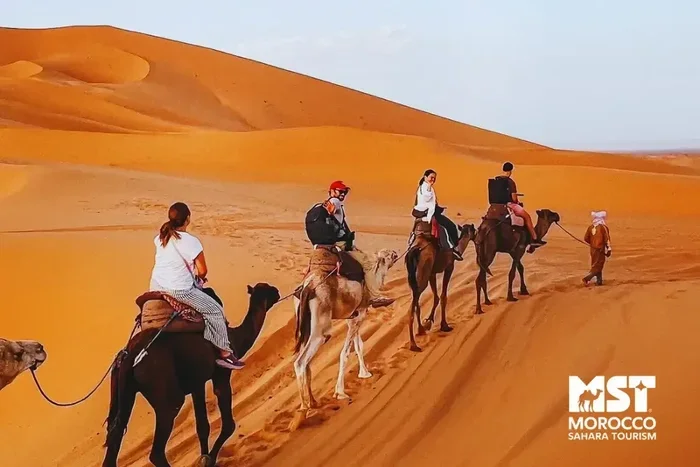
Featured image for Marrakech to Merzouga desert tour
Image source: moroccosaharatourism.com
A 9 day tour from Marrakech to Merzouga is the ultimate Moroccan adventure. This carefully planned journey takes you through the Atlas Mountains, ancient kasbahs, lush valleys, and ends with unforgettable camel rides and overnight stays in the Sahara Desert. Perfect for travelers who want to experience Morocco’s diverse landscapes, rich culture, and warm hospitality without feeling rushed.
Picture this: you’re standing at the edge of the Sahara Desert, golden dunes stretching endlessly toward the horizon. The sun is setting, painting the sky in shades of orange and purple. Behind you, a camel rests quietly. In front of you, nine days of memories await. That’s exactly what a 9 day tour from Marrakech to Merzouga promises, and trust me, it delivers on every front.
Morocco is one of those rare countries where every kilometer tells a different story. You might start your morning in a bustling medina filled with spices and leather goods, then end your day watching stars from a desert camp. The journey from Marrakech to Merzouga isn’t just a road trip. Think of it like flipping through a living storybook where each chapter reveals something magical.
But here’s the thing: rushing through this route would be a crime. The real magic happens in the slow moments, the unplanned stops, the conversations with locals, and the gradual shift from mountain air to desert warmth. Nine days gives you that perfect balance. You see the highlights without missing the hidden gems that make Morocco truly special.
Key Takeaways
- Duration & Distance: A 9 day Marrakech to Merzouga tour covers roughly 1,400 km, giving you time to explore without exhausting yourself.
- Best Time to Go: October through April offers the most pleasant weather for desert travel, with mild days and cool nights.
- Highlights Include: Ait Ben Haddou, Todra Gorge, Erfoud, camel treks, overnight desert camps, and the Draa Valley.
- Budget Range: Expect to pay between €800-€1,500 per person for a mid-range guided tour including accommodation and transport.
- Packing Essentials: Layered clothing, sun protection, warm desert nights gear, and a sense of adventure are must-haves.
- Group vs Private: Group tours are budget-friendly and social; private tours offer flexibility and personalized pacing.
- Cultural Experiences: Berber music, mint tea ceremonies, traditional tagine meals, and stargazing in the Sahara.
📑 Table of Contents
- What Exactly Is a 9 Day Tour from Marrakech to Merzouga?
- Why Choose a 9 Day Itinerary Instead of a Shorter One?
- What Are the Must-See Highlights on This Route?
- When Is the Best Time to Take This Tour?
- How Much Does a 9 Day Marrakech to Merzouga Tour Cost?
- What Should You Pack for a 9 Day Marrakech to Merzouga Tour?
- What Cultural Experiences Await on This Journey?
- How to Choose Between Group and Private Tours?
- What Are the Most Common Mistakes to Avoid?
- Final Thoughts: Is a 9 Day Marrakech to Merzouga Tour Worth It?
What Exactly Is a 9 Day Tour from Marrakech to Merzouga?
A 9 day tour from Marrakech to Merzouga is a guided or self-guided journey that takes you from the imperial city of Marrakech across some of Morocco’s most stunning landscapes, ending at the edge of the Sahara Desert near the Algerian border. It’s a loop or one-way adventure that includes cultural sites, natural wonders, and authentic Berber experiences.
Did You Know? Merzouga is home to Erg Chebbi, one of the world’s largest sand dunes, reaching heights of up to 150 meters. That’s taller than the Statue of Liberty!
The Route Overview
The journey typically follows a southern route through the Atlas Mountains. Here’s the general flow:
- Days 1-2: Explore Marrakech
- Day 3: Cross the Atlas Mountains via Tizi n’Tichka pass
- Day 4: Visit Ait Ben Haddou and Ouarzazate
- Day 5: Travel through the Valley of the Roses and Todra Gorge
- Day 6: Reach Merzouga and the Sahara Desert
- Day 7: Desert experiences and camel trekking
- Day 8: Return through the Draa Valley
- Day 9: Arrive back in Marrakech
Who Is This Tour For?
This tour suits almost everyone. Solo travelers find friends in group tours. Couples enjoy the romantic desert nights. Families love the variety of activities. Even seasoned travelers get surprised by how much Morocco offers. Basically, if you have nine days and a sense of curiosity, this tour is for you.
Why Choose a 9 Day Itinerary Instead of a Shorter One?
You might be wondering: why nine days? Why not squeeze it into five or stretch it to fourteen? The answer is simple: nine days is the sweet spot. It gives you enough time to truly experience each location without turning the trip into a marathon of bus rides.
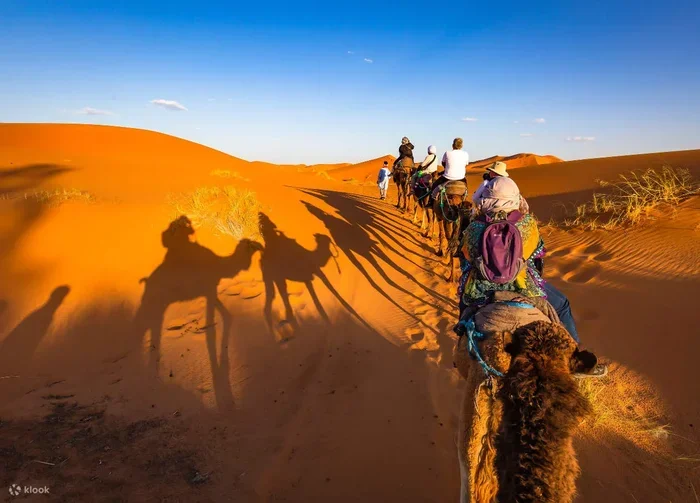
Visual guide about Marrakech to Merzouga desert tour
Image source: res.klook.com
Think of it like cooking a perfect meal. You need time for prep, cooking, and resting. A shorter tour is like fast food, quick but unsatisfying. A longer one might leave you feeling overwhelmed. Nine days is that slow-cooked tagine, rich, flavorful, and exactly what you need.
The Problem With Rushed Tours
Short tours often pack so many stops that you barely have time to breathe. You snap a photo, hop back on the bus, and move on. You don’t get to watch the sunset over the dunes. You don’t get to share mint tea with a Berber family. You don’t get to feel the place.
With nine days, you can wake up early to catch golden hour light over the Sahara. You can take a leisurely walk through Todra Gorge without watching the clock. You can linger in a kasbah and actually understand its history. That’s the difference.
The Sweet Spot of Nine Days
Nine days allows for comfortable travel distances. Most driving days are between 4-6 hours, which is manageable. You arrive at each destination with energy to explore, not exhaustion. Plus, you get two nights in the desert area, which is perfect for camel trekking and sandboarding.
Did You Know? The Moroccan government has invested heavily in road infrastructure, making the Marrakech to Merzouga route much smoother than it was even ten years ago. Some stretches now feature modern highways with stunning views.
What Are the Must-See Highlights on This Route?
This tour is packed with highlights. Let me walk you through the showstoppers, the places that will make your jaw drop and your camera work overtime.
Ait Ben Haddou: The Ancient Kasbah
Ait Ben Haddou is a UNESCO World Heritage Site that’s basically a movie star. This ancient fortified village has appeared in films like Gladiator, Lawrence of Arabia, and Game of Thrones. Walking through its narrow alleys feels like stepping back 800 years.
The mud-brick architecture is incredible. Every wall, every tower tells a story of trade caravans and desert survival. Climb to the highest point for panoramic views of the surrounding valley. Trust me, your photos will look like paintings.
Todra Gorge: Nature’s Cathedral
Imagine two massive rock walls reaching 400 meters high, with a narrow strip of sky above. That’s Todra Gorge. The walls are so close you can touch both sides in some spots. The river at the bottom has carved this masterpiece over millions of years.
It’s a hiker’s paradise. You can walk for kilometers through the canyon, with the rock faces changing colors as the sun moves. Morning light turns everything pink and gold. It’s the kind of place that makes you feel small in the best possible way.
Erg Chebbi: The Sahara Experience
This is the main event. Erg Chebbi’s dunes are legendary. Some stand as tall as 150 meters. The sand is so fine it feels like powder. When the wind blows, the dunes sing. Yes, they actually hum.
Camel trekking at sunset here is the stuff of dreams. The animals walk slowly, swaying gently as you climb higher. The views get more spectacular with every meter. And when you reach the camp, a traditional Berber dinner and music await. Then you sleep under stars so bright they seem close enough to touch.
Did You Know? The Sahara Desert covers 9.2 million square kilometers across multiple countries. But Morocco’s portion, particularly around Merzouga, offers some of the most accessible and stunning dune landscapes in all of North Africa.
The Draa Valley: A Green Ribbon in the Desert
On your return journey, the Draa Valley is a refreshing contrast. This long valley features palm groves, mud kasbahs, and small Berber villages. It’s like an oasis stretching for nearly 200 kilometers.
The date palms here are ancient, some over 200 years old. Villages like Agdz and Zagora offer glimpses into traditional Moroccan rural life. You’ll see children herding goats, women weaving carpets, and men sipping tea under shady trees.
When Is the Best Time to Take This Tour?
Timing matters more than you might think. The Sahara can be brutally hot in summer and surprisingly cold in winter. Choose your dates wisely for the best experience.
Peak Season: October to April
The cooler months are the sweet spot. From October through April, temperatures are pleasant during the day and cool at night. This is when most tourists visit, so book accommodations early, especially for desert camps.
December and January can get chilly at night in the desert. Temperatures can drop below freezing. But the clear skies make for incredible stargazing. Layer up and enjoy the crisp desert air.
Shoulder Season: March, April, October, November
These months offer the best balance: warm days, cool nights, and fewer crowds. Wildflowers bloom in March, especially in the valleys. The light is beautiful for photography. Hotels and camps have availability. It’s truly the goldilocks period.
Avoid: July and August
Summer in the Sahara is no joke. Temperatures can exceed 45°C (113°F). Sandstorms are more common. The heat can make camel trekking miserable and even dangerous. Unless you’re experienced with desert travel, skip these months.
Did You Know? Merzouga once recorded a temperature of 50°C (122°F) in July 2023. That’s hot enough to fry an egg on the sand, literally.
How Much Does a 9 Day Marrakech to Merzouga Tour Cost?
Let’s talk money. Budget is always a consideration, and Morocco offers excellent value compared to many other destinations. But costs vary widely based on your choices.
Budget Tours: €600-€900 per Person
Budget tours typically include shared transport, basic riad accommodations, and group activities. You might share a room with other tourists. Meals might not always be included. The trade-off is a lower price and more social atmosphere.
For budget travelers, this is a solid option. You’ll still see all the major sites and have the full desert experience. Just expect simpler comforts and more shared spaces.
Mid-Range Tours: €900-€1,500 per Person
This is where most travelers land. Mid-range tours offer comfortable riads, smaller group sizes, and most meals included. You’ll have private rooms and air conditioning where available. The guides are usually experienced and knowledgeable.
This price range offers the best balance of comfort and value. You get good service without breaking the bank.
Luxury Tours: €1,500-€3,000+ per Person
Luxury tours pull out all the stops. Think private guides, 4×4 vehicles, premium riads with pools, and upgraded desert camps with private tents and en-suite bathrooms. Some even include hot air balloon rides over the desert.
If you have the budget, luxury tours are incredible. The attention to detail and comfort level make the journey feel like a VIP experience. Perfect for honeymoons or special celebrations.
What’s Typically Included
- Transportation in air-conditioned vehicle
- Driver/guide services
- Accommodation (8 nights)
- Daily breakfast
- Some dinners (especially in desert)
- Camel trek to desert camp
- Sandboarding (sometimes)
What’s Usually Not Included
- Lunches
- Dinners in cities
- Drinks and snacks
- Entrance fees to attractions
- Tipping (budget €40-€80 total)
- Personal expenses and souvenirs
What Should You Pack for a 9 Day Marrakech to Merzouga Tour?
Packing smart makes a big difference. Morocco’s climate varies dramatically from city to desert to mountains. You need to be ready for anything.
Clothing Essentials
Layering is the golden rule. Mornings can be cool, afternoons hot, and desert nights freezing. Here’s what to bring:
- Light long-sleeved shirts (sun protection)
- Comfortable pants (one pair of jeans, others lightweight)
- Warm jacket or fleece for desert nights
- Scarf or shemagh (versatile and respectful)
- Comfortable walking shoes
- Sandals for riads and relaxing
- Hat and sunglasses
Gear and Accessories
- Sunscreen (high SPF, the Moroccan sun is intense)
- Reusable water bottle (stay hydrated)
- Power bank for charging devices
- Headlamp (useful in desert camps)
- Camera with extra batteries and memory cards
- Small backpack for day trips
- Basic first aid kit
What to Leave Behind
Don’t overpack. You’ll regret hauling a huge suitcase through desert camps. Leave behind:
- Hairdryers (most riads provide them)
- Expensive jewelry
- Heavy books (download e-books instead)
- Formal clothing (Morocco is casual)
- Too many shoes (you’ll wear the same comfortable pair mostly)
Did You Know? Modest clothing is appreciated in Morocco, especially in rural areas. Covering shoulders and knees shows respect for local culture, though Marrakech itself is quite liberal and tourist-friendly.
What Cultural Experiences Await on This Journey?
Beyond the landscapes, this tour is a cultural immersion. You’ll meet Berber people, taste traditional foods, hear ancient music, and learn about customs that have lasted centuries.
Berber Hospitality and Mint Tea
The Berber people, also known as Amazigh, are the indigenous people of North Africa. Their hospitality is legendary. When you visit a Berber home or shop, you’ll be offered mint tea. Refusing is considered impolite. The tea is sweet, minty, and poured from height to create foam.
This tea ceremony is more than a drink. It’s a symbol of friendship, respect, and welcome. Three glasses are traditional: the first is “bitter as life,” the second “strong as love,” and the third “sweet as death.” It’s a beautiful custom to experience.
Traditional Music Around the Fire
Most desert camps feature evening entertainment. Berber drums, known as bendir and djembe, create hypnotic rhythms. Men and women dance traditional dances. The music under starry skies creates an atmosphere you simply can’t replicate elsewhere.
Some tours also include Gnawa music performances. This spiritual music tradition has roots in sub-Saharan Africa and is recognized by UNESCO as part of humanity’s intangible cultural heritage.
Tagine and Couscous: A Food Lover’s Dream
Moroccan cuisine is incredible. Tagines (slow-cooked stews named after the cone-shaped pots) come in countless varieties: chicken with preserved lemon, lamb with prunes, vegetable with chickpeas. Each region has its specialties.
Other must-try foods include:
- Couscous (especially on Fridays, the holy day)
- Harira (hearty tomato-based soup)
- Mechoui (slow-cooked lamb)
- Pastilla (sweet and savory pie)
- Fresh bread from communal ovens
- Dates and almonds (especially in desert regions)
Stargazing in the Sahara
Without light pollution, the Sahara offers some of the best stargazing on Earth. The Milky Way stretches across the sky like spilled diamonds. You can see thousands of stars with the naked eye.
Many camps provide blankets and cushions for lying outside. Some guides are amateur astronomers who point out constellations. It’s a humbling experience that makes you realize how vast the universe truly is.
Did You Know? The Sahara Desert has some of the darkest skies in the world. On a clear night, you can see up to 5,000 stars without any equipment. Compare that to cities where you might see only 100 or so.
How to Choose Between Group and Private Tours?
This is one of the biggest decisions you’ll make. Both options have merits. Let me break down the pros and cons.
Group Tours: Social and Budget-Friendly
Group tours typically have 8-16 people. They follow a set itinerary with fixed departure dates. The advantages are clear:
- Lower cost per person
- Built-in social atmosphere
- No planning stress
- Shared experiences with new friends
- Often more guide interaction with the group
The downsides include less flexibility, waiting for others, and sharing accommodations with strangers. If you’re solo or love meeting people, group tours are fantastic.
Private Tours: Flexibility and Comfort
Private tours are just for you and your travel companions. You choose the dates, pace, and sometimes even customize the route. Benefits include:
- Complete flexibility on timing
- Personalized pace
- Privacy and intimacy
- Better photo opportunities (no waiting)
- Ability to spend more time at favorite spots
The main drawback is cost, which is significantly higher per person. But for couples, families, or those who value flexibility, it’s often worth the premium.
Which Should You Choose?
Ask yourself these questions:
- Are you traveling solo or with others?
- What’s your budget?
- Do you prefer structure or flexibility?
- Do you enjoy meeting new people?
- Are there specific places you want to spend more time at?
If budget is primary, go group. If flexibility matters most, go private. There’s no wrong answer, just different experiences.
What Are the Most Common Mistakes to Avoid?
Learning from others’ mistakes saves you headaches. Here are the biggest pitfalls travelers face on this route.
Underestimating Travel Distances
Morocco is bigger than it looks on maps. Distances between major sites can be 4-6 hours by car. First-time visitors often underestimate this. Bring entertainment, snacks, and patience for those long drives.
Not Drinking Enough Water
The dry desert air dehydrates you faster than you realize. Carry water constantly. Most vehicles on tours provide bottled water. Drink regularly even if you don’t feel thirsty.
Wearing Inappropriate Clothing
While Marrakech is liberal, rural areas and religious sites require modest dress. Cover shoulders and knees. Avoid revealing outfits. This isn’t just about respect; it also protects you from intense sun.
Skipping Travel Insurance
Always get travel insurance. Medical facilities in remote areas are limited. Desert activities carry some risk. Insurance is a small cost for huge peace of mind.
Not Bargaining Respectfully
In souks and markets, bargaining is expected. But learn the etiquette. Start at about 40% of the asking price. Smile and be friendly. Never bargain aggressively. It’s a conversation, not a battle.
Did You Know? The official languages of Morocco are Arabic and Berber, but French is widely spoken in business and tourism. Learning a few Arabic phrases like “Salam Alaikum” (hello) and “Shukran” (thank you) goes a long way.
Final Thoughts: Is a 9 Day Marrakech to Merzouga Tour Worth It?
Absolutely, unequivocally, yes. A 9 day tour from Marrakech to Merzouga is one of the best travel experiences you can have. It offers incredible value, diverse experiences, and memories that last a lifetime.
This journey has everything: dramatic mountains, ancient cities, flowing rivers, towering gorges, and endless dunes. You’ll taste amazing food, meet warm people, hear beautiful music, and see stars like never before. Plus, you’ll do it all at a comfortable pace that lets you actually absorb it.
Whether you’re a first-time visitor to Morocco or returning for more, this route showcases the country’s best. It’s been called “the greatest road trip in Africa” by many travelers, and once you experience it, you’ll understand why.
So pack your bags, bring your sense of adventure, and prepare for nine days that will change how you see the world. The Sahara is waiting. The kasbahs are waiting. The mint tea is waiting. Most importantly, an experience you’ll talk about for years is waiting.
Book that tour. Take that trip. Trust me, your future self will thank you.
Frequently Asked Questions
How long does it take to drive from Marrakech to Merzouga?
The direct drive from Marrakech to Merzouga takes approximately 8-9 hours, but a 9 day tour breaks this journey into comfortable segments with stops at major attractions along the way. You’ll typically spend 4-6 hours driving per day, with plenty of sightseeing breaks.
Is a 9 day tour from Marrakech to Merzouga safe for solo female travelers?
Yes, Morocco is generally safe for solo female travelers, especially on organized tours. Group and private tours provide security, local guides who understand cultural norms, and a built-in support system. Standard precautions apply, but most women report feeling comfortable throughout their journey.
What is the best month to visit the Sahara Desert in Merzouga?
The best months are October, November, March, and April. These offer pleasant daytime temperatures (20-28°C) and cool nights. December through February can be very cold at night (sometimes below freezing), while June through August is extremely hot (over 40°C).
Do I need a visa for Morocco?
Citizens of many countries, including the US, UK, EU nations, Canada, and Australia, can enter Morocco visa-free for stays up to 90 days. Your passport must be valid for at least 6 months beyond your entry date. Always check current requirements before traveling.
Can children join a 9 day Marrakech to Merzouga tour?
Yes, children over 5-6 years old generally enjoy this tour. The camel rides, desert experience, and variety of landscapes appeal to kids. However, be prepared for long drives and ensure your children can handle the physical aspects like hiking in Todra Gorge.
What type of accommodation can I expect in the Sahara Desert camp?
Desert camps typically offer traditional Berber tents with shared or private bathrooms, depending on your tour level. Basic camps provide mattresses, blankets, and communal dining tents. Luxury camps feature private en-suite tents, proper beds, and even air conditioning in some cases. All camps offer an authentic desert experience under the stars.