
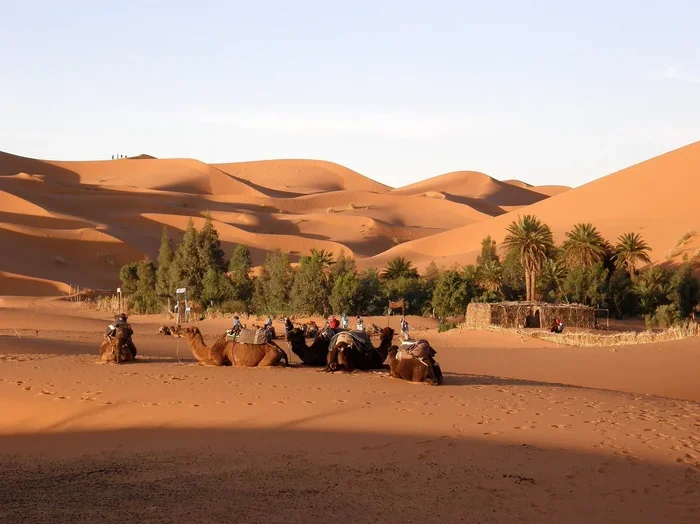
Featured image for Marrakech to Zagora desert tour
Image source: moroccoinsighttours.com
A private 14 day tour from Marrakech to Zagora offers the ultimate Moroccan experience, blending imperial cities, Sahara desert magic, and Atlas Mountain wonders into one unforgettable journey. This customizable adventure lets travelers set their own pace while exploring UNESCO sites, riding camels into Erg Chebbi’s golden dunes, and discovering Berber villages off the beaten path. Perfect for families, couples, and cultural enthusiasts seeking authentic encounters with Morocco’s diverse landscapes and rich heritage.
Imagine waking up to the sound of camel bells echoing across golden Sahara dunes, then spending your afternoon wandering through ancient kasbahs that have stood for centuries. That’s exactly what a private 14 day tour from Marrakech to Zagora delivers, and it’s the kind of trip that changes how you see the world forever.
Morocco sits just a short flight from Europe, yet it feels like stepping into another dimension entirely. The country welcomes over 13 million tourists annually, and southern Morocco has become the crown jewel for travelers seeking authentic desert experiences. A two-week private tour gives you something group tours simply cannot: the freedom to linger at a breathtaking viewpoint, skip an attraction that doesn’t excite you, or add a spontaneous visit to a local artisan’s workshop.
Did you know that the Sahara Desert covers an area roughly the size of the United States? Yet Morocco offers some of the most accessible and stunning gateways into this vast wilderness. Starting from the bustling medina of Marrakech and ending among the palm groves and desert landscapes near Zagora, this journey showcases the incredible geographic diversity that makes Morocco truly magical.
Key Takeaways
- 14-Day Duration: Two weeks allows deep exploration of southern Morocco without rushing, covering approximately 1,800 kilometers of diverse terrain.
- Private Customization: Unlike group tours, private itineraries adapt to your interests, pace, and photography preferences throughout the journey.
- Sahara Highlights: The tour includes camel trekking, overnight stays in Berber desert camps, and visits to iconic dune fields like Erg Chebbi or Erg Chigaga.
- Cultural Immersion: Travelers experience medina souks, kasbahs, film studios, and traditional mint tea ceremonies in authentic settings.
- Best Travel Seasons: October through April offers comfortable temperatures, while summer months require early morning departures to avoid extreme heat.
- Budget Range: Private tours typically cost between €2,500-€4,500 per person, including accommodation, transport, and most meals.
- Route Coverage: The journey spans from Marrakech through the Atlas Mountains, Ait Ben Haddou, Ouarzazate, Draa Valley, Zagora, and desert oases.
📑 Table of Contents
Understanding Your Private Tour Experience
What Makes a Private Tour Different
A private tour works like having your own personal chauffeur, guide, and travel concierge rolled into one. Think of it like renting a car versus taking a bus, except your “car” comes with an expert who knows every hidden gem along the route. Your driver-guide speaks English, French, or Spanish, and the vehicle belongs entirely to your group for fourteen full days.
Most private tours accommodate two to eight people in a comfortable 4×4 or minivan with air conditioning. The vehicle becomes your mobile base camp, stocked with water, Wi-Fi hotspots, and everything needed for the journey ahead. Unlike rigid group schedules, you decide when breakfast starts, how long you spend at Ait Ben Haddou, and whether you want to take that scenic detour through the rose valley.
Who Should Book This Adventure
This extended tour suits several types of travelers perfectly. Families with teenagers find the pacing manageable, while couples celebrating anniversaries appreciate the romantic desert nights under star-filled skies. Photography enthusiasts love the flexibility to chase golden hour lighting at kasbahs and dunes. Solo travelers often join small private groups to enjoy safety and companionship without sacrificing independence.
However, this tour requires moderate mobility. You’ll walk through uneven medina alleys, climb dunes, and navigate sandy terrain at camps. Travelers with serious back problems or extreme mobility limitations should discuss adaptations with tour operators beforehand.
Planning Your Two-Week Itinerary
The Ideal Route Structure
Most 14 day Marrakech to Zagora private tours follow a clockwise route that maximizes geographic variety. The journey typically begins in the imperial city of Marrakech, crosses the High Atlas Mountains through the stunning Tizi n’Tichka pass, then descends toward the desert gateway of Ouarzazate, often called the “Hollywood of Africa” because over 100 movies filmed here, including Gladiator and Lawrence of Arabia.
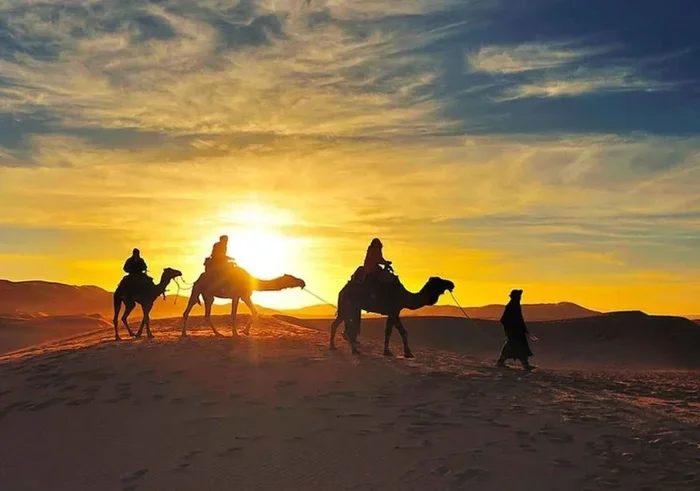
Visual guide about Marrakech to Zagora desert tour
Image source: fabinatlasmarrakechtours.com
From Ouarzazate, the route winds through the rose-filled Dadès Valley, reaches the dramatic Todra Gorges, then pushes south toward Merzouga and the towering Erg Chebbi dunes. After experiencing the Sahara, tours loop back through the Draa Valley’s palm oases to Zagora, before returning north through the Anti-Atlas mountains.
Did You Know? The Draa Valley contains Morocco’s longest palm grove, stretching approximately 200 kilometers with over 3 million date palms producing delicious Medjool dates each autumn.
Day-by-Day Breakdown
The beauty of a two-week journey lies in its breathing room. Here’s how most itineraries unfold:
- Days 1-3: Marrakech exploration with guided medina tours, Majorelle Garden visits, and cultural immersion in Jemaa el-Fnaa square
- Days 4-5: Atlas Mountain crossing and Ait Ben Haddou UNESCO World Heritage Site
- Days 6-7: Ouarzazate film studios and Dadès Valley exploration
- Days 8-9: Todra Gorges and the journey to Merzouga’s Erg Chebbi dunes
- Days 10-11: Desert experiences including camel trekking and Berber camp overnight
- Days 12-13: Draa Valley and Zagora exploration
- Day 14: Return journey through Anti-Atlas to Marrakech or drop-off in Zagora
Must-See Attractions Along the Way
Marrakech’s Imperial Heritage
Your adventure begins in Marrakech, a city that pulses with energy from dawn until well past midnight. The medina, a UNESCO World Heritage Site since 1985, contains over 150,000 residents within its ancient walls. Lose yourself in the sensory overload of the souks, where artisans craft leather, metalwork, and ceramics using techniques unchanged for centuries.
The Majorelle Garden provides a peaceful contrast, its vibrant blue structures and exotic plants offering respite from the bustling streets. This botanical garden, rescued from neglect by fashion designer Yves Saint Laurent in 1980, now welcomes over 700,000 visitors yearly. Don’t forget to climb the Koutoubia Mosque’s minaret viewpoint area for panoramic city views.
Ait Ben Haddou and the Road of a Thousand Kasbahs
Crossing the Atlas Mountains brings you to Ait Ben Haddou, a fortified village that looks like it grew straight from the desert itself. This earthen clay city dates back to the 17th century and has appeared in productions from Jesus of Nazareth to Game of Thrones. Walking through its narrow passages feels like stepping onto a film set, which essentially, it is.
The surrounding region earned its nickname “Road of a Thousand Kasbahs” because of the incredible concentration of these ancient fortified structures. Each kasbah tells stories of tribal battles, trade route protection, and architectural genius using only mud, straw, and water.
The Sahara Desert Experience
Reaching the Sahara represents the emotional heart of this journey. Erg Chebbi near Merzouga features dunes reaching 150 meters high, while Erg Chigaga near Zagora offers a more remote, less-visited alternative. Either way, camel trekking into these golden landscapes creates memories that last lifetimes.
Overnight desert camps range from basic Berber-style tents to luxury “glamping” options with proper beds, private bathrooms, and even air conditioning. Traditional Berber music around campfires, tagine dinners cooked in underground pits, and sunrise climbs to dune summits make this the experience travelers remember most vividly when they return home.
Practical Considerations for Your Journey
When to Travel
Timing your Morocco desert tour properly makes an enormous difference in enjoyment. The optimal season runs from October through April, when daytime temperatures hover between 20-28°C (68-82°F) and desert nights remain comfortable. December and January bring cooler weather, with desert nights dropping to 5-10°C (41-50°F), requiring warm clothing.
Summer months from June through August can be brutal, with desert temperatures exceeding 45°C (113°F). Some operators suspend tours during peak summer, while others shift schedules to early morning departures and midday indoor activities. Shoulder seasons (April-May and September-October) offer the best balance of warmth, fewer crowds, and reasonable prices.
Budget and Booking Insights
Private 14 day Morocco tours typically range from €2,500 to €4,500 per person, depending on accommodation levels and group size. Budget options use three-star riads and standard desert camps, while premium tours include luxury desert glamping and five-star riads throughout.
Most packages include accommodation, breakfast daily, several dinners, transport, driver-guide, camel trek, and desert camp experience. Airfare, travel insurance, lunches, entrance fees, and tips remain additional. Booking directly with Moroccan operators often costs 20-30% less than international booking platforms, though international companies offer stronger consumer protections.
Did You Know? Tipping your driver-guide at approximately €5-10 per day, plus €20-30 for the entire tour, constitutes standard practice and significantly impacts their annual income.
What to Pack
Your packing list should balance practicality with cultural sensitivity. Loose, long-sleeved clothing protects against sun and respects local customs, especially for women visiting religious sites. Layers work best because desert temperatures swing dramatically between day and night.
Essential items include comfortable walking shoes, sandals for camp, sunglasses, sunscreen, a wide-brimmed hat, headscarf for desert winds, modest swimwear for riad pools, and a light jacket for cool evenings. Don’t forget adapter plugs (Morocco uses Type C and E), a quality camera, power bank, and basic first-aid supplies.
Accommodation and Cultural Experiences
Staying in Traditional Riads
Throughout this journey, you’ll sleep primarily in riads, traditional Moroccan homes built around interior courtyards. Think of a riad like a secret garden oasis, hidden behind unassuming exterior walls. These restored properties offer intimate experiences with rooftop terraces, plunge pools, and stunning tilework that boutique hotels worldwide try to emulate.
Riad stays include freshly prepared Moroccan breakfasts featuring msemen flatbread, honey, olives, cheeses, and mint tea. Many riads arrange cooking classes, henna ceremonies, and traditional music performances upon request, transforming simple overnight stays into cultural immersion opportunities.
Meeting Berber Communities
The indigenous Berber people, also called Amazigh, have inhabited North Africa for over 5,000 years. Their culture shapes southern Morocco profoundly, from language and cuisine to music and architecture. Private tours offer unique chances to visit Berber cooperatives, where women craft argan oil using traditional methods, or join families for tea ceremonies in mountain villages.
These authentic encounters reveal perspectives that bus tours miss entirely. Learning a few Berber phrases, understanding their relationship with desert landscapes, and witnessing traditional crafts being practiced today creates connections that transcend typical tourist experiences.
Souks and Shopping Strategies
Moroccan souks operate as living marketplaces where bargaining remains expected and enjoyable. Start negotiations at roughly 40-50% of the asking price, then meet somewhere in the middle. The experience resembles a chess match, friendly and engaging rather than confrontational.
Popular purchases include hand-woven Berber carpets, leather goods from Fez, argan oil products, spices, ceramics, and traditional clothing. Quality varies dramatically, so buying from cooperatives or recommended artisans ensures authenticity. Most riads can ship purchases internationally, saving you luggage space and customs complications.
Health, Safety, and Final Tips
Staying Healthy on the Road
Morocco generally poses few health risks for travelers from Western countries. Tap water should be avoided, but bottled water is universally available and inexpensive. Stick to cooked foods, peel fruits yourself, and your stomach should remain happy throughout the journey.
Pharmacies stock most medications travelers might need, though bringing personal prescriptions remains essential. Sun protection becomes critical in desert regions, and the dry climate causes dehydration faster than most visitors expect. Carry water constantly and drink regularly, even when not feeling thirsty.
Safety Considerations
Morocco ranks among Africa’s safest countries for tourists, with violent crime against visitors remaining extremely rare. The main concerns involve petty theft in crowded souks and traffic in busy cities. Standard precautions like securing valuables, avoiding isolated areas at night, and using registered guides in medinas prevent most problems.
Private tours provide additional safety through continuous vehicle access, experienced driver-guides familiar with regional conditions, and pre-arranged accommodations. Female travelers should dress modestly outside resort areas, covering shoulders and knees, particularly when visiting religious sites.
Making the Most of Your Investment
A 14-day private tour represents significant investment, both financially and in vacation time. Maximizing this investment means embracing flexibility when plans change, engaging genuinely with local culture, and allowing yourself to disconnect from typical vacation routines. Put the phone down occasionally, especially during sunrise dune climbs or sunset medina walks.
Communicate preferences clearly with your driver-guide at the journey’s start. Want more photography time? Mention it. Prefer vegetarian meals? Request it. Interested in specific cultural experiences? Ask about them. Private tours succeed when guides understand your priorities and can customize each day accordingly.
Did You Know? Morocco spans four mountain ranges, two coastlines, one desert, and dozens of cultural regions, yet you can traverse its key highlights comfortably in just two weeks when traveling by private vehicle.
By your journey’s end near Zagora, you’ll have collected experiences that photographs can barely capture. The call to prayer echoing across ancient kasbahs, the silence of Saharan nights interrupted only by crackling campfires, the genuine smiles of Berber children, and the flavors of tagine cooked slowly over charcoal embers, these sensations define Morocco.
Your private 14 day tour from Marrakech to Zagora doesn’t just show you Morocco; it introduces you to a way of life that has endured for millennia. Whether this becomes a once-in-a-lifetime journey or the first of many return visits, the memories forged across these fourteen days will stay vivid, warm, and welcoming for years to come.
Frequently Asked Questions
What is the best time of year for a private 14 day tour from Marrakech to Zagora?
The optimal period runs from October through April when desert temperatures stay comfortable, ranging from 20-28°C during days. Spring and autumn shoulder seasons offer ideal balances of warmth, fewer crowds, and excellent photography conditions. Summer tours remain possible but require adjusted schedules and preparation for extreme heat.
How much does a private 14 day Morocco desert tour typically cost?
Private tours generally range between €2,500 and €4,500 per person, depending on accommodation standards, group size, and included amenities. Budget options use three-star riads while premium tours feature luxury desert camps and five-star properties. Most packages include accommodation, transport, guide services, breakfast, select dinners, and desert experiences.
Is a private tour better than a group tour for Morocco?
Private tours excel for travelers seeking flexibility, personalized pacing, and customized experiences. Group tours cost less but follow rigid schedules with limited personalization. Families, couples, photographers, and travelers with specific interests typically benefit most from private arrangements. Budget-conscious solo travelers often prefer small group alternatives.
What should I pack for a two-week Morocco desert adventure?
Pack loose, modest clothing covering shoulders and knees, layered for temperature variations between day and night. Essentials include comfortable walking shoes, sandals, sunglasses, sunscreen, wide-brimmed hat, headscarf for desert winds, light jacket, swimwear, camera, power bank, and Type C/E electrical adapters. Most riads provide towels and basic toiletries.
Are the desert camps safe and comfortable for tourists?
Modern desert camps cater specifically to international tourists with security measures, proper sanitation, and comfortable accommodations. Options include basic Berber-style tents with shared facilities or luxury glamping with private bathrooms, proper beds, and electricity. All reputable camps provide safe drinking water, meals, and experienced staff ensuring guest comfort throughout overnight stays.
Can I customize the itinerary for a private Marrakech to Zagora tour?
Absolutely. Private tours exist specifically for customization flexibility. You can modify daily activities, add experiences like cooking classes or photography workshops, adjust accommodation standards, extend stays in favorite locations, or include special requests like surprise anniversaries. Discuss preferences with your operator before booking, then communicate openly with your driver-guide during the journey.