
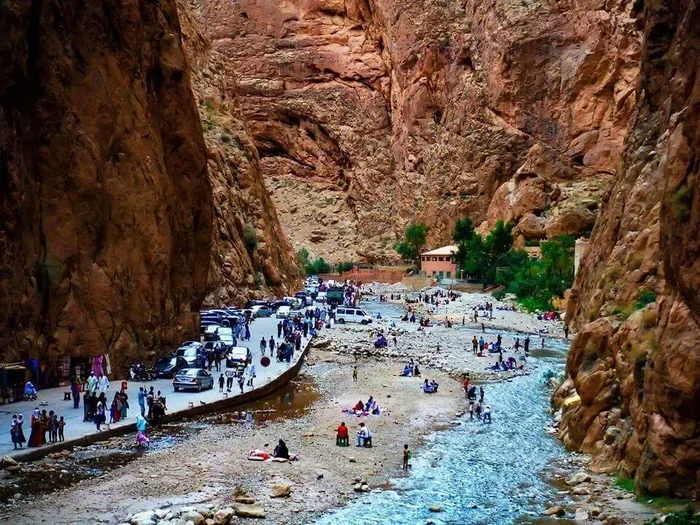
Featured image for Marrakech to Todra Gorge trip
Image source: i.pinimg.com
This epic 13-day excursion from Marrakech to the Todra Gorge takes travelers through Morocco’s most iconic landscapes. From the bustling medinas of imperial cities to the towering dunes of the Sahara and the dramatic limestone cliffs of Todra, this journey blends culture, adventure, and authentic Berber hospitality. It’s the ultimate Moroccan road trip for those who want to see everything in one unforgettable trip.
Imagine waking up to sunrise over the Sahara dunes, spending the afternoon sipping mint tea with a Berber family in a mud-brick village, and ending your day watching shadows climb the towering 300-meter walls of Todra Gorge. That’s exactly what this excursion de 13 dias desde Marrakech a la Garganta de Todra promises, and it’s one of the most rewarding ways to experience Morocco.
This isn’t a rushed tour. With 13 full days, you have time to slow down, take detours, and actually connect with the places you visit. You’ll cross four mountain ranges, explore four imperial cities, ride a camel into the desert, and stand at the edge of one of North Africa’s most spectacular canyons. The pace is balanced, with built-in rest days and flexible evenings for exploring on your own.
Whether you’re a solo traveler, a couple, or a small group of friends, this guide will walk you through everything you need to know: the route, the highlights, the practical details, and the small things that make a big difference. Let’s start with the basics.
Key Takeaways
- Route Coverage: The 13-day Marrakech to Todra Gorge excursion spans roughly 1,800 km across imperial capitals, mountain passes, and oases.
- Best Travel Season: October through May offers the most comfortable temperatures for desert crossings and gorge hikes.
- Cultural Highlights: Includes guided visits to UNESCO sites like Ait Ben Haddou and the historic Fez medina.
- Adventure Activities: Camel trekking in Erg Chebbi, hiking in Todra Gorge, and exploring Dades Valley.
- Accommodation Variety: Ranges from traditional riads to luxury desert camps under the stars.
- Budget-Friendly Option: Shared group tours start around €800-€1,200, while private tours range €2,500-€4,500.
- Who Should Go: Ideal for travelers wanting a deep, immersive Moroccan experience beyond a standard city visit.
📑 Table of Contents
Who, What, Where, When, and Why: The Essentials Explained
Before we dive into the day-by-day details, let’s answer the big questions. Think of this as the foundation of the house. Without it, nothing else makes sense.
Who Is This Excursion For?
This tour is perfect for travelers who want more than a weekend in Marrakech. It’s designed for active explorers aged 18 to 70 who can handle moderate walking, long drives, and a bit of physical activity like camel riding or short hikes. You don’t need to be an athlete, but you should be comfortable spending time outdoors.
It’s especially suited for people interested in culture, photography, and landscapes. If you love the idea of wandering ancient medinas, sleeping in desert camps, and meeting local artisans, this is your trip.
What Exactly Is the 13-Day Marrakech to Todra Gorge Excursion?
Simply put, it’s a guided (or self-guided) overland journey that starts in Marrakech and ends in the Todra Gorge region, covering roughly 1,800 kilometers. It includes transport, accommodation, most meals, and a driver-guide. You’ll visit Marrakech, the Atlas Mountains, Ait Ben Haddou, Ouarzazate, the Dades and Todra valleys, the Sahara Desert (Erg Chebbi or Erg Chigaga), and several other key stops along the way.
Some tours run in reverse, ending in Marrakech or Fez. The itinerary may shift slightly depending on the operator, but the core experience remains the same: a complete Moroccan adventure.
Where Does the Journey Take Place?
The route covers central and southeastern Morocco. You’ll start in the bustling city of Marrakech in the west, cross the High Atlas Mountains via the Tizi n’Tichka pass, descend into the desert regions near Ouarzazate, push deeper into the Sahara, and finally reach the Todra Gorge in the eastern part of the country near Tinghir.
Think of it like flipping through the pages of a geography textbook. In one trip, you’ll see snow-capped mountains, lush valleys, arid deserts, palm groves, and dramatic canyons.
When Is the Best Time to Go?
The ideal months are October, November, March, April, and May. These shoulder seasons offer pleasant temperatures between 18°C and 28°C during the day. Winters (December-February) can be cold at night in the desert, dropping to 5°C or below, but days are sunny. Summers (June-August) are brutally hot, especially in the desert, where temperatures can hit 45°C.
For camel trekking and comfortable hiking, spring and autumn are unbeatable.
Why Choose This Specific Route?
Because it hits all the major highlights of Morocco in one go, without feeling rushed. Unlike shorter 4-day or 7-day tours that just touch the surface, this 13-day excursion gives you time to explore hidden corners, revisit favorite spots, and rest when needed. The Todra Gorge is the dramatic finale, a fitting climax to a journey that takes you from city chaos to desert silence.
The Route Map and Major Stops
Let’s visualize the journey. Picture a giant loop that starts and ends in Marrakech, with the Todra Gorge sitting at the far eastern edge. Here’s the typical route:
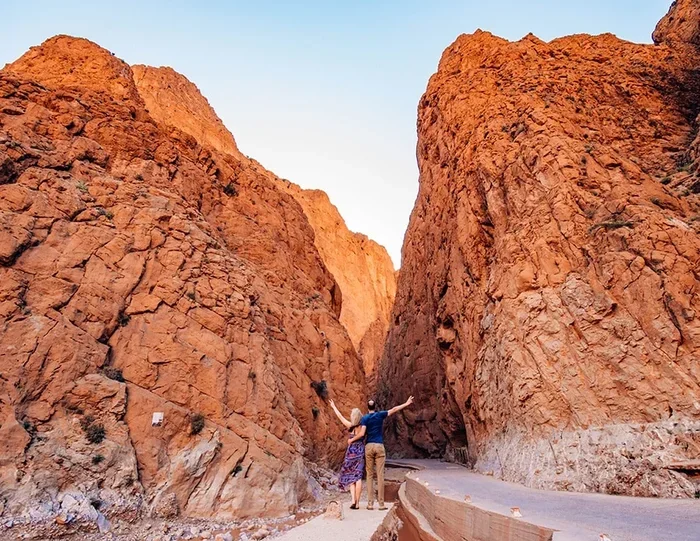
Visual guide about Marrakech to Todra Gorge trip
Image source: theroad-islife.com
- Day 1-2: Marrakech exploration
- Day 3-4: Atlas Mountains and Ait Ben Haddou
- Day 5-6: Ouarzazate and Dades Valley
- Day 7-8: Todra Gorge and Tinghir
- Day 9-10: Sahara Desert (Erg Chebbi)
- Day 11-12: Return via Draa Valley and Anti-Atlas
- Day 13: Back to Marrakech
Note: Many operators reverse or rearrange this loop. Some tours end in Fez instead. Always confirm the exact itinerary before booking.
Stop 1: Marrakech — The Red City
Marrakech is the heartbeat of Morocco. Within its medina walls, you’ll find Jemaa el-Fnaa square, a UNESCO-recognized cultural space that fills nightly with storytellers, musicians, and food stalls. The Koutoubia Mosque’s minaret rises 77 meters into the sky, visible from almost anywhere in the city.
Did you know? Marrakech’s medina has over 40,000 residents living within its ancient walls, making it one of the largest living historical sites in the world.
Take at least two days here to explore the Bahia Palace, the Saadian Tombs, and the Majorelle Garden. Then dive into the souks, where you can bargain for everything from spices to carpets.
Stop 2: The High Atlas and Ait Ben Haddou
Crossing the Tizi n’Tichka pass at 2,260 meters is a rite of passage. The winding road offers stunning views of Berber villages clinging to hillsides. Ait Ben Haddou, a fortified village (ksar) dating back to the 17th century, is your next big stop. It’s been a filming location for Gladiator, Lawrence of Arabia, and Game of Thrones.
Pro tip: Walk up to the top of the ksar early in the morning to avoid crowds and catch the golden light on the mud-brick towers.
Stop 3: Ouarzazate and Dades Valley
Ouarzazate is known as the “Gateway to the Sahara.” Visit the Atlas Film Studios, where movies like The Mummy were filmed, before heading into the Dades Valley, famous for its bizarre rock formations called the “Monkey Fingers.”
The valley is also home to ancient kasbahs and rose gardens. If you visit in April, you might catch the Rose Festival in nearby El Kelaa M’Gouna.
Stop 4: Todra Gorge — The Crown Jewel
Here’s the showstopper. Todra Gorge is a 400-meter-deep canyon carved by the Todra River through limestone cliffs. The walls narrow to just 10 meters wide in some spots, with vertical rock faces rising 300 meters on either side. It’s a playground for rock climbers and a wonderland for hikers.
Walk along the riverbed, visit the small Berber villages on the rim, or simply sit and listen to the wind echo through the canyon. The light here changes constantly, making it a photographer’s dream.
Did you know? Todra Gorge attracts over 100,000 visitors annually, making it one of Morocco’s top natural attractions outside the desert.
Stop 5: The Sahara Desert (Erg Chebbi)
From Todra, many tours loop south into the Sahara. Erg Chebbi’s dunes near Merzouga rise up to 150 meters high. You’ll ride a camel into the desert at sunset, sleep in a Berber tent under a sky full of stars, and wake to one of the most breathtaking sunrises you’ll ever see.
The silence of the Sahara is something you can’t fully understand until you experience it. It’s not just quiet, it’s a kind of profound stillness.
Stop 6: The Return Journey
The trip back to Marrakech takes you through the Draa Valley, Morocco’s longest river valley, lined with millions of date palms. You’ll pass through the Anti-Atlas Mountains and small towns like Agdz and Nkob before reaching Ouarzazate again.
On the final stretch, you’ll cross back over the High Atlas, arriving in Marrakech by evening with memories that will last a lifetime.
What to Expect: Accommodations, Food, and Transport
Let’s talk logistics. The more you know upfront, the smoother your trip will be.
Accommodation Options
Most 13-day excursions include a mix of accommodations:
- Riads: Traditional Moroccan guesthouses with inner courtyards, typically in cities and towns.
- Hotels: Mid-range 3- and 4-star options in larger cities like Ouarzazate and Tinghir.
- Desert Camps: Luxury or standard Berber tents in Erg Chebbi, with shared or private bathrooms.
- Kasbah Stays: Some tours include nights in restored kasbahs for a more authentic experience.
Budget tours may use simpler hotels, while luxury options upgrade to 5-star riads and private desert camps with en-suite bathrooms.
Food and Drink
Most tours include breakfast and dinner daily, with lunch often on the road. Expect tagines (slow-cooked stews with meat and vegetables), couscous, fresh bread, and endless mint tea. Morocco is heaven for food lovers, especially vegetarians, who will find plenty of options with chickpeas, lentils, and vegetables.
Don’t miss trying harira, a traditional tomato-based soup, and fresh orange juice in Marrakech’s medina.
Transport
The standard vehicle is a 4×4 Land Cruiser or Toyota Hilux, especially for desert sections. Minivans are used for larger groups on paved roads. Drivers are usually also your guides, so they’re experienced in both navigation and storytelling.
On average, you’ll drive 3 to 5 hours per day, with some longer stretches (up to 7 hours) on travel days between major regions.
Practical Tips for a Smooth Trip
Now, let’s talk about the small details that can make or break your experience. Think of these as the secret ingredients in a recipe.
What to Pack
Pack light but smart. Here’s a checklist:
- Lightweight clothing for daytime
- Warm layers for cold desert nights
- Comfortable walking shoes or hiking boots
- Scarf or shemagh for desert winds
- Sunscreen, sunglasses, and a hat
- Reusable water bottle
- Power adapter (Morocco uses Type C and E plugs)
- Camera with extra batteries
Did you know? Temperatures in the Sahara can swing by 30°C between day and night, so layering is essential.
Money Matters
The Moroccan currency is the dirham (MAD). Cash is king in rural areas, though cards are accepted in cities. ATMs are widely available in Marrakech and Ouarzazate, but rare in remote regions like the desert and Todra. Withdraw enough before heading out.
Budget roughly 200-300 MAD per day for extras like souvenirs, tips, and drinks.
Health and Safety
Morocco is generally safe for tourists. Petty crime can happen in crowded medinas, so keep an eye on your belongings. Drink bottled water, especially in rural areas. No vaccinations are required, but hepatitis A and typhoid are recommended.
Travel insurance with medical coverage is highly recommended, particularly for desert excursions.
Etiquette and Cultural Tips
Morocco is a Muslim country with conservative values. Dress modestly, especially in rural areas. Ask permission before photographing people. Always use your right hand for greetings and eating.
A simple “Salam alaikum” goes a long way in building rapport with locals.
How to Choose the Right Tour Operator
Not all tours are created equal. Here’s how to find a good one:
Read Reviews and Compare
Check platforms like TripAdvisor, GetYourGuide, and Viator for verified reviews. Look for operators with consistent ratings above 4.5 stars and dozens of reviews.
Ask the Right Questions
Before booking, ask:
- What’s the group size?
- Is the driver-guide licensed and English-speaking?
- What’s included (and excluded) in the price?
- Can the itinerary be customized?
- What’s the cancellation policy?
Group vs. Private Tours
Group tours are more affordable (€800-€1,200 per person) and social, but less flexible. Private tours cost more (€2,500-€4,500 for two people) but offer flexibility, comfort, and personalized attention.
If you’re on a budget or enjoy meeting fellow travelers, go group. If you want a customized, intimate experience, go private.
Red Flags to Avoid
Be cautious of operators who:
- Demand full payment upfront via wire transfer
- Have no verifiable reviews or physical address
- Offer unrealistically low prices
- Pressure you into booking on the spot
Final Thoughts: Why This Trip Stays With You
There’s something special about a journey that takes you from chaotic medinas to silent deserts to towering gorges. The excursion de 13 dias desde Marrakech a la Garganta de Todra isn’t just a tour; it’s a transformation. You arrive in Marrakech as a tourist, and you leave as a traveler, with stories that fill notebooks and memories that warm you on cold nights back home.
You’ll remember the taste of mint tea shared with strangers who became friends. The crunch of sand under your feet at sunrise. The echo of your footsteps in the narrow walls of Todra Gorge. The stars above the Sahara, so bright they cast shadows.
If Morocco has been calling your name, this 13-day journey is the answer. It’s long enough to feel like an adventure, but structured enough to keep you comfortable. So pack your bags, charge your camera, and get ready for the trip of a lifetime.
The red city is waiting. The dunes are waiting. The gorge is waiting. All you have to do is go.
Frequently Asked Questions
How much does a 13-day excursion from Marrakech to Todra Gorge cost?
Group tours typically range from €800 to €1,200 per person, while private tours cost between €2,500 and €4,500 for two travelers. Prices usually include transport, accommodation, most meals, and a guide, but airfare to Marrakech is extra.
Is the 13-day Marrakech to Todra Gorge excursion suitable for families with children?
Yes, it can be. Many operators welcome families, but the long drives and desert activities may be challenging for very young children. Ages 8 and up usually do well, especially if they’re used to travel and outdoor activities.
What is the best month to do this 13-day excursion?
October, November, March, April, and May are ideal. These months offer mild temperatures, clear skies, and comfortable conditions for both desert trekking and hiking in Todra Gorge.
Do I need a visa to travel to Morocco?
Most Western travelers (US, EU, Canada, Australia) can enter Morocco visa-free for up to 90 days. Check your specific country’s requirements before traveling, as rules can change.
What should I wear during the excursion?
Pack lightweight, breathable clothing for daytime and warm layers for cool desert nights. Modest attire is recommended, especially in rural and religious areas. Comfortable walking shoes or hiking boots are essential.
Is it safe to ride a camel in the Sahara?
Yes, camel riding is generally safe and well-organized by tour operators. The camels are well-trained, and guides accompany every trek. However, if you have back problems or are pregnant, it’s best to skip the ride.