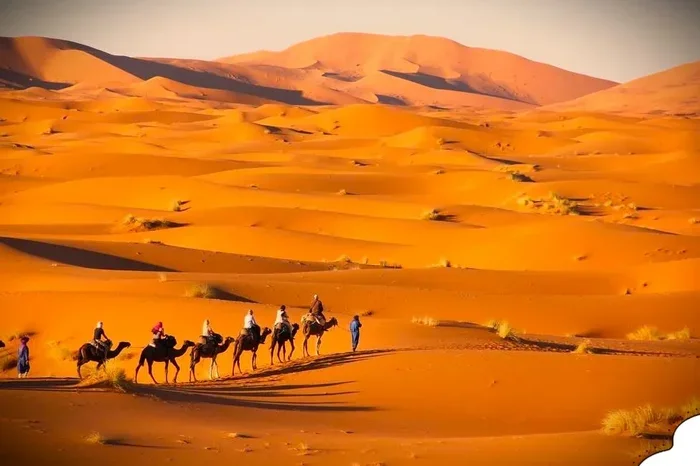
Camel trek into the golden Zagora dunes at sunset
Image source: saharacameltours.com
A 9-day Marrakech to Zagora tour is the ultimate Moroccan desert adventure, taking you from the bustling medinas of Marrakech to the golden dunes of the Sahara. This immersive journey covers imperial cities, UNESCO World Heritage sites, dramatic gorges, and traditional Berber villages along the way. Perfect for travelers seeking an authentic, unforgettable experience through Morocco's most iconic landscapes.
Imagine standing at the edge of a vast sea of golden sand, the sun melting into the horizon, and the only sound you hear is the soft whisper of desert wind. This is what awaits you on a 9-day Marrakech to Zagora tour, one of Morocco's most breathtaking adventures.
This isn't just a trip. It's a journey through time, where ancient medinas buzz with life, snow-capped mountains give way to palm-lined valleys, and the mighty Sahara stretches endlessly before you. Over nine unforgettable days, you'll discover why Morocco has captured travelers' hearts for centuries.
Whether you're a solo adventurer, a couple seeking romance, or a family craving discovery, this tour offers something magical for everyone. For those considering other durations, a shorter desert escape or an extended exploration might also appeal. Let's dive into everything you need to know to plan your perfect Moroccan escape.
Key Takeaways
Duration & Distance: The 9-day route covers roughly 1,200 kilometers, looping through diverse landscapes from High Atlas mountains to the Sahara Desert.
Cultural Immersion: Travelers experience Berber culture firsthand through homestays, traditional meals, and visits to ancient kasbahs.
UNESCO Highlights: The tour includes several World Heritage sites, including Aït Benhaddou and the historic medinas of Marrakech and Fes.
Sahara Experience: Camel trekking and overnight desert camps in Erg Chigaga or Erg Chebbi are the trip's crown jewels.
Best Travel Season: October through April offers the most comfortable temperatures for desert exploration.
Budget Range: Prices typically range from $800 to $1,500 per person, depending on accommodation and tour style.
Physical Demands: Moderate fitness is needed for camel rides and walking in medinas, but no extreme trekking is required.
📑 Table of Contents
- What Exactly Is a Marrakech to Zagora 9 Day Tour?
- Who Is This Tour Perfect For?
- Where Does the Tour Go? A Detailed Route Breakdown
- When Is the Best Time to Take This Tour?
- Why Choose a Guided Tour Instead of Going Solo?
- How Much Does the Tour Cost and What's Included?
- What Should You Pack for the Journey?
- Common Mistakes to Avoid on Your Tour
- Transportation Options for the Tour
- Cultural Etiquette and Local Customs
- Food and Dining Experiences Along the Route
- Final Thoughts: Why This Tour Should Be on Your Bucket List
What Exactly Is a Marrakech to Zagora 9 Day Tour?
A Marrakech to Zagora 9 day tour is a comprehensive guided journey through southern Morocco, beginning in the vibrant Red City of Marrakech and ending (or looping back) through the desert town of Zagora. Think of it as a carefully curated road trip that hits all the highlights without the stress of planning every detail yourself.
For those interested in similar multi-day adventures, consider exploring a 7-day excursion to Merzouga or a 12-day journey for a deeper dive into Morocco's diverse landscapes.
The Basic Itinerary Structure
Most tours follow a similar pattern, though exact routes vary. Here's a typical breakdown:
Day 1-2: Exploring Marrakech's medina, souks, and palaces
Day 3: Crossing the High Atlas Mountains via the Tizi n'Tichka pass
Day 4: Visiting Aït Benhaddou and Ouarzazate (the "Hollywood of Africa")
Day 5-6: Journeying through the Draa Valley to Zagora and the desert
Day 7: Trekking into the Erg Chigaga or Erg Chebbi dunes
Day 8-9: Returning via different routes, often through Fes or back to Marrakech
The magic lies in the variety. One day you're sipping mint tea in a 16th-century palace, and the next you're riding a camel into a sea of dunes. It's like flipping through a living storybook.
What Makes Zagora Special?
Zagora is a small desert town that serves as the gateway to the Sahara. While the nearby Erg Chigaga dunes are remote and wild, Zagora itself has a charming frontier-town feel. Many tours combine Zagora with a visit to the Erg Chebbi dunes near Merzouga, which are more accessible and dramatically tall.
According to the Moroccan National Tourist Office, the Zagora region is particularly known for its authentic Berber culture and traditional date palm groves, offering visitors a glimpse into Morocco's rural heritage.
Who Is This Tour Perfect For?
The beauty of a 9-day tour is that it appeals to a wide range of travelers. Let me break down who tends to love this experience most.
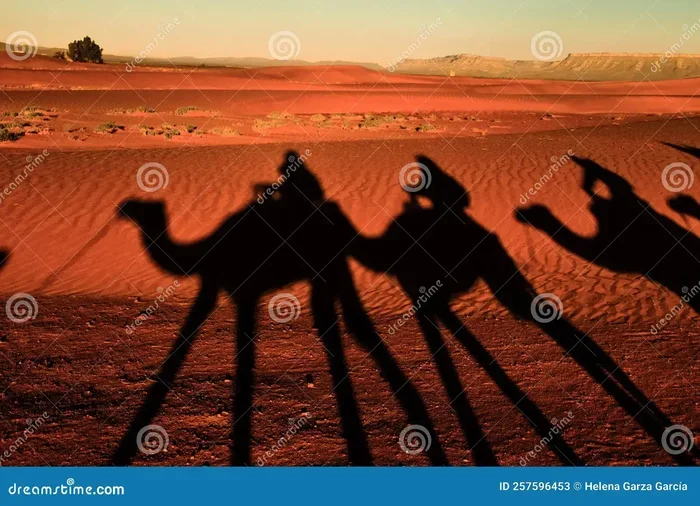
Traditional camel trek with Berber guide in Zagora
Image source: thumbs.dreamstime.com
Adventure Seekers and Nature Lovers
If you crave landscapes that look like they're from another planet, this tour delivers. The Sahara Desert alone is worth the journey. Standing among dunes that stretch 50 meters high, you'll feel like you've stepped onto Mars. The changing scenery from mountains to valleys to desert keeps every day exciting.
Culture Enthusiasts
Morocco is a cultural treasure trove. The tour immerses you in Berber traditions, Islamic architecture, and bustling marketplaces. You'll meet artisans who've practiced their crafts for generations, hear calls to prayer echo through ancient medinas, and taste tagines cooked over open flames. For a deeper cultural experience, consider combining this with a visit to the Dades Valley.
Photography Buffs
Every corner of this route is Instagram gold. From the blue-painted streets of Chefchaouen to the golden hour over Erg Chebbi, professional and amateur photographers alike will find endless inspiration. The interplay of light, color, and texture in Morocco is simply unmatched.
Families and First-Time Visitors
The 9-day format is ideal for first-timers who want to see a lot without rushing. Children as young as 6 can enjoy camel rides (shorter versions, of course), and the mix of activities keeps everyone engaged. It's much easier than trying to plan this complex route independently. Families might also enjoy a private tour option for a more personalized experience.
Where Does the Tour Go? A Detailed Route Breakdown
Geography is everything in this tour. Let me walk you through the major stops and what makes each one special.
Day 1-2: Marrakech, The Red City
Your adventure begins in Marrakech, a city that assaults your senses in the best way possible. Founded in 1062, Marrakech is one of Morocco's four imperial cities and a UNESCO World Heritage Site.
Must-see spots include:
Jemaa el-Fnaa: The famous main square where snake charmers, henna artists, and food stalls create nightly chaos
Bahia Palace: A stunning 19th-century palace with intricate tilework and lush gardens
Saadian Tombs: Royal mausoleums hidden for centuries, dating back to the 1500s
Majorelle Garden: A cobalt-blue oasis created by French painter Jacques Majorelle
Did you know? Marrakech has over 100,000 date palms lining its streets, and the medina is home to approximately 40,000 residents living within its ancient walls.
For those with limited time, a 5-day tour to Dades Valley offers a condensed but equally enriching experience of Morocco's highlights.
Day 3: Crossing the High Atlas Mountains
The drive from Marrakech to Ouarzazate takes you over the Tizi n'Tichka pass, which sits at 2,260 meters (7,415 feet) above sea level. The winding road offers jaw-dropping views of Berber villages clinging to hillsides.
Think of it like driving through the Italian Alps, but with camels instead of vineyards. The mountain scenery is dramatic, with snow-capped peaks in winter and wildflower meadows in spring.
Day 4: Aït Benhaddou and Ouarzazate
Aït Benhaddou is a fortified village (ksar) that looks like it was built for a movie set. In fact, it has been! This UNESCO site has appeared in Gladiator , Lawrence of Arabia , and Game of Thrones .
Ouarzazate, just 30 minutes away, is nicknamed the "Hollywood of Africa" because of its famous film studios. Atlas Studios has been the backdrop for countless productions.
Day 5: The Draa Valley and Zagora
The Draa Valley is Morocco's longest river valley, stretching over 1,100 kilometers. It's lined with millions of date palms and dotted with ancient kasbahs. As you drive toward Zagora, you'll pass through landscapes that look like something from a dream.
Zagora itself is a quiet town, but it serves as the jumping-off point for desert adventures. Many tours head to the nearby Erg Chigaga dunes from here, which require a 4×4 to reach due to the rough terrain.
Day 6-7: The Sahara Desert Experience
This is the highlight for most travelers. You'll either visit Erg Chigaga (more remote, 3-hour drive from Zagora) or Erg Chebbi (near Merzouga, more accessible with dunes up to 150 meters tall).
The classic Sahara experience includes:
Camel trekking into the dunes at sunset
Overnight camping in traditional Berber tents
Drumming around a campfire under millions of stars
Sandboarding down dune faces
Sunrise views that will make you cry (seriously)
Did you know? The Sahara Desert covers approximately 9.2 million square kilometers across multiple countries, making it the largest hot desert in the world. Despite its size, only about 2.5 million people actually live there.
For those specifically interested in Erg Chebbi, a dedicated tour might be worth considering.
Day 8-9: The Return Journey
Most 9-day tours return via a different route, often passing through the Todra Gorge, Dades Valley, and the Rose City of Kelaa M'Gouna. Some tours end in Fes, allowing you to extend your trip by exploring this incredible imperial city. Alternatively, you might explore the Todra Gorge on a 14-day tour.
When Is the Best Time to Take This Tour?
Timing can make or break your desert experience. Here's what you need to know about Morocco's seasons.
Ideal Months: October to April
The cooler months are the most comfortable for desert travel. Daytime temperatures range from 20°C to 28°C (68°F to 82°F), and nights can be chilly in the desert, dropping to 5°C to 10°C (41°F to 50°F). Layered clothing is essential.
Spring (March-May) is particularly beautiful, with wildflowers blooming in the Atlas Mountains and comfortable temperatures throughout.
Avoid: June to August
Summer temperatures in the Sahara can exceed 45°C (113°F), making desert activities dangerous and uncomfortable. Mountain passes can also be busy with vacationing Moroccans.
Ramadan Considerations
If your tour coincides with Ramadan, be prepared for adjusted schedules and closed restaurants during the day. However, this can also be a unique cultural experience, with vibrant evening celebrations after iftar (the breaking of the fast). For more on timing your visit, check our guide on the best time for a desert tour.
Why Choose a Guided Tour Instead of Going Solo?
You might be wondering if you can do this trip independently. The short answer? Technically yes, but you probably shouldn't. Here's why.
The Logistics Are Complex
Morocco's transportation system outside major cities can be confusing. Buses don't run on predictable schedules to many desert areas, and renting a car means navigating mountain passes, unmarked desert roads, and aggressive driving culture. A guided tour eliminates all this stress.
Think of it like this: you could theoretically bake your own wedding cake, but most people hire a baker. Same logic applies here.
Local Knowledge Is Priceless
Good guides know things you simply can't find on Google. They know which kasbahs are worth entering, which souk vendors are honest, where to find the best tagine in town, and how to navigate Berber hospitality customs. This insider knowledge transforms a good trip into an unforgettable one.
Safety in Remote Areas
The desert is beautiful but unforgiving. Getting lost without proper supplies or breaking down in remote areas can be dangerous. Tour operators have satellite phones, emergency supplies, and relationships with local communities that ensure your safety.
Cultural Bridge
Language barriers exist in rural Morocco. While Arabic and French are widely spoken, many Berber communities in the south speak only Amazigh (Berber) languages. A guide serves as your cultural bridge, facilitating meaningful interactions you'd otherwise miss.
How Much Does the Tour Cost and What's Included?
Let's talk money, because budget planning is crucial for any major trip.
Typical Price Ranges
For a 9-day Marrakech to Zagora tour, expect to pay:
Budget tours: $800-1,000 per person (shared accommodation, group size 12-15)
Mid-range tours: $1,000-1,300 per person (smaller groups, better hotels)
Luxury tours: $1,500-2,500+ per person (private guides, premium riads)
For pricing details on similar tours, you might find our Erg Chebbi tour price guide helpful.
What's Usually Included
Most tours include:
Transportation in air-conditioned vehicles (4×4 for desert portions)
Accommodation (mix of hotels, riads, and desert camp)
Daily breakfast and dinner
Camel trek to desert camp
English-speaking driver/guide
Hotel pick-up and drop-off
What's Not Included
Budget extra for:
Lunches (usually $5-10 per meal)
Drinks and snacks
Entrance fees to monuments ($1-5 each)
Tips for guides and drivers ($10-15 per day recommended)
Personal shopping and souvenirs
Travel insurance
Did you know? Morocco's tourism industry contributes approximately 7% to the country's GDP, and desert tours like this one employ thousands of Berber guides, drivers, and camp staff in rural communities.
What Should You Pack for the Journey?
Packing smart makes a huge difference. Here's my tried-and-true packing list for a 9-day Morocco tour.
Clothing Essentials
Layers: Mornings are cold, afternoons are hot, and desert nights are freezing
Modest clothing: Cover shoulders and knees, especially in religious sites
Comfortable walking shoes: Medina streets are uneven and cobblestoned
Sandals: For camp showers and relaxing
Sun hat and sunglasses: The desert sun is intense
Scarf or shemagh: Doubles as sun protection and warmth
Other Must-Haves
Sunscreen (SPF 30+)
Reusable water bottle
Power bank and adapters (Morocco uses Type C and E plugs)
Headlamp (useful in desert camp)
Wet wipes and hand sanitizer
Basic first aid kit
Camera with extra batteries and memory cards
Leave the fancy jewelry at home. Leave the hairdryer too (most riads provide them). Remember, you'll be living out of a suitcase, so less is more.
Common Mistakes to Avoid on Your Tour
After years of hearing traveler stories, I've compiled the most common mistakes people make. Avoid these, and you'll have a much smoother experience.
Not Checking What's Actually Included
Some tours advertise low prices but then hit you with surprise costs for camel rides, entrance fees, or even drinking water. Read the fine print carefully and ask specifically what's included before booking.
Underestimating the Desert
The Sahara isn't a joke. People have died from dehydration and heatstroke. Always carry water, wear sun protection, and follow your guide's instructions. That Instagram photo isn't worth your life.
Booking Without Reading Reviews
Tour quality varies wildly. A $200 price difference often means significantly better guides, vehicles, and accommodations. Check TripAdvisor, Google Reviews, and recent traveler photos before committing.
Tipping Confusion
Tipping is expected in Morocco, but the amount varies. A general rule: tip your main guide $10-15 per day, drivers $5-10 per day, restaurant staff $1-2, and camel handlers $5-10. Budget for this from the start.
Packing Too Much
Roof racks on tour vehicles have limited space. Overpackers struggle every single day. Bring versatile pieces that mix and match, and remember that laundry services are available in most stops.
Transportation Options for the Tour
Understanding your transportation options can enhance your tour experience. Most 9-day tours use a combination of vehicles to handle different terrains:
Air-conditioned minibuses or vans: Used for the majority of the journey, especially on paved roads between cities and through mountain passes. These typically seat 6-16 passengers comfortably.
4×4 vehicles: Essential for desert portions, particularly when accessing remote dune areas like Erg Chigaga. These rugged vehicles can handle the challenging sand and off-road conditions.
Camels: The traditional (and most authentic) way to explore the dunes. Most tours include at least one camel trek, usually at sunset or sunrise.
Private transfers: Available for those booking luxury or private tours, offering more flexibility and comfort.
In practice, the transition between vehicle types is seamless, with your guide handling all logistics. A common mistake is assuming all desert areas are accessible by regular vehicles—this isn't the case, which is why reputable operators always include appropriate 4×4 transport for sand dune excursions.
Cultural Etiquette and Local Customs
Respecting local customs will enrich your experience and help you connect with Moroccans. Here are key etiquette points to remember:
Greetings: Always greet with "Salam Alaikum" (Peace be upon you) and respond with "Alaikum Salam". Handshakes are common, but wait for women to extend their hand first.
Dress code: In cities, modest clothing is appreciated. In rural areas and during religious periods, cover shoulders and knees. Women may want to carry a scarf for entering mosques or conservative areas.
Photography: Always ask permission before photographing people, especially in rural areas. Some may expect a small tip (5-10 MAD) for photos.
Hospitality: If invited to a Moroccan home, it's polite to bring a small gift like pastries or fruit. Always accept tea when offered—it's a sign of welcome.
Religious sensitivity: Avoid public displays of affection, especially during Ramadan. Don't point with your finger or show the soles of your feet.
Bargaining: Expected in souks, but do it respectfully. Start at about 50% of the asking price and meet in the middle. Remember that a few dirhams mean more to the vendor than to you.
A common mistake is assuming that Western norms apply everywhere. In practice, Moroccans are forgiving of tourists, but making an effort to respect their customs will earn you warmer interactions and more authentic experiences.
Food and Dining Experiences Along the Route
Moroccan cuisine is a highlight of any visit, and this tour offers ample opportunities to sample its diverse flavors. Here's what to expect:
Breakfast: Typically includes Moroccan pancakes (baghrir or msemen), fresh bread, honey, jam, and mint tea. Some riads offer eggs and fresh juice.
Lunch: Often the main meal of the day. Look for tagines (slow-cooked stews), couscous (traditionally served on Fridays), and grilled meats. Vegetarian options are widely available.
Dinner: Similar to lunch but often lighter. In desert camps, expect hearty Berber dishes like lamb tagine or vegetable couscous.
Street food: In Marrakech, try snail soup, harira (lentil soup), or fresh orange juice from Jemaa el-Fnaa stalls.
Specialties by region:
- Marrakech: Tanjia (slow-cooked lamb), pastilla (sweet-savory pigeon pie)
- Atlas Mountains: Berber omelets, fresh trout from mountain streams
- Desert areas: Medfouna (Berber pizza), mechoui (slow-roasted lamb)
Beverages: Mint tea is the national drink. Freshly squeezed orange juice is a must-try. Avoid tap water; stick to bottled or filtered water.
In practice, most tours include breakfast and dinner, with lunch at your own expense. This gives you flexibility to try local restaurants. A common mistake is sticking only to familiar foods—be adventurous! Moroccan cuisine is generally safe for Western stomachs, but if you're sensitive, stick to freshly cooked, hot foods and avoid raw salads.
Final Thoughts: Why This Tour Should Be on Your Bucket List
A 9-day Marrakech to Zagora tour is more than a vacation. It's a journey that engages every sense and creates memories lasting a lifetime. From the moment you step into the chaos of Jemaa el-Fnaa to the silence of a starlit Sahara night, Morocco reveals itself as a country of contrasts and contradictions that somehow work in perfect harmony.
The landscapes shift from urban medinas to mountain passes, from palm oases to endless dunes. The people welcome you with mint tea and genuine warmth. The food surprises you with its complexity. The history surrounds you in every kasbah and every ancient stone.
For those who want to explore further, our blog offers more insights into Morocco's diverse travel experiences.
Whether you're a seasoned traveler or embarking on your first major adventure, this tour offers something rare: a chance to disconnect from the modern world and reconnect with something more fundamental. The Sahara has a way of putting life into perspective, of reminding you how small we are in this vast, beautiful universe.
So pack your bags, charge your camera, and prepare for the trip of a lifetime. Morocco is waiting, and trust me, it won't disappoint. The question isn't whether you should take this tour, but when.
Safe travels, and may your camel be steady and your mint tea always sweet!
Frequently Asked Questions
How difficult is the Marrakech to Zagora 9 day tour physically?
The tour is moderately easy and suitable for most people in reasonable health. You'll walk through medinas with uneven surfaces, ride camels for 1-2 hours, and handle some long driving days. No extreme trekking or climbing is required, but a basic fitness level helps.
Is it safe to travel to the Sahara Desert on a guided tour?
Yes, guided tours are very safe. Reputable operators use experienced drivers familiar with desert terrain, carry emergency supplies, and maintain communication equipment. The Moroccan government also prioritizes tourist safety in major travel routes, and millions visit the Sahara safely every year.
What is the best time of year to take this Marrakech to Zagora tour?
The best months are October through April when temperatures are comfortable, ranging from 20-28°C (68-82°F) during the day. Avoid June through August when desert temperatures can exceed 45°C (113°F). Spring (March-May) offers the bonus of wildflower blooms in the mountains.
Can children participate in the 9-day tour?
Yes, children as young as 6 can enjoy the tour with some modifications. Many operators offer family-friendly options with shorter camel rides and comfortable transport. The variety of activities keeps kids engaged, and the cultural exposure is educational and memorable for young travelers.
Do I need to speak Arabic or French for this tour?
No, you don't need to speak any local languages if you book with a reputable tour company. Guides typically speak English, French, and sometimes Spanish. Learning a few basic Arabic greetings like "Salam Alaikum" enhances interactions with locals but is not necessary.
What type of accommodation should I expect in the desert camp?
Desert camps range from basic (shared bathrooms, communal sleeping areas) to luxury (private tents with en-suite bathrooms and proper beds). Most mid-range tours offer private tents with shared bathroom facilities, traditional Berber carpets, and comfortable bedding. Expect a magical, rustic experience rather than hotel luxury.
What's the difference between Erg Chigaga and Erg Chebbi?
Erg Chigaga is more remote and offers a wilder, more isolated desert experience with golden dunes stretching as far as the eye can see. It's less touristy but requires a longer 4×4 drive to access. Erg Chebbi, near Merzouga, has taller dunes (up to 150 meters) and is more accessible, with better infrastructure and more tourist facilities. Both offer stunning landscapes, but Erg Chigaga provides a more off-the-beaten-path adventure.
Can I customize my 9-day tour itinerary?
Many operators offer customizable options. You can often adjust the route to include specific interests like more time in Fes, additional desert nights, or visits to particular historical sites. Private tours offer the most flexibility for tailoring the experience to your preferences.
What currency should I bring, and how do I handle money?
Morocco's currency is the Moroccan Dirham (MAD). While some larger hotels and shops accept euros or credit cards, cash is king in markets and rural areas. ATMs are widely available in cities, but carry enough cash for remote areas. Notify your bank before traveling, and consider bringing a mix of cash and cards. Small denominations are useful for tips and small purchases.
How do I stay connected during the tour?
Wi-Fi is available in most hotels and riads, though the connection may be slower in rural areas. Consider purchasing a local SIM card (from providers like Maroc Telecom or Inwi) for data access. Coverage is generally good in cities and along main routes but can be spotty in remote desert areas. Many travelers find it refreshing to disconnect during the desert portions of the tour.