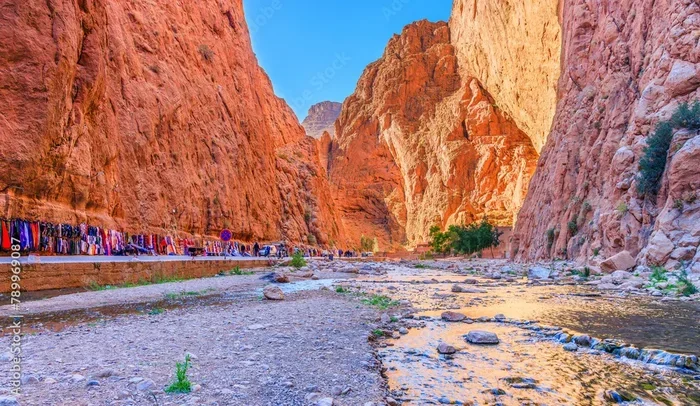
Featured image for Todra Gorge Morocco landscape
Image source: as1.ftcdn.net
The Marrakech to Todra Gorge 7 day tour is the perfect way to experience Morocco’s most stunning landscapes in one incredible journey. This week-long adventure takes you from the bustling souks of Marrakech through the Atlas Mountains, into the Sahara Desert, and back through dramatic gorges and ancient kasbahs. It’s ideal for travelers who want depth, variety, and authentic cultural experiences without the stress of planning every detail themselves.
Imagine waking up in a desert camp, watching the sunrise paint the Sahara in shades of gold and orange. Then, just two days later, you’re hiking between towering canyon walls that rise 400 meters straight up. That’s exactly what the Marrakech to Todra Gorge 7 day tour delivers, and it’s no wonder this route has become Morocco’s most popular multi-day adventure.
Morocco welcomed over 14.5 million tourists in 2023, and a huge chunk of them chose tours just like this one. Why? Because Morocco packs an absurd amount of variety into a small country. You can go from snow-capped mountains to sand dunes to lush palm valleys all in a single week. This particular route hits the highlights without making you feel rushed.
Whether you’re a solo traveler, a couple, or a family, this guide will walk you through everything you need to know. We’ll cover the route, what to expect each day, costs, packing tips, and answers to the questions travelers ask most. Think of this as your friendly roadmap to one of North Africa’s best adventures.
Key Takeaways
- Route Overview: The classic Marrakech to Todra Gorge 7 day tour loops roughly 1800 km, covering desert, mountains, gorges, and imperial cities.
- Best Time to Go: October through April offers the most comfortable weather for desert crossings and mountain drives.
- Budget Range: Mid-range tours typically cost between €600-€900 per person, while luxury options can exceed €2000.
- Physical Demand: Moderate fitness is needed for camel treks and short hikes, but no technical climbing experience is required.
- Cultural Highlights: You’ll visit at least 3-4 UNESCO World Heritage sites and traditional Berber villages along the route.
- Packing Essentials: Layers are key because temperatures can swing 25°C between desert days and mountain nights.
- Booking Tip: Reserve at least 2-3 months in advance for peak season (March-April and October-November).
📑 Table of Contents
- What Exactly Is the Marrakech to Todra Gorge 7 Day Tour?
- Day-by-Day Breakdown: What Happens Each Day
- How Much Does the Marrakech to Todra Gorge 7 Day Tour Cost?
- When Is the Best Time to Take This Tour?
- What to Pack for the Marrakech to Todra Gorge 7 Day Tour
- Practical Tips for a Smooth Experience
- Conclusion: Is the Marrakech to Todra Gorge 7 Day Tour Worth It?
What Exactly Is the Marrakech to Todra Gorge 7 Day Tour?
Let’s start with the basics. The Marrakech to Todra Gorge 7 day tour is a guided (or sometimes self-guided) loop that starts in Marrakech and ends back in Marrakech. The “Todra Gorge” part refers to one of the most spectacular stops along the way, a massive canyon in eastern Morocco where the cliffs literally tower above you like natural skyscrapers.
Who Is This Tour For?
This tour is perfect for travelers who want to see a lot without rushing. It’s also great if you don’t want to deal with the hassle of renting a car and navigating Moroccan roads yourself. Think of it like an all-you-can-eat buffet, but for landscapes. You get mountains, deserts, valleys, cities, and villages, all served up over seven days.
It’s especially popular among:
- First-time visitors to Morocco who want a comprehensive overview
- Photographers chasing dramatic scenery and golden light
- Adventure seekers who want camel rides, hikes, and culture in one trip
- Couples and honeymooners looking for romantic desert nights
- Small groups of friends wanting a shared bucket-list experience
What Does the Route Look Like?
The classic route goes something like this: Marrakech → Atlas Mountains → Ait Benhaddou → Ouarzazate → Todra Gorge → Merzouga (Sahara Desert) → Draa Valley → back to Marrakech. Some operators tweak this slightly, adding stops in Essaouira, the Dades Valley, or even a side trip to Fes. But the core experience stays the same.
Did you know? The Todra Gorge cliffs reach heights of up to 400 meters (around 1,312 feet). That’s taller than the Eiffel Tower laid on its side. It’s one of the most dramatic natural features in all of North Africa.
Day-by-Day Breakdown: What Happens Each Day
Let’s walk through a typical itinerary so you know exactly what to expect. Most tours follow a similar pattern, though timing can shift depending on the operator and weather.
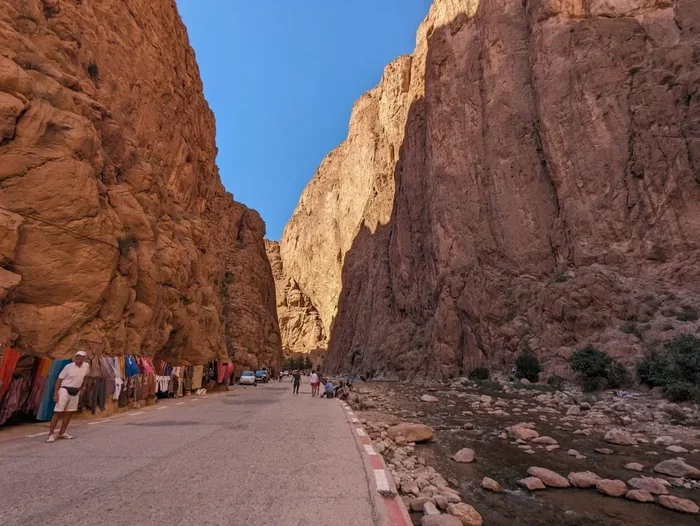
Visual guide about Todra Gorge Morocco landscape
Image source: caravansaharatrips.com
Day 1: Marrakech to the Atlas Mountains and Ait Benhaddou
Your adventure begins early, usually around 7 or 8 AM. You’ll climb over the Tizi n’Tichka pass, a winding mountain road that reaches 2,260 meters (7,415 feet) above sea level. Think of it like driving over a giant rolling hill, except the views stretch for miles.
Along the way, you’ll stop at a women’s argan oil cooperative. Argan oil is sometimes called “liquid gold” because it takes about 30 kilograms of argan fruit to produce just one liter of oil. You’ll see how local women crack the nuts by hand and press the oil using traditional methods.
The big highlight of Day 1 is Ait Benhaddou, a UNESCO World Heritage Site since 1987. This ancient fortified village (called a ksar) has been the backdrop for movies like Gladiator, Lawrence of Arabia, and Game of Thrones. You’ll climb to the top for panoramic views and explore the narrow mud-brick alleys.
Did You Know? Ait Benhaddou has appeared in over 20 Hollywood films. It’s basically the Hollywood of Morocco.
Day 2: Ouarzazate to Todra Gorge via the Dades Valley
Day 2 is all about scenery. You’ll drive through the Valley of a Thousand Kasbahs, dotted with ancient clay fortresses that look like something out of a fairy tale. Some operators call this stretch the “Road of a Thousand Kasbahs,” and honestly, the name fits.
You’ll stop at the Dades Gorge, where the road winds through bizarre rock formations that locals have nicknamed “monkey fingers.” Then you arrive at Todra Gorge, where you’ll spend the night in a local guesthouse or riad.
The afternoon is usually free for hiking. The gorge floor is flat and easy to walk, so you don’t need to be an athlete. Just bring water, sunscreen, and a camera. The light is best in the late afternoon, when the cliffs glow red and orange.
Day 3: Todra Gorge to the Sahara Desert
This is often the most anticipated day. You’ll leave Todra Gorge in the morning and drive toward Merzouga, the gateway to the Erg Chebbi dunes. The drive takes around 4-5 hours, with stops along the way.
Once you arrive, you’ll switch from your minibus to a camel. Yes, an actual camel. The trek into the desert takes about 1-2 hours, depending on your camp location. It’s a surreal experience, walking (or rather, riding) through waves of sand that can reach 150 meters high.
You’ll spend the night in a Berber desert camp. These range from basic nomad-style tents to luxury “glamping” setups with private bathrooms and hot showers. Either way, you’ll sleep under a sky so full of stars it feels fake.
Did You Know? The Sahara Desert covers about 9.2 million square kilometers, making it the largest hot desert in the world. Yet only about 15% of it is actually sand dunes. The rest is rocky plains and gravel.
Day 4: Sahara Desert Sunrise and Return to the Dunes
Most tours include a sunrise wake-up call around 5 AM. Trust us, you don’t want to miss it. Watching the sun rise over the Sahara is one of those “once in a lifetime” moments that lives up to the hype.
After breakfast at camp, you’ll either ride camels back or take 4×4 vehicles, depending on your tour. Many operators use this day to explore the desert further, including visits to nomadic families, fossil beds, or the seasonal lake of Iriki.
Some tours spend a second night in the desert, others return to a hotel in Merzouga or Erfoud. This varies a lot by operator, so always check the exact itinerary.
Day 5: Erfoud to the Draa Valley
On Day 5, you’ll start heading back toward Marrakech, but not without more stunning stops. The Draa Valley is one of Morocco’s longest palm oases, stretching about 200 kilometers. It’s like a green ribbon cutting through rocky desert.
You’ll pass through traditional Berber villages, see ancient kasbahs, and maybe stop at a date palm farm. Dates are a huge crop here, and if you’re visiting in autumn, you’ll see them being harvested.
Day 6: Draa Valley to Ouarzazate or Ait Benhaddou
This day often includes a visit to a film studio in Ouarzazate, sometimes called the “Hollywood of Africa.” Studios like Atlas and CLA Studios have produced sets for massive blockbusters. Even if you’re not a film buff, it’s a fun behind-the-scenes peek.
You might also visit the Taourirt Kasbah, a sprawling mud-brick fortress in the heart of Ouarzazate. It’s one of the most impressive kasbahs in Morocco and gives you a real sense of how wealthy traders lived centuries ago.
Day 7: Return to Marrakech via the Atlas Mountains
Your final day retraces the route over the Atlas Mountains. You’ll arrive back in Marrakech by late afternoon, usually with time to freshen up before heading out for a farewell dinner in the famous Jemaa el-Fnaa square.
That square comes alive at night with food stalls, snake charmers, musicians, and storytellers. It’s been a UNESCO Masterpiece of the Oral and Intangible Heritage of Humanity since 2001. End your trip the way Moroccans do: with great food and great people.
How Much Does the Marrakech to Todra Gorge 7 Day Tour Cost?
Money matters, so let’s break it down. Prices vary widely based on comfort level, group size, and what’s included.
Budget Tours (€400-€600 per person)
These typically include shared transport, basic hotel stays, one desert camp night, and a guide. Meals are sometimes included, sometimes not. You’ll share a tent in the desert and stay in modest hotels or riads.
Mid-Range Tours (€600-€900 per person)
This is the sweet spot for most travelers. You’ll get comfortable riad accommodations, a private or small-group vehicle, an English-speaking guide, and all meals. The desert camp might be a bit nicer, perhaps with private tents or even a luxury setup.
Luxury Tours (€1,500-€3,000+ per person)
Luxury tours mean private drivers, 4×4 vehicles, high-end riads, gourmet meals, and exclusive desert camps with private bathrooms and hot showers. Some include extras like hot air balloon rides, private cooking classes, or helicopter tours.
Pro tip: Always check what’s included. Some tours look cheap but then nickel-and-dime you for entrance fees, drinks, or tips. A good rule of thumb is to budget an extra 15-20% for tipping and personal expenses.
When Is the Best Time to Take This Tour?
Morocco has three main travel seasons, and timing matters a lot.
Peak Season: March-May and September-November
These months offer the most comfortable temperatures. Spring brings wildflowers in the Atlas Mountains. Autumn gives you warm desert days and cool nights. Both seasons are perfect for hiking, camel rides, and photography.
However, these are also the busiest times. Popular spots like Ait Benhaddou and the Sahara can feel crowded, especially around Easter and school holidays.
Shoulder Season: December-February
Winter can be magical, especially if there’s snow in the Atlas Mountains. Temperatures in the Sahara can drop below freezing at night, but days are sunny and pleasant. Some mountain passes occasionally close due to snow, so check conditions if you’re traveling in January or February.
Summer: June-August
Summer is brutally hot, especially in the desert. Daytime temperatures in Merzouga regularly exceed 45°C (113°F). Most experienced travelers avoid this season. If you must go, you’ll find lower prices and fewer crowds, but your experience will be less comfortable.
What to Pack for the Marrakech to Todra Gorge 7 Day Tour
Packing smart can make or break your trip. Here’s a simple checklist that covers the essentials.
Clothing
- Layers, layers, layers. Desert days are hot, mountain nights are cold.
- Modest clothing for visiting villages and religious sites. Cover shoulders and knees.
- Comfortable walking shoes for gorges and medinas.
- A scarf or shemagh to protect from sun, sand, and dust.
- Light jacket or fleece for desert evenings.
Health and Safety
- Sunscreen (SPF 30+) The desert sun is intense.
- Reusable water bottle Tap water isn’t safe; bottled water is everywhere but brings waste.
- Basic first aid kit Including bandages, painkillers, and anti-diarrheal meds.
- Hand sanitizer and wet wipes Especially for the desert.
- Motion sickness medication Mountain roads can be winding.
Tech and Misc
- Camera with extra batteries Cold desert nights drain batteries fast.
- Power bank Charging opportunities can be limited.
- Headlamp or flashlight Desert camps often have limited lighting.
- Adapter Morocco uses Type C and E plugs, 220V.
Practical Tips for a Smooth Experience
Here’s the inside scoop on making your tour even better.
Choose the Right Group Size
Small groups (4-8 people) offer a more intimate experience and better access to your guide. Larger groups (15+) are cheaper but feel more like a bus tour. Private tours give you total flexibility but cost more.
Learn a Few Arabic or Berber Phrases
Even a simple “Salaam alaikum” (peace be upon you) goes a long way. Moroccans are incredibly warm people and appreciate the effort. Common useful phrases include “Shukran” (thank you), “Bslama” (goodbye), and “La, shukran” (no, thank you).
Stay Hydrated but Drink Smart
Bottled water is cheap and available everywhere. Avoid tap water, including in salads washed with local water. Stick to bottled or filtered water and you’ll avoid most stomach issues.
Bargain Respectfully in the Souks
If your tour includes time in Marrakech’s souks, remember that bargaining is expected. Start at about 50% of the asking price and work your way up. Keep it friendly and smile. It’s a social interaction, not a battle.
Respect Local Customs
Morocco is a Muslim country, and while it’s very welcoming to tourists, modest behavior is appreciated. Avoid public displays of affection, ask before photographing people, and dress conservatively in rural areas.
Conclusion: Is the Marrakech to Todra Gorge 7 Day Tour Worth It?
Absolutely yes. In just seven days, you’ll experience a cross-section of Morocco that would take weeks to plan on your own. You’ll cross mountains, ride camels, sleep under desert stars, explore ancient kasbahs, and meet Berber families who still live much like their ancestors did centuries ago.
The Marrakech to Todra Gorge 7 day tour isn’t just a trip. It’s a collection of moments you’ll be talking about for years. The smell of tagine simmering over open fires. The silence of the Sahara at midnight. The way the light hits the Todra Gorge walls just before sunset. These are the things that make Morocco unforgettable.
So, if you’re thinking about booking, go for it. Pick a reputable operator, pack smart, bring an open mind, and prepare for one of the best adventures of your life. Morocco is waiting, and it’s even better than the photos suggest.
Have questions about a specific day, route, or operator? Drop them in the comments below. I’d love to help you plan the trip of a lifetime.
Frequently Asked Questions
How long is the Marrakech to Todra Gorge 7 day tour in total distance?
The full loop covers roughly 1,800 kilometers (around 1,118 miles). Most of the driving happens on Days 1, 3, and 7, while other days involve shorter scenic drives. Be prepared for long stretches in the vehicle, especially across the desert.
Is the Marrakech to Todra Gorge 7 day tour suitable for families with kids?
Yes, most tours welcome children over the age of 5 or 6. The camel rides and desert camping are huge hits with kids. Just make sure to bring sun protection, snacks, and entertainment for long drives. Some operators offer family-friendly itineraries with shorter drive times.
Do I need a visa for Morocco to take this tour?
It depends on your nationality. Citizens of the EU, US, UK, Canada, Australia, and many other countries get a free 90-day tourist visa on arrival. Always check the latest requirements with your local Moroccan embassy before traveling.
What type of accommodation can I expect on this tour?
Most tours include a mix of traditional riads (Moroccan guesthouses), mid-range hotels, and one or two nights in a Berber desert camp. Luxury tours upgrade these to high-end properties with pools, spas, and sometimes private tented suites in the desert.
Is it safe to take a guided tour in Morocco?
Morocco is generally very safe for tourists, and guided tours add an extra layer of security. You’ll have a local driver who knows the roads, a guide who speaks the language, and a planned itinerary that avoids risky areas. Just take normal precautions like you would anywhere.
Can I customize the Marrakech to Todra Gorge 7 day tour?
Absolutely. Many operators offer private or semi-private tours that can be customized. You can add stops in places like Essaouira, the Ourika Valley, or Fes, or swap activities like camel rides for quad biking. Just let your tour provider know in advance so they can adjust pricing and timing.