
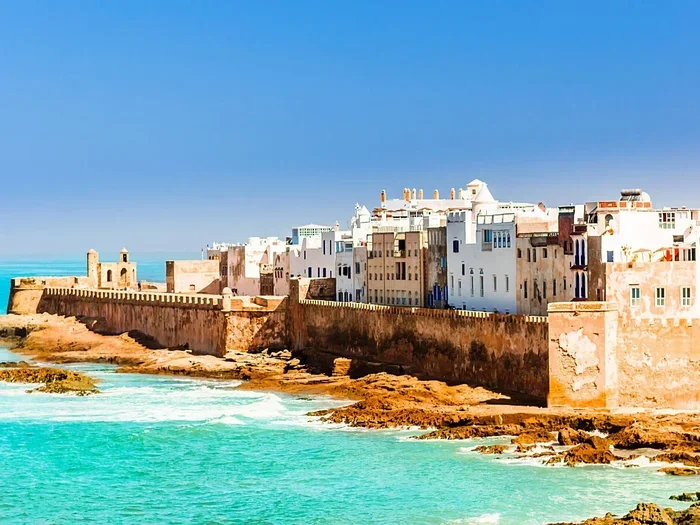
Featured image for Marrakech Essaouira Morocco coast
Image source: holidaymoroccotours.com
A 15 day tour from Marrakech to Essaouira is the ultimate way to experience Morocco’s diverse landscapes, vibrant cities, and rich cultural heritage. This comprehensive itinerary takes you from the bustling souks of Marrakech through the Atlas Mountains, into the Sahara Desert, along ancient kasbahs, and finally to the Atlantic coast. Perfect for travelers seeking adventure, history, and authentic Moroccan charm in one unforgettable journey.
Imagine standing in a bustling square where snake charmers play their flutes, then sleeping under a canopy of stars in the Sahara, and finally watching the sun set over the Atlantic Ocean. That’s exactly what a 15 day tour from Marrakech to Essaouira offers. It’s like reading a great novel where every chapter brings a new surprise.
Morocco is a country that captures all five senses. The smell of spices fills the air in ancient medinas. The sound of the call to prayer echoes through narrow alleys. The sight of snow-capped mountains contrasts with golden desert dunes. The taste of mint tea warms your soul. The feel of soft camel hair beneath your fingers connects you to centuries of tradition.
This guide will walk you through everything you need to know about planning and enjoying this incredible journey. We’ll cover the route, the highlights, practical tips, and answer all your burning questions. Whether you’re a solo traveler, a couple, or a family, this adventure promises memories that last a lifetime.
Key Takeaways
- Comprehensive Coverage: A 15 day tour from Marrakech to Essaouira covers imperial cities, desert landscapes, mountain passes, and coastal towns in one journey.
- Balanced Adventure: This itinerary balances cultural sightseeing, outdoor activities, and relaxation time across Morocco’s most iconic destinations.
- Desert Experience: Travelers spend at least one night in the Sahara Desert, typically at Merzouga or Zagora, with camel trekking included.
- Cultural Immersion: The tour includes visits to UNESCO World Heritage Sites like Ait Ben Haddou and the medinas of Fes and Marrakech.
- Coastal Finale: Essaouira provides a relaxing coastal ending with fresh seafood, wind-swept beaches, and a laid-back atmosphere.
- Practical Duration: Fifteen days allows for slower travel, deeper connections, and the flexibility to explore off-the-beaten-path locations.
- Best Travel Season: Spring (March-May) and autumn (September-November) offer the most comfortable weather for this extensive route.
📑 Table of Contents
- What Makes a 15 Day Tour from Marrakech to Essaouira Special?
- Who Should Take This Tour?
- Where Does the Tour Go? The Detailed Route
- When Is the Best Time to Travel?
- Why Choose a Guided Tour?
- Practical Tips for Your 15 Day Tour from Marrakech to Essaouira
- How Much Does This Tour Cost?
- Making the Most of Your Journey
- Conclusion: Your Moroccan Adventure Awaits
What Makes a 15 Day Tour from Marrakech to Essaouira Special?
A 15 day tour from Marrakech to Essaouira is special because it gives you enough time to truly experience Morocco without rushing. Think of it like cooking a slow stew rather than a microwave dinner. The flavors need time to develop, and the same goes for understanding a country’s culture.
Most shorter tours stick to the well-worn tourist path. They show you the highlights, snap a few photos, and move on. But with fifteen days, you can breathe. You can spend a morning getting lost in a medina and not worry about catching a bus. You can chat with a local artisan for an hour and learn about their craft. You can watch the sunset over the dunes without checking your watch.
The Diversity of Landscapes
Morocco packs an incredible variety of scenery into a relatively small area. In the span of two weeks, you’ll see:
- Imperial cities with their grand palaces and historic monuments
- The High Atlas Mountains with passes higher than some Alpine peaks
- The Sahara Desert with dunes that seem to touch the sky
- Palm oases that look like paintings from another era
- Atlantic coastline with dramatic cliffs and sandy beaches
- Berber villages where life follows ancient rhythms
This diversity is why Morocco is often called a “miniature continent.” You can ski in the morning and surf in the afternoon, if you really wanted to.
The Depth of Cultural Experience
With fifteen days, you don’t just see Morocco, you feel it. You learn why tea is poured from such a height (to create a foam on top, like a tiny work of art). You understand why bargaining is expected (it’s a social dance, not a confrontation). You discover why Moroccan architecture features such intricate geometric patterns (because Islamic art avoids depicting living beings).
Who Should Take This Tour?
This 15 day tour from Marrakech to Essaouira is perfect for several types of travelers. Let’s break down who benefits most from this kind of extended journey.
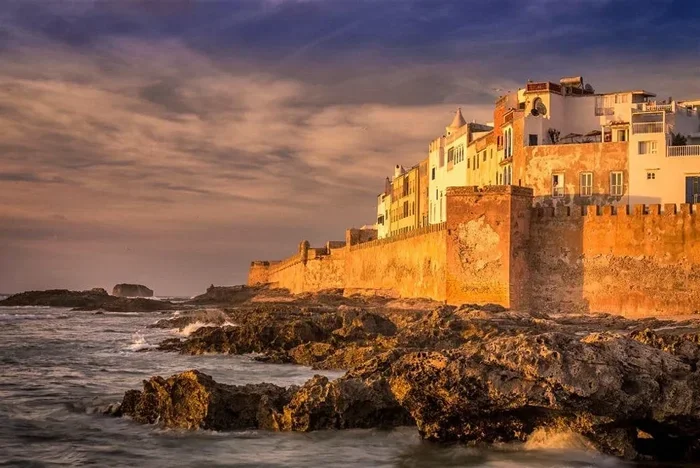
Visual guide about Marrakech Essaouira Morocco coast
Image source: marrakech-riads.com
Cultural Enthusiasts and History Buffs
If you love history, this tour is a dream come true. Did you know that Morocco has nine UNESCO World Heritage Sites? This itinerary typically covers at least four of them. You’ll walk through medieval medinas that have changed little since the 14th century. You’ll stand in the very room where gladiators were filmed and see why Hollywood keeps coming back to Morocco for epic movies.
History enthusiasts will love visiting Volubilis, the Roman ruins that date back to the 3rd century BC. Walking among the mosaics and columns, you can almost hear the chariots rolling by. Fes el Bali, the old city of Fes, is like stepping into a time machine. It’s the world’s largest car-free urban area, with donkeys still serving as the main delivery vehicles.
Adventure Seekers
For those who crave adventure, this tour delivers in spades. You’ll ride camels into the Sahara, hike through mountain valleys, and perhaps even try sandboarding down dunes. The journey includes crossing the Tizi n’Tichka pass in the Atlas Mountains, which reaches over 2,260 meters (7,400 feet) above sea level.
Adventure doesn’t always mean extreme sports. Sometimes it’s about trying new foods, navigating unfamiliar streets, or sleeping in a desert camp. All of these small challenges build confidence and create the best travel stories.
Photographers and Creatives
Photographers will never run out of subjects. The light in Morocco is special, especially during the golden hours. Blue-painted Chefchaouen offers a dreamy palette. The red dunes of Merzouga glow like fire. The fishing boats of Essaouira bob in harbors that have looked the same for centuries.
Did you know that Morocco has been the backdrop for over 100 major films? Lawrence of Arabia, Gladiator, Black Hawk Down, and many others were shot here. Once you visit, you’ll understand why. Every corner feels cinematic.
Families and Couples
Families with older children find this tour manageable and engaging. Kids love camel rides, desert camps, and the novelty of staying in riads (traditional Moroccan houses with interior gardens). Couples appreciate the romantic elements: sunset camel treks, intimate dinners in old palaces, and walks along Essaouira’s ramparts.
Where Does the Tour Go? The Detailed Route
Now let’s get specific. A well-planned 15 day tour from Marrakech to Essaouira follows a logical loop that makes geographic sense. Starting and ending at different points also means you don’t backtrack unnecessarily.
Days 1-3: Exploring Marrakech
Your journey begins in Marrakech, the “Red City” so named because of its distinctive red sandstone buildings. Spend your first day recovering from jet lag and exploring the medina at a leisurely pace.
Day two is for the major sights. Visit the Koutoubia Mosque (the tallest structure in the medina), the Bahia Palace with its stunning gardens, and the Saadian Tombs hidden in a kasbah. In the afternoon, head to the Majorelle Garden, a blue oasis that once belonged to fashion designer Yves Saint Laurent.
Day three takes you to the Menara Gardens and the Mellah (Jewish Quarter). As evening falls, find a rooftop café overlooking Jemaa el-Fnaa square. Watch as the square transforms into an open-air restaurant with food stalls, musicians, and storytellers.
Days 4-5: Crossing the Atlas Mountains to Ait Ben Haddou
Leave Marrakech early to cross the High Atlas Mountains via the Tizi n’Tichka pass. The drive takes about four hours, but you’ll want to stop often for photos. The road winds through valleys where Berber villages cling to hillsides.
Stop at Ait Ben Haddou, a fortified village (ksar) that looks like it grew straight out of the earth. It’s one of Morocco’s most photogenic spots and a UNESCO World Heritage Site. Walk through the mud-brick towers and imagine living here centuries ago.
Stay overnight in nearby Ouarzazate, known as the “Hollywood of Africa” for its film studios. Tour the Atlas Studios where blockbusters like Gladiator and Kingdom of Heaven were filmed.
Days 6-7: The Road to the Sahara
Continue south toward the desert, passing through the Valley of Roses and the Dades Valley. The landscapes here are otherworldly, with rock formations that look like they’ve been carved by sculptors.
Reach Merzouga or Zagora (the two main desert gateways) by day six. Here, you’ll meet your camels for the trek into the Erg Chebbi or Erg Chigaga dunes. Watching the sun set over the Sahara is one of life’s truly unforgettable moments. The dunes seem to glow orange, then pink, then purple as the light fades.
Spend the night in a desert camp. Modern camps range from basic to luxurious, with comfortable beds, traditional music around a campfire, and Berber cuisine served under the stars.
Days 8-9: Desert to Fes via Middle Atlas
Wake early to watch the sunrise over the dunes. This is worth the early alarm, trust me. Then camel trek back and begin the journey north toward Fes.
The route takes you through the Middle Atlas Mountains, with stops in Ifrane (often called “Little Switzerland” for its alpine architecture) and the cedar forests of Azrou, where you might see Barbary macaque monkeys.
Arrive in Fes by day nine. After the desert’s silence, the medina will feel almost overwhelming with its noise, colors, and crowds.
Days 10-11: Discovering Fes
Spend a full day exploring Fes el Bali, the world’s largest medina without cars. Your guide will lead you through a maze of alleys to the Al-Qarawiyyin University (founded in 859 AD, often cited as the world’s oldest university), the Bou Inania madrasa, and the famous tanneries.
Did you know that Fes was once the world’s largest city after Baghdad? At its peak in the 13th century, it had over 200,000 residents. Today, the medina still has around 150,000 people living within its walls.
The tanneries are a must-see, though the smell is strong (bring mint leaves to sniff). The colorful vats of dye create a patchwork that looks like an artist’s canvas.
Days 12-13: Chefchaouen, the Blue Pearl
Travel west to Chefchaouen, the famous blue-washed mountain town. Why is it blue? Several theories exist: it keeps mosquitoes away, it symbolizes the sky and heaven, or it was introduced by Jewish refugees in the 1930s. Whatever the reason, it’s stunning.
Spend a day hiking in the surrounding hills, shopping for local handicrafts, and just soaking in the laid-back atmosphere. Chefchaouen is smaller and quieter than the imperial cities, a welcome change of pace.
Days 14-15: To the Coast at Essaouira
Drive to the Atlantic coast and reach Essaouira by day fourteen. This former Portuguese trading post has a completely different vibe from the inland cities. The air smells of salt and fish. Gulls wheel overhead. The pace slows down.
Explore the medina (a UNESCO site), the bustling fishing port, and the dramatic ramparts that line the coast. Essaouira has been a filming location too. Did you know parts of Game of Thrones were filmed here? Astapor and other Essos cities used Essaouira’s locations.
Enjoy fresh seafood at the port, where you can pick your fish and have it grilled right in front of you. On your final day, relax on the beach, take a surfing lesson, or browse the art galleries that have made Essaouira a creative hub.
When Is the Best Time to Travel?
Timing your 15 day tour from Marrakech to Essaouira correctly can make a huge difference in your experience. Let’s look at the seasons.
Spring (March to May)
Spring is arguably the best time. Temperatures are mild, ranging from 20-25°C (68-77°F) in most areas. The Atlas Mountains are still snow-capped, the desert isn’t too hot, and wildflowers bloom in the valleys. This is peak tourist season, so book accommodations early.
Autumn (September to November)
Autumn rivals spring as the ideal time. The summer heat has passed, crowds thin out after October, and the light is beautiful for photography. Temperatures are similar to spring, though nights in the desert can get quite cold.
Winter (December to February)
Winter offers lower prices and fewer crowds, but be prepared for cold nights, especially in the desert (temperatures can drop below freezing). Snow sometimes closes mountain passes, and some remote areas become harder to access.
Summer (June to August)
Summer is the most challenging time. Desert temperatures regularly exceed 45°C (113°F). Coastal Essaouira is more comfortable due to ocean breezes, but inland areas can be brutal. If you must travel in summer, focus on the coast and higher elevations.
Why Choose a Guided Tour?
You might wonder why you should book a guided 15 day tour from Marrakech to Essaouira instead of going solo. There are several compelling reasons.
Local Knowledge and Access
Good guides know the hidden gems. They know which medina alleys are safe, which restaurants serve authentic food, and which artisans are worth meeting. They can also arrange experiences that independent travelers often miss, like home-cooked meals with Berber families or visits to workshops not open to casual tourists.
Think of your guide as a key that unlocks doors. Without it, you might still see the rooms, but you’ll miss the secrets.
Logistics and Safety
Morocco is generally safe, but navigating the medinas can be disorienting. Public transportation between cities is available but time-consuming. A guided tour handles all the logistics: comfortable transport, pre-booked accommodations, entrance tickets, and restaurant reservations.
Did you know that Morocco has invested heavily in tourism infrastructure? The country welcomed over 13 million tourists in 2019, making it one of Africa’s top destinations. This means good roads, reliable services, and English-speaking staff in most tourist areas.
Language Barriers
While many Moroccans speak some French (the legacy of French colonialism) and increasingly English in tourist areas, rural areas still primarily speak Arabic and Berber languages (Tamazight). A guide bridges this gap effortlessly.
Time Efficiency
With only fifteen days, you don’t want to waste time figuring out bus schedules or haggling with taxi drivers. A guided tour maximizes your experience time and minimizes hassle.
Practical Tips for Your 15 Day Tour from Marrakech to Essaouira
Let me share some practical wisdom to make your journey smoother.
What to Pack
Pack layers. Desert days are hot, but nights can be surprisingly cold, even in spring or autumn. Bring a light jacket, sunscreen, a hat, comfortable walking shoes, and modest clothing for visiting religious sites.
- Clothing: Long pants and long-sleeved shirts for mosques and conservative areas
- Footwear: Comfortable closed-toe shoes for cobblestone medinas
- Accessories: Sunglasses, scarf or shemagh for desert dust
- Tech: Power adapter (Morocco uses Type C and E plugs), portable charger
- Health: Basic first aid kit, any personal medications, hand sanitizer
Money Matters
The Moroccan Dirham (MAD) is the local currency. It’s a closed currency, meaning you can’t get it outside Morocco or take large amounts out. ATMs are widely available in cities. Credit cards work in larger establishments, but cash is king in medinas and rural areas.
Did you know that the dirham has been Morocco’s currency since 1882? Banknotes feature King Mohammed VI and iconic Moroccan landmarks.
Health and Safety
Tap water isn’t recommended for visitors. Stick to bottled water, which is cheap and plentiful. Most travelers experience some stomach adjustment in the first few days. Bring over-the-counter remedies just in case.
Petty crime exists but is rare. Keep your belongings secure in crowded areas. Your guide will provide specific safety tips for each location.
Cultural Etiquette
Morocco is a Muslim country with conservative values, though it’s quite liberal compared to some neighbors. Dress modestly, especially in rural areas. Ask permission before photographing people. Use your right hand for eating and greetings. These small gestures earn you big respect.
Photography Tips
Bring extra memory cards and batteries. You’ll take more photos than you expect. Early morning and late afternoon light (the “golden hours”) are magical. Ask permission for portraits, and be prepared for a few dirhams as “tip” in touristy areas.
How Much Does This Tour Cost?
Pricing varies widely based on accommodations, group size, and inclusions. Here’s a general breakdown.
Budget Options ($1,200-1,800 per person)
Budget tours use shared transport, basic riads, and mixed group settings. Meals might not be included. You’ll still see all the highlights, but with fewer frills.
Mid-Range Options ($1,800-2,800 per person)
Mid-range tours offer private transport, nicer riads, and most meals included. Groups are smaller (4-12 people). This is the sweet spot for most travelers.
Luxury Options ($3,000+ per person)
Luxury tours include top-tier riads, private guides, desert glamping, and exclusive experiences. Some offer private drivers and full-time guides.
Remember that these prices typically exclude international flights. Shop around, read reviews, and check what’s included before booking.
Making the Most of Your Journey
A 15 day tour from Marrakech to Essaouira is more than a vacation. It’s a life chapter. Here are some final tips to make it unforgettable.
Embrace the Unexpected
Things won’t always go according to plan. A road might be closed. A festival might pop up unexpectedly. A local might invite you for tea. These moments often become your best memories. Stay flexible.
Learn Basic Phrases
A little Arabic goes a long way. “Salam alaikum” (peace be upon you) and “shukran” (thank you) open many doors. Moroccans appreciate effort, even imperfect pronunciation.
Slow Down
Don’t try to see everything. Pick a few markets and browse slowly. Sit in a café and watch life unfold. Talk to people. Morocco rewards those who linger.
Document Your Journey
Keep a journal or start a travel blog. Future you will thank present you for the details. What did the medina smell like? How did the camel feel? What did you think when you saw the dunes?
Conclusion: Your Moroccan Adventure Awaits
A 15 day tour from Marrakech to Essaouira is more than an itinerary. It’s a complete immersion into one of the world’s most fascinating countries. From the red walls of Marrakech to the blue alleys of Chefchaouen, from the silence of the Sahara to the salt air of Essaouira, every day brings something new.
This journey gives you the best of Morocco: imperial cities, mountain landscapes, desert adventures, coastal relaxation, and everywhere, the warmth of Moroccan hospitality. You’ll taste tagines and couscous. You’ll hear music that moves your soul. You’ll see colors that don’t exist anywhere else. You’ll create memories that last forever.
So, are you ready to pack your bags? The souks are waiting. The dunes are calling. The tea is brewing. Your Moroccan adventure begins the moment you decide to go.
Frequently Asked Questions
Is 15 days enough to visit Marrakech, the Sahara, and Essaouira?
Yes, 15 days is actually ideal for covering these destinations with comfort. You get enough time to enjoy major highlights without feeling rushed. You’ll have time for rest days, spontaneous discoveries, and deeper cultural engagement rather than just surface-level sightseeing.
What is the best time of year for a 15 day tour from Marrakech to Essaouira?
Spring (March-May) and autumn (September-November) are the best times. Temperatures are mild across all regions, from the mountains to the desert to the coast. Summer is extremely hot in the desert, while winter can bring cold nights and occasional snow in mountain areas.
Do I need a visa for Morocco?
Most Western travelers (US, EU, UK, Canada, Australia) can enter Morocco visa-free for up to 90 days. Your passport must be valid for at least six months beyond your entry date. Always check current requirements before traveling, as rules can change.
Is Morocco safe for tourists?
Morocco is generally very safe for tourists. Violent crime against visitors is rare. The main concerns are petty theft in crowded areas and occasional scams (like unauthorized “guides” in medinas). Traveling with a reputable tour company significantly reduces these risks.
What should I wear on this tour?
Pack modest, comfortable clothing. For women, long pants or skirts and shoulder-covering tops are recommended, especially in religious sites. Light layers work best since temperatures vary from day to night. Comfortable walking shoes are essential for cobblestone medinas.
Can I customize this 15 day Marrakech to Essaouira tour?
Absolutely. Most tour operators offer customizable itineraries. You can add activities like cooking classes, surfing lessons in Essaouira, hot air balloon rides in Marrakech, or extra days in specific locations. Discuss your interests with the operator when booking.