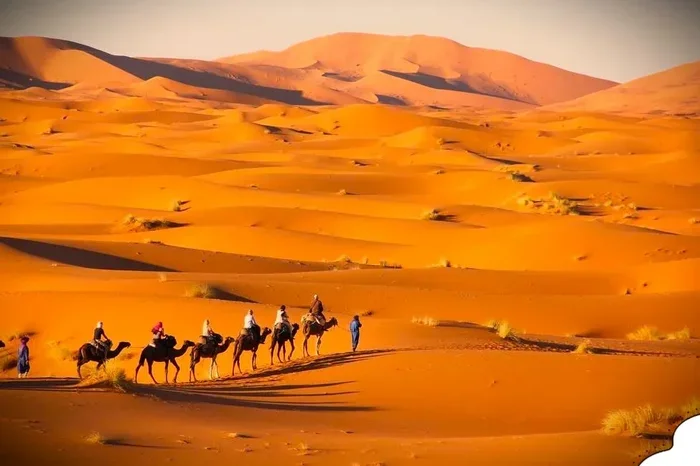
Featured image for Zagora desert camel sunset
Image source: saharacameltours.com
A 3-day excursion from Marrakech to Zagora is one of Morocco’s most iconic desert adventures. This journey takes travelers through the Atlas Mountains, ancient kasbahs, and into the heart of the Sahara Desert. You’ll ride camels across golden dunes, sleep under starry desert skies, and experience authentic Berber culture. This guide covers everything you need to plan the perfect Zagora desert trip.
Imagine standing at the edge of an endless sea of golden sand, the sun melting into the horizon like a fiery orange coin. Behind you, camel footprints mark your journey across the dunes. Above you, a sky so clear it seems close enough to touch. This isn’t a dream. This is what awaits you on a 3-day excursion from Marrakech to Zagora.
Morocco’s desert adventures have captivated travelers for centuries. From Lawrence of Arabia to modern-day explorers, people have been drawn to the mystery and magic of the Sahara. And Zagora, a small desert town in southeastern Morocco, serves as one of the most accessible gateways to this otherworldly experience.
This comprehensive guide will walk you through every aspect of planning your Marrakech to Zagora excursion. You’ll learn about the route, what to expect, how to prepare, and why this journey should be at the top of your Morocco bucket list.
Key Takeaways
- Distance and Duration: The Marrakech to Zagora route covers approximately 350 km and takes about 7-8 hours of driving one way through dramatic mountain landscapes.
- Best Time to Visit: October to April offers the most comfortable desert weather, with mild days and cool, pleasant nights perfect for camping.
- What to Expect: Camel treks, traditional Berber camps, visits to UNESCO sites like Ait Ben Haddou, and stunning Draa Valley scenery.
- Budget Range: Tours typically cost between €150-€400 per person, depending on accommodation level and group size.
- What to Pack: Light layers, sunscreen, a headscarf, comfortable shoes, and a camera for the unforgettable desert landscapes.
- Cultural Insight: Zagora is a gateway to authentic Berber culture, with the region’s population speaking Arabic, Berber, and often French.
- Adventure Level: Moderate – suitable for most travelers with reasonable fitness, including families and older adults.
📑 Table of Contents
- What Is the Marrakech to Zagora Excursion and Why Is It So Popular?
- What Does a Typical 3-Day Itinerary Look Like?
- Who Should Take This Excursion?
- When Is the Best Time to Visit Zagora?
- Where Exactly Does the Excursion Go?
- How Do You Prepare for Your Excursion?
- How Much Does the Excursion Cost?
- What Are the Best Optional Activities?
- Conclusion: Is the Marrakech to Zagora Excursion Worth It?
What Is the Marrakech to Zagora Excursion and Why Is It So Popular?
The Marrakech to Zagora excursion is a multi-day guided tour that takes travelers from the bustling imperial city of Marrakech deep into the Moroccan desert. It combines cultural exploration, scenic drives, and authentic desert experiences into one unforgettable adventure.
Understanding the Route
The journey stretches roughly 350 kilometers (about 220 miles) southeast of Marrakech. It crosses two major mountain ranges, the High Atlas and the Anti-Atlas, before descending into the desert plains. Think of it like driving from London to Edinburgh, but with mountains, kasbahs, and palm oases replacing castles and rolling hills.
Zagora itself is a small town that has been a desert crossroads for centuries. It’s historically famous for the Tinfou dunes, which offer some of the most accessible Saharan landscapes in Morocco. Just two hours beyond Zagora lies the true erg (sand sea), where the towering dunes of Erg Chigaga or Erg Chebbi await more adventurous travelers.
The Historical Significance
Did you know that Zagora was once a major caravan trading post? For hundreds of years, merchants traveled from this region across the Sahara to reach Timbuktu and other African trading centers. The famous “Tombouctou 52 jours” (Timbuktu 52 days) sign still stands in Zagora today, marking the legendary journey that traders once made.
Why Choose Zagora Over Other Desert Destinations?
Zagora offers something other desert destinations don’t: accessibility combined with authenticity. Here’s why travelers love it:
- Closer to Marrakech: Compared to Merzouga (the gateway to Erg Chebbi), Zagora is significantly closer, making the 3-day format truly relaxing rather than exhausting.
- Less crowded: The dunes around Zagora feel more intimate and less touristy than the popular Erg Chebbi area.
- Diverse landscapes: The route includes mountains, valleys, kasbahs, and dunes, offering variety in just three days.
- Cultural immersion: Smaller groups allow for deeper connections with local Berber communities.
What Does a Typical 3-Day Itinerary Look Like?
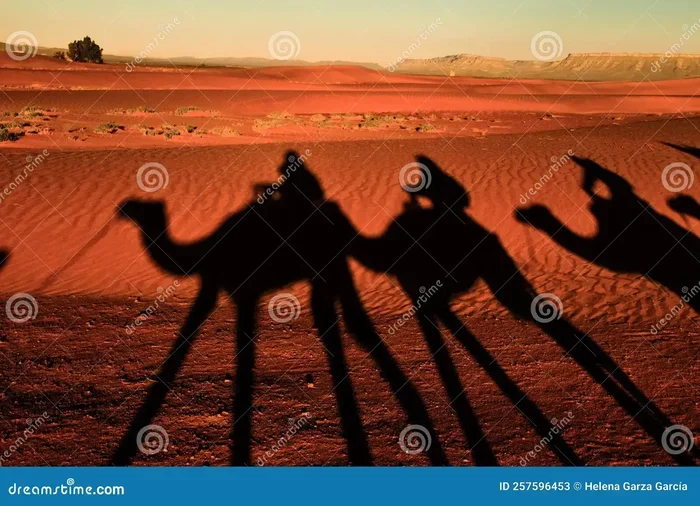
Visual guide about Zagora desert camel sunset
Image source: thumbs.dreamstime.com
Knowing what happens each day helps you prepare mentally and physically. Most tours follow a similar pattern, though specific stops may change based on your operator and group preferences.
Day 1: Marrakech to the Draa Valley
Your adventure begins bright and early, typically around 7:00 AM. A minibus or 4×4 vehicle picks you up from your Marrakech hotel or riad. The first major stop is the Tizi n’Tichka pass, which climbs to 2,260 meters (about 7,400 feet) through the High Atlas Mountains.
Think of the mountain pass like driving over a giant speed bump that takes two hours to climb. The winding roads offer breathtaking views, with Berber villages clinging to hillsides and terraced farms creating patchwork patterns on the slopes.
After descending the mountains, you’ll visit the famous Ait Ben Haddou, a UNESCO World Heritage site. This ancient fortified village (ksar) has been the backdrop for Hollywood films like Gladiator, Lawrence of Arabia, and Game of Thrones. Walking through its narrow alleys feels like stepping back in time.
The journey continues through Ouarzazate, known as the “Hollywood of Africa” due to its film studios. Then you’ll pass through the stunning Draa Valley, a ribbon of green palm groves stretching for over 200 kilometers. By evening, you arrive in Zagora, where you board camels for a short trek into the dunes. Tonight, you sleep in a traditional Berber desert camp.
Day 2: Full Desert Experience
Day two is often the highlight of the entire trip. You wake up in the desert camp as the sun rises over the dunes, painting them in shades of pink and gold. After breakfast, you have several options depending on your tour:
- Full day camel trek: Spend the day traversing deeper into the dunes with a Berber guide, stopping for tea and lunch in the desert.
- 4×4 desert adventure: Take a thrilling drive through the sand sea to reach remote locations inaccessible by camel.
- Visit Tamegroute: Explore this nearby village famous for its green-glazed pottery and ancient Quranic library.
Most tours include a traditional Berber lunch, often featuring tagine (a slow-cooked stew named after its cone-shaped clay pot), fresh bread, and mint tea. The evening brings another night under the stars, with traditional music around a campfire.
Day 3: Return to Marrakech
The final day starts with sunrise over the dunes, a moment many travelers describe as life-changing. After breakfast and a camel ride back to Zagora, you’ll begin the journey back to Marrakech.
The return route often includes stops you might have missed on day one, such as the Todra Gorge or specific kasbahs. You’ll arrive back in Marrakech by late afternoon or early evening, tired but filled with incredible memories.
Who Should Take This Excursion?
One of the best things about the Marrakech to Zagora excursion is its broad appeal. Almost anyone with reasonable fitness and a sense of adventure can enjoy this trip.
Perfect for First-Time Desert Travelers
If you’ve never been to a desert before, Zagora is an ideal introduction. The dunes are accessible, the journey isn’t overly long, and the infrastructure for tourism is well-developed. You get all the magic of the Sahara without the extreme isolation of more remote destinations.
Great for Families with Older Children
Children over age 8 typically love this excursion. Riding a camel is like a real-life storybook adventure for them. Just keep in mind that desert nights can get cold, even in spring and autumn, so pack accordingly.
Ideal for Couples and Honeymooners
The romantic appeal of desert sunsets, starlit nights, and intimate Berber camps makes this a popular choice for couples. Many tours offer private upgrades for honeymooners seeking extra privacy and special touches.
Suitable for Solo Travelers
Solo travelers find this excursion particularly welcoming. Group tours provide built-in camaraderie, and many operators offer single rooms without massive supplements. The shared experience of the desert creates bonds between travelers from around the world.
Consider Your Fitness Level
While you don’t need to be an athlete, basic mobility helps. Getting on and off camels requires some flexibility, and walking on sand is more tiring than walking on solid ground. If you have severe back problems or mobility issues, discuss these concerns with your tour operator beforehand.
When Is the Best Time to Visit Zagora?
Timing can make or break your desert experience. Morocco’s desert climate varies dramatically between seasons, and choosing the right time ensures comfort and safety.
Peak Season: October to April
These months offer the most pleasant weather for desert travel. Daytime temperatures hover between 20-28°C (68-82°F), perfect for camel treks and exploring. Nights cool down to around 5-10°C (41-50°F), making campfires and starlit skies comfortable.
Did you know that desert temperatures can swing 30 degrees between day and night? This dramatic variation is why layering your clothing is essential.
Shoulder Seasons: March-April and October-November
These transitional periods offer the best balance of comfortable temperatures and fewer crowds. Wildflowers sometimes bloom in the Draa Valley during spring, creating stunning photographic opportunities.
Summer (May to September): Proceed with Caution
Summer in the Sahara is brutal. Temperatures regularly exceed 45°C (113°F), making daytime activities dangerous. Some operators suspend tours during peak summer months. If you must travel in summer, choose tours that focus on early morning and evening activities.
Winter Considerations
Winter nights in the desert can drop below freezing, especially in December and January. While days remain pleasant, you’ll need serious cold-weather gear for early mornings and evenings.
Where Exactly Does the Excursion Go?
Understanding the geography helps you appreciate what you’re seeing. The route weaves through some of Morocco’s most spectacular landscapes.
The High Atlas Mountains
These mountains form a natural barrier between Marrakech and the desert. The Tizi n’Tichka pass reaches 2,260 meters, and the drive offers some of Morocco’s most dramatic scenery. Snow-capped peaks appear in winter and spring.
Ait Ben Haddou
This UNESCO-listed ksar is a collection of earthen buildings surrounded by defensive walls. It’s one of Morocco’s most recognizable landmarks and an essential photo stop.
Ouarzazate
Often called the “Door of the Desert,” this city sits at the meeting point of the Atlas Mountains and the Sahara. Its film studios have hosted productions from Lawrence of Arabia to modern blockbusters.
The Draa Valley
Morocco’s longest river valley stretches for 200+ kilometers, lined with date palm groves, kasbahs, and traditional Berber villages. It’s like driving through an oasis that seems to go on forever.
The Tinfou Dunes and Beyond
The Tinfou dunes, located about 15 kilometers from Zagora, mark the beginning of the true desert. Depending on your tour, you may also visit the more remote Erg Chigaga dunes, which require a 4×4 to reach and offer a more isolated experience.
Zagora Town
The town itself is small but historically significant. Beyond its tourist infrastructure, you’ll find markets, the famous Timbuktu sign, and connections to centuries of Saharan trade.
How Do You Prepare for Your Excursion?
Proper preparation transforms a good trip into a great one. Here’s everything you need to know before you go.
What to Pack
- Clothing: Light, breathable fabrics for daytime and warm layers for cold desert nights. A warm jacket or fleece is essential, even in spring.
- Sun protection: High-SPF sunscreen, sunglasses, and a wide-brimmed hat or scarf to protect from intense desert sun.
- Footwear: Comfortable closed-toe shoes for walking, plus sandals for camp. Avoid brand-new shoes that haven’t been broken in.
- Headlamp or flashlight: Desert camps have minimal lighting, and walking between tents at night requires illumination.
- Camera and batteries: The photo opportunities are endless, and you’ll want extra batteries since cold nights drain them quickly.
- Personal medications: Bring any prescriptions plus basics like motion sickness pills, pain relievers, and rehydration salts.
- Small backpack: Useful for day excursions when you don’t want to carry your main luggage.
Health and Safety Tips
The desert environment poses unique challenges. Stay hydrated by drinking at least 3-4 liters of water daily. Avoid alcohol, which dehydrates you faster. Listen to your guide’s instructions about sun exposure, and don’t hesitate to rest when tired.
Most reputable tour operators carry first aid equipment and have guides trained in basic emergency response. Travel insurance that covers adventure activities is highly recommended.
Cultural Etiquette
Morocco is a Muslim country with conservative traditions. Dress modestly, especially in villages. Ask permission before photographing people. During Ramadan, avoid eating, drinking, or smoking in public during daylight hours. Learning a few Arabic or Berber phrases like “salaam alaikum” (peace be upon you) goes a long way in building goodwill.
Choosing the Right Tour Operator
Not all tour operators are equal. Look for companies with:
- Strong online reviews on independent platforms
- Clear pricing with no hidden fees
- Small group sizes (ideally under 15 people)
- Experienced, English- or French-speaking guides
- Transparent cancellation policies
- Local ownership or partnerships
How Much Does the Excursion Cost?
Budget is always a consideration, and the Marrakech to Zagora excursion offers options for various price points.
Budget Tours (€150-€200 per person)
These tours typically use shared transportation, stay in standard desert camps, and travel in larger groups (15-20 people). The experience is authentic and enjoyable, just less luxurious.
Mid-Range Tours (€200-€300 per person)
This sweet spot offers smaller groups, better vehicles, upgraded camp accommodations with private tents, and more included activities. Most travelers find this range offers the best value.
Luxury Tours (€300-€400+ per person)
Private tours with luxury riads, premium 4×4 vehicles, exclusive desert camps with en-suite bathrooms, and personalized service. Perfect for special occasions or travelers who want maximum comfort.
What’s Typically Included
Most tours include transportation, accommodation, breakfast and dinner daily, camel trek, guide services, and camp activities. Drinks, lunch, tips, and personal expenses are usually extra.
Hidden Costs to Watch For
Some operators charge extra for activities like 4×4 desert excursions, entrance fees to monuments, or specific meals. Always confirm what’s included before booking.
What Are the Best Optional Activities?
While the core itinerary is spectacular, several add-on activities can enhance your experience.
Sandboarding in the Dunes
Think of sandboarding like snowboarding, but on warm sand instead of cold snow. The dunes around Zagora offer perfect slopes for beginners and experienced boarders alike.
4×4 Desert Expeditions
For travelers seeking more adventure, 4×4 excursions can take you deeper into the desert, visit nomadic families, or reach remote oases inaccessible by camel.
Traditional Hammam Experience
After days in the desert, a traditional Moroccan steam bath (hammam) provides relaxation and cleansing. Many Marrakech riads offer this service upon your return.
Stargazing Sessions
Desert skies offer some of the clearest stargazing on Earth. Some tours include astronomy sessions with guides who explain the constellations visible in the Saharan sky.
Visit to Local Markets
If your itinerary aligns with a local market day (souq), you’ll witness authentic trading between Berber communities. These markets are vibrant, colorful, and offer insight into traditional desert life.
Conclusion: Is the Marrakech to Zagora Excursion Worth It?
Absolutely. The 3-day excursion from Marrakech to Zagora offers an unparalleled introduction to Morocco’s desert landscapes and cultures. In just three days, you transition from the chaos of a medieval imperial city to the silence of an infinite desert.
The journey delivers everything travelers hope for: dramatic mountain scenery, ancient kasbahs, camel treks, Berber hospitality, and nights under star-filled skies. Whether you’re a first-time visitor to Morocco or a returning explorer, this excursion reveals the country’s incredible diversity.
The memories you create on this trip will last a lifetime. The sunset over the dunes, the warmth of Berber hospitality, the silence of the desert at midnight, these are moments that transform how you see the world.
So pack your bags, charge your camera, and prepare for one of Morocco’s most extraordinary adventures. The Sahara is waiting.
Frequently Asked Questions
How long is the drive from Marrakech to Zagora?
The drive from Marrakech to Zagora covers approximately 350 kilometers and takes 7-8 hours, typically broken up with stops at scenic points like Ait Ben Haddou and the Draa Valley. Most tours spread this journey over the first day of the excursion.
Is the camel ride safe for beginners?
Yes, camel rides on the Marrakech to Zagora excursion are safe for beginners. The camels are well-trained, and guides help you mount and dismount. The ride is more uncomfortable than dangerous, and most people adapt quickly to the gentle swaying motion.
What type of accommodation is in the desert camp?
Desert camps typically offer traditional Berber-style tents with mattresses, blankets, and pillows. Standard camps have shared bathroom facilities, while luxury options provide private tents with en-suite bathrooms. The experience is authentic rather than luxurious.
Can I do the excursion if I have dietary restrictions?
Most tour operators accommodate dietary restrictions with advance notice. Vegetarian, vegan, halal, and gluten-free options are commonly available. Inform your tour operator when booking, and confirm again when you meet your guide.
Is it safe to travel to the Zagora desert?
Yes, the Zagora region is considered safe for tourists. The area has a long history of welcoming visitors, and local communities rely on tourism. Standard travel precautions apply, and going with a reputable tour operator enhances safety significantly.
Do I need a visa for Morocco?
Visa requirements depend on your nationality. Many countries, including the US, EU nations, UK, Canada, and Australia, can enter Morocco visa-free for stays of 90 days. Check current requirements with the Moroccan consulate or embassy in your country before traveling.