
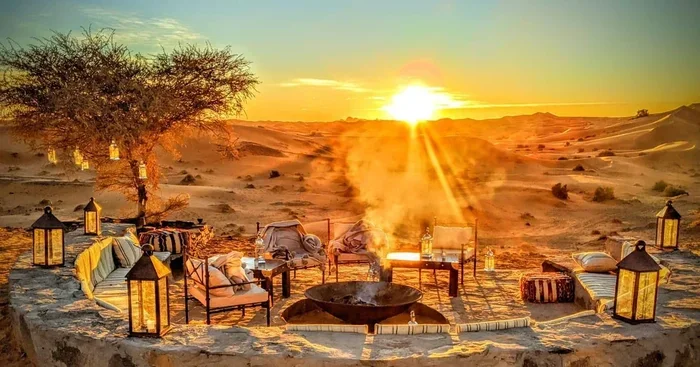
Featured image for Marrakech Agafay desert sunset
Image source: cdn.getyourguide.com
A 6 days tour from Marrakech to Agafay Desert offers the perfect blend of city exploration, mountain adventures, and desert immersion. This carefully crafted itinerary takes you through Morocco’s most stunning landscapes, from the bustling medinas of Marrakech to the serene dunes of Agafay. Expect authentic Berber experiences, camel treks, and unforgettable sunsets over the desert horizon.
Marrakech pulses with energy the moment you step into its ancient medina. The smell of spices mingles with fresh mint tea, and donkey carts weave between scooters in narrow lanes that have barely changed in a thousand years. But beyond the city walls lies another Morocco entirely, one of sweeping deserts, snow-capped mountains, and timeless villages.
A 6 days tour from Marrakech to Agafay Desert unlocks this hidden side of Morocco. While many travelers spend their entire vacation within Marrakech’s bustling streets, those who venture out discover why Moroccans say the country truly begins where the pavement ends. The Agafay Desert, often called the “Desert of Marrakech,” sits just 45 minutes from the city center, yet feels worlds away from urban chaos.
This guide walks you through everything you need to know about planning and enjoying this incredible journey. From what to pack to which experiences you simply cannot miss, consider this your friendly companion for planning the trip of a lifetime.
Key Takeaways
- Perfect Duration: Six days provides enough time to explore Marrakech, the Atlas Mountains, and the Agafay Desert without feeling rushed.
- Diverse Experiences: The tour combines cultural immersion, adventure activities, and natural beauty in one comprehensive package.
- Authentic Encounters: You’ll visit traditional Berber villages and meet local families who have preserved their customs for centuries.
- Adventure Activities: Camel rides, hiking, and quad biking are typically included, offering multiple ways to experience the landscape.
- Comfortable Accommodation: Most tours include a mix of riads, hotels, and luxury desert camps for varied experiences.
- Best Seasons: Spring (March-May) and autumn (September-November) offer the most pleasant weather for desert travel.
- Cultural Sensitivity: Respecting local customs and dressing modestly enhances your interactions with Berber communities.
📑 Table of Contents
- Why Choose a 6-Day Marrakech to Agafay Desert Tour?
- What Makes the Agafay Desert Special?
- Who Should Take This Tour?
- What to Expect Day by Day
- Where to Stay During Your Tour
- When to Visit: Best Seasons and Timing
- What to Pack and Practical Tips
- How Much Does a 6-Day Marrakech to Agafay Tour Cost?
- Choosing the Right Tour Operator
- Making the Most of Your Desert Experience
- Conclusion: Your Moroccan Adventure Awaits
Why Choose a 6-Day Marrakech to Agafay Desert Tour?
Six days hits the sweet spot for travelers who want depth without exhaustion. Shorter trips barely scratch the surface of what this region offers, while longer journeys can feel repetitive. With a week-long itinerary, you’ll have time to truly absorb each destination rather than simply photographing it.
The Value of Extended Exploration
Think of it like reading a great novel versus skimming a summary. A two-day desert trip gives you the headlines, but six days lets you feel the heartbeat of Morocco. You’ll watch the sunrise paint the Atlas Mountains gold, share bread with a Berber family, and fall asleep under a canopy of stars that seems close enough to touch.
Tour operators typically price multi-day packages at significant discounts compared to booking everything separately. According to the Moroccan Ministry of Tourism, guided multi-day tours save visitors an average of 30-40% on transportation and accommodation costs while providing cultural context that independent travel simply cannot match.
Balanced Pacing
Morocco’s geography compresses dramatically different landscapes into short distances. In a single day, you might journey from snowy mountain passes to sun-baked desert plains. A six-day schedule allows proper time at each stop without the exhausting 12-hour driving days that plague shorter tours.
What Makes the Agafay Desert Special?
The Agafay Desert often confuses first-time visitors. Unlike the Sahara’s famous Erg Chebbi or Erg Chigaga dunes, Agafay is a rocky, lunar-like terrain that stretches toward the horizon in waves of beige and gold. It lacks towering sand dunes, but offers something arguably more atmospheric: raw, untouched wilderness within easy reach of Marrakech.
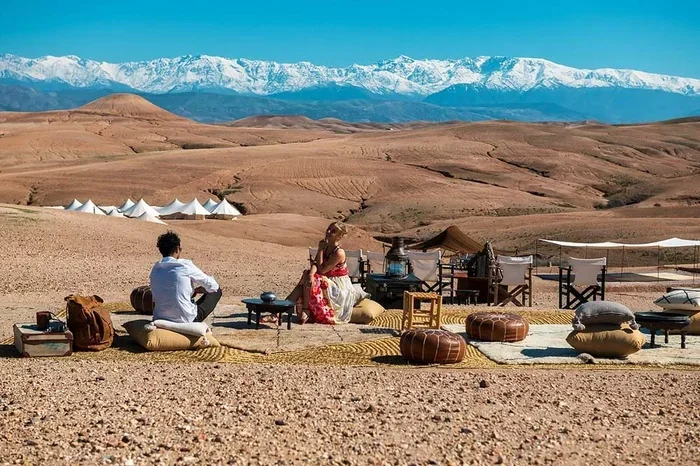
Visual guide about Marrakech Agafay desert sunset
Image source: marrakech-desert-trips.com
Geography and Location
Located approximately 30 kilometers southwest of Marrakech, the Agafay Desert covers roughly 600 square kilometers of arid plateau. The area sits at an elevation of 1,200 to 1,500 meters, which means cooler nights than you might expect. In summer, temperatures can drop dramatically after sunset, making Agafay a comfortable year-round destination compared to lower desert regions.
The Luxury Desert Camp Experience
Over the past decade, Agafay has transformed into Morocco’s premier glamping destination. Luxury camps now offer private tented suites with en-suite bathrooms, plunge pools, and panoramic desert views. Properties like La Pause and Inara Camp have set new standards for desert hospitality, proving that “roughing it” no longer means sacrificing comfort.
Did you know? The Agafay Desert has hosted Hollywood productions, including scenes from films like “Babel” (2006) and “Mission: Impossible – Rogue Nation” (2015). Its cinematic landscapes have made it a favorite location for directors seeking authentic desert imagery without the logistical challenges of the distant Sahara.
Activities in Agafay
The desert offers surprisingly diverse activities for such a remote location:
- Camel trekking: Traditional rides at sunset remain the quintessential Agafay experience
- Quad biking: ATV adventures through rocky trails and dried riverbeds
- Buggy rides: Off-road excursions for adrenaline seekers
- Horseback riding: Guided rides through the lunar landscape
- Stargazing: Minimal light pollution creates spectacular night skies
- Yoga retreats: Several camps offer sunrise yoga sessions
Who Should Take This Tour?
While nearly anyone can enjoy a Marrakech to Agafay Desert adventure, certain travelers find it particularly rewarding.
Perfect for Cultural Enthusiasts
If you love understanding how people have lived for centuries, this tour delivers. Berber communities have inhabited these mountains and deserts for over 4,000 years. You’ll visit homes where families still cook on clay ovens, weave carpets by hand, and welcome strangers with the traditional three kisses and a glass of sweet mint tea.
Ideal for Adventure Seekers
Hikers, photographers, and outdoor enthusiasts will find endless opportunities. The Ourika Valley offers waterfalls and mountain trails, while the Agafay Desert provides terrain perfect for motorized adventures. Bring a good camera, because every turn reveals another postcard-worthy scene.
Great for Couples
Romantic experiences abound, from private candle-lit dinners under the stars to hot air balloon rides over the desert at dawn. Many desert camps offer honeymoon packages with private tented suites and couples’ spa treatments.
Suitable for Families
Families with children over six typically enjoy this tour. Kids love camel rides, the novelty of sleeping in desert tents, and spotting stars they’ve never seen before. Most tour operators accommodate families with customized pacing and child-friendly meals.
What to Expect Day by Day
While specific itineraries vary by operator, most 6-day tours follow a similar structure that maximizes variety and minimizes backtracking.
Day 1: Arrival in Marrakech
Most tours begin with airport pickup and a settling-in day. You’ll typically have time to explore Marrakech’s famous sites like Jemaa el-Fnaa square, the Koutoubia Mosque, and the colorful souks. Evening meals often feature traditional tagine or couscous, accompanied by live Gnawa music performances.
The medina can feel overwhelming for first-time visitors. Imagine stepping into a medieval marketplace where 5,000 merchants have sold their wares for nearly a thousand years. You’ll hear five languages in any given block, smell leather and saffron competing for attention, and dodge motorcycles carrying everything from televisions to live chickens.
Day 2: Marrakech to the Atlas Mountains
The second day usually involves crossing the High Atlas Mountains via the stunning Tizi n’Tichka pass. At 2,260 meters elevation, this road offers breathtaking views and dozens of photo opportunities. You’ll stop at traditional argan oil cooperatives where women demonstrate how this “liquid gold” is extracted from the rare argan tree.
Many tours include visits to Berber villages where you’ll meet families in their homes, learn about their daily routines, and enjoy home-cooked lunches. The Ourika Valley, with its seven waterfalls and lush green terraces, provides a refreshing contrast to the dry plains below.
Day 3: Cultural Immersion Day
The middle of your tour often focuses on deeper cultural experiences. You might visit a women’s argan cooperative, tour a traditional pottery village, or explore a kasbah like the famous Ait Ben Haddou, a UNESCO World Heritage site that has appeared in over 20 Hollywood films including “Gladiator” and “Game of Thrones.”
Day 4: Journey to the Agafay Desert
The transition to Agafay typically happens mid-tour. You’ll travel through almond groves and traditional farming villages, eventually reaching the rocky desert landscape. Afternoon activities usually include camel rides or quad biking, followed by dinner around a campfire with traditional Berber music.
Day 5: Desert Adventure Day
A full day in the Agafay Desert allows for multiple activities. Many tours include sunrise yoga, morning hikes, and afternoon relaxation at the camp pool. Evening brings another spectacular sunset and perhaps a traditional drumming performance.
Day 6: Return to Marrakech
The final day usually includes a leisurely breakfast in the desert, morning camel rides, and the return journey to Marrakech. Some tours include shopping stops at cooperatives where you can purchase spices, carpets, or argan products directly from producers.
Where to Stay During Your Tour
Accommodation variety is one of the highlights of multi-day tours. You’ll typically experience three different types of lodging.
Traditional Riads in Marrakech
Riads are traditional Moroccan houses built around interior courtyards, often featuring beautiful tile work, fountains, and rooftop terraces. In Marrakech’s medina, staying in a riad means sleeping in a piece of living history. Most rooms face the central courtyard, creating peaceful retreats from the bustling streets outside.
Mountain Hotels and Guesthouses
Along your route, you’ll stay in family-run guesthouses and small hotels that offer genuine Berber hospitality. These properties typically feature local architecture, home-cooked meals, and hosts eager to share their culture. Rooms are simple but comfortable, with hot showers and traditional decor.
Luxury Desert Camps
The Agafay Desert camps range from basic tented experiences to luxury glamping with private bathrooms, plush bedding, and gourmet dining. Premium camps like Scarabeo Camp and Inara Camp offer amenities that rival five-star hotels, including spa services, infinity pools, and private dining experiences.
Did you know? Morocco has invested over $3 billion in tourism infrastructure over the past decade, including the development of eco-friendly desert camps that operate entirely on solar power. This commitment to sustainable tourism has positioned Morocco as a leader in African eco-tourism.
When to Visit: Best Seasons and Timing
Timing your trip correctly can mean the difference between an amazing experience and an uncomfortable one.
Spring (March to May)
Spring is widely considered the best season for a Marrakech to Agafay Desert tour. Temperatures hover between 20-28°C (68-82°F), wildflowers bloom across the Atlas Mountains, and the desert remains comfortable even at midday. This season also coincides with several traditional festivals that can enrich your experience.
Autumn (September to November)
Autumn offers similar advantages to spring, with comfortable temperatures and clear skies. The summer heat has broken, but the winter chill hasn’t arrived. Harvest season means you’ll see almonds, dates, and pomegranates being collected in the villages you visit.
Winter (December to February)
Winter brings cooler temperatures and occasional rain, but also snow on the Atlas Mountains and dramatically beautiful landscapes. Desert nights can be cold, dropping to near freezing, but daytime temperatures remain pleasant for outdoor activities.
Summer (June to August)
Summer temperatures in Marrakech can exceed 40°C (104°F), making outdoor exploration challenging. However, the Agafay Desert’s elevation keeps it slightly cooler than the city, and tours run throughout summer with adjusted itineraries that emphasize early morning and evening activities.
Timing Within the Week
Consider that weekends bring more domestic tourists to Agafay camps. If you prefer quieter experiences, schedule your tour to include weekdays in the desert. Many camps also fill up during major holidays like Eid, so book well in advance during these periods.
What to Pack and Practical Tips
Packing correctly ensures comfort throughout your journey, which involves multiple climates and activities.
Clothing Essentials
Pack layers because temperatures swing dramatically between day and night, especially in the desert. You’ll need lightweight long sleeves for sun protection, warm layers for cool evenings, modest clothing for village visits, and comfortable walking shoes for medina exploration and hiking.
Women should pack scarves or shawls that serve multiple purposes: sun protection, warmth for cool evenings, and head coverings when visiting religious sites. Men should avoid sleeveless shirts in conservative areas.
Health and Comfort Items
Beyond standard toiletries, consider bringing sunscreen (high SPF for intense desert sun), lip balm, hand sanitizer, wet wipes, and any personal medications. The dust and dry air can be tough on sensitive skin and respiratory systems.
Technology and Photography
Bring a good camera with extra batteries and memory cards because you’ll take hundreds of photos. A portable power bank helps because some rural areas have unreliable electricity. Consider a dust cover or protective case for your devices.
Money and Documents
Carry cash in small denominations because many rural shops and vendors don’t accept cards. Keep your passport secure but accessible because police checkpoints are common. Purchase travel insurance that covers adventure activities like quad biking.
Cultural Etiquette
Morocco is a Muslim country with conservative values, though Marrakech is relatively liberal. Always ask permission before photographing people, especially women. Avoid public displays of affection. Dress modestly, particularly when visiting villages. Learn a few Arabic or Berber phrases like “salaam alaikum” (peace be upon you) to show respect.
How Much Does a 6-Day Marrakech to Agafay Tour Cost?
Tour prices vary significantly based on accommodation quality, group size, and included activities.
Budget Tours ($400-700 per person)
Budget tours typically include shared accommodation in riads and basic desert camps, group transportation, and most meals. You’ll stay in dormitory-style or shared rooms in the desert, and activities may be limited to camel rides and basic excursions.
Mid-Range Tours ($700-1,200 per person)
Mid-range packages offer private rooms in quality riads, comfortable desert camps with en-suite bathrooms, and a full activity program including quad biking or hiking. Meals typically feature a mix of restaurant dining and traditional home cooking.
Luxury Tours ($1,200-3,000+ per person)
Luxury tours include 4-5 star riads, premium desert camps with private pools and spa services, private transportation, and exclusive experiences like hot air balloon rides or private dinners. You’ll have dedicated guides and the flexibility to customize your itinerary.
Remember that the cheapest option isn’t always the best value. Mid-range tours often provide the optimal balance of comfort, authenticity, and cultural immersion without the premium price tag of luxury options.
Choosing the Right Tour Operator
The operator you choose shapes your entire experience, so research carefully.
What to Look For
Reputable operators maintain official tourism licenses and belong to recognized associations. Read recent reviews on multiple platforms because single-source reviews can be misleading. Look for operators with experienced, licensed guides who speak multiple languages.
Check what’s included and excluded in the price. Some operators advertise low prices but add significant costs for meals, entrance fees, or activities. Transparent pricing indicates a trustworthy company.
Questions to Ask
Before booking, ask specific questions: How large are tour groups? What type of accommodation is used? Are meals included, and what kind? What happens if weather disrupts activities? Is travel insurance included or recommended?
Red Flags to Avoid
Be wary of operators who pressure you to book immediately, demand full payment before providing details, or refuse to share their tourism license information. Extremely low prices often indicate poor service or hidden costs that emerge later.
Making the Most of Your Desert Experience
A successful desert tour requires more than just showing up.
Embrace the Unexpected
Things don’t always go according to plan in Morocco, and that’s often where the magic happens. A “road closure” might lead you to a hidden village. A “mechanical problem” might result in tea with a local family while repairs happen. Approach challenges with patience and humor.
Disconnect to Reconnect
Take advantage of limited Wi-Fi in remote areas to truly unplug. The desert offers a rare opportunity to disconnect from constant notifications and reconnect with yourself, your travel companions, and the natural world around you.
Learn Some Local Phrases
Even basic Arabic greetings transform your interactions. “Shukran” (thank you), “la” (no), “naam” (yes), and “b’shhal” (how much) demonstrate respect and often result in warmer welcomes and better prices at markets.
Respect the Environment
The Agafay Desert is fragile. Stay on designated paths, don’t litter, and respect camp rules about fires and water usage. Many operators now follow strict eco-friendly practices, and your cooperation helps preserve this landscape for future travelers.
Did you know? Studies by the Moroccan government show that eco-friendly desert tourism has increased local employment by over 40% in communities near the Agafay Desert, providing alternatives to traditional nomadic herding and helping preserve Berber cultural heritage.
Conclusion: Your Moroccan Adventure Awaits
A 6 days tour from Marrakech to Agafay Desert represents far more than a typical vacation. It’s an immersion into one of the world’s most fascinating cultures, a journey through landscapes that have inspired travelers for centuries, and an opportunity to create memories that will last a lifetime.
From the moment you step into Marrakech’s sensory-rich medina to your final sunset over the Agafay Desert, every day brings new discoveries. You’ll taste spices you’ve never encountered, hear music that moves your soul, and see landscapes that seem painted by a divine artist.
The beauty of this particular itinerary lies in its balance. You experience urban excitement, mountain tranquility, cultural depth, and desert serenity without ever feeling overwhelmed. Six days provides enough time to genuinely understand each destination while leaving you wanting to return for more.
Whether you’re a solo traveler seeking adventure, a couple celebrating a special occasion, or a family creating shared memories, this tour delivers. Morocco welcomes you with open arms, warm tea, and experiences that change how you see the world.
Start planning your trip today, and prepare for the journey of a lifetime. The Atlas Mountains are calling, the desert is waiting, and Morocco’s magic is ready to embrace you.
Frequently Asked Questions
How far is the Agafay Desert from Marrakech?
The Agafay Desert is approximately 30-45 kilometers southwest of Marrakech, depending on which camp you visit. The drive typically takes 45 minutes to one hour, making it much more accessible than the Sahara Desert, which requires two days of travel each way.
Is the Agafay Desert a real desert or just rocky terrain?
The Agafay Desert is classified as a desert despite lacking the massive sand dunes of the Sahara. It features rocky, lunar-like terrain, arid plains, and dried riverbeds. While it doesn’t match the stereotypical image of a sandy desert, the climate, wildlife, and landscapes are genuinely desert-like.
What is the best time of year for a 6-day Marrakech to Agafay tour?
Spring (March-May) and autumn (September-November) offer the most pleasant weather, with temperatures between 20-28°C (68-82°F). These seasons provide comfortable conditions for both city exploration and desert activities, while avoiding the extreme heat of summer and cold nights of winter.
Do I need a visa for Morocco?
Citizens of many countries, including the United States, Canada, and most European nations, can enter Morocco without a visa for stays up to 90 days. However, requirements change frequently, so check with your local Moroccan embassy or consulate before traveling to confirm current entry requirements.
Is it safe to take a guided tour in Morocco?
Yes, guided tours in Morocco are generally very safe, especially with reputable operators. Tour guides are licensed and experienced with the regions they cover. Morocco’s tourism industry is well-regulated, and violent crime against tourists is rare. Standard travel precautions apply, particularly in crowded markets.
What should I wear on a Marrakech to Agafay Desert tour?
Pack lightweight, breathable clothing for warm days and warm layers for cool desert nights. Include modest options for visiting religious sites and rural villages, comfortable walking shoes for medina exploration, and a scarf or shawl for sun protection and warmth. Pack layers because temperatures can vary significantly throughout each day.