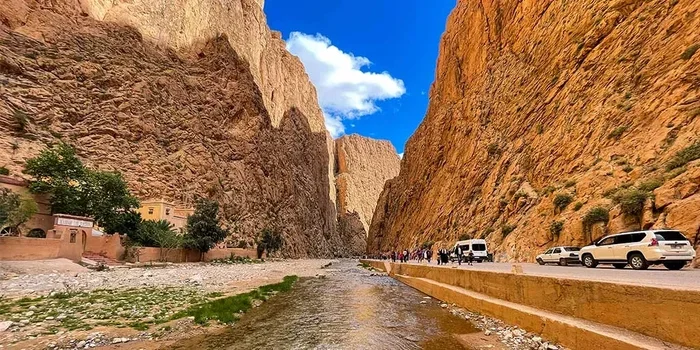
Featured image for Todra Gorge Morocco landscape
Image source: wanderingwagars.com
A 4 day tour from Marrakech to Todra Gorge is the perfect way to experience Morocco’s most stunning landscapes in a short time. This carefully crafted itinerary takes you through the Atlas Mountains, ancient kasbahs, Sahara desert, and the breathtaking Todra Gorge. With comfortable transport, expert guides, and authentic cultural experiences, this tour offers incredible value for travelers seeking adventure and cultural immersion. It’s the top-rated route for visitors who want to see the best of southern Morocco without rushing.
Picture this: you’re standing at the edge of a 400-meter-deep canyon, watching sunlight dance across rust-colored walls that have been carved by water over millions of years. Behind you, camels rest in the sand. Ahead, the mighty Atlas Mountains rise against a cloudless blue sky. This is the magic that awaits you on a 4 day tour from Marrakech to Todra Gorge.
Morocco is a country that feels like stepping into a living postcard. Every turn reveals something extraordinary, from bustling souks filled with spices to silent deserts where stars blanket the sky. But with so much to see, planning the perfect itinerary can feel overwhelming. That’s where a well-designed 4-day tour comes in. It strikes the ideal balance between exploration and comfort, giving you enough time to truly experience each destination without feeling rushed.
The route from Marrakech to Todra Gorge is considered by many seasoned travelers to be the crown jewel of Moroccan adventures. It packs in the country’s most iconic experiences, including mountain passes, desert nights, ancient fortifications, and one of the world’s most impressive gorges. Let’s dive into everything you need to know to make this journey unforgettable.
Key Takeaways
- Perfect Duration: Four days provides enough time to cover the 1,000+ km round trip from Marrakech to Todra Gorge while enjoying meaningful stops along the way.
- Diverse Landscapes: The route crosses four major geographic zones, from the High Atlas Mountains to the Sahara Desert and dramatic gorges.
- Cultural Immersion: Travelers visit authentic Berber villages, ancient kasbahs, and traditional markets that reveal Morocco’s rich heritage.
- Sahara Experience: The tour includes a camel trek and overnight stay in a desert camp, typically at Erg Chebbi or Erg Chigaga dunes.
- Todra Gorge Highlight: The 400-meter-high canyon walls at Todra Gorge are among Morocco’s most spectacular natural wonders.
- Best Travel Seasons: October through April offers the most comfortable weather for this desert and mountain journey.
- Tour Value: Most 4-day tours include transport, accommodation, meals, and activities, making them excellent value for money.
📑 Table of Contents
- Why Choose a 4 Day Tour from Marrakech to Todra Gorge?
- The Ultimate 4-Day Marrakech to Todra Gorge Itinerary
- What to Expect: Accommodations, Food, and Transport
- Best Time to Take This Tour
- Essential Tips for an Amazing Tour Experience
- Choosing the Right Tour Operator
- Making the Most of Your Moroccan Adventure
Why Choose a 4 Day Tour from Marrakech to Todra Gorge?
You might wonder why exactly four days is the sweet spot for this adventure. After all, you could technically race through the highlights in two days, or take a leisurely week to explore every village along the way. The answer lies in finding the perfect middle ground.
The Sweet Spot Between Adventure and Comfort
A 4 day tour from Marrakech to Todra Gorge gives you enough time to truly soak in each major stop without exhausting yourself. Travel expert Rick Steves once said that the best trips balance “stimulation and relaxation.” This itinerary achieves exactly that. You’ll have long, scenic drives where you can watch Morocco’s landscapes transform before your eyes, but you’ll also have time to wander through ancient medinas, chat with local artisans, and watch the sunset over sand dunes.
Did you know that the distance from Marrakech to Todra Gorge is roughly 540 kilometers one way? That’s about 335 miles of diverse terrain. Trying to cover this in fewer than four days would mean spending most of your trip in a vehicle. Spreading it over four days allows you to actually experience the places you visit rather than just photograph them through a window.
What Makes This Route Special
Unlike tours that focus on a single region, this itinerary showcases Morocco’s incredible diversity. You’ll cross the snow-capped High Atlas Mountains, visit UNESCO World Heritage sites, sleep under the stars in the Sahara, and stand in awe before towering canyon walls. It’s like getting four different vacations in one trip.
The Ultimate 4-Day Marrakech to Todra Gorge Itinerary
Here’s a detailed breakdown of what your four days will look like. Keep in mind that specific routes and stops may vary slightly depending on your tour operator, but the major highlights remain consistent across most well-planned tours.
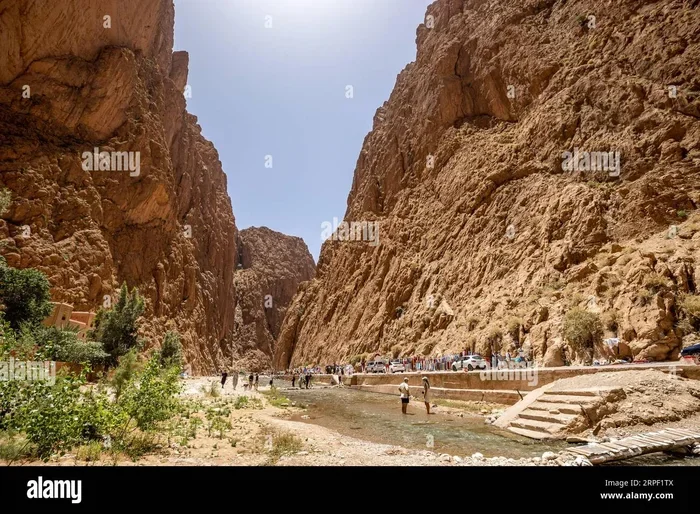
Visual guide about Todra Gorge Morocco landscape
Image source: c8.alamy.com
Day 1: Marrakech to the Sahara via the Atlas Mountains
Your adventure begins bright and early in Marrakech. After meeting your guide and group, you’ll head southeast toward the Sahara Desert. But first, you must conquer the Atlas Mountains.
The drive over the Tizi n’Tichka pass stands as one of North Africa’s most spectacular mountain journeys. At 2,260 meters above sea level, this winding road offers breathtaking views of valleys, traditional Berber villages clinging to hillsides, and mountain peaks that often wear snow caps. Did you know that the Atlas Mountains stretch across three countries, covering approximately 2,500 kilometers? Morocco’s portion alone contains some of the range’s most dramatic scenery.
After descending from the mountains, you’ll visit the famous Ait Ben Haddou, a UNESCO World Heritage site that’s been featured in numerous Hollywood films including Gladiator and Lawrence of Arabia. This ancient kasbah (fortified village) is made entirely of mud bricks and has stood for over 1,000 years. Walking through its narrow passages feels like traveling back in time.
Continuing through the Valley of the Roses and the dramatic Dades Valley, you’ll eventually reach your overnight stop, usually in the desert region. Some tours push through to the Sahara on Day 1, while others break the journey with a stay in the Dades or Todra region. The route through Ouarzazate, known as the “Gateway to the Sahara,” offers fascinating film studio visits for cinema buffs.
Day 2: Todra Gorge and the Road to the Sahara
Day two brings you face-to-face with the star attraction: Todra Gorge itself. This natural wonder features limestone cliffs that rise 400 meters on either side of a narrow canyon. The contrast between the sheer rock walls and the crystal-clear stream running through the bottom creates an almost surreal atmosphere.
Think of Todra Gorge as nature’s cathedral. The walls soar upward like the columns of an enormous church, and when sunlight filters through the narrow opening above, it creates a spiritual ambiance that has to be experienced to be believed. Rock climbers from around the world visit here, and even if you’re not a climber, watching them scale these massive walls is thrilling.
After exploring the gorge, you’ll continue toward the Sahara Desert. The landscape gradually transforms from rocky terrain to rolling sand dunes. By late afternoon, you’ll arrive at the edge of Erg Chebbi or Erg Chigaga, where camels await to carry you into the desert. The camel trek at sunset is consistently rated as one of travelers’ favorite experiences.
Spending the night in a traditional Berber desert camp is something you’ll remember forever. The silence is absolute, the stars are countless, and the experience of sleeping under the Saharan sky is genuinely life-changing for many visitors. Most camps provide comfortable tents, traditional meals, and live music around a campfire.
Day 3: Sahara Desert Exploration and Return North
Wake up early to catch the sunrise over the dunes, this is the magic hour when the sand transforms from gold to deep orange to soft pink. After breakfast at the camp, you’ll have time for activities like sandboarding down the dunes or simply taking one last walk through this otherworldly landscape.
The return journey takes you back through different scenery than your outbound route. Many tours include stops at traditional Berber villages where you can learn about nomadic life and enjoy mint tea with local families. The town of Tinghir, with its palm-lined oasis and ancient Jewish quarter, provides a fascinating cultural stop.
This day often includes visits to the Todra Gorge again from a different angle, or extended time for those who want to hike deeper into the canyon. Some tours offer the option to explore nearby palm groves where dates, figs, and other fruits grow in surprising abundance amid the desert landscape.
Day 4: Return to Marrakech Through Diverse Landscapes
Your final day is primarily a travel day, but that doesn’t mean it’s boring. The route back to Marrakech passes through the stunning Draa Valley, which contains Morocco’s longest river and a seemingly endless ribbon of palm groves. Ancient kasbahs dot the landscape, and traditional villages offer glimpses into rural Moroccan life.
Stop in Agdz or the small town of Ouarzazate for lunch, and you’ll have time to visit the Taourirt Kasbah, another impressive mud-brick fortress. The drive then takes you back over the Atlas Mountains, with one final chance to admire the scenery that has accompanied you throughout your journey.
Most tours arrive back in Marrakech by late afternoon or early evening, giving you time to freshen up before enjoying a final dinner in the famous Jemaa el-Fnaa square, where food stalls, musicians, and storytellers create an atmosphere found nowhere else on earth.
What to Expect: Accommodations, Food, and Transport
Understanding the practical aspects of your tour helps you prepare properly and set realistic expectations.
Accommodation Styles Along the Route
The beauty of a 4 day tour from Marrakech to Todra Gorge is the variety of accommodations you’ll experience. One night you might sleep in a traditional riad (a Moroccan house with an interior garden), the next in a desert camp, and another in a mountain hotel.
Desert camps range from basic (shared bathrooms, simpler tents) to luxury (private tents with en-suite bathrooms and proper beds). Most mid-range tours offer comfortable traditional tents with shared facilities, which strikes a good balance between authenticity and comfort. The experience of falling asleep to complete silence under a blanket of stars is worth any minor inconveniences.
Hotels along the route typically offer private rooms with private bathrooms, air conditioning or heating (depending on season), and traditional Moroccan decor. Standards vary, but reputable tour operators maintain relationships with quality establishments.
Moroccan Cuisine: A Culinary Adventure
p>Food is an integral part of any Moroccan journey, and tour meals introduce you to the country’s most beloved dishes. Tagine, the slow-cooked stew named after the conical clay pot it’s prepared in, comes in dozens of varieties. Lamb with prunes, chicken with preserved lemons, and vegetable tagines with chickpeas are common menu items.
Couscous, the traditional Friday dish in Muslim Moroccan households, typically appears at least once during your tour. It’s served with vegetables and meat in a savory broth. Bread accompanies nearly every meal, and you’ll learn that bread is sacred in Moroccan culture, never thrown away or placed directly on the ground.
Mint tea, known as “Moroccan whiskey,” is served throughout your journey. This sweet, refreshing drink is a symbol of hospitality, and refusing it can be considered impolite. Your guide will teach you the proper etiquette for accepting and drinking it.
Transport: Comfortable 4×4 Vehicles and Minibuses
Most tours use air-conditioned minibuses or 4×4 vehicles, depending on the group size and operator. The roads between major destinations are generally well-maintained, though mountain passes can be winding and occasionally bumpy. Drivers are experienced with the terrain, and safety is prioritized throughout the journey.
Long driving days are broken up with frequent stops for photos, rest, and refreshments. Your guide will point out interesting landmarks and share stories about the regions you pass through, turning travel time into learning time.
Best Time to Take This Tour
Timing can make or break your experience. While tours operate year-round, certain seasons offer significant advantages.
Optimal Weather Windows
The period from October to April is generally considered the best time for a 4 day tour from Marrakech to Todra Gorge. During these months, desert temperatures are pleasant rather than scorching, and mountain passes remain accessible. Daytime temperatures typically range from 20-25°C (68-77°F), while nights can be cool, especially in the desert and mountains.
Summer months (June through August) bring extreme heat to the desert, with temperatures often exceeding 45°C (113°F). While tours still operate, the experience can be physically challenging, particularly during desert portions of the itinerary. Winter (December-February) can be surprisingly cold in the desert at night, with temperatures occasionally dropping below freezing in the mountains.
Special Considerations for Different Seasons
Spring (March-May) brings wildflowers to the valleys and pleasant temperatures throughout the route. This is an excellent time for photography and enjoying outdoor activities. Fall (September-November) offers similar benefits with the added bonus of harvest season in many agricultural areas you’ll pass through.
Ramadan, the Islamic holy month, affects tour operations and the rhythm of daily life throughout Morocco. While tours still run, some restaurants and shops may have limited hours during daylight. This can actually be a fascinating time to experience local culture, but be prepared for adjusted schedules and a different energy in towns and villages.
Essential Tips for an Amazing Tour Experience
These practical tips will help you get the most out of your adventure.
What to Pack
Smart packing makes a huge difference on a multi-day tour. You’ll want layers of clothing that can handle temperature variations from cold mountain mornings to warm desert afternoons. A light jacket or fleece is essential, even in summer, for cool desert nights and mountain passes.
Comfortable walking shoes are a must, especially for exploring Todra Gorge and the dunes. A scarf or shemagh serves multiple purposes: protection from sun, warmth on cold evenings, and a way to keep sand out of your face during camel rides. Don’t forget sunscreen, sunglasses, a hat, and a reusable water bottle.
Your camera will get heavy use, so make sure you have enough memory cards and batteries. A power bank is useful for charging devices during long travel days when outlets may be limited.
Health and Safety Considerations
Morocco is generally a safe country for tourists, but standard precautions apply. Drink bottled water rather than tap water, and be cautious with street food unless your guide recommends specific vendors. Most travelers experience no health issues beyond mild adjustment to local cuisine.
Motion sickness medication can be helpful for those sensitive to winding mountain roads. The drive over the Atlas Mountains includes many sharp turns and switchbacks, which can affect susceptible travelers.
Travel insurance is highly recommended, particularly coverage that includes medical evacuation and trip cancellation. The remote nature of some tour stops means that comprehensive coverage provides peace of mind.
Money and Shopping Tips
While most tour costs are covered, you’ll want some local currency (Moroccan Dirham) for souvenirs, tips, and personal expenses. ATMs are available in larger towns, and credit cards are accepted in some establishments, though cash is preferred for smaller purchases.
Shopping pressure can be intense in tourist areas. If you’re not interested in buying, a polite but firm “la, shukran” (no, thank you) usually works. For genuine crafts, your guide can direct you to reputable shops with fair prices. Bargaining is expected in markets, but approach it as a friendly game rather than a battle.
Choosing the Right Tour Operator
Not all tours are created equal, and selecting the right operator significantly impacts your experience.
What to Look for in a Quality Tour
Reputable operators maintain small group sizes, typically 12-16 people maximum, which ensures personal attention and flexibility. They employ knowledgeable local guides who speak multiple languages and provide cultural context along with logistical information. Vehicle maintenance and driver experience are crucial safety factors that distinguish quality operators from budget options.
Read recent reviews on multiple platforms, and pay attention to comments about guide quality, vehicle comfort, and how the company handles unexpected situations. Transparency about what’s included and excluded prevents surprise costs during your trip.
Did you know that Morocco’s tourism industry employs over 500,000 people directly? Choosing locally-owned tour operators ensures your money supports the communities you visit rather than international corporations.
Questions to Ask Before Booking
Before committing to a tour, ask about group size, accommodation types (especially the desert camp), meal inclusions, and the specific route. Confirm whether the Sahara portion visits Erg Chebbi (more accessible, larger dunes) or Erg Chigaga (more remote, fewer tourists).
Inquire about the physical demands of the tour. While most days involve moderate walking, some activities like dune climbs or longer gorge hikes require reasonable fitness. Honest operators will tell you exactly what to expect.
Understanding cancellation policies and what happens in case of weather disruptions protects your investment. Reputable companies have clear policies and will work with you if circumstances change.
Making the Most of Your Moroccan Adventure
A 4 day tour from Marrakech to Todra Gorge offers more than just sightseeing. It’s an opportunity to disconnect from routine and immerse yourself in a culture that values hospitality, beauty, and human connection.
Engage with your guide and fellow travelers. Share stories over mint tea. Take time to simply sit and watch life unfold in a village square. These moments often become the most cherished memories, more so than any single spectacular viewpoint.
Respect local customs and traditions. Dress modestly, especially when visiting religious sites. Ask permission before photographing people, and learn a few words of Arabic or Berber, your efforts will be warmly appreciated.
Finally, remember that this journey is about more than checking destinations off a list. It’s about experiencing the rhythm of Moroccan life, the warmth of its people, and the breathtaking beauty of its landscapes. Whether you’re watching sunset paint the Sahara gold, standing in the shadow of Todra’s towering walls, or sharing a meal with a Berber family, you’re collecting moments that will stay with you long after you’ve returned home.
This adventure has been called “the journey of a lifetime” by countless travelers, and with good reason. The combination of natural wonders, cultural depth, and genuine human connection creates an experience that satisfies on multiple levels. Pack your sense of adventure, prepare for some long but rewarding days, and get ready for one of the most memorable trips you can take from Marrakech.
Frequently Asked Questions
How long is the drive from Marrakech to Todra Gorge?
The direct driving distance from Marrakech to Todra Gorge is approximately 540 kilometers (335 miles), and the drive typically takes 7-8 hours without stops. Most 4 day tours from Marrakech to Todra Gorge break this journey across two days, allowing time to visit attractions like Ait Ben Haddou and the Dades Valley along the way.
Is a 4 day tour from Marrakech to Todra Gorge worth it?
Absolutely. This tour is widely considered one of the best ways to experience Morocco’s diverse landscapes, including the Atlas Mountains, Sahara Desert, ancient kasbahs, and Todra Gorge. The four-day format provides enough time to enjoy each destination meaningfully while maintaining a comfortable pace that prevents travel fatigue.
What should I pack for a 4 day Marrakech to Todra Gorge tour?
Pack layers of clothing suitable for varying temperatures, comfortable walking shoes, sunscreen, sunglasses, a hat, a light jacket for cool desert nights, a scarf for sun and sand protection, and a camera with extra batteries. Don’t forget personal medications, a power bank, and a reusable water bottle for the journey.
Is the Sahara Desert safe for tourists?
Yes, the Moroccan Sahara is very safe for tourists. Tour operators use experienced guides and drivers who know the desert well. Camel treks are conducted by trained handlers, and desert camps are set up in secure locations. Millions of tourists safely experience the Sahara each year without incident.
What is the best month to visit Todra Gorge?
The best months to visit Todra Gorge are March, April, October, and November, when temperatures are mild and pleasant. These months offer comfortable conditions for hiking and exploring, avoiding both the extreme summer heat and the cold winter nights that can make desert portions of the tour less enjoyable.
Are 4 day tours from Marrakech to Todra Gorge suitable for families with children?
Most 4 day tours are family-friendly and suitable for children aged 6 and above. The camel rides, desert camping, and varied landscapes typically delight younger travelers. However, parents should consider their children’s comfort with long drives and the physical demands of activities like walking through the gorge or climbing dunes.