
A 1 day tour from Marrakech to Erg Chegaga offers an adrenaline-packed adventure into Morocco’s most remote and spectacular dunes. Unlike the more popular Erg Chebbi, Erg Chegaga remains wild, untouched, and far less crowded. This marathon journey covers roughly 560 kilometers round-trip through desert plains, dried riverbeds, and ancient Berber villages. It’s perfect for travelers short on time but eager to witness the true Sahara experience.
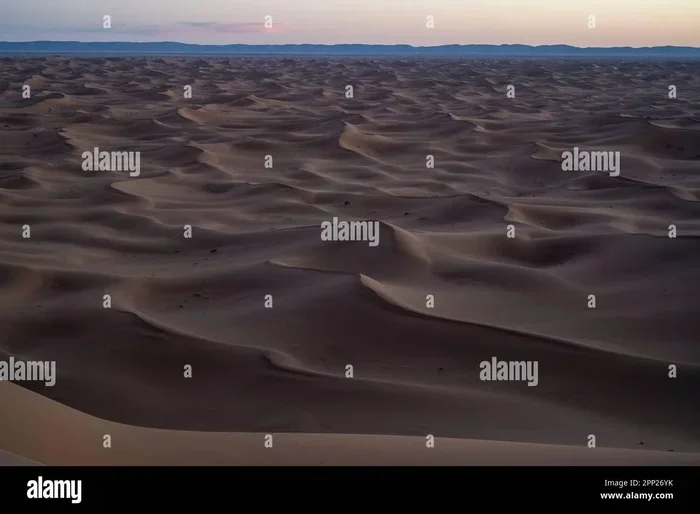
Featured image for Erg Chegaga desert dunes sunset
Image source: c8.alamy.com
Imagine waking up in the bustling medina of Marrakech, sipping mint tea on a rooftop terrace, and by sunset, standing atop towering golden sand dunes in the middle of the Sahara Desert. Sounds impossible in a single day, right? Well, it’s not. A 1 day tour from Marrakech to Erg Chegaga makes this dream a reality for adventurous travelers who refuse to let time constraints limit their wanderlust.
The Sahara has called to explorers for centuries. Think of Lawrence of Arabia crossing these very lands, or ancient caravans hauling salt across endless dunes. Today, modern roads and sturdy 4×4 vehicles have made the once-impassable desert accessible to anyone with a sense of adventure and a full day to spare. Erg Chegaga, located about 350 km south of Marrakech, remains one of the last truly wild corners of the Moroccan Sahara.
Did you know that Erg Chegaga contains dunes reaching heights of 60 meters, some standing taller than a 15-story building? Or that this dune sea stretches over 40 kilometers in length, making it the largest in Morocco? These mind-blowing statistics explain why photographers, filmmakers, and adventure seekers make the pilgrimage here every year. This guide will walk you through everything you need to know about planning, enjoying, and surviving this epic day trip.
Key Takeaways
- Distance and Duration: The journey covers about 560 km round-trip and takes 12-14 hours, making it a long but rewarding day.
- Remote Location: Erg Chegaga is Morocco’s largest sand dune sea at 40 km long, offering solitude that Erg Chebbi cannot match.
- Best Season: October through April provides the most comfortable temperatures, avoiding the brutal summer heat of the Sahara.
- Cultural Encounters: You’ll pass through authentic Berber villages and traditional markets that showcase real Moroccan desert life.
- Physical Preparation: The tour involves long drives, so bring snacks, water, and entertainment for the road.
- Photography Opportunities: Golden hour at Erg Chegaga produces some of Morocco’s most breathtaking photographic moments.
- Alternative Options: Consider a 2 or 3-day tour if you want camel trekking or overnight camping under the stars.
📑 Table of Contents
- Why Choose Erg Chegaga Over Erg Chebbi?
- What’s Included in a Typical 1 Day Tour?
- How to Prepare for Your Erg Chegaga Day Trip
- Best Time of Year for a 1 Day Tour from Marrakech to Erg Chegaga
- Choosing the Right Tour Operator
- Making the Most of Your Erg Chegaga Experience
- Final Thoughts: Is a 1 Day Tour from Marrakech to Erg Chegaga Worth It?
Why Choose Erg Chegaga Over Erg Chebbi?
When most travelers think of Morocco’s Sahara, they picture Erg Chebbi near Merzouga. It’s famous, it’s beautiful, and yes, it’s crowded. Think of Erg Chebbi like a popular beach resort, while Erg Chegaga is that hidden cove locals keep secret. Both offer stunning desert landscapes, but the experiences differ dramatically.
The Case for Going Off-the-Beaten-Path
Erg Chegaga sits in the M’Hamid El Ghizlane region, close to the Algerian border. The journey requires crossing the Draa Valley, one of Morocco’s longest rivers that has long since dried up into a spectacular palm-filled corridor. Along the way, you’ll encounter fewer tourist buses and more authentic encounters with nomadic Berber families.
Here’s a quick comparison to help you decide:
- Accessibility: Erg Chebbi is 9 hours from Marrakech with direct roads. Erg Chegaga requires 4×4 vehicles for the final 50 km of off-road driving through dried lake beds (called “dry lakes” or “chotts”).
- Atmosphere: Erg Chebbi has luxury desert camps and hundreds of tourists daily. Erg Chegaga has only a handful of fixed camps and sees a fraction of the visitors.
- Authenticity: Both offer camel rides and Berber music, but Erg Chegaga’s remoteness preserves a raw, untouched quality that’s increasingly rare.
- Photography: Without crowds, Erg Chegaga offers cleaner compositions and a sense of solitude that’s perfect for landscape photographers.
Did you know that only about 15% of tourists visiting Morocco make it to Erg Chegaga, compared to 85% who visit Erg Chebbi? This statistic alone explains why choosing the harder path rewards you with a more genuine experience.
What’s Included in a Typical 1 Day Tour?
Understanding what your day looks like helps set realistic expectations. A well-organized 1 day tour from Marrakech to Erg Chegaga typically runs from 6:00 AM pickup to 9:00 PM drop-off. Let’s break down what happens during those 14-15 hours.
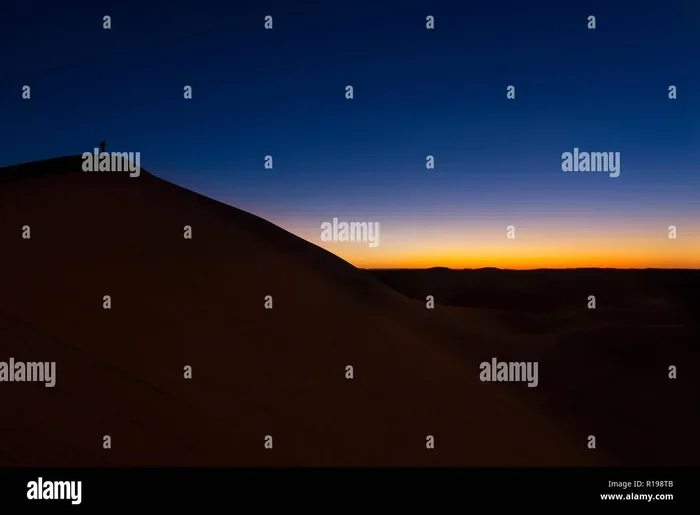
Visual guide about Erg Chegaga desert dunes sunset
Image source: c8.alamy.com
Morning: The Journey Begins
Your driver will collect you from your hotel or riad in Marrakech. The first stretch takes you over the spectacular Tizi n’Tichka pass in the High Atlas Mountains. At 2,260 meters above sea level, this winding mountain road offers panoramic views that will have you reaching for your camera before breakfast even settles. Think of it like driving through the American Rockies, but with kasbahs (fortified houses) clinging to the hillsides instead of ski lodges.
You’ll stop in Ouarzazate, known as the “Hollywood of Africa” for its film studios, and the fortified village of Ait Ben Haddou, a UNESCO World Heritage Site that has starred in Game of Thrones, Gladiator, and Lawrence of Arabia. These stops break up the drive nicely and add cultural depth to your desert adventure.
Midday: Crossing the Draa Valley
After lunch in either Ouarzazate or Zagora, the landscape transforms dramatically. The mountains give way to the Draa Valley, a green ribbon of palm groves stretching over 200 km. Imagine an oasis that refuses to quit, even as the desert closes in from all sides. Here, you’ll see women washing clothes in ancient irrigation channels and children tending goats among date palms.
By early afternoon, you’ll reach M’Hamid, the last town before the Sahara. This is where paved roads end and the real adventure begins. Your driver will engage 4×4 mode, deflate the tires slightly for better traction, and point the vehicle toward the dunes.
Afternoon: Reaching the Dunes
The final 50 km into Erg Chegaga takes about 2 hours and crosses Lake Iriki, a vast flat area that becomes a shimmering salt lake during rare rainstorms. It looks like another planet, like Mars decided to visit Morocco and forgot to leave. When you finally see the first dunes appear on the horizon, the excitement becomes almost unbearable.
Upon arrival at Erg Chegaga, you’ll typically enjoy a camel ride to a higher vantage point. Climbing 60-meter dunes takes effort, but the view from the top makes every step worth it. Watching the sun begin its descent paints the sand in shades of gold, orange, and pink that no photograph can truly capture.
Evening: The Return Journey
After sunset photos and perhaps a traditional Berber drumming session (if arranged), you’ll begin the drive back to Marrakech. Most tours arrive around 9:00 PM, exhausted but exhilarated. Some operators offer the option to stay overnight in a desert camp, which transforms the trip into a 2-day experience.
How to Prepare for Your Erg Chegaga Day Trip
Preparation makes the difference between a good trip and a great one. The Sahara demands respect, and showing up unprepared can turn your dream day into a sweaty, uncomfortable ordeal.
What to Wear
The desert follows a simple rule: layers are your best friend. Mornings in the Atlas Mountains can be surprisingly cold, while afternoon desert temperatures might hit 35°C (95°F). Pack these essentials:
- Lightweight long pants: Protects against sunburn and sand
- Long-sleeved cotton shirts: Breathable yet protective
- A warm jacket or fleece: Essential for the mountain pass
- Sunglasses with UV protection: Sand and sun are a brutal combination
- A scarf or shemagh: Doubles as face protection during sandstorms
- Comfortable closed-toe shoes: Sandals don’t work for dune climbing
Think of dressing for the desert like dressing for a flight with layovers in different climates. You might leave in winter and arrive in summer within a few hours.
What to Pack
Beyond clothing, your day bag should include:
- 2-3 liters of water per person (your tour operator should provide some)
- High-energy snacks like nuts, energy bars, and dried fruit
- Sunscreen SPF 50 or higher
- Power bank for your phone and camera
- Headphones for the long drive
- A small flashlight for exploring after dark
- Motion sickness medication if you’re prone to car sickness on winding roads
Health and Safety Considerations
Most travelers complete this trip without issues, but awareness helps. The drive is long, and the roads wind through mountain passes that can trigger motion sickness. Bathroom breaks are limited, especially once you leave the main towns, so use facilities when available.
Did you know that dehydration causes more desert emergencies than heatstroke? Many travelers underestimate how much water they lose in the dry desert air. Drinking small amounts regularly beats chugging large amounts infrequently.
If you have back problems, the 7+ hours of driving might cause discomfort. Request a vehicle with good suspension when booking, and consider a cushion for extra support.
Best Time of Year for a 1 Day Tour from Marrakech to Erg Chegaga
Timing your visit properly can make or break your experience. The Sahara has two distinct seasons: the comfortable season and the survival challenge season.
The Sweet Spot: October to April
These months offer the most pleasant conditions. Daytime temperatures hover between 20-28°C (68-82°F), making dune climbing enjoyable rather than punishing. Nights can get cold, dropping to 5°C (41°F) in winter, but you won’t experience the brutal midday heat that summer brings.
Spring (March-May) and autumn (October-November) are particularly magical. The light takes on a golden quality, and you might catch wildflowers blooming in the Draa Valley during spring rains. It’s like nature decided to paint everything in watercolor.
Why Summer Is Risky
From June through September, Sahara temperatures regularly exceed 45°C (113°F). Sand becomes hot enough to burn feet through shoes, and even brief exposure can cause heat exhaustion. Most reputable tour operators actually suspend summer departures for safety reasons.
Did you know that sand temperatures in the Sahara can reach 70°C (158°F) during summer afternoons? That’s hot enough to fry an egg, literally and dangerously.
Ramadan Considerations
If you’re traveling during Ramadan, remember that many restaurants and shops in smaller towns close during daylight hours. Tour operators adjust schedules accordingly, but expect fewer food stops and plan accordingly.
Choosing the Right Tour Operator
Not all 1 day tours from Marrakech to Erg Chegaga are created equal. The operator you choose directly impacts your safety, comfort, and overall experience.
What to Look For
Reputable operators share several characteristics. They use modern, air-conditioned 4×4 vehicles (Toyota Land Cruisers and Prados are common). Their drivers speak English, French, or Spanish in addition to Arabic. They employ licensed guides and carry proper insurance. Most importantly, they’re transparent about itineraries and pricing.
Here’s a quick checklist for evaluating operators:
- Check reviews on TripAdvisor, Google, and independent travel blogs
- Verify they have proper tourism licenses (look for “License No.” on their website)
- Ask about vehicle age and maintenance schedules
- Confirm what’s included (lunch, camel ride, drinks)
- Ensure they have emergency protocols and communication equipment
Red Flags to Avoid
Be cautious of operators offering this trip at suspiciously low prices (under €80 per person). The journey requires fuel for 560+ km, a full day of driver services, and insurance. Rock-bottom prices usually mean hidden costs, older vehicles, or cut corners on safety.
Avoid operators who won’t provide detailed written itineraries or those who pressure you into booking immediately. Trust your gut, like you would when choosing a restaurant in an unfamiliar city.
Group vs. Private Tours
Group tours cost less but follow rigid schedules. Private tours cost more but let you stop whenever and wherever you want. For this particular trip, many travelers recommend private tours because the long drive becomes more enjoyable when you control the pace, music, and photo stops.
Typical pricing ranges:
- Group tour (shared 4×4): €90-130 per person
- Private tour for 2: €250-400 total
- Private tour for 4: €350-550 total
Making the Most of Your Erg Chegaga Experience
Even on a whirlwind day trip, you can create memories that last a lifetime. Here’s how to maximize your experience once you’re standing in the Sahara.
Capture the Light
The hour before sunset transforms the dunes into a photographer’s paradise. The low angle of the sun creates dramatic shadows and brings out the texture of every sand grain. If you have a camera with manual settings, try shooting in RAW format to capture the full tonal range. Phone cameras work wonderfully too, especially with HDR mode enabled.
Consider including yourself in the photos too. Yes, selfies count. Years from now, you won’t remember the exact composition, but you’ll cherish the memory of standing where few travelers venture.
Embrace the Silence
The Sahara offers something increasingly rare in our connected world: absolute silence. When you reach the top of a dune, stop talking for a moment. Just listen. The wind whispers across the sand, and nothing else. It’s meditative and humbling, a stark contrast to the chaos of Marrakech’s medina you left behind that morning.
Try Sandboarding (If Available)
Some tours include sandboarding, essentially snowboarding on sand. The dunes provide natural slopes, and guides often carry boards. It’s not glamorous, you’ll get sand everywhere, but it’s an absolute blast. Think of it as the desert’s version of a water slide, minus the water and plus the ouch-when-you-fall factor.
Connect with Berber Culture
If your tour includes a stop at a nomadic family camp, take time to engage respectfully. Ask about their lifestyle, share tea with them, and learn a few words of Tashelhit (the Berber language). These encounters remind us that the desert isn’t empty. It’s home to communities who’ve thrived in this challenging environment for millennia.
Consider the Extended Option
If your schedule permits even one extra day, upgrading to a 2-day tour changes everything. You get to sleep under a sky so thick with stars it looks like someone spilled the universe. You witness sunrise over the dunes, which many travelers consider even more spectacular than sunset. You ride a camel at a leisurely pace instead of rushing back. The stars alone, millions of them with zero light pollution, justify the extra time.
Did you know that from the Sahara, you can see the Milky Way so clearly that it casts shadows? That’s not poetic exaggeration. That’s astronomy fact.
Final Thoughts: Is a 1 Day Tour from Marrakech to Erg Chegaga Worth It?
Absolutely yes, with realistic expectations. This isn’t a relaxing vacation day. It’s an adventure that demands energy, patience, and a sense of humor about the long drives. But standing atop those ancient dunes, watching shadows race across 40 kilometers of pristine sand, you’ll understand why people have crossed the Sahara for thousands of years.
The journey tests your endurance but rewards your spirit. You return to Marrakech exhausted, covered in fine desert dust, and completely transformed. The medina’s chaos feels different after you’ve stood in the desert’s silence. The mint tea tastes sweeter after you’ve shared it with Berber hosts. Every photo becomes a trophy from a hard-won adventure.
Book your tour during the cooler months, choose a reputable operator, pack wisely, and embrace every moment. The Sahara has welcomed travelers for centuries, and it will welcome you too. Just remember to look back occasionally. The road you’ve traveled, from Marrakech’s red walls to Erg Chegaga’s golden waves, represents one of Morocco’s most spectacular journeys.
Frequently Asked Questions
How far is Erg Chegaga from Marrakech?
Erg Chegaga is approximately 560 kilometers round-trip from Marrakech, with the journey taking 12-14 hours total. The route crosses the High Atlas Mountains, Draa Valley, and includes 50 km of off-road driving through desert terrain to reach the dunes.
Can you really do Erg Chegaga in one day from Marrakech?
Yes, a 1 day tour from Marrakech to Erg Chegaga is possible but very long. Most tours depart at 6:00 AM and return by 9:00 PM. You’ll have 2-3 hours at the dunes. If you want to enjoy sunrise, sunset, or overnight camping, consider a 2 or 3-day tour instead.
What is the best time of year for a day trip to Erg Chegaga?
The best time is October through April when temperatures range between 20-28°C during the day. Avoid June through September when desert temperatures can exceed 45°C and many operators suspend tours for safety reasons.
Do I need a camel ride for the 1 day tour?
Most tours include a short camel ride (30-45 minutes) to reach the dunes. However, the full day trip doesn’t typically include multi-hour camel treks. If you want an extended camel experience, book a 2 or 3-day tour that includes an overnight desert camp.
What should I wear for the Erg Chegaga day trip?
Wear layered clothing including lightweight long pants, long-sleeved cotton shirts, and a warm jacket for the mountain pass. Bring sunglasses, a scarf for sand protection, comfortable closed-toe shoes for dune climbing, and sunscreen SPF 50 or higher.
Is the 1 day tour from Marrakech to Erg Chegaga safe?
Yes, this tour is safe when booked with a reputable licensed operator using modern 4×4 vehicles. The main risks are motion sickness on winding mountain roads and dehydration. Bring water, snacks, and motion sickness medication if needed. Avoid operators offering unusually low prices.