
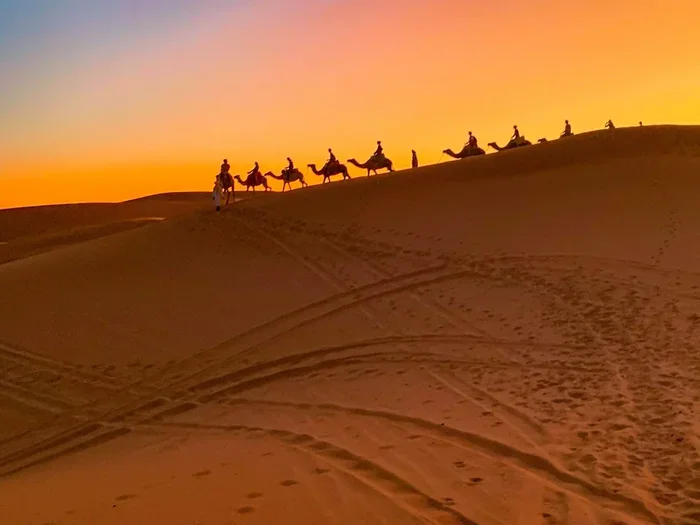
Featured image for Morocco desert camels sunset
Image source: thesmoothescape.com
The best 14 day tour from Marrakech to Erg Chebbi is a life-changing adventure through Morocco’s most iconic landscapes. This two-week journey covers the Atlas Mountains, ancient kasbahs, stunning gorges, and the towering dunes of the Sahara Desert. With comfortable transportation, expert guides, and authentic cultural experiences, this itinerary delivers the perfect mix of adventure, history, and relaxation. Travelers consistently rate it as the ultimate way to see Morocco in depth.
Marrakech sits at the gateway to Morocco’s most spectacular scenery. From its bustling medinas to the snow-capped Atlas Mountains just hours away, this imperial city has launched countless adventures for over a thousand years.
But nothing compares to the call of the Sahara. The towering dunes of Erg Chebbi rise up to 150 meters high, glowing gold at sunrise and burning crimson at sunset. Getting there takes time, but the journey is just as rewarding as the destination.
A 14 day tour from Marrakech to Erg Chebbi hits the perfect balance. You get enough days to explore deeply without burning out. You visit small villages, walk through ancient kasbahs, and sleep under stars that seem close enough to touch. This guide covers everything you need to plan the trip of a lifetime.
Key Takeaways
- Two Weeks Is the Sweet Spot: A 14 day tour from Marrakech to Erg Chebbi gives you enough time to explore slowly without rushing past Morocco’s highlights.
- Route Covers Major Attractions: The journey includes Ait Benhaddou, Todra Gorge, Dades Valley, Ouarzazate, and the stunning Erg Chebbi dunes.
- Sahara Desert Experience: Camel trekking and overnight stays in Berber desert camps create unforgettable memories.
- Budget-Friendly Options: Tours range from $1,200 to $3,500 per person depending on comfort level and inclusions.
- Best Travel Seasons: October through April offers the most comfortable weather for desert travel.
- Small Group Advantage: Tours with 6-12 travelers provide better cultural immersion and flexibility than large bus tours.
- Cultural Authenticity Matters: Choose operators that partner with local Berber communities for genuine experiences.
📑 Table of Contents
- What Makes a 14 Day Marrakech to Erg Chebbi Tour Special
- The Complete 14 Day Itinerary Breakdown
- Who Should Take This Tour and When to Go
- How Much Does a 14 Day Tour Cost
- Where to Stay and What to Pack
- Choosing the Right Tour Operator
- Frequently Asked Questions
- Final Thoughts on Planning Your Adventure
What Makes a 14 Day Marrakech to Erg Chebbi Tour Special
Morocco packs an incredible amount of variety into a relatively small country. Think of it like a greatest hits album, except every track is a banger.
The Perfect Pacing for Morocco’s Diversity
Morocco stretches from the Atlantic Ocean to the Sahara Desert and from the Mediterranean coast to the Atlas Mountains. In just two weeks, you can experience snow-capped peaks, palm oases, ancient medinas, and endless sand dunes.
Did You Know? The Atlas Mountains separate the Sahara from Morocco’s greener regions, creating a dramatic climate shift within just a few hours of driving. Temperatures can drop 20°C (36°F) as you cross the Tizi n’Tichka pass.
Shorter tours force you to choose between highlights. A 14 day tour from Marrakech to Erg Chebbi lets you experience everything without exhaustion. You spend quality time in the Sahara, visit multiple kasbahs, and even have room for surprises.
Beyond the Tourist Trail
Most rushed Sahara tours spend just one night in the desert. A two-week itinerary allows for two or even three desert nights. This means deeper connections with Berber culture, sunrise yoga on the dunes, and time to explore smaller villages most travelers never see.
The route also includes the “Road of a Thousand Kasbahs,” a scenic stretch through the Dades Valley and Todra Gorge region. Here, ancient mud-brick fortresses have stood for centuries, and local families still live much as their ancestors did.
The Complete 14 Day Itinerary Breakdown
Here’s a day-by-day look at what the best 14 day tour from Marrakech to Erg Chebbi actually includes.
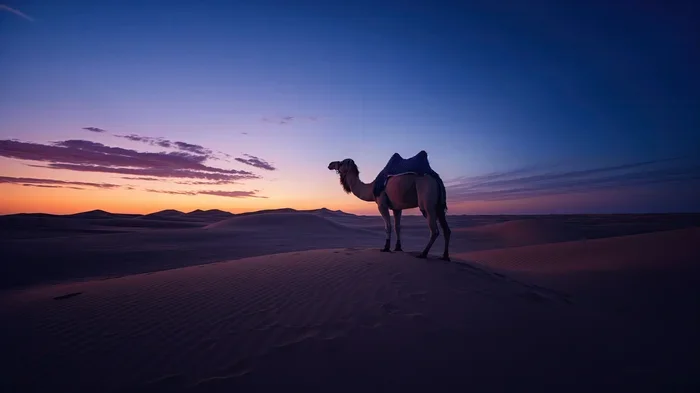
Visual guide about Morocco desert camels sunset
Image source: wallpapershome.com
Days 1-2: Marrakech Exploration
Your adventure begins in the “Red City.” Marrakech explodes with color, sound, and energy.
- Jemaa el-Fnaa Square: UNESCO-recognized cultural space where snake charmers, musicians, and food stalls create a nightly carnival atmosphere.
- Majorelle Garden: A peaceful blue oasis in the city’s heart, created by French painter Jacques Majorelle in the 1920s.
- Bahia Palace: Stunning 19th-century palace with intricate tilework and peaceful courtyards.
- Medina Souks: A maze of market stalls selling everything from spices to hand-woven carpets.
Did You Know? The Jemaa el-Fnaa square has been a meeting point for traders, storytellers, and performers for over 1,000 years. It was declared a Masterpiece of the Oral and Intangible Heritage of Humanity by UNESCO in 2001.
Days 3-4: Atlas Mountains and Ait Benhaddou
Leave the city behind as you climb into the High Atlas. The winding road through Tizi n’Tichka pass reaches 2,260 meters (7,415 feet) above sea level.
Ait Benhaddou awaits on the other side. This fortified village (ksar) has starred in Hollywood films like “Gladiator” and “Lawrence of Arabia.” Walking through its ancient alleys feels like stepping back in time.
- Tizi n’Tichka Pass: Breathtaking mountain views and Berber village photo stops.
- Ait Benhaddou: UNESCO World Heritage Site and film location for over 20 major movies.
- Ouarzazate: Known as the “Gateway to the Sahara” and home to Atlas Studios, where blockbuster films are made.
Days 5-6: Dades Valley and Todra Gorge
The landscape transforms dramatically as you travel deeper south. The Dades Valley offers some of Morocco’s most photographed scenery, with weird rock formations called “Monkey Fingers” carved by erosion over millions of years.
Todra Gorge provides a different adventure. Towering cliffs rise 400 meters (1,300 feet) on either side of a narrow canyon. Rock climbers come from around the world to test their skills here.
Analogy Time: Think of Todra Gorge like nature’s cathedral. The walls shoot straight up toward the sky, and sunlight filters down in golden beams. It’s the kind of place that makes you feel tiny in the best possible way.
Days 7-9: Journey to Erg Chebbi
The road to the Sahara passes through small towns and changing landscapes. You’ll stop in Erfoud, known for its date palms and fossil workshops. Some tours include a detour to visit a nomad family for tea.
Finally, the dunes appear on the horizon.
Merzouga sits at the edge of Erg Chebbi, where the Sahara begins. Here, you switch from tour van to camel. The ride into the desert takes about 90 minutes, with the massive dunes growing larger with every step.
Did You Know? Erg Chebbi’s tallest dune, called Lala Meriem, stands approximately 150 meters (492 feet) high. The dunes span about 28 kilometers (17 miles) from north to south and reach 5-7 kilometers (3-4 miles) wide.
Days 10-11: Sahara Desert Immersion
Two full days in the Sahara let you experience the desert properly.
- Camel Trekking: Traditional Berber transport across golden dunes.
- Desert Camp Stay: Comfortable Berber-style tents with traditional dinners and Berber drumming around the campfire.
- Sandboarding: Slide down smaller dunes on wooden boards.
- Sunrise Excursions: Early morning climbs to watch light paint the dunes in impossible colors.
- 4×4 Desert Tours: Visit remote oasis and meet nomadic families who still travel the Sahara.
The night sky here is legendary. With zero light pollution, you can see the Milky Way stretching across the heavens. Many travelers say the stars alone justify the entire journey.
Days 12-13: Return Route with New Stops
Good two-week tours don’t simply retrace steps. They use the return journey to visit places you might have missed.
Common return stops include:
- Alnif: Small town famous for trilobite fossils.
- Agdz: Palm-lined oasis town at the foot of the Atlas.
- Anti-Atlas Mountains: Less crowded alternative views compared to the main Atlas range.
Day 14: Return to Marrakech
The final drive brings you back to where the adventure began. Most tours include a farewell dinner with traditional Moroccan entertainment, like a Fantasia show with drumming and horse-back riding displays.
Who Should Take This Tour and When to Go
Not every traveler is the same. Here’s how to know if this trip fits your style.
Ideal Travelers for This Itinerary
A 14 day tour from Marrakech to Erg Chebbi works beautifully for several types of visitors.
Adventure Seekers: If you love camel rides, hiking through gorges, and sleeping under the stars, this trip delivers constantly.
Culture Lovers: History buffs and culture enthusiasts will thrive in the ancient kasbahs, traditional medinas, and Berber villages along the route.
Photographers: The variety of landscapes provides endless shooting opportunities, from blue-washed streets to golden dunes.
Slow Travelers: People who hate rushing from one spot to another will love the relaxed pace of a two-week journey.
Best Times to Travel
Morocco’s climate varies dramatically by region and season.
October to April (Best Months): Pleasant temperatures throughout the route. Daytime highs range from 18-25°C (65-77°F) in most stops. Desert nights can be cold, dropping near freezing in winter months.
March-April and October-November (Peak Season): Perfect weather, but expect more crowds and higher prices. Book accommodations early.
May to September (Summer):strong> Hot in the desert (often above 40°C/104°F), but fewer tourists and better deals. Atlas Mountains remain comfortable year-round.
Did You Know? The Sahara Desert loses its moisture at night faster than almost any place on Earth. Even in summer, desert temperatures can plummet 20°C between sunset and dawn.
How Much Does a 14 Day Tour Cost
Prices vary significantly based on comfort level, group size, and what’s included.
Budget Breakdown by Tour Type
Budget Tours ($1,200-$1,800 per person):
- Shared accommodations in riads and basic desert camps
- Group sizes up to 15 travelers
- Air-conditioned minivan transport
- Most meals included (breakfast and dinner)
- Local guides at major sites
Mid-Range Tours ($1,800-$2,500 per person):
- Smaller groups of 8-12 travelers
- Higher quality riad accommodations
- Upgraded desert camps with private bathrooms
- All meals included
- More cultural experiences included
Luxury Tours ($2,500-$3,500+ per person):
- Private or semi-private tours
- Premium riads and luxury desert camps
- Private 4×4 vehicles with dedicated drivers
- All meals plus drinks
- Special experiences like private cooking classes and hot air balloon rides
What’s Typically Not Included
Even comprehensive tours have some out-of-pocket expenses to plan for:
- International flights
- Travel insurance
- Lunches (sometimes included, sometimes not)
- Personal shopping and souvenirs
- Drinks beyond water and tea
- Tips for guides and drivers (customary in Morocco)
Where Your Money Goes
Reputable tour operators partner with local families, riad owners, and Berber guides. The money you spend directly supports communities that have welcomed travelers for generations.
Did You Know? Tourism employs roughly 15% of Morocco’s workforce. The Sahara regions depend heavily on visitors for income, making your trip a contribution to local economies.
Where to Stay and What to Pack
Your accommodation changes dramatically throughout the journey. Here’s what to expect.
Accommodation Types Along the Route
Riads in Cities: Traditional Moroccan houses built around interior gardens. Many have been converted into boutique hotels with rooftop terraces and plunge pools.
Kasbah Hotels: Mud-brick fortresses converted into hotels. They offer unique character but vary in luxury level.
Desert Camps: Range from basic Berber tents with shared facilities to luxury “glamping” tents with en-suite bathrooms and comfortable beds.
Essential Packing List
Packing for a two-week Morocco trip requires planning for everything from snowy mountain passes to scorching desert days.
Clothing Essentials:
- Light, loose-fitting pants and long-sleeved shirts (sun protection)
- Warm layers for cold desert nights and mountain passes
- Comfortable walking shoes
- Sandals for camp
- Sun hat and sunglasses
- Scarf or shemagh for sand and sun protection
Practical Items:
- High-SPF sunscreen
- Reusable water bottle
- Headlamp or flashlight (useful in desert camps)
- Power adapter for Moroccan outlets
- Basic first aid kit
- Camera with extra batteries
Helpful Additions:
- Hand sanitizer and wet wipes
- Small lock for luggage
- Phrasebook or translation app
- Motion sickness medication for mountain roads
Choosing the Right Tour Operator
Not all tour companies deliver the same experience. Here’s how to pick well.
Red Flags to Watch For
Some warning signs indicate you should look elsewhere.
- Suspiciously low prices: If a tour costs half what competitors charge, something is missing.
- Vague itineraries: Good operators provide detailed day-by-day plans.
- Pressure tactics: Aggressive sales approaches often hide poor service.
- No reviews or references: Established companies have verifiable customer feedback.
What Good Operators Provide
The best companies share several qualities.
- Local expertise: Drivers and guides who actually grew up in the regions you visit.
- Small group sizes: Maximum 12 travelers for a more personal experience.
- Clear communication: Prompt responses and transparent pricing.
- Flexibility: Willingness to adjust for weather, group interests, and unexpected opportunities.
- Community connections: Partnerships with local Berber families, artisans, and guides.
Questions to Ask Before Booking
Smart travelers ask specific questions before committing.
- How many people are in the typical group?
- What type of accommodation is used at each location?
- Are entrance fees to attractions included?
- What is the cancellation and refund policy?
- Do they have liability insurance?
- Can they provide references from past travelers?
Frequently Asked Questions
How difficult is the camel ride to Erg Chebbi?
The camel trek into Erg Chebbi typically takes 60-90 minutes across relatively flat terrain. Camels walk slowly and steadily, but the ride can be uncomfortable for people with back problems. Most tour operators offer 4×4 alternatives for those who prefer not to ride.
Is a 14 day tour from Marrakech to Erg Chebbi safe for solo travelers?
Yes, this route is very safe for solo travelers, including women. Group tours provide built-in social experiences, and Morocco generally welcomes tourists warmly. Standard travel precautions apply, like watching belongings in crowded markets.
Do I need to speak Arabic or French?
No, but basic phrases enhance your experience. Many guides speak English, Spanish, and German. Learning a few Arabic or French greetings like “Salaam Alaikum” or “Bonjour” opens doors to warmer interactions with locals.
What happens if it rains or storms during the tour?
Rare desert storms can affect camel treks, but operators adapt by using 4×4 vehicles instead. Winter mountain passes occasionally close briefly due to snow. Reputable tour companies monitor weather and adjust plans to keep travelers safe and comfortable.
Can I extend my stay or customize the standard itinerary?
Most operators welcome customization. Popular additions include cooking classes in Marrakech, hot air balloon rides, visits to Essaouira on the coast, or extra days hiking in the Atlas Mountains. Custom tours typically cost more but deliver a personal experience.
Is the Sahara really as amazing as people say?
Yes. Words and photos struggle to capture the Sahara’s scale and beauty. The silence of the dunes, the brilliance of the night sky, the warmth of Berber hospitality, and the sheer size of the landscape create an experience that stays with travelers forever. Almost everyone who visits says they want to return.
Final Thoughts on Planning Your Adventure
A 14 day tour from Marrakech to Erg Chebbi delivers far more than a vacation. It’s a deep dive into one of the world’s most fascinating regions. You’ll cross mountain passes where snow meets desert, walk through kasbahs that have stood for centuries, and watch the sun rise over dunes that seem to go on forever.
The journey suits travelers who want depth over speed. Two weeks gives you time to actually experience places rather than just photograph them. You learn a few Arabic phrases, taste tagines cooked by Berber families, and share tea with nomads who still cross the Sahara.
Choose your tour operator carefully. Read reviews, ask questions, and pick a company that values authentic experiences over rushing through highlights. The right tour turns a trip into a story you’ll tell for decades.
Morocco has welcomed travelers for over a thousand years, and the route from Marrakech to Erg Chebbi remains one of the most rewarding journeys anywhere. Pack your sense of adventure, leave your rigid expectations behind, and prepare for an experience that will change how you see the world.
The Sahara is calling. Two weeks is all you need to answer.