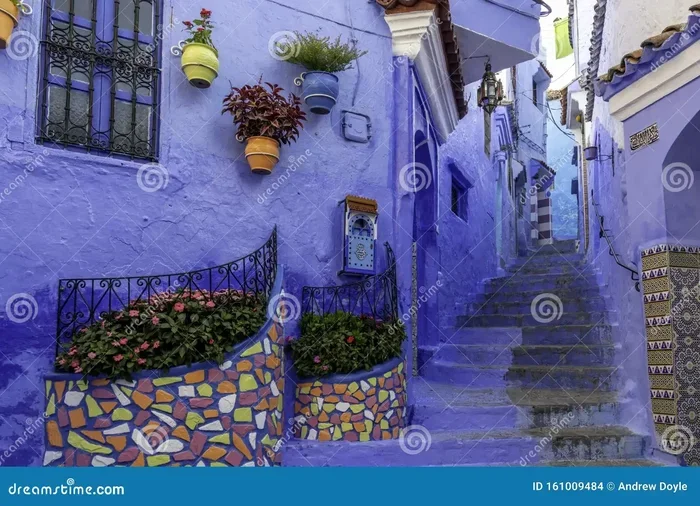
Featured image for Blue Chefchaouen Morocco Streets
Image source: thumbs.dreamstime.com
A 4-day tour from Marrakech to Chefchaouen is one of Morocco’s most rewarding travel experiences, taking you through imperial cities, dramatic mountain passes, and the famous blue-painted streets of northern Morocco. This carefully planned itinerary covers roughly 900 kilometers and introduces travelers to four distinct regions, each with its own culture, food, and scenery. Perfect for first-time visitors, the route balances guided sightseeing with free exploration time, making it both educational and relaxing.
Key Takeaways
- Distance Covered: The journey from Marrakech to Chefchaouen spans approximately 900 kilometers, crossing four distinct geographic regions.
- Best Season: Spring (March-May) and autumn (September-November) offer the most comfortable weather for this multi-day tour.
- Cultural Stops: The route passes through UNESCO World Heritage sites including Meknes, Volubilis, and Fes.
- Blue City Magic: Chefchaouen’s iconic blue-washed streets were first painted by Jewish refugees in the 1930s.
- Road Conditions: Modern highways connect most of the route, though the Middle Atlas mountains include winding mountain roads.
- Budget Range: Group tours typically cost between €200-€400, while private tours range from €600-€1,200 per person.
- Language Tip: Learning basic Arabic or French greetings dramatically enhances interactions with locals along the route.
📑 Table of Contents
- Why a 4-Day Marrakech to Chefchaouen Tour Is Morocco’s Hidden Gem
- The Perfect 4-Day Itinerary Breakdown
- What You’ll See: Highlights Worth Photographing
- Practical Tips for Your 4-Day Adventure
- Choosing Between Group and Private Tours
- Where to Eat: Culinary Highlights Along the Route
- When to Go: Seasonal Considerations
- Budget Breakdown: What This Trip Actually Costs
- Final Thoughts: Why This Journey Stays With You
Why a 4-Day Marrakech to Chefchaouen Tour Is Morocco’s Hidden Gem
Picture this: you wake up in the bustling medina of Marrakech, where donkey carts still weave through alleys too narrow for cars. By day four, you’re sipping mint tea on a rooftop in Chefchaouen, watching the sunset paint the famous blue walls in shades of gold and lavender. That’s the magic of this journey.
A tour of 4 days from Marrakech to Chaouen connects two of Morocco’s most contrasting cities. Marrakech pulses with energy, sounds, and colors that hit you like a wave. Chefchaouen, by contrast, moves at the pace of a lazy afternoon nap. The route between them is the real star, threading through ancient Roman ruins, imperial capitals, cedar forests, and mountain valleys that look painted by hand.
Did you know that Morocco receives over 13 million tourists annually, and multi-day tours covering multiple cities have grown by 35% since 2019? Travelers increasingly want depth over day trips. This 4-day itinerary answers that call, giving you enough time to actually feel each place rather than just photograph it.
What Makes This Route Special
The Marrakech-to-Chefchaouen corridor covers four of Morocco’s most celebrated destinations. Each one tells a different chapter of the country’s story. Think of it like reading a book: Marrakech is the dramatic opening, the imperial cities are the rising action, and Chefchaouen is the peaceful resolution that leaves you wanting more.
The Perfect 4-Day Itinerary Breakdown
Think of this itinerary as a four-act play. Each day has its own rhythm, its own climax, and its own lessons. Below is exactly how experienced tour operators structure the journey, though every guide adds their personal flair.
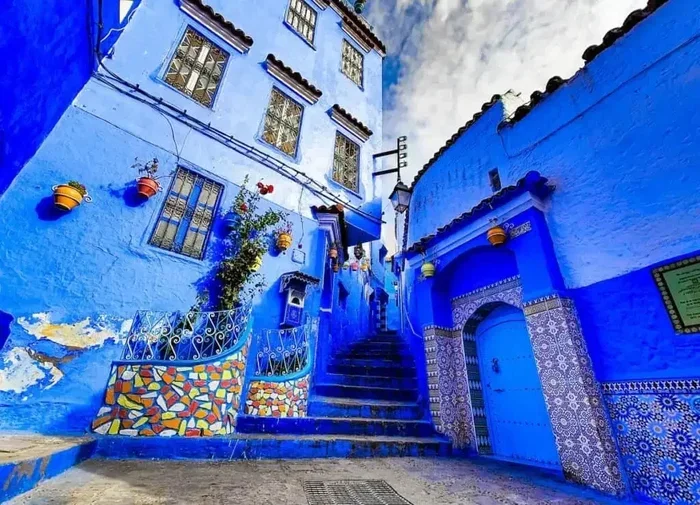
Visual guide about Blue Chefchaouen Morocco Streets
Image source: travelmoroccotoday.com
Day 1: Marrakech to Beni Mellal Through the Middle Atlas
The adventure begins early, usually around 7 or 8 AM, when the Marrakech morning light is still soft and cool. Your first stop might be a quick look at the spectacular High Atlas mountains, where roads climb to over 2,000 meters within the first two hours. The switchback curves look scary, but experienced drivers handle them with confidence.
The drive to Beni Mellal takes roughly five to six hours, with plenty of stops. One favorite break is at a small Berber village where you can buy fresh orange juice pressed right in front of you. The local joke is that the oranges here are so sweet because they grow at the perfect altitude.
- Morning departure: 7:30 AM from your Marrakech hotel or riad
- Mid-morning break: Photo stop at Tizi n’Tichka pass (2,260m altitude)
- Lunch stop: Traditional tagine restaurant in the Atlas foothills
- Afternoon arrival: Beni Mellal by 3 PM, with time to explore the Ain Asserdoun springs
- Overnight: Traditional hotel in Beni Mellal or nearby Azrou
Day 2: Beni Mellal to Fes via Meknes and Volubilis
Day two is history day. After breakfast, you continue north through increasingly green landscapes. The Middle Atlas gives way to wheat fields and olive groves. By late morning, you’ll reach the Roman ruins of Volubilis, a UNESCO World Heritage site that most travelers rank as the highlight of their entire Morocco trip.
Volubilis was once home to 20,000 Romans. Today, you can still see mosaic floors, triumphal arches, and bathhouse foundations. Imagine the city as a snapshot: a place where Berber kings and Roman emperors once walked the same marble streets. That’s history you can almost touch.
After Volubilis, the tour continues to Meknes, one of Morocco’s four imperial cities. The famous Bab Mansour gate, built in the 1730s, is one of the most photographed doors in Africa. Then it’s on to Fes, where you arrive in the late afternoon, just in time to see the golden light bounce off the medina’s ancient walls.
- Morning: Beni Mellal to Volubilis (4 hours)
- Midday: Volubilis guided tour (1.5 hours)
- Afternoon: Meknes sightseeing (2 hours)
- Evening: Arrival in Fes, dinner in the medina
Day 3: Fes to Chefchaouen via the Rif Mountains
Fes deserves a full morning. Most tours include a guided walking tour of the medina, the largest car-free urban area in the world. Inside, 9,400 alleys hold 200,000 residents. It’s easy to get lost, which is half the fun. Your guide will lead you through the famous tanneries, the Al-Qarawiyyin mosque (founded in 859 AD and considered the world’s oldest continuously operating university), and the bustling spice markets.
After lunch, you leave Fes heading northwest toward Chefchaouen. The drive takes about four hours and includes a dramatic climb into the Rif Mountains. The road winds through cedar forests where, if you’re lucky, you might spot Barbary macaques, North Africa’s only native monkey.
The arrival in Chefchaouen is the kind of moment travelers remember for years. The blue comes into view gradually, first as hints on distant walls, then as full immersion in a town painted every shade of blue you can imagine. Why blue? The most common story is that Jewish refugees who arrived in the 1930s painted the houses blue to symbolize the sky and heaven.
- Morning: Fes medina guided tour (3-4 hours)
- Afternoon: Drive to Chefchaouen (4 hours)
- Evening: Welcome dinner, overnight in Chefchaouen
Day 4: Chefchaouen to Tangier or Return to Marrakech
The final day depends on your chosen tour package. Some travelers end in Tangier and fly out. Others return south to Fes or Casablanca for their departure flight. A few brave souls complete the full loop back to Marrakech, though that adds another 7-8 hours of driving.
If you stay in Chefchaouen for the morning, you have time to explore the Spanish Mosque, hike to the mountaintop for panoramic views, or simply wander the blue streets with a coffee in hand. The Ras El Ma waterfall, just 15 minutes from the medina, is a peaceful spot to end the journey.
What You’ll See: Highlights Worth Photographing
Morocco is a photographer’s paradise. Every corner seems designed for Instagram, but more importantly, every scene tells a story. Here’s what you absolutely cannot miss.
The Blue Streets of Chefchaouen
The medina of Chefchaouen contains around 200 blue-painted buildings. The shades range from powder blue to cobalt, with occasional white walls for contrast. Photographers love the early morning light, around 8 AM, when locals wash their doorsteps and the blue seems almost luminous.
Volubilis Roman Mosaics
The mosaic of Orpheus charming animals with his lyre is the most famous piece at Volubilis. It dates from the 3rd century and remains remarkably intact. Bring a wide-angle lens to capture the scale of the columns, which once stood in a city larger than modern-day Pompeii.
The Tanneries of Fes
Yes, they smell strong. Yes, you’ll be handed a sprig of mint to hold under your nose. But the Chouara tannery, operational since the 11th century, is one of the most photogenic and historically significant sites in all of Morocco.
The High Atlas Pass
Tizi n’Tichka, the highest mountain pass on the Marrakech-Fes route, reaches 2,260 meters. From the top, you can see snow-capped peaks even in spring. The winding road itself has become iconic, appearing in countless films and travel documentaries.
Practical Tips for Your 4-Day Adventure
Think of this section as your travel survival kit. These tips come from guides who have led hundreds of tours along this route. Following them will save you money, time, and stress.
What to Pack
Pack light but smart. Morocco’s climate varies dramatically along this route. Marrakech can hit 38°C in summer, while Chefchaouen stays cool even in August.
- Clothing: Lightweight layers, one warm jacket, modest dress code for mosques
- Footwear: Comfortable walking shoes with good grip for cobblestones
- Essentials: Sunscreen, sunglasses, reusable water bottle
- Tech: Universal adapter, portable charger, camera with extra batteries
- Documents: Passport, printed bookings, travel insurance details
Money Matters
Morocco uses the Moroccan Dirham (MAD). One euro equals roughly 11 MAD. Credit cards work in cities but not in small villages. Withdraw cash from ATMs in Marrakech before departing, or stop at ATMs in Fes. Budget around 200-300 MAD per day for meals not included in your tour package.
Health and Safety
Morocco is generally safe for tourists. The most common issues are petty theft in crowded medinas and stomach upsets from tap water. Stick to bottled water, eat at recommended restaurants, and keep valuables in your hotel safe. Most tour operators include basic travel insurance, but check your coverage before departure.
Communication
French and Arabic are Morocco’s main languages, but Spanish is common in northern regions including Chefchaouen. English works in tourist areas, but learning five basic phrases in French or Arabic transforms your experience. “Salam alaikum” (peace be upon you) and “shukran” (thank you) go a long way.
Choosing Between Group and Private Tours
Imagine two different ways to eat the same delicious meal. One is at a big family table with strangers who become friends. The other is at your own quiet corner where the menu is fully yours. Both have their charms. The same applies to choosing between group and private tours.
Group Tours: The Social Experience
Group tours typically include 12-18 travelers plus a guide and driver. Prices range from €200-€400 per person for the 4-day Marrakech to Chefchaouen route. You share a minibus with strangers, eat meals together, and split costs. The advantage is built-in social connection. You’ll likely meet people from five or six different countries, and many travelers form lasting friendships on these trips.
Private Tours: The Personalized Journey
Private tours cost €600-€1,200 per person but offer complete flexibility. You choose when to start each day, how long to stay at each stop, and which restaurants to try. This option works best for families, couples, or travelers with specific interests like photography or architecture. The driver doubles as your personal guide and can adjust the route based on weather or your energy level.
Where to Eat: Culinary Highlights Along the Route
Moroccan food is underrated globally. Tagines, couscous, and mint tea get most of the attention, but the regional variations along this route tell their own stories. The north has more Spanish influence, the south leans toward Berber traditions, and the imperial cities serve refined palace cuisine.
Must-Try Dishes
- Tangia: Marrakech’s signature slow-cooked meat dish, traditionally cooked in a clay pot buried in hot ashes
- Pastilla: A sweet-and-savory pie from Fes, combining pigeon or chicken with almonds and cinnamon
- Msemen: Square flatbread, perfect for breakfast with honey and olive oil
- Harira: Hearty tomato-based soup with lentils and chickpeas, Morocco’s national comfort food
- Fresh seafood: Available in coastal towns near Tangier and Chefchaouen
Food Safety Tips
Stick to cooked vegetables, peeled fruits, and bottled water. Avoid salads from street vendors unless the restaurant looks consistently busy. Hot, freshly cooked food is always safer than food sitting out. Most tour operators include meals at vetted restaurants, but for independent meals, look for places packed with locals.
When to Go: Seasonal Considerations
Timing your trip can make or break the experience. Morocco has two main seasons that matter for travelers: a hot dry summer and a milder wet winter. Shoulder seasons are usually the sweet spot.
Spring (March to May)
This is peak season for good reason. Temperatures range from 18°C to 28°C, wildflowers bloom in the Atlas and Rif mountains, and the light is perfect for photography. Book accommodations early, especially for Easter and Ramadan periods when many Europeans travel.
Summer (June to August)
Summer brings intense heat, especially in Marrakech where temperatures exceed 38°C. Mountain passes remain pleasant, and Chefchaouen stays cool due to its elevation. Crowds thin out except in August when European families travel. Prices drop by 20-30% in July.
Autumn (September to November)
Many experienced travelers call autumn the best-kept secret. Temperatures cool, crowds diminish after the European summer holidays, and the landscapes turn golden. October is particularly beautiful, with harvest festivals in many villages along the route.
Winter (December to February)
Winter means snow on the Atlas passes, which can cause road closures. Chefchaouen occasionally sees snow, creating magical photos but also travel complications. Coastal areas remain mild, and prices drop significantly. This season suits travelers who prefer cooler weather and fewer crowds.
Budget Breakdown: What This Trip Actually Costs
Let’s talk numbers. Below is a realistic budget for a 4-day tour from Marrakech to Chaouen, based on average 2024-2025 prices.
Mid-Range Budget Per Person
- Tour package: €250-€400 (group tour, including transport, guide, accommodation, some meals)
- Personal expenses: €80-€150 (souvenirs, drinks, tips, extra meals)
- Entry fees: €15-€25 (Volubilis, museums, gardens)
- Travel insurance: €20-€40
- Total estimated cost: €365-€615
Budget-Saving Tips
Group tours with shared rooms are the cheapest option. Eating lunch at local markets instead of restaurants saves 50%. Bargaining at souks is expected, but aim to pay 60-70% of the initial asking price. Book directly with local tour operators instead of international agencies to save 20-30%.
Splurge-Worthy Upgrades
If your budget allows, two upgrades transform the experience. First, a night in a traditional riad with a rooftop terrace adds cultural depth and Instagram-worthy views. Second, hiring a private guide for the Chefchaouen walking tour unlocks hidden alleys and local stories you would otherwise miss.
Final Thoughts: Why This Journey Stays With You
Travel changes people. The right trip at the right moment can shift your entire perspective. The 4-day journey from Marrakech to Chefchaouen is that kind of trip for many travelers.
You start in chaos and end in calm. You begin surrounded by red earth and end surrounded by blue walls. You meet Berber villagers in the mountains, Roman ghosts in ancient ruins, artisans in medieval medinas, and hospitality that feels like family. By the time you leave Chefchaouen, you’ve traveled not just across Morocco but through layers of history that most visitors never access.
The real magic of this route isn’t any single attraction. It’s the way the experience builds, day by day, until the journey itself becomes the destination. Every traveler comes home with different memories, but they all share one thing: a deep desire to return.
Whether you’re a first-time visitor to Morocco or a seasoned traveler adding to your collection of adventures, a 4-day tour from Marrakech to Chaouen offers something rare in our fast-paced world: time to truly see a place, to feel its rhythms, and to remember why travel matters.
Frequently Asked Questions
How long is the drive from Marrakech to Chefchaouen?
The direct driving distance is approximately 900 kilometers, which takes around 11 hours without stops. Most travelers spread this across 3-4 days to enjoy the imperial cities of Meknes and Fes along the way, which is the recommended approach for a comfortable experience.
Is a 4-day tour enough to see Chefchaouen properly?
Yes, 4 days is the ideal length. You get one full evening and morning in Chefchaouen, which is enough time to explore the blue medina, visit the Spanish Mosque viewpoint, and shop for local crafts without feeling rushed. Many travelers say Chefchaouen is best experienced slowly, and this itinerary gives you that pace.
What is the best time of year for this tour?
Spring (March-May) and autumn (September-November) offer the most comfortable temperatures, ranging from 18°C to 28°C. Summer can be extremely hot in Marrakech, while winter brings occasional snow to the mountain passes. October is particularly popular for its golden landscapes and pleasant weather.
Do I need a visa for Morocco?
Most Western travelers, including those from the EU, USA, Canada, and UK, do not need a visa for stays under 90 days. Your passport must be valid for at least six months beyond your entry date. Always check the latest requirements with your local Moroccan embassy before booking.
Is it safe to travel from Marrakech to Chefchaouen?
Yes, this is one of Morocco’s most traveled tourist routes and is considered very safe. The roads are well-maintained, local authorities prioritize tourist safety, and tour operators employ experienced drivers familiar with mountain conditions. Standard precautions like watching your belongings in crowded areas apply.
What should I wear for this tour?
Pack lightweight, modest clothing that covers shoulders and knees, especially for visiting religious sites. Bring one warm layer for mountain evenings, comfortable walking shoes for cobblestone streets, and a light rain jacket if traveling in spring or autumn. Bright colors photograph beautifully against Morocco’s landscapes.