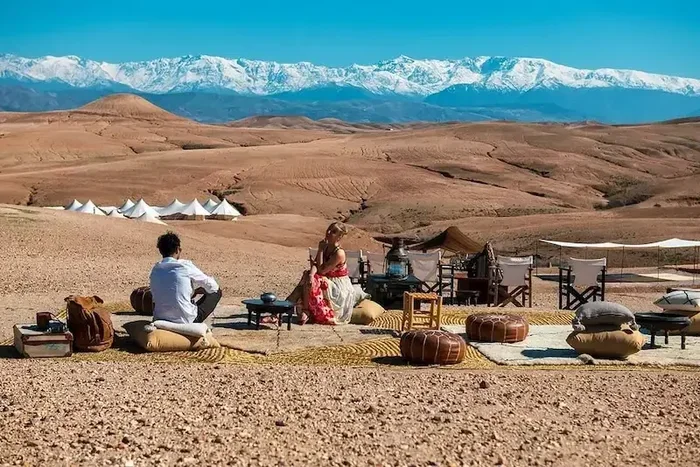
Featured image for Marrakech to Agafay desert tour
Image source: qimal.com
This comprehensive Tour 9 Dias Desde Marrakech a El Desierto De Agafay takes you through Morocco’s most spectacular landscapes in nine unforgettable days. From the bustling souks of Marrakech to the serene dunes of Agafay Desert, you’ll explore ancient kasbahs, traditional Berber villages, and the majestic Atlas Mountains. The journey blends culture, adventure, and authentic Moroccan hospitality, making it perfect for travelers seeking a complete Moroccan experience.
Imagine spending nine incredible days traveling through Morocco, where every sunrise brings a new adventure. A Tour 9 Dias Desde Marrakech a El Desierto De Agafay offers exactly this kind of transformative experience. This isn’t just another vacation; it’s a journey through centuries of history, stunning natural beauty, and vibrant culture.
Morocco welcomed over 17.5 million tourists in 2024, and Marrakech remains the country’s top destination. The Agafay Desert, often called the “Desert of Marrakech,” sits just 40 kilometers from the city. Unlike the distant Sahara, Agafay offers a more accessible desert experience without sacrificing that magical feeling of endless horizons and starlit skies.
The nine-day format gives travelers something most short tours cannot: time to truly absorb each location. You won’t rush through attractions or feel exhausted from constant movement. Instead, you’ll wake up each morning to new possibilities, whether that’s exploring ancient medinas, hiking mountain trails, or watching desert sunsets paint the sky in brilliant oranges and purples.
Key Takeaways
- Nine-Day Duration: The tour spans nine full days, allowing deep exploration of Morocco’s diverse regions beyond typical day trips.
- Diverse Landscapes: Travelers experience four distinct terrains: Marrakech city, Atlas Mountains, desert valleys, and the Agafay Desert.
- Cultural Immersion: The itinerary includes authentic Berber village visits and traditional Moroccan experiences.
- Adventure Activities: Camel trekking, hiking, and exploring ancient kasbahs are core components of the journey.
- Comfortable Accommodation: The tour balances riads, mountain guesthouses, and desert camps for varied experiences.
- Year-Round Availability: The tour operates throughout the year, though spring and autumn offer ideal weather conditions.
- Small Group Advantage: Most operators limit groups to 12-16 travelers for personalized attention and authentic experiences.
📑 Table of Contents
- What Makes the Agafay Desert Special
- Detailed Day-by-Day Itinerary Breakdown
- Essential Planning Information
- Cultural Etiquette and Local Customs
- Accommodation Options Throughout the Journey
- Safety and Health Considerations
- Sustainable Tourism and Responsible Travel
- Making the Most of Your Nine-Day Adventure
- Final Thoughts on Your Moroccan Journey
What Makes the Agafay Desert Special
The Agafay Desert is Morocco’s best-kept secret. Think of it like a hidden beach that locals love but tourists rarely find. It’s a rocky, arid landscape just outside Marrakech that feels worlds away from the city’s hustle and bustle.
Geography and Location
The Agafay sits on a plateau about 2,000 meters above sea level. Unlike the Sahara’s towering sand dunes, Agafay features rolling rocky terrain that resembles a lunar landscape. The area covers roughly 700 square kilometers, offering vast open spaces perfect for contemplation and adventure.
What surprises many visitors is how close it remains to civilization. You can be enjoying absolute desert silence one moment and arrive at a luxury camp within an hour of leaving central Marrakech. This unique proximity makes Agafay ideal for travelers who want authentic desert experiences without long, uncomfortable transfers.
Why Choose Agafay Over the Sahara
Many travelers wonder about the difference between Agafay and the more famous Sahara Desert near Merzouga. The Sahara offers classic towering dunes, but reaching it requires 8-10 hours of driving each way. Agafay provides:
- Shorter travel times from Marrakech (45 minutes to 1 hour)
- Rocky, lunar-like landscapes unique to Morocco
- Luxury glamping options with stunning amenities
- Better weather accessibility during winter months
- Lower costs compared to extended Sahara expeditions
The Sahara remains fantastic for dedicated desert expeditions, but Agafay delivers a more practical desert experience that fits perfectly into a nine-day itinerary exploring multiple regions.
Detailed Day-by-Day Itinerary Breakdown
A well-planned nine-day tour flows naturally from one destination to the next. Think of it like reading a great novel where each chapter builds on the previous one, creating a complete story.
Days 1-2: Discovering Marrakech
Your adventure begins in Marrakech, Morocco’s fourth-largest city and cultural heart. The city itself is a UNESCO World Heritage Site, packed with monuments dating back to the 12th century. The famous Jemaa el-Fnaa square fills each evening with storytellers, musicians, and food vendors creating an atmosphere found nowhere else on Earth.
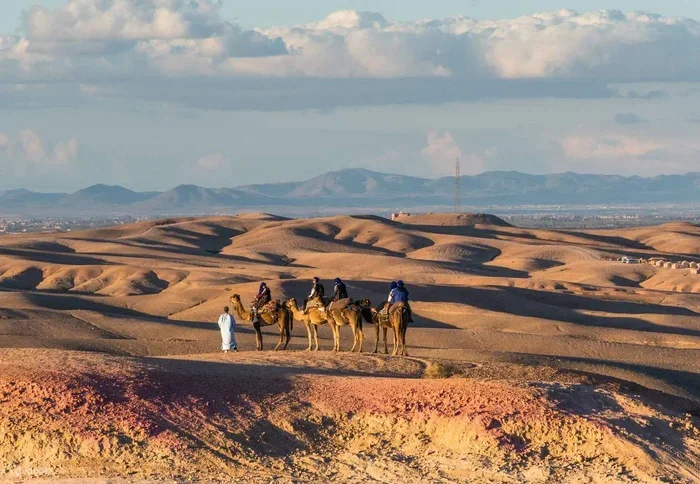
Visual guide about Marrakech to Agafay desert tour
Image source: res.klook.com
During your first two days, you’ll explore the medina’s winding alleys, visit the stunning Bahia Palace, and admire the Koutoubia Mosque’s 77-meter minaret. Local guides share stories about the city’s founding in 1070 and how it became a major trading post connecting Africa and Europe. The Majorelle Garden, once owned by Yves Saint Laurent, offers a peaceful escape with its vibrant blue accents and exotic plants.
Did You Know? Marrakech’s name comes from the Berber word “Mur-Akush,” meaning “Land of God.” The city’s red sandstone buildings give it the nickname “Red City.”
Days 3-4: Crossing the Atlas Mountains
The journey continues through the High Atlas Mountains, where Berber villages cling to hillsides much as they have for centuries. The Tizi n’Tichka pass reaches 2,260 meters, offering breathtaking views and exciting photo opportunities. Along the way, you’ll stop at traditional argan oil cooperatives where women demonstrate how this “liquid gold” is extracted.
Days three and four take you through the stunning Ourika Valley and into the heart of Berber country. You’ll visit authentic villages where time seems to stand still. Local families often welcome visitors with mint tea, Morocco’s national drink, served in beautiful glasses with elaborate pouring ceremonies.
The Ait Souka village provides insights into traditional mountain life. Here, families tend terraced fields carved into mountainsides over generations. Children often attend small village schools before returning home to help with livestock and farming duties. This region offers hiking opportunities suitable for all fitness levels, from gentle valley walks to challenging peak climbs.
Days 5-6: Desert Valleys and Ancient Kasbahs
The middle section of your tour explores Morocco’s famous “Route of a Thousand Kasbahs.” This scenic drive passes numerous fortified earthen structures that once protected valuable trade goods moving through the region. The Ouarzazate area, known as the “Gateway to the Sahara,” hosts famous film studios where productions like “Gladiator” and “Lawrence of Arabia” were filmed.
The Draa Valley stretches over 200 kilometers and contains some of Morocco’s most spectacular palm groves. Walking through these ancient oases feels like entering another world, with date palms towering overhead and small villages hidden among the greenery. The valley has supported human settlement for over 2,000 years, and traditional irrigation systems still function today.
During these two days, you’ll also visit the spectacular Ait Benhaddou, a UNESCO World Heritage Site. This ancient kasbah features interconnected buildings climbing up a hillside, creating an unforgettable silhouette. Walking through its narrow passages, you can almost hear echoes of the caravans that once stopped here.
Days 7-8: The Agafay Desert Experience
The journey’s climax takes you to the Agafay Desert for two full days of immersion. Unlike rushed half-day trips, this extended stay allows genuine connection with the desert environment. Think of it like the difference between watching a movie trailer and seeing the full film.
Day seven begins with a scenic drive from your previous location, arriving at the desert camp by afternoon. After settling into your accommodation, whether a traditional nomadic tent or luxury glamping setup, you’ll embark on a camel trek across the rocky plains. Camels have been desert transportation for thousands of years, and riding one connects you to countless generations of travelers.
The desert sunset is genuinely spectacular. As the sun sinks below the horizon, the rocky landscape transforms into shades of gold, pink, and purple. Traditional Berber music around a campfire creates a magical evening atmosphere. Many tours feature local musicians playing drums and singing songs passed down through generations.
Day eight offers flexibility based on your interests. Options include:
- Quad biking across desert terrain
- Hot air balloon rides at sunrise
- Yoga and meditation sessions
- Extended hiking exploration
- Stargazing with professional telescopes
- Traditional cooking classes
Did You Know? The Agafay Desert receives less than 150mm of rainfall annually, yet supports unique wildlife including desert foxes, hedgehogs, and over 30 bird species.
Day 9: Return to Marrakech
Your final day provides a relaxed return to Marrakech, with time to purchase souvenirs and revisit favorite spots. The medina’s souks offer everything from spices and leather goods to traditional carpets and modern crafts. Haggling is expected and part of the cultural experience; starting at half the asking price is generally appropriate.
Many travelers find this return day bittersweet. After nine days of adventure, returning to the familiar comfort of Marrakech feels different. The city that seemed overwhelming on day one now feels like a home away from home, where you recognize shopkeepers and know which café makes the best mint tea.
Essential Planning Information
Best Time to Visit
Morocco’s climate varies significantly by region and season. For the nine-day Marrakech to Agafay tour, timing affects everything from temperature to crowd levels. Spring (March-May) and autumn (September-November) offer ideal conditions with comfortable temperatures ranging from 20-28°C during the day.
Summer temperatures can exceed 40°C, making desert excursions uncomfortable. Winter brings cooler weather with occasional snow in mountain areas, but desert conditions remain pleasant during midday hours. The shoulder seasons offer the best balance of good weather and manageable tourist numbers.
Ramadan dates affect the travel experience significantly. While tours still operate during Ramadan, some restaurants close during daylight hours, and the general pace slows considerably. Many travelers actually enjoy the special atmosphere Ramadan creates, with evening celebrations breaking the daily fast.
What to Pack
Smart packing makes the difference between an enjoyable trip and a frustrating one. The nine-day itinerary passes through multiple climate zones, so layering is essential. Think of packing like building a sandwich: each layer serves a purpose.
Essential items include:
- Comfortable walking shoes with good grip
- Light layers for varying temperatures
- Sun protection (hat, sunglasses, sunscreen)
- Modest clothing for cultural respect
- Reusable water bottle
- Camera with extra batteries
- Small flashlight for desert evenings
- Personal medications and basic first aid
- Power adapter for Moroccan outlets
Most accommodations provide towels and basic toiletries, so overpacking creates unnecessary burden. A daypack for daily excursions works better than large suitcases that become cumbersome during mountain travel.
Budget Considerations
Tour costs vary based on accommodation standards, group size, and included activities. Budget options start around €800 per person, mid-range tours typically cost €1,200-1,800, and luxury experiences can exceed €2,500. These prices usually include accommodation, transportation, breakfast, and most dinners.
Additional expenses to budget include:
- International flights to Marrakech
- Travel insurance
- Souvenirs and personal shopping
- Optional activities and tips
- Lunches and some beverages
- Entry fees for specific monuments
Tipping is customary in Morocco. Budget approximately €3-5 per day for your driver, €2-3 for restaurant staff, and €1-2 for hotel housekeeping. These amounts accumulate throughout the nine days.
Cultural Etiquette and Local Customs
Understanding Moroccan Culture
Morocco blends Arab, Berber, and French influences, creating a unique cultural tapestry. Understanding basic customs enhances your experience and shows respect for local traditions. Think of cultural awareness like learning the rules of a game: it makes everything more enjoyable for everyone involved.
Greetings matter significantly in Moroccan culture. When meeting someone, taking time for proper greetings demonstrates respect. A handshake with the right hand, accompanied by inquiries about health and family, creates positive first impressions. In rural areas, waiting for women to extend their hands first shows appropriate respect.
Photography requires sensitivity. Always ask permission before photographing people, especially women and elderly individuals. Many Moroccans appreciate the opportunity to be photographed once you’ve established rapport, particularly after sharing tea or conversation.
Religious Considerations
Islam is Morocco’s official religion, and the call to prayer five times daily shapes daily life. The morning call around 5:30 AM might wake light sleepers, but it represents an integral part of the experience. Modest clothing shows respect, particularly when visiting religious sites.
During Ramadan, eating, drinking, and smoking in public during daylight hours shows disrespect. Most tours adjust schedules to accommodate fasting travelers, with meals served after sunset. Understanding these practices helps travelers connect more authentically with local culture.
Friday prayers require special consideration. Some shops and businesses close briefly, and the pace slows as communities gather for worship. Planning major activities around prayer times creates smoother experiences.
Language Basics
Arabic and Berber languages dominate, but French serves as the primary foreign language. In tourist areas, English becomes increasingly common, especially among younger Moroccans. Learning a few basic phrases enhances interactions significantly.
Helpful phrases include:
- “Salam alaikum” (Peace be upon you) – universal greeting
- “Shukran” (Thank you) – essential courtesy
- “La, shukran” (No, thank you) – polite declining
- “Bslama” (Goodbye) – friendly farewell
- “Inshallah” (God willing) – common expression about future plans
Attempting Arabic phrases, even imperfectly, generates warm responses from locals. This small effort often leads to richer cultural exchanges and memorable encounters.
Accommodation Options Throughout the Journey
Marrakech Riads
Traditional riads provide authentic Moroccan accommodation experiences. These historic homes feature central courtyards, often with fountains and gardens, creating peaceful retreats from busy streets. Rooms typically showcase intricate tilework called zellige, carved plaster details, and traditional textiles.
Riad quality varies significantly. Budget options provide basic comfort with shared facilities, while luxury riads offer private plunge pools, rooftop terraces, and personalized service. The Medina contains hundreds of riads within walking distance of major attractions.
Mountain Guesthouses
Berber villages offer authentic mountain accommodations that connect travelers with traditional hospitality. These family-run guesthouses serve home-cooked meals featuring tagines and fresh bread. Rooms remain simple but comfortable, often with stunning valley views.
Staying in mountain villages provides insights into rural Moroccan life that city hotels cannot match. Families share stories about their heritage, demonstrate traditional crafts, and explain agricultural practices passed down through generations. These experiences often become tour highlights for culturally curious travelers.
Desert Camps
The Agafay Desert offers various camping options, from basic nomadic tents to luxury glamping experiences. Standard camps provide comfortable beds, communal dining areas, and shared bathroom facilities. Luxury camps feature private bathrooms, electricity, and even air conditioning in some cases.
The desert camping experience includes traditional Berber music, campfire gatherings, and exceptional stargazing opportunities. Light pollution remains minimal in Agafay, revealing thousands of stars invisible in urban environments. Many camps provide telescopes and astronomy guides for enhanced viewing.
How to Choose the Right Tour
Researching Tour Operators
Selecting the right operator makes the difference between an average trip and an exceptional one. Start by reading recent reviews on platforms like TripAdvisor and Google. Look for operators with consistent positive feedback over multiple years rather than just recent reviews.
Check if operators are registered with Morocco’s Ministry of Tourism. Licensed operators must meet specific standards for vehicles, guides, and accommodations. This registration provides recourse if problems arise during your trip.
Ask detailed questions about:
- Group size limits
- Guide qualifications and languages
- Vehicle age and condition
- Accommodation specifics by name
- Inclusion of entrance fees
- Cancellation and refund policies
- Insurance coverage
Reading the Fine Print
Tour inclusions vary significantly between operators. Some advertise “all-inclusive” but exclude drinks, tips, or specific activities. Comparing detailed itineraries reveals which operators provide genuine value versus those charging premium prices for basic services.
Understand payment structures and cancellation terms before booking. Reputable operators accept deposits with balance payments closer to departure. Avoid operators requiring full payment months in advance without proper protections.
Safety and Health Considerations
General Safety in Morocco
Morocco remains one of Africa’s safest countries for tourists, with low violent crime rates and welcoming attitudes toward visitors. However, common-sense precautions apply. Petty theft occasionally occurs in crowded areas, particularly around tourist attractions. Using money belts, avoiding obvious displays of wealth, and staying aware in crowded souks reduces risks significantly.
Women traveling solo should dress modestly and be prepared for occasional catcalling or unwanted attention. Joining group tours provides added security and social support. Most female travelers report overwhelmingly positive experiences, particularly when traveling with reputable operators.
Health Precautions
Consult travel doctors 4-6 weeks before departure regarding recommended vaccinations. Routine vaccines should be current, and some travelers consider hepatitis A and typhoid protection. No vaccinations are legally required for entry, but prevention makes sense.
Food and water safety deserve attention. Stick to bottled water, avoid ice in drinks from street vendors, and eat at reputable establishments. The tour’s structured meal arrangements minimize exposure to questionable food sources.
Pack a basic medical kit including:
- Anti-diarrheal medication
- Pain relievers
- Bandages and antiseptic
- Personal prescriptions
- Hand sanitizer
- Motion sickness remedies
Travel insurance with medical coverage provides essential protection. Ensure policies cover adventure activities like camel trekking and hiking. Many standard policies exclude certain activities, so verify coverage details.
Sustainable Tourism and Responsible Travel
Supporting Local Communities
Tourism provides crucial income for many Moroccan families, particularly in rural areas. Choosing locally-owned accommodations, purchasing directly from artisans, and hiring local guides ensures your spending benefits communities directly rather than international corporations.
Many Berber cooperatives welcome visitors, offering opportunities to purchase authentic products while supporting traditional crafts. Argan oil cooperatives, carpet weaving collectives, and pottery workshops provide both economic support and cultural exchange opportunities.
Environmental Responsibility
The Agafay Desert’s fragile ecosystem deserves protection. Stay on designated paths during hikes, avoid disturbing wildlife, and pack out all trash. Water remains precious in desert regions, so using it efficiently shows respect for environmental limitations.
Choose operators committed to sustainable practices. Ask about their environmental policies, waste management procedures, and community engagement programs. Responsible operators limit group sizes, use appropriate vehicles, and support conservation initiatives.
Cultural Preservation
Tourism can either preserve or erode traditional cultures depending on how it’s conducted. Respectful travelers who learn about local customs, support traditional practices, and engage genuinely with communities help preserve cultural heritage for future generations.
Avoid activities that exploit animals or people. Camel welfare varies between operators; choose companies that treat animals humanely. Similarly, decline “cultural experiences” that feel staged or disrespectful to traditions.
Making the Most of Your Nine-Day Adventure
Photography Tips
The journey offers incredible photography opportunities, from Marrakech’s vibrant souks to desert sunsets. Morning and evening light provides the best conditions, with softer shadows and warmer tones. The “golden hour” before sunset transforms landscapes into magical scenes.
Camera equipment considerations include:
- Versatile zoom lens for varying situations
- Wide-angle for landscapes and architecture
- Tripod for low-light desert scenes
- Extra memory cards and batteries
- Lens cleaning supplies for dusty environments
Always ask permission before photographing people. Many Berber communities appreciate being asked and often enjoy the interaction. Some individuals request small fees for posed photographs, which is reasonable given the economic value tourism represents for them.
Connecting with Fellow Travelers
Group tours create unique opportunities for international friendships. Travelers from different backgrounds share common experiences, creating bonds that often outlast the trip itself. The nine-day duration allows genuine connections to develop naturally.
Be open to conversations, share meals together, and participate in group activities. The best travel memories often involve people met along the journey rather than specific attractions. These connections also provide safety in numbers and support when navigating unfamiliar situations.
Embracing Spontaneity
While itineraries provide structure, some of the best experiences happen spontaneously. Accept unexpected invitations, try unfamiliar foods, and venture slightly off the planned path when opportunities arise. The Berber tea ceremony you didn’t expect or the unmarked trail your guide suggests might become trip highlights.
Balance planned activities with free time for personal exploration. The nine-day format allows this balance, unlike rushed three-day tours that leave no space for individual discovery.
Final Thoughts on Your Moroccan Journey
A Tour 9 Dias Desde Marrakech a El Desierto De Agafay represents more than a vacation; it’s an immersion into one of the world’s most fascinating regions. Nine days provides the perfect duration for meaningful exploration without exhausting travelers or rushing through experiences.
The journey offers something rare in modern travel: genuine transformation. You’ll return home with more than photographs and souvenirs. You’ll carry memories of mint tea shared with Berber families, camel treks across ancient landscapes, and sunsets that painted the sky in colors you never imagined possible.
Morocco’s magic lies in its contrasts: ancient medinas and modern amenities, mountain peaks and desert plains, bustling cities and silent dunes. The nine-day format allows you to experience these contrasts deeply rather than superficially.
Whether you’re seeking adventure, cultural enrichment, or simply a break from routine, this tour delivers. The memories created during these nine days will stay with you forever, inspiring return visits and shared stories for years to come.
Begin your Moroccan adventure with proper planning, an open mind, and realistic expectations. The country rewards curious travelers with experiences that exceed even vivid imaginations. Your nine-day journey from Marrakech to the Agafay Desert awaits, promising discoveries that will reshape your understanding of travel itself.
Frequently Asked Questions
What is the best time of year for a 9-day Marrakech to Agafay Desert tour?
Spring (March-May) and autumn (September-November) offer ideal conditions with temperatures between 20-28°C. These seasons provide comfortable weather for both city exploration and desert activities while avoiding extreme summer heat and winter cold. Book at least two months ahead for these popular periods.
How physically demanding is the nine-day tour?
The tour suits most fitness levels, with activities ranging from gentle walks to moderate hiking. The Atlas Mountain sections include optional strenuous hikes, but alternatives exist for less active travelers. Camel riding requires no special fitness, though mounting and dismounting requires basic mobility. Communicate any concerns with operators beforehand.
Is the Agafay Desert safe for tourists?
Yes, the Agafay Desert welcomes thousands of visitors safely each year. Reputable tour operators maintain safety protocols, experienced guides, and proper equipment. The proximity to Marrakech (less than one hour) means emergency services remain accessible. Following guide instructions and staying hydrated ensures safe experiences.
What should I wear during the desert portion?
Light, loose-fitting clothing in layers works best for desert conditions. Bring a warm jacket for cool desert nights, as temperatures drop significantly after sunset. Comfortable closed-toe shoes protect against rocky terrain. Modest clothing showing respect for local culture remains appropriate throughout Morocco.
Can I customize the standard itinerary?
Most operators offer customization options, including extra days in specific locations, alternative accommodations, or additional activities like hot air balloon rides. Customization typically costs more but allows personalized experiences. Discuss modifications directly with operators before booking to confirm availability and pricing.
Do I need speaking French or Arabic for the tour?
No, tour guides speak English, French, and Arabic fluently. Basic English suffices for communication throughout the journey. Learning simple Arabic greetings enhances interactions and shows cultural respect, but language barriers don’t limit experiences. Guides handle all translations and cultural mediation.