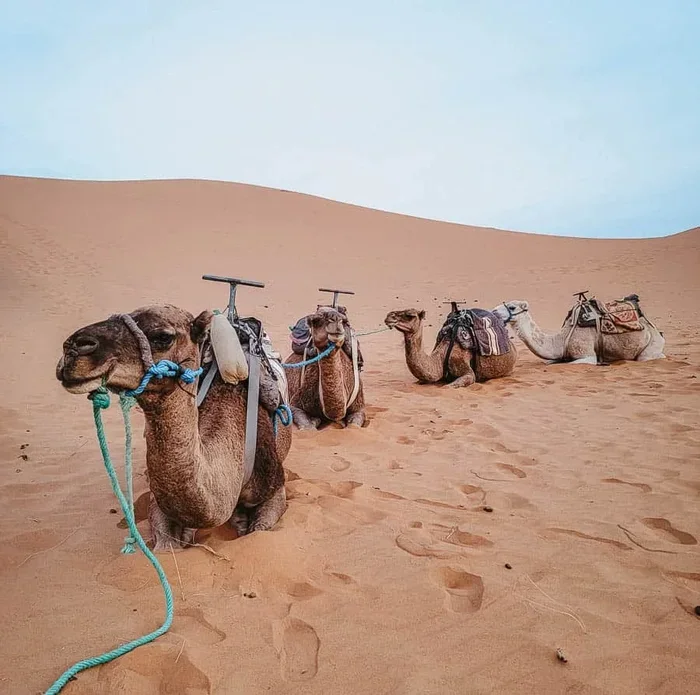
Featured image for Marrakech Sahara camels
Image source: theunknownenthusiast.com
A 12 days tour from Marrakech to Sahara Desert is the ultimate way to experience Morocco’s diverse landscapes and rich cultural heritage. This extended itinerary takes you through imperial cities, the Atlas Mountains, stunning valleys, and the breathtaking Erg Chebbi dunes. Perfect for travelers who want to see everything without rushing. Expect camel treks, traditional Berber hospitality, and unforgettable desert sunsets.
Picture this: you’re standing at the edge of a vast ocean of golden sand, the sun setting behind you in shades of orange and pink. Behind you, a caravan of camels rests peacefully. Above, millions of stars begin to appear in a sky so clear it feels like you could touch them. This isn’t a dream. This is what awaits you on a 12 days tour from Marrakech to Sahara Desert.
Morocco is a country that feels like stepping into another world. Ancient medinas buzz with life. Snow-capped mountains meet sweeping deserts. The call to prayer echoes through narrow alleyways while Berber drums beat in mountain villages. But trying to experience all of this in just a few days feels rushed. That’s why a 12-day itinerary makes perfect sense. It gives you time to breathe, to explore, and to truly connect with the land and its people.
Whether you’re a solo traveler seeking adventure, a couple looking for a romantic getaway, or a family wanting to experience something truly different, this comprehensive guide will walk you through everything you need to know. We’ll cover where you’ll go, what you’ll see, how to prepare, and how to make the most of every single day.
Key Takeaways
- Duration & Pace: 12 days allows for slow travel, deeper cultural immersion, and visiting off-the-beaten-path locations beyond just Marrakech and Merzouga.
- Route Highlights: The classic route includes Ait Benhaddou, Todra Gorge, Erg Chebbi dunes, Fes, Chefchaouen, and Essaouira on the Atlantic coast.
- Best Time to Go: October through April offers the most comfortable temperatures for desert exploration and mountain trekking.
- Accommodation Variety: Expect a mix of riads, kasbah hotels, and authentic desert camps under the stars.
- Budget Range: Mid-range tours typically cost between €900-€1,500 per person, including transport, guide, and most meals.
- Cultural Experiences: Berber music, mint tea ceremonies, and visits to local cooperatives are integral parts of the journey.
- Physical Preparation: Light hiking ability helps, but the tour is suitable for most fitness levels with proper preparation.
📑 Table of Contents
- Who Should Consider a 12-Day Marrakech to Sahara Desert Tour?
- What Does the Classic 12-Day Itinerary Look Like?
- Where Exactly Does the Tour Go?
- When Is the Best Time to Book This Tour?
- Why Choose a 12-Day Tour Over Shorter Options?
- How to Prepare for Your 12-Day Morocco Adventure?
- Conclusion: Your Moroccan Adventure Awaits
Who Should Consider a 12-Day Marrakech to Sahara Desert Tour?
Let’s start with the basics. A 12 days tour from Marrakech to Sahara Desert isn’t just for hardcore adventurers. It’s actually perfect for many types of travelers, especially those who want a balance between exploration and comfort.
The Cultural Explorer
If you’re someone who loves history, architecture, and learning about different ways of life, this tour is your dream come true. You’ll walk through ancient medinas that date back over a thousand years. You’ll see the famous Ait Benhaddou, a UNESCO World Heritage site that has served as a backdrop for movies like Gladiator and Game of Thrones. You’ll explore Roman ruins at Volubilis and wander through the world’s oldest university in Fes. Think of it as a living history lesson that you get to experience with all five senses.
The Nature Lover
Morocco’s landscapes are incredibly diverse. One day you might be walking through the snow-dusted Atlas Mountains. The next, you’re in a lush oasis filled with date palms. Then you find yourself in the Sahara, where the silence is so profound you can hear your own heartbeat. The country packs in nearly every type of terrain you can imagine. A 12-day tour gives you time to truly appreciate these natural wonders without feeling like you’re always rushing to the next stop.
The Photographer
Did you know that Morocco is consistently ranked among the top 5 most photogenic countries in the world? From the blue-washed streets of Chefchaouen to the golden dunes of Erg Chebbi, every corner offers a picture-perfect moment. Twelve days means you’ll have time to wait for the perfect light, capture sunrise over the desert, and shoot the bustling souks without feeling pressured.
Families and Older Travelers
Many people assume desert tours are only for young backpackers. That’s simply not true. The 12-day pace is actually ideal for families with kids and travelers over 50. There’s enough downtime built into the itinerary for rest. Most tours offer comfortable accommodations, and vehicle travel between stops is air-conditioned. You won’t be sleeping rough every night unless you want to.
What Does the Classic 12-Day Itinerary Look Like?
While every tour operator offers slightly different routes, there’s a classic path that covers the very best of Morocco. Let me walk you through what a typical 12 days tour from Marrakech to Sahara Desert looks like. Think of it like a great recipe—the ingredients stay similar, but each chef adds their own special touch.
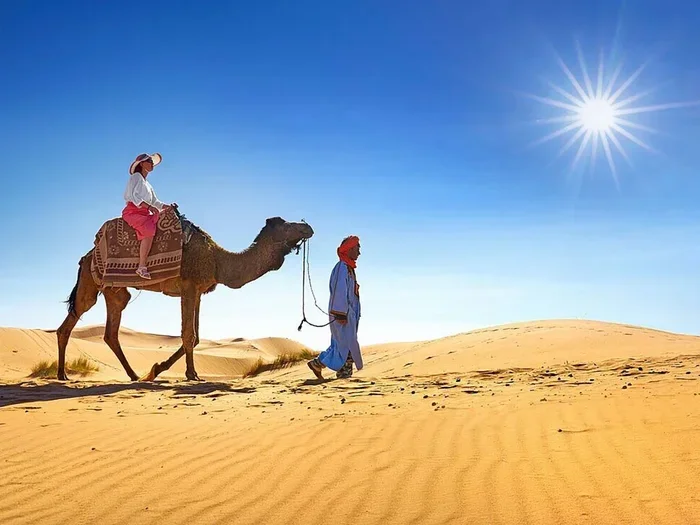
Visual guide about Marrakech Sahara camels
Image source: marrakech-desert-trips.com
Days 1-2: Marrakech Exploration
Your adventure begins in Marrakech, often called the “Red City” because of its distinctive pink-red buildings. On your first day, you’ll likely arrive and settle into a traditional riad (a Moroccan house with an interior garden). Day two is all about exploration. You’ll visit the famous Jemaa el-Fnaa square, where snake charmers, storytellers, and food vendors create a mesmerizing spectacle every evening. You’ll explore the Majorelle Garden, the Bahia Palace, and the Saadian Tombs. Pro tip: hire a local guide for your first day. They bring the history to life in ways guidebooks simply cannot.
Days 3-4: Atlas Mountains and Ait Benhaddou
Day three takes you over the Tizi n’Tichka pass in the High Atlas Mountains. The drive itself is spectacular, with winding roads offering panoramic views. You’ll stop at Ait Benhaddou, a fortified village (ksar) that looks like something from another century. Many tours include a night in a nearby kasbah hotel. Day four is often spent exploring Ouarzazate, known as the “Hollywood of Africa” because of its film studios, and the stunning Todra Gorge, where canyon walls rise over 400 meters high.
Days 5-6: The Sahara Desert Experience
This is the highlight of any Morocco tour. You’ll travel to Merzouga or Erg Chebbi, where the real Sahara begins. The journey there is part of the adventure, taking you through date palm oases and traditional Berber villages. In the late afternoon, you’ll mount your camel (yes, camels!) for a trek into the dunes. Watching the sunset from the back of a camel, with sand stretching in every direction, is something you’ll remember forever. You’ll spend the night in a Berber desert camp, where traditional music, tagine dinner, and stargazing await. Did you know the Sahara covers over 3.6 million square miles? It would take weeks to cross, but Erg Chebbi gives you a perfect taste of its magic.
Days 7-8: Journey North to Fes
After sunrise over the dunes (another unforgettable moment), you’ll begin your journey north. The route often takes you through the Ziz Valley, with its dramatic gorges and palm groves. You’ll pass through Midelt, known for its apple orchards, and the cedar forests of Ifrane, sometimes called “the Switzerland of Morocco.” By day eight, you’ll reach Fes, the oldest of Morocco’s imperial cities and a UNESCO World Heritage site.
Days 9-10: Fes and Chefchaouen
Fes deserves at least a full day. Its medina is the world’s largest car-free urban area, with over 9,000 narrow streets. You’ll visit the famous Al-Qarawiyyin University (founded in 859 AD, making it the oldest continuously operating university in the world), the tanneries, and the beautifully intricate Bou Inania Medersa. Day ten typically involves a drive to Chefchaouen, the famous “Blue City” nestled in the Rif Mountains. Walking through its blue-washed streets feels like stepping into a dream.
Days 11-12: Atlantic Coast and Return
The final stretch takes you to the Atlantic coast. Most itineraries include a stop in Essaouira, a charming coastal town with whitewashed buildings, a Portuguese-built fortress, and fresh seafood. It’s also famous as the place where Jimi Hendrix visited in the 1960s. From there, you’ll return to either Marrakech or Casablanca, depending on your departure plans. Many tours end in Casablanca to make airport connections easier.
Where Exactly Does the Tour Go?
Understanding the geography helps you appreciate the journey. Morocco is roughly the size of California, but its landscapes change dramatically from region to region.
The Imperial Cities
Marrakech, Fes, Meknes, and Rabat are the four imperial cities. Each has its own personality. Marrakech is vibrant and energetic. Fes is traditional and scholarly. Meknes is quieter with impressive gates and granaries. Rabat is the modern capital with a more relaxed vibe. Most 12-day tours focus on Marrakech and Fes, as they offer the richest cultural experiences.
Mountain Regions
The Atlas Mountains run through the center of the country, dividing the Sahara from the fertile north. The High Atlas has peaks over 4,000 meters, while the Middle and Anti-Atlas ranges offer their own unique beauty. The Rif Mountains in the north, where Chefchaouen sits, are greener and more Mediterranean in feel.
The Sahara Desert
Most tours visit Erg Chebbi near Merzouga or Erg Chigaga near M’Hamid. Erg Chebbi is more accessible and has larger dunes (some over 150 meters tall). Erg Chigaga is more remote and feels more wild. If you want the classic desert experience with reliable infrastructure, Erg Chebbi is the choice. If you crave true isolation, Erg Chigaga might be better.
The Atlantic and Mediterranean Coasts
Morocco has over 1,200 miles of coastline. Essaouira, Agadir, and Tangier are popular stops. Each offers fresh seafood, beautiful beaches, and a different feel from the interior. The Atlantic coast tends to be cooler and windier, while the Mediterranean coast is milder.
When Is the Best Time to Book This Tour?
Timing can make or break your Moroccan adventure. Let’s break it down by season.
Peak Season: October to April
The cooler months from October through April are considered the best time for a 12 days tour from Marrakech to Sahara Desert. Temperatures are comfortable, ranging from 15°C to 25°C during the day. Nights in the desert can be cold (sometimes near freezing), but that’s part of the charm. This is also when the skies are clearest, making for spectacular stargazing. Book at least 3-6 months in advance for this period, especially if traveling during Christmas, New Year, or spring break.
Shoulder Season: March-May and September-October
These months offer a sweet spot. The weather is pleasant, crowds are thinner, and prices are often lower. Wildflowers bloom in March and April, transforming the countryside into a colorful tapestry. It’s particularly beautiful in the Atlas Mountains and around Chefchaouen.
Summer: June to August
Summer in Morocco can be brutally hot, especially in the desert where temperatures regularly exceed 45°C (113°F). However, the coastal areas and mountains remain pleasant. If you must travel in summer, focus on coastal and mountain regions, and choose a tour that emphasizes early morning and evening desert activities. Just know that many operators reduce or modify their desert itineraries during peak summer.
Ramadan Considerations
During the Islamic holy month of Ramadan, many restaurants close during the day, and the pace of life slows. However, this can also be a special time to visit, as the evenings come alive with celebrations. Just be respectful and aware that some sites may have limited hours.
Why Choose a 12-Day Tour Over Shorter Options?
You might be wondering: why 12 days? Couldn’t I do this in 5 or 7 days? The short answer is yes, but you’d miss so much. Let me explain why 12 days hits the sweet spot.
The Time-Advantage Ratio
Think of it like this: a 5-day tour is like watching a movie on fast-forward. You’ll see the highlights but won’t understand the story. A 7-day tour is normal speed. A 12-day tour lets you see the director’s cut with bonus features. You’ll have time for spontaneous stops, meaningful conversations with locals, and moments of quiet reflection. The pace matters more than you might think.
Less Stress, More Joy
Short Morocco tours often involve 6-8 hours of driving per day with quick stops. That gets exhausting. A 12-day tour typically has shorter driving days (4-5 hours average) and longer stops. You arrive at each destination fresh and ready to explore, not tired and grumpy. Your enjoyment multiplies when you’re not constantly rushing.
Deeper Cultural Connection
Did you know that Morocco has over 30 different Berber dialects still spoken today? Spending more time in rural areas gives you opportunities to interact with locals, learn a few words of Darija (Moroccan Arabic), and understand the culture beyond surface-level tourism. Many travelers on longer tours end up forming genuine friendships with their guides, drivers, and riad hosts.
Better Photography Opportunities
Light in Morocco is magical but fleeting. The best photos often happen during golden hour (just after sunrise and before sunset). On shorter tours, you might only see one or two sunrises in the desert. A 12-day tour gives you multiple chances to capture that perfect shot. Plus, you’ll have time to revisit locations if the weather wasn’t ideal the first time.
Health and Comfort
Long road trips can take a toll on your body. Jet lag plus constant movement plus new foods plus climate changes can stress your immune system. A more leisurely 12-day pace allows your body to adjust. You’ll get proper sleep, stay hydrated, and actually enjoy your meals rather than grabbing whatever’s available.
How to Prepare for Your 12-Day Morocco Adventure?
Good preparation is the difference between a great trip and a stressful one. Here’s what you need to know.
What to Pack
Morocco has a saying: dress modestly, but comfortably. For a 12 days tour from Marrakech to Sahara Desert, pack light layers. Bring a scarf (which doubles as protection from sun, sand, and cold), comfortable walking shoes, and a warm jacket for desert nights. Sunscreen, sunglasses, and a hat are essential. Leave the formal wear at home—Morocco is casual and relaxed. Also, bring a power adapter (Morocco uses Type C and E plugs) and a good camera with extra batteries.
Health and Safety
Morocco is generally very safe for tourists. Violent crime against travelers is rare. The main concerns are petty theft in crowded areas and traffic. Stay aware in medinas, keep your valuables secure, and use licensed guides. Drink bottled water (which is widely available), and be cautious with street food if you have a sensitive stomach. Most travelers experience nothing more than mild traveler’s diarrhea at worst. Pack a basic first aid kit with rehydration salts, anti-diarrhea medication, and pain relievers.
Money Matters
The Moroccan currency is the dirham (MAD). It’s a closed currency, meaning you can’t get it outside Morocco. Bring dollars or euros to exchange at the airport or your hotel. Credit cards are accepted in larger establishments, but cash is king in smaller shops and souks. ATMs are widely available in cities. Budget around 200-300 MAD per day for personal expenses, tips, and souvenirs. Tipping is expected—plan to tip your guide, driver, and restaurant staff. A good rule of thumb is 10-15% at restaurants and around 100-200 MAD per day for your driver and guide combined.
Choosing the Right Tour Operator
This is perhaps the most important decision you’ll make. Look for operators with strong reviews on TripAdvisor, GetYourGuide, or Viator. Read recent reviews (within the last 6 months) to ensure quality is current. Ask what’s included: most reputable tours include accommodation, transport, guide, breakfast, and some dinners. Clarify the vehicle type (4×4 is ideal for desert access), group size (smaller is better), and cancellation policy. Don’t just go for the cheapest option—quality guides make a massive difference in your experience. Look for operators registered with the Moroccan Ministry of Tourism.
Language Tips
Arabic and Berber are the official languages. French is widely spoken in cities. English is increasingly common in tourist areas. Learning a few basic phrases goes a long way. “Salam alaikum” (peace be upon you) is a respectful greeting. “Shukran” means thank you. “La, shukran” politely declines something. Moroccans appreciate any effort to speak their language, even if imperfect.
Travel Insurance
Always get travel insurance that covers medical emergencies, trip cancellation, and evacuation. Healthcare in Morocco is decent in cities but limited in remote areas. If you have specific medical conditions, carry documentation translated into French or Arabic. Some remote desert areas don’t have good cell service, so let someone know your itinerary.
Conclusion: Your Moroccan Adventure Awaits
A 12 days tour from Marrakech to Sahara Desert is more than a vacation. It’s a journey through time, culture, and some of the most diverse landscapes on Earth. You’ll return home with stories to tell, photos to share, and a deeper understanding of a culture that’s been welcoming travelers for centuries.
Morocco has a way of staying with you. The mint tea served with genuine warmth. The call to prayer echoing across ancient medinas. The silence of the Sahara at night. The laughter of children in mountain villages. These moments become memories that last a lifetime.
Take your time planning. Choose a reputable operator. Pack thoughtfully. But most importantly, come with an open heart and curious mind. Morocco isn’t just a destination—it’s an experience that transforms the way you see the world.
The desert is calling. Will you answer?
Frequently Asked Questions
Is 12 days enough for a Morocco tour from Marrakech to Sahara?
Yes, 12 days is the ideal duration for a comprehensive tour from Marrakech to the Sahara Desert. It allows you to visit all major highlights without feeling rushed, with comfortable driving distances and proper time to experience each location fully.
How much does a 12-day Marrakech to Sahara tour cost?
Mid-range tours typically cost between €900 and €1,500 per person, including accommodation, transport, guide services, breakfast, and several dinners. Luxury tours can exceed €2,500, while budget options start around €600 per person.
What should I wear on a Sahara Desert tour in Morocco?
Pack loose, modest clothing that covers your shoulders and knees. Bring a scarf or shemagh for sun and sand protection, comfortable walking shoes, and a warm jacket for cold desert nights. Layers are essential as temperatures vary dramatically between day and night.
Do I need a visa for Morocco?
Most Western travelers (US, EU, UK, Canada, Australia) can enter Morocco visa-free for stays up to 90 days. Your passport must be valid for at least 6 months beyond your entry date. Always check current requirements with your local Moroccan embassy before traveling.
Is it safe to travel to the Sahara Desert in Morocco?
Yes, tourist areas of the Moroccan Sahara are very safe. The Merzouga and Erg Chebbi regions are well-established tourist destinations with reliable infrastructure, professional guides, and security. Always travel with a licensed tour operator for the best and safest experience.
Can I do a 12-day Morocco tour with children?
Absolutely! The 12-day pace is excellent for families. Children love the camel rides, desert camping, and visiting filming locations. Just prepare them for long drives, bring entertainment, and ensure they’re old enough to appreciate the cultural experiences. Most operators welcome families with children of all ages.