
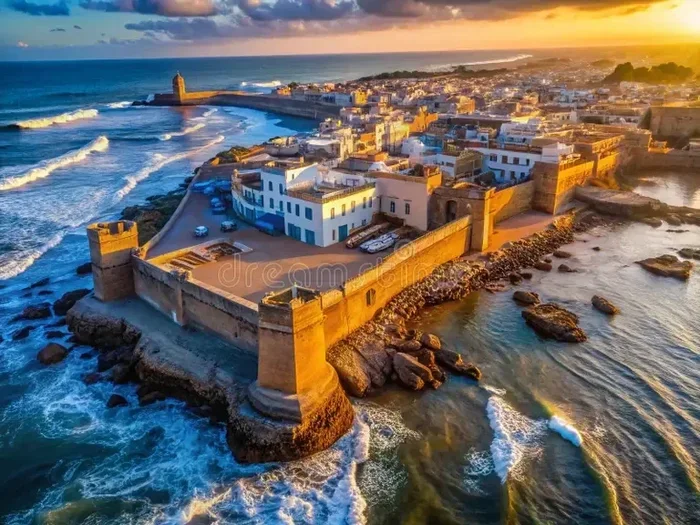
Featured image for Essaouira coastal medina sunset
Image source: thumbs.dreamstime.com
A Marrakech to Essaouira 7 day tour is the perfect way to experience Morocco’s contrasts—from the bustling souks of the Red City to the laid-back blue-and-white streets of Essaouira on the Atlantic coast. This week-long journey blends cultural immersion, scenic drives through argan forests, visits to UNESCO sites, and beach relaxation. Ideal for travelers who want depth, not just speed, this itinerary delivers an unforgettable taste of Morocco’s heart, coast, and traditions.
Picture this: You’re sipping fresh mint tea in a rooftop riad overlooking Marrakech’s glowing medina, and by the end of the week, you’re walking barefoot on a windswept Atlantic beach watching kitesurfers dance across the waves. That’s the magic of a Marrakech to Essaouira 7 day tour.
Morocco is a country of contrasts. The inland cities buzz with energy, spices, and centuries-old craftsmanship. But when you travel west toward the coast, everything softens. The air smells like salt. The pace slows. The sky opens up. This itinerary is designed to give you the best of both worlds—without the stress of planning every detail yourself.
Did you know that Essaouira’s medina has been a filming location for shows like Game of Thrones and movies like Gladiator? It’s also a UNESCO World Heritage Site since 2001. In other words, you’re not just visiting a beach town—you’re stepping into a living film set and a centuries-old trading hub. Let’s break down how to make the most of seven unforgettable days.
Key Takeaways
- 7 days is the sweet spot: Enough time to travel comfortably from Marrakech to Essaouira with meaningful stops, without feeling rushed.
- The route is diverse: Expect mountains, valleys, coastal cliffs, forests, and historic medinas—all in one trip.
- Essaouira is the star: This UNESCO-listed port city offers beaches, seafood, and a calmer pace than Marrakech.
- Best travel seasons: Spring (March–May) and autumn (September–November) offer the most pleasant weather for this itinerary.
- Transport matters: Private drivers offer flexibility, while guided tours add cultural context—choose based on your travel style.
- Budget is flexible: From $800 backpacker-style to $2,500+ luxury options, the route fits many budgets.
- Pack layers: Marrakech is warm, Essaouira can be breezy—the coast has a microclimate worth preparing for.
📑 Table of Contents
Who This Tour Is Perfect For (And Why It Works)
This kind of trip is perfect for travelers who want more than a quick weekend getaway. If you’re the type of person who hates rushing through a country, this itinerary was made for you. Seven days gives you breathing room to actually feel a place, not just photograph it.
Who Should Book This Tour?
- Couples and honeymooners looking for a romantic mix of culture and coast.
- Solo travelers who want safety, structure, and the chance to meet people along the way.
- Families with teens who need variety—history, beaches, and adventure.
- Slow travel lovers who prefer one immersive journey over multiple short trips.
- Photographers and creators chasing golden light, blue shutters, and dramatic coastlines.
Why 7 Days Works So Well
Think of it like baking bread. Two hours isn’t enough. Twenty-four hours is overkill. But seven days? That’s the perfect rise. You get to settle in, explore side streets, try new foods, and still have lazy mornings. The journey from Marrakech to Essaouira is about 175 kilometers (around 110 miles), but with detours, it feels like a full adventure.
What to Expect on a Marrakech to Essaouira 7 Day Tour
Expect a layered experience. You’ll see Morocco from three angles: the imperial city life, the rural Berber heartland, and the breezy Atlantic coast. Each day brings a new flavor, literally and figuratively.
Visual guide about Essaouira coastal medina sunset
Image source: thumbs.dreamstime.com
Typical Day-by-Day Rhythm
- Mornings: Calm. Breakfast on the terrace, planning the day.
- Midday: Active. Museums, markets, hikes, or driving through scenic landscapes.
- Afternoons: Rest or beach time, especially as you near Essaouira.
- Evenings: Food, music, and that famous Moroccan hospitality.
What Makes This Tour Unique
Unlike a beach-only holiday or a city-only escape, this route threads together geography and culture. You start in a city famous for its red sandstone walls and end in a town famous for whitewashed ramparts and seagull calls. The contrast is part of the charm. It’s like watching two seasons of the same beautiful show—different, but connected.
Where the Journey Takes You: Route Highlights
The route from Marrakech to Essaouira usually winds through the foothills of the High Atlas Mountains, often with optional stops in valleys and coastal towns. Here’s a closer look at the key places.
Stop 1: Marrakech (Days 1–3)
Start your trip in the Red City. Marrakech is a sensory feast—think donkey carts, rooftop calls to prayer, and the smell of sizzling tagines drifting from hidden courtyards.
Must-see highlights:
- Jemaa el-Fnaa: The famous main square that transforms from market by day to live performance stage by night.
- Bahia Palace: A 19th-century masterpiece of Moroccan architecture.
- Majorelle Garden: A cobalt-blue oasis once owned by Yves Saint Laurent.
- The Souks: A maze of alleys selling everything from lanterns to leather slippers.
Did You Know? Marrakech’s medina is home to over 40,000 artisans. That’s roughly the population of a small city, all crafting inside ancient walls.
Stop 2: Optional Atlas Mountain Detour (Day 4)
Many 7-day tours include a day trip into the Atlas Mountains or the Ourika Valley. This is a great way to break up the drive and see Morocco’s rural side.
You’ll find Berber villages clinging to hillsides, waterfalls tucked into green valleys, and panoramic views that make your jaw drop. It’s like driving into a postcard—but the people you meet along the way are the real highlight. Tea with a local family in a mud-brick home is a memory you’ll carry forever.
Stop 3: The Argan Forest Region (Day 5)
As you travel west toward Essaouira, you’ll pass through the only place in the world where argan trees grow naturally. This UNESCO-listed biosphere reserve covers over 2.5 million acres.
Stop at a women’s argan cooperative. These cooperatives are run entirely by local women who hand-crack argan nuts and press them into oil. It’s one of the most labor-intensive oils in the world, and the cooperatives empower rural communities economically. You’ll learn how to tell cosmetic-grade argan oil apart from culinary-grade—a tip worth remembering.
Stop 4: Essaouira (Days 6–7)
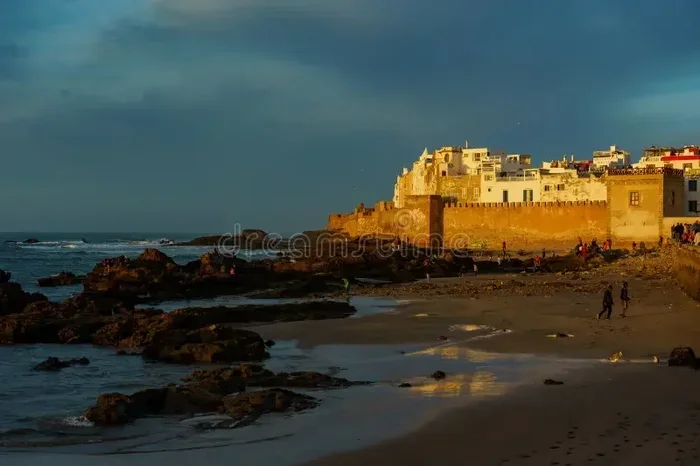
Finally, you arrive at Essaouira. This port city has been welcoming travelers for centuries—Phoenicians, Romans, Portuguese, and now you. The Portuguese left behind the iconic Skala de la Ville ramparts, and Essaouira’s blue-and-white medina feels like a painting come to life.
Top things to do:
- Walk the ramparts at sunset.
- Eat fresh grilled fish at the port—pick your fish, pay by weight, eat with bread.
- Try surfing or windsurfing—Essaouira is one of the world’s top wind sports destinations.
- Shop for hand-carved wooden boxes, thuya wood crafts, and silver jewelry.
Did You Know? Essaouira has consistent winds year-round, which is why it’s called the “Windy City of Africa.” The reliable trade winds have powered ships and mills here for centuries.
When to Go: Best Seasons and Timing Tips
Morocco’s climate varies wildly by region. Marrakech can hit 40°C (104°F) in summer, while Essaouira stays cool thanks to ocean breezes. Choosing the right season makes a big difference.
Best Months to Travel
- March–May: Wildflowers bloom in the Atlas Mountains, and temperatures are warm but not scorching. Essaouira averages 20–25°C (68–77°F).
- September–November: Post-summer, the coast is still warm enough for swimming, and crowds thin out.
- December–February: Cooler and quieter, with some rain. Great for budget travelers, but pack warm layers for evenings.
What to Avoid
July and August can be brutal in Marrakech—over 40°C in the shade. If you must travel then, plan indoor activities (museums, hammams) during midday and save outdoor exploring for early mornings and evenings. Essaouira, however, remains pleasant in summer thanks to the wind.
How to Plan Your Tour: Transport, Stays, and Budget
The logistics of a 7-day tour are simpler than you think, especially when you break them into three buckets.
Transport Options
- Private driver-guide: The most popular choice. Costs around $80–120 per day, but covers fuel, driver, and local expertise. Great for flexibility.
- Small group tours: Budget-friendly, usually $600–900 for the week, with 8–15 travelers. Less flexible but social.
- Self-drive: Possible but tricky. Moroccan traffic is intense, and parking in medinas is limited. Not recommended for first-timers.
- Public transport: Buses and trains connect Marrakech to Essaouira, but you’ll miss scenic detours. Best for ultra-budget travelers with extra time.
Where to Stay
- Marrakech: Stay in a riad inside the medina for the full experience. Budget riads start at $40/night, luxury riads from $200+.
- Essaouira: Choose between medina charm (riads near the port) or beachfront calm (hotels with ocean views). Expect $50–$150/night for mid-range options.
- Along the route: A night in the Atlas Mountains or Ourika Valley adds a magical touch. Berber guesthouses cost $30–$80/night.
Budget Breakdown
- Backpacker style: $800–$1,200 total (hostels, public transit, street food).
- Mid-range comfort: $1,500–$2,200 total (3–4 star riads, private transfers, guided tours).
- Luxury escape: $2,500–$4,500+ total (5-star riads, private driver, hammam experiences, fine dining).
Sample Daily Schedule
Here’s how a typical 7-day itinerary might look:
- Day 1: Arrive in Marrakech, check into riad, explore Jemaa el-Fnaa at night.
- Day 2: Guided medina tour, Bahia Palace, souks, rooftop dinner.
- Day 3: Majorelle Garden, YSL Museum, cooking class in the afternoon.
- Day 4: Day trip to Ourika Valley or Atlas Mountains.
- Day 5: Drive toward Essaouira, stop at argan cooperative, arrive by evening.
- Day 6: Explore Essaouira medina, ramparts, port lunch, beach time.
- Day 7: Optional surf lesson or hammam, then return to Marrakech or fly out from Essaouira’s small airport.
Why This Tour Is Worth the Investment
Travel is about stories, and a Marrakech to Essaouira journey gives you dozens. The kind of stories you tell at dinner parties years later. Like the time you tried camel milk for the first time. Or when a shopkeeper in Essaouira taught you how to say “thank you” in Arabic—shukran—and you used it wrong all day. Or when you watched the sunset paint the Atlantic in shades of orange and felt, just for a moment, completely at home.
This isn’t just a tour. It’s a chance to slow down in a world that keeps speeding up. It’s a chance to taste, touch, hear, and breathe Morocco in all its variety—from the desert heart of the south to the salt-kissed shores of the west.
And the best part? You don’t need to be a seasoned traveler to enjoy it. Morocco is friendly, safe, and well-set-up for visitors. The infrastructure is solid, the food is unforgettable, and the people are incredibly welcoming. You just need to show up—and let the journey do the rest.
So go ahead. Book that Marrakech to Essaouira 7 day tour. Pack your layers, charge your camera, and get ready for one of the most balanced, beautiful, and bucket-list-worthy trips you can take in Morocco.
Frequently Asked Questions
How long does it take to drive from Marrakech to Essaouira?
The direct drive from Marrakech to Essaouira takes about 2.5 to 3 hours (around 175 km). Most 7-day tours add scenic detours through the Atlas Mountains or argan forests, which can extend the travel time to 5–6 hours on transfer day.
Is Essaouira worth a 7-day trip from Marrakech?
Absolutely. Essaouira offers a completely different vibe from Marrakech—calmer, cooler, and coastal. The medina is a UNESCO site, the seafood is fresh, and the beaches are excellent for surfing and relaxing. Spreading the journey over 7 days lets you enjoy both cities deeply.
What’s the best time of year for a Marrakech to Essaouira tour?
Spring (March–May) and autumn (September–November) are ideal. Temperatures are pleasant in both cities, the landscapes are green or golden, and crowds are manageable. Summer is hot in Marrakech but breezy in Essaouira, while winter is cooler and quieter.
Do I need a guide for a 7-day Marrakech to Essaouira tour?
A guide is highly recommended, especially for first-time visitors to Morocco. Local guides provide cultural context, navigate language barriers, handle logistics, and unlock hidden spots you wouldn’t find alone. Many tours include licensed guides for medina visits.
How much does a 7-day Marrakech to Essaouira tour cost?
Prices vary widely. Budget travelers can manage for around $800–$1,200, mid-range tours cost $1,500–$2,200, and luxury experiences range from $2,500 up to $4,500 or more. The price typically includes accommodation, transfers, some meals, and guided activities.
Is Essaouira safe for tourists?
Yes, Essaouira is considered one of the safest cities in Morocco for tourists. It has a relaxed atmosphere, friendly locals, and a strong tourist infrastructure. Standard travel precautions apply, but most visitors—solo, couples, and families—report feeling very comfortable there.