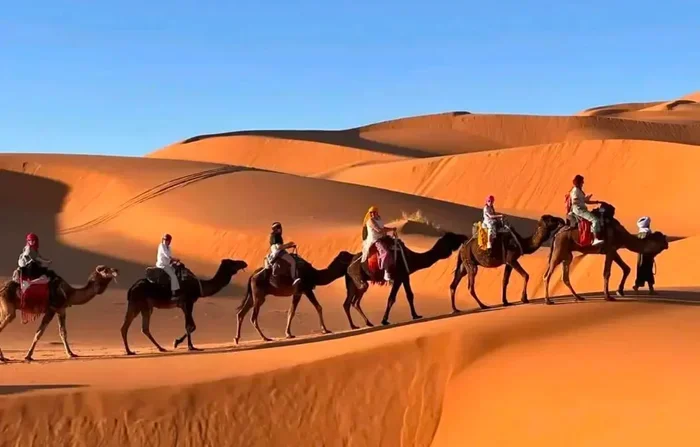
Featured image for Marrakech to Fes desert tour
Image source: excursionmoroccotours.com
An 8 days tour from Marrakech to Fes is the perfect way to experience Morocco’s most iconic landscapes and cultural treasures in one incredible journey. This carefully crafted itinerary takes you through the Atlas Mountains, Sahara Desert, ancient kasbahs, and vibrant imperial cities. Travelers will discover a perfect blend of adventure, history, and authentic Moroccan hospitality that makes this route Morocco’s most popular multi-day adventure.
Imagine waking up in a bustling medina, spending your afternoon walking through ancient kasbahs, and ending your day watching the sun set over golden Sahara dunes. This is exactly what awaits you on an 8 days tour from Marrakech to Fes, Morocco’s most celebrated travel route.
Morocco welcomed over 14.5 million tourists in 2023, according to the Moroccan Ministry of Tourism, and the Marrakech to Fes journey remains one of the top experiences on every traveler’s bucket list. Think of it like reading a great novel, where each chapter reveals something new and exciting. This tour is exactly that, eight chapters of discovery across one of North Africa’s most captivating countries.
Whether you’re a solo adventurer, a couple seeking romance, or a family wanting cultural enrichment, this guide will walk you through everything you need to know. From what to pack to where you’ll sleep, from camel trekking tips to the best photo spots, we’ve got you covered. Let’s dive into the journey of a lifetime.
Key Takeaways
- Perfect Duration: 8 days allows enough time to explore major highlights without feeling rushed, covering roughly 1,200 kilometers of Morocco’s diverse landscapes.
- Must-Visit Stops: The route includes Ait Benhaddou, Todra Gorge, Merzouga Sahara, Ifrane, and the imperial city of Fes.
- Camel Trekking Included: Most tours feature a magical camel ride into the Erg Chebbi dunes for an unforgettable desert experience.
- Best Travel Seasons: Spring (March-May) and autumn (September-November) offer the most comfortable temperatures for this journey.
- Cultural Immersion: You’ll experience Berber villages, traditional riads, authentic Moroccan cuisine, and ancient medinas dating back centuries.
- Budget Range: Tours typically cost between €600-€1,200 per person depending on accommodation standards and inclusions.
- Physical Requirements: Moderate fitness is needed for some walking in medinas and optional desert activities, but no extreme hiking required.
📑 Table of Contents
Why Choose an 8-Day Marrakech to Fes Tour?
An 8 days tour from Marrakech to Fes strikes the perfect balance between exploration and relaxation. Shorter tours often feel rushed, while longer ones can become exhausting. Eight days gives you enough time to truly soak up each destination without feeling like you’re constantly packing and unpacking.
The Magic of Morocco’s Geographic Diversity
Morocco is like three countries in one. You’ve got the snow-capped Atlas Mountains, the endless Sahara Desert, and the lush Middle Atlas forests, all within a single day’s drive. On this tour, you’ll experience all three ecosystems, which is something you simply cannot do in a shorter timeframe.
Did you know that Morocco has 10 UNESCO World Heritage Sites? Along this route, you’ll encounter at least three of them, including the famous Ait Benhaddou and the medina of Fes. That’s like visiting three different worlds in one trip.
Value for Money and Convenience
Planning a Morocco trip independently can be overwhelming. Roads are winding, distances are deceiving, and language barriers can frustrate even seasoned travelers. A guided 8-day tour handles all logistics, including accommodation, meals, and transportation, letting you focus purely on enjoyment.
Think of it as having a personal concierge who knows all the best spots, speaks multiple languages, and ensures you never miss a hidden gem. Most tours include airport transfers, which is a huge bonus after a long international flight.
The Complete 8-Day Itinerary Breakdown
Let’s walk through each day of this incredible journey. I’ll explain what you’ll see, where you’ll stay, and what makes each stop special. Think of this as your daily roadmap to adventure.
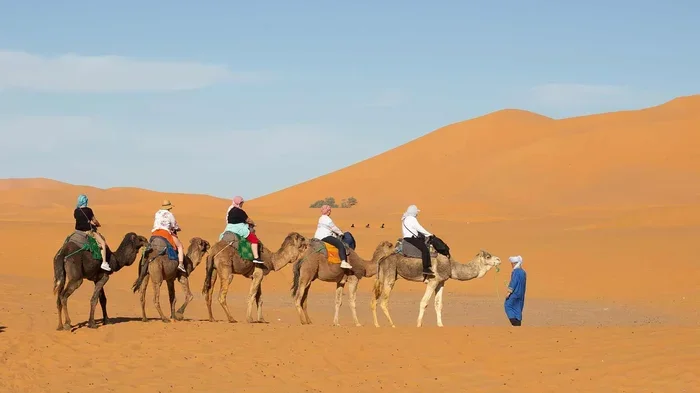
Visual guide about Marrakech to Fes desert tour
Image source: imliltrek.com
Day 1: Marrakech to Ait Benhaddou via the Atlas Mountains
Your adventure begins bright and early in Marrakech. After meeting your guide and fellow travelers, you’ll head southwest through the stunning High Atlas Mountains. The Tizi n’Tichka pass sits at 2,260 meters above sea level, offering breathtaking panoramic views that will make your camera work overtime.
By afternoon, you’ll arrive at Ait Benhaddou, a fortified village that’s been featured in Hollywood blockbusters like Gladiator, Lawrence of Arabia, and Game of Thrones. Walking through this ancient ksar feels like stepping onto a movie set, because it literally has been one for decades.
- Distance: Approximately 180 kilometers
- Highlights: Tizi n’Tichka pass, Berber villages, Ait Benhaddou kasbah
- Overnight: Traditional riad or hotel near Ouarzazate
Day 2: Ouarzazate to Todra Gorge via the Valley of Roses
Day two takes you through Morocco’s “Hollywood,” Ouarzazate, home to one of the world’s largest film studios. Then it’s on to the Valley of Roses, where locals harvest Damascus roses for the country’s famous rose water products.
The journey culminates at Todra Gorge, a massive canyon with walls reaching 400 meters high. Rock climbers from around the world come here to challenge themselves on the limestone cliffs. Even if you’re not a climber, the walking paths along the river offer stunning views.
Day 3: Todra Gorge to Merzouga and the Sahara Desert
This is the day most travelers anticipate: your Sahara Desert arrival. The drive takes you through changing landscapes, from dramatic gorges to flat desert plains. By late afternoon, you’ll reach Merzouga, gateway to the Erg Chebbi dunes.
Here’s where the magic happens. You’ll swap your vehicle for a camel and trek into the desert as the sun begins its descent. The rhythmic sway of the camel, the silence of the dunes, and the spectacular sunset create memories that last forever. Your overnight camp awaits, complete with traditional Berber music around a campfire under a blanket of stars.
Pro tip: The Sahara has some of the darkest skies in the world. If you’re into photography, bring a tripod for incredible night sky shots.
Day 4: Sahara Desert Exploration and Camel Trek
Wake up early to catch the sunrise over the dunes, it’s worth the 5 AM wake-up call, trust me. After breakfast at camp, you’ll return to Merzouga village and have the day to explore.
Many tours offer optional activities like visiting nomadic families, exploring the seasonal lake of Merzouga, or experiencing traditional Gnawa music performances. The village itself sits at the edge of Algeria, and the cultural influences here are fascinating.
Day 5: Merzouga to Midelt via Erfoud and Ziz Valley
Saying goodbye to the Sahara is never easy, but Day 5 offers new wonders. You’ll pass through Erfoud, famous for its fossil workshops where artisans transform ancient sea creatures into beautiful decorative pieces.
The Ziz Valley, with its thousands of palm trees and dramatic gorges, provides a lush contrast to yesterday’s desert scenes. By evening, you’ll reach Midelt, a small mountain town known for its apple orchards and mineral mining.
Day 6: Midelt to Fes via Ifrane and the Middle Atlas
Day six delivers one of the journey’s most surprising experiences: Ifrane, often called “the Switzerland of Morocco.” With its clean streets, red-roofed houses, and alpine-style architecture, it feels completely different from anywhere else in Morocco.
The Middle Atlas region features the famous Barbary macaques at Azrou. These friendly monkeys live in the cedar forests and are one of North Africa’s only primate species. Stopping to observe them in their natural habitat is a highlight for many travelers.
Day 7: Exploring the Imperial City of Fes
After six days of travel, Day 7 is dedicated to exploring Fes, Morocco’s spiritual and intellectual capital. Founded in 789 AD, the medina of Fes is the world’s largest car-free urban zone, with over 9,000 narrow alleys winding through ancient streets.
A local guide is essential here. Without one, you’d likely get lost within minutes. Highlights include:
- Al-Qarawiyyin University: Founded in 859 AD, it’s considered the world’s oldest continuously operating university.
- Chouara Tanneries: These famous leather tanneries have operated the same way for nearly a thousand years.
- Bou Inania Medersa: A stunning 14th-century theological college with intricate tilework.
- Nejjarine Museum: Housed in a beautifully restored 18th-century funduq.
Day 8: Fes to Your Final Destination
Your final day includes breakfast at your riad and transfer to either Fes airport or your onward accommodation. Some travelers choose to extend their stay in Fes, while others continue to Chefchaouen or Casablanca.
What to Pack for Your Marrakech to Fes Adventure
Packing smart can make or break your trip. Morocco’s climate varies dramatically, from freezing mountain mornings to scorching desert afternoons. Layering is the secret weapon of experienced Morocco travelers.
Essential Clothing Items
- Lightweight, long-sleeved shirts for sun protection
- A warm jacket for desert nights (temperatures drop significantly after sunset)
- Comfortable walking shoes with good grip
- Modest clothing for visiting religious sites
- A scarf or shemagh (useful for sand and sun)
Must-Have Accessories
- Sunscreen with high SPF
- Sunglasses and a wide-brimmed hat
- Reusable water bottle
- Power adapter (Morocco uses Type C and E plugs)
- Basic first-aid kit
- Headlamp for the desert camp
Did You Know? The temperature difference between day and night in the Sahara can exceed 30 degrees Celsius. That hot afternoon becomes a surprisingly chilly evening, so preparation is key.
Best Time to Book Your Tour
Timing your trip right can dramatically affect your experience. Morocco’s tourism data shows that March, April, October, and November are the peak months for desert tours, and for good reason.
Seasonal Breakdown
Spring (March-May): Wildflowers bloom across the Atlas Mountains, temperatures are mild, and the desert is comfortable for camel trekking. This is arguably the best season overall.
Summer (June-August): Desert temperatures can exceed 45°C (113°F), making travel uncomfortable. Mountain regions remain pleasant, but this isn’t ideal for the full Marrakech to Fes route.
Autumn (September-November): Similar to spring, with the added bonus of harvest season. The Valley of Roses is particularly beautiful in autumn.
Winter (December-February): Snow sometimes blocks mountain passes, though the desert remains accessible. This is low season, meaning fewer crowds and lower prices.
Booking Tips and Tricks
Book at least 2-3 months in advance for peak season travel. Many reputable tour operators offer early-bird discounts of 10-15%. Reading recent reviews on platforms like TripAdvisor and Viator helps identify the best companies.
Choosing the Right Tour Operator
Not all tour companies are created equal. The quality of your guide, the comfort of your vehicle, and the standard of your accommodation can vary enormously between operators.
What to Look for in a Tour Company
- Licensed and insured: Ensure the company is officially registered with Morocco’s tourism authorities.
- Small group sizes: Look for tours limited to 12-15 people maximum for a more personalized experience.
- English-speaking guides: Confirm your guide’s language abilities before booking.
- Transparent pricing: Understand exactly what’s included (meals, entrance fees, tips).
- Recent reviews: Check multiple review platforms for consistent feedback.
Red Flags to Avoid
Be cautious of operators offering prices significantly lower than average. The saying “you get what you pay for” applies strongly here. Extremely cheap tours often mean cramped transportation, budget hotels far from city centers, and rushed itineraries.
Tour Styles to Consider
Different travelers have different preferences. Luxury tours feature 5-star riads and private guides, while budget tours use simpler accommodations in shared groups. Most operators offer multiple tiers, typically:
- Standard: 3-4 star hotels, group size 12-15
- Comfort: 4-star riads, group size 8-12
- Luxury: 5-star properties, small groups or private tours
Budgeting and Money Matters
Understanding costs upfront helps you plan properly. Morocco uses the Moroccan Dirham (MAD), and roughly 1 Euro equals about 11 MAD, though rates fluctuate.
What’s Typically Included
Most 8-day tours include accommodation, breakfast, dinner, transportation, an English-speaking guide, and camel trekking. Lunch, drinks, entrance fees, and personal expenses are usually extra.
Additional Costs to Expect
- Monument entrance fees: Budget around €30-50 total
- Lunches: €8-15 per day
- Drinks and snacks: €10-20 per day
- Tipping: €3-5 per day for guides and drivers
- Souvenirs: Highly variable based on your shopping habits
Money-Saving Strategies
Traveling in shoulder seasons (February or November) can save 20-30% on tour prices. Booking directly with Moroccan operators instead of international companies also typically costs less. Eating lunch at local spots away from tourist areas keeps food costs down while giving you more authentic experiences.
Health, Safety, and Cultural Etiquette
Morocco is generally very safe for tourists. The country consistently ranks as one of Africa’s most stable nations, with low crime rates in tourist areas. However, understanding local customs ensures respectful interactions.
Health Considerations
No special vaccinations are required for Morocco beyond standard travel immunizations. Tap water is not recommended for drinking, but bottled water is widely available. Some travelers experience mild stomach issues as they adjust to local cuisine, so bringing digestive aids is wise.
Cultural Etiquette Essentials
- Always ask permission before photographing people
- Dress modestly, especially when visiting religious sites
- Remove shoes when entering mosques or someone’s home
- Use your right hand for greetings and eating
- Respect prayer times, especially on Fridays
Safety Tips for Travelers
Keep valuables secure in crowded medinas, as you would in any major tourist destination. Avoid walking alone in unfamiliar areas at night. Trust your guide’s advice about local conditions, as they understand regional nuances better than any guidebook.
Did You Know? Morocco has been named one of the world’s safest countries for tourists multiple times by the World Economic Forum’s Travel and Tourism Competitiveness Report.
Making the Most of Your Journey
Beyond the standard itinerary, small choices can transform a good trip into an extraordinary one. The best travelers approach Morocco with curiosity and flexibility.
Connect with Locals
Learning a few Arabic or Berber phrases opens doors. Simple greetings like “Salaam Alaikum” (peace be upon you) and “Shukran” (thank you) go a long way. Moroccans are known for their hospitality, and genuine effort to speak their language is always appreciated.
Try Everything (Almost)
Moroccan cuisine is a highlight in itself. Don’t miss tagine (slow-cooked stew), couscous (especially on Fridays), pastilla (sweet and savory pie), and fresh mint tea. Street food in the medinas offers some of the most authentic and affordable meals.
Embrace Slow Moments
The desert sunset isn’t a photo opportunity to rush through. Sip your mint tea slowly. Watch the changing colors. Talk with your fellow travelers. These quiet moments often become the memories you treasure most.
In conclusion, an 8 days tour from Marrakech to Fes represents the perfect introduction to Morocco’s incredible diversity. From the vibrant chaos of Marrakech’s medina to the serene silence of the Sahara, from the dramatic gorges of Todra to the ancient wisdom of Fes, this journey delivers experiences that transform how you see the world.
Whether you’re seeking adventure, cultural immersion, or simply a break from ordinary life, this route delivers on all fronts. The combination of stunning landscapes, rich history, warm hospitality, and accessible adventure makes it a journey worth taking, and worth remembering forever.
Start planning your 8-day adventure today. Morocco is waiting to share its magic with you.
Frequently Asked Questions
How much does an 8 days tour from Marrakech to Fes typically cost?
An 8 days tour from Marrakech to Fes typically costs between €600-€1,200 per person, depending on accommodation standards and group size. Budget tours start around €600, while luxury experiences with 5-star riads and private guides can exceed €1,200. This usually includes accommodation, breakfast, dinner, transportation, and guide services.
Is 8 days enough time for the Marrakech to Fes route?
Yes, 8 days is the ideal duration for this journey. It allows enough time to enjoy major highlights without rushing, while keeping daily driving distances reasonable (usually 3-5 hours). You can explore the Atlas Mountains, Sahara Desert, and multiple cultural sites comfortably. Shorter tours feel rushed, while longer ones risk fatigue.
What is the best season for an 8-day Marrakech to Fes tour?
Spring (March-May) and autumn (September-November) are the best seasons for this tour. Temperatures are mild, ranging from 15-28°C, making both mountain crossings and desert adventures comfortable. These periods also offer beautiful scenery, with wildflowers in spring and pleasant weather throughout autumn.
Do I need travel insurance for this tour?
Yes, travel insurance is highly recommended for any Morocco trip. While Morocco is generally safe, insurance covers unexpected situations like medical emergencies, trip cancellations, or lost luggage. Ensure your policy covers adventure activities like camel trekking if these are included in your itinerary.
Can children join the Marrakech to Fes tour?
Most tour operators welcome kids aged 5 and above, though camel trekking and long drives may be challenging for very young children. Family-friendly tours are widely available with adjusted pacing. Children typically love the desert experience, camel rides, and the cultural novelty of the medinas.
What should I wear during the tour?
Pack lightweight, breathable clothing for daytime and warmer layers for desert nights. Long sleeves and pants protect against sun and respect local customs, especially at religious sites. Comfortable walking shoes are essential for cobblestone medinas. A light jacket or sweater is necessary even in summer, as mountain and desert evenings can be surprisingly cool.