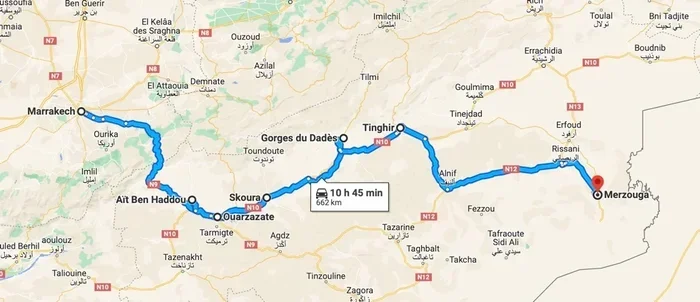
Featured image for Marrakech to Merzouga desert
Image source: charlenescape.com
A private 5 day tour from Marrakech to Merzouga offers the ultimate Moroccan desert experience, combining cultural immersion, breathtaking landscapes, and authentic Berber hospitality. This carefully crafted journey takes you through the Atlas Mountains, ancient kasbahs, and golden Sahara dunes. With a private driver-guide, flexible itinerary, and comfortable accommodations, you’ll discover Morocco’s most spectacular scenery at your own pace.
Picture this: you’re sitting atop a gentle camel, the ancient rhythm of its footsteps matching your heartbeat, as the sun paints the Sahara in shades of gold and crimson. Behind you lies the bustling medina of Marrakech. Ahead, an endless sea of dunes stretches toward the horizon. This isn’t a dream. This is what awaits you on a private 5 day tour from Marrakech to Merzouga.
Morocco’s desert routes have captivated travelers for centuries, from Berber traders crossing the dunes to modern adventurers seeking authentic experiences. Today, this journey remains one of North Africa’s most spectacular road trips, offering a perfect blend of mountain passes, fortified cities, and the timeless beauty of the Sahara. Think of it as a five-act play, where each day reveals a new landscape, a new culture, and a new story.
What makes a private tour special? Imagine having a knowledgeable friend who drives you through winding mountain roads, stops whenever something catches your eye, shares stories about each location, and adjusts the plan based on your interests. That’s the magic of going private. No rigid schedules, no crowded buses, no compromises. Just you, your travel companions, and Morocco unfolding at your own pace.
Key Takeaways
- Duration and Route: A 5-day private tour covers approximately 1,000 kilometers, looping through Marrakech, the Atlas Mountains, Dades Valley, Merzouga Sahara, and back.
- Desert Experience: Camel trekking at sunset and overnight stays in luxury desert camps are the tour’s signature highlights.
- Best Travel Season: October through April offers the most comfortable weather for desert exploration, with mild days and cool nights.
- Cultural Highlights: Visits to Ait Benhaddou, Ouarzazate, Todra Gorge, and traditional Berber villages enrich the journey.
- Private vs. Group Tours: Private tours provide flexibility, personalized attention, and the ability to stop at hidden gems along the route.
- Budget Considerations: Prices typically range from $800-$1,500 per person, including transport, accommodation, and most meals.
- Packing Essentials: Layered clothing, sun protection, and modest attire for village visits are essential for comfort and cultural respect.
📑 Table of Contents
- What Is a Private 5 Day Tour from Marrakech to Merzouga?
- Who Should Take This Tour?
- Where Does the Tour Go? Key Destinations Explained
- When Is the Best Time to Travel?
- Why Choose a Private Tour Over Group Options?
- How Much Does a Private 5 Day Tour Cost?
- What to Pack and Practical Tips
- Frequently Asked Questions About Private 5 Day Tours from Marrakech to Merzouga
- Final Thoughts on Your Marrakech to Merzouga Adventure
What Is a Private 5 Day Tour from Marrakech to Merzouga?
A private 5 day tour from Marrakech to Merzouga is a guided journey through southern Morocco, culminating in the famous Erg Chebbi dunes near the village of Merzouga. The tour typically follows a loop route, starting and ending in Marrakech while covering the country’s most iconic landscapes.
The Classic Itinerary Breakdown
Think of this tour as a five-layer cake, with each day adding a distinct flavor:
- Day 1: Marrakech to Ait Benhaddou via the High Atlas Mountains and Tizi n’Tichka pass
- Day 2: Ouarzazate to Dades Valley, with stops at the “Valley of Roses” and Todra Gorge nearby
- Day 3: Dades Valley to Merzouga, ending with a camel trek into the Erg Chebbi dunes
- Day 4: Desert exploration day, with visits to nomadic families, Khamlia village, and seasonal lakes
- Day 5: Return to Marrakech through the Draa Valley and Anti-Atlas Mountains
What Makes It “Private”?
A private tour means you have exclusive use of a vehicle and driver-guide for your party only. It’s like having a personal chauffeur who doubles as a local expert. You set the departure times, choose where to stop, and decide how long to linger at each location. This flexibility transforms a standard tour into a personalized adventure.
Did You Know? The drive from Marrakech to Merzouga covers approximately 560 kilometers one way, crossing three distinct mountain ranges: the High Atlas, the Anti-Atlas, and the Saharan foothills. Each range has its own character, from snow-capped peaks to barren red rock formations.
Who Should Take This Tour?
The beauty of a private 5 day Marrakech to Merzouga tour is its universal appeal. But certain travelers find it especially rewarding.
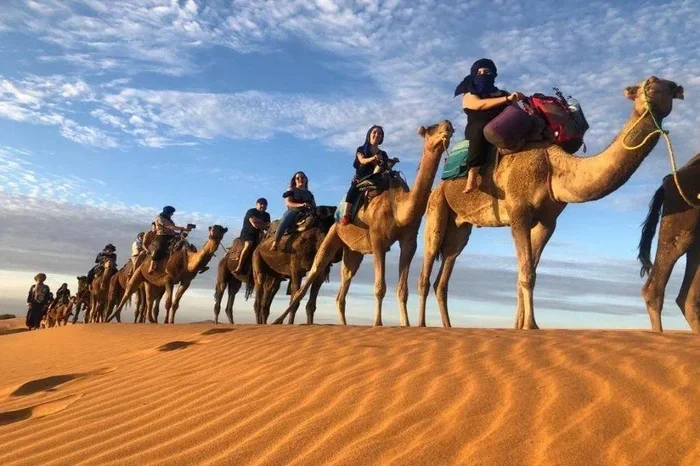
Visual guide about Marrakech to Merzouga desert
Image source: cdn.tripspoint.com
Perfect for Adventure Seekers
If you love the idea of sleeping under stars, riding camels across dunes, and exploring places that feel untouched by time, this tour is your match made in heaven. The Sahara delivers adventures you simply can’t find in typical vacations.
Ideal for Cultural Enthusiasts
Morocco’s southern route passes through regions where Berber culture remains strong. You’ll visit villages where people still speak Tamazight as their first language, share mint tea with nomadic families, and witness craftsmanship traditions passed down through generations.
Great for Photographers
From the blue-painted streets of Chefchaouen to the golden dunes of Erg Chebbi, every turn offers a postcard moment. Private tours allow photographers to stop wherever the light is perfect, capture sunrise from a dune peak, or wait patiently for that perfect shot.
Suited for Couples and Honeymooners
Many couples choose this tour for romantic experiences. Imagine a private desert dinner under the stars, a luxury tent with proper beds and en-suite bathrooms, and sunset views that silence every conversation. It’s no wonder desert tours rank among Morocco’s top honeymoon experiences.
Family-Friendly Options
Families with children aged 5 and above typically enjoy this tour. The camel ride is usually a highlight for kids, and the gradual pace keeps younger travelers engaged. Private tours let families customize stops for bathroom breaks, snacks, and shorter walking distances when needed.
Where Does the Tour Go? Key Destinations Explained
The Marrakech to Merzouga route passes through some of Morocco’s most spectacular locations. Understanding these stops helps you appreciate the journey’s richness.
The High Atlas Mountains
The journey begins with a dramatic climb over the Tizi n’Tichka pass, standing at 2,260 meters above sea level. Did You Know? “Tizi” means “pass” in the Berber language, and this particular pass has been a trade route for over 1,000 years. The road winds through Berber villages where farmers still terrace their fields just as their ancestors did centuries ago.
Think of the Atlas Mountains as Morocco’s spine, running from the Atlantic coast through Marrakech and into Algeria. Crossing them is like traveling between worlds: from the modern chaos of Marrakech to the timeless tranquility of mountain villages.
Ait Benhaddou
This UNESCO World Heritage Site is a fortified village (ksar) that has served as a backdrop for Hollywood films like “Gladiator” and “Lawrence of Arabia.” Walking through Ait Benhaddou feels like stepping onto a movie set because, quite literally, it often is one. The earthen clay architecture has been remarkably preserved, and climbing to the top rewards you with sweeping views of the surrounding valley.
Ouarzazate
Known as the “Gateway to the Sahara,” Ouarzazate is home to the impressive Taourirt Kasbah and the Atlas Film Studios. The town sits at the meeting point of three valleys, making it a natural crossroads for desert travelers.
Dades Valley
Sometimes called the “Valley of a Thousand Kasbahs,” Dades features dramatic rock formations known as “Monkey Fingers” and traditional Berber villages built into the cliffs. The valley’s fertile fields contrast sharply with the surrounding desert, creating a landscape that feels almost otherworldly.
Todra Gorge
Near Dades Valley, Todra Gorge is a canyon with walls reaching 400 meters high. It’s a favorite spot for rock climbers, but even non-climbers find the narrow passageways and towering cliffs awe-inspiring. The sound of water echoing through the canyon adds a peaceful soundtrack to your visit.
Merzouga and Erg Chebbi
The crown jewel of the tour. Erg Chebbi features dunes reaching up to 150 meters high, some of the largest in Morocco. Merzouga itself is a small desert village that serves as the launching point for camel treks into the dunes.
Did You Know? The color of Erg Chebbi’s sand actually changes throughout the day. At sunrise, the dunes appear pink and gold. By midday, they’re nearly white under the intense sun. At sunset, they turn deep orange and red. Photographers plan their shoots around these magical transformations.
When Is the Best Time to Travel?
Timing matters tremendously for a desert tour. Morocco’s climate varies dramatically by season, and choosing the right time can make or break your experience.
The Sweet Spot: October to April
This period offers the most comfortable weather for desert exploration. Daytime temperatures in the Sahara range from 20°C to 28°C, perfect for camel rides and outdoor activities. Nights can be chilly, dropping to 5°C or below in winter months, but this actually makes sleeping under blankets in a desert camp a cozy delight rather than an uncomfortable ordeal.
Summer Considerations (May to September)
Summer temperatures in Merzouga regularly exceed 40°C during the day. While some travelers don’t mind the heat, it can make camel rides and outdoor exploration exhausting. Most tour operators either avoid summer departures or adjust itineraries to minimize midday sun exposure.
Seasonal Highlights
Each season offers unique advantages:
- Spring (March-May): Wildflowers bloom in the Atlas Mountains and valleys. The Valley of Roses near Dades is especially stunning in April.
- Autumn (September-November): Comfortable temperatures return, and the light is perfect for photography.
- Winter (December-February): Snow often caps the Atlas Mountains while the Sahara remains mild, creating dramatic landscape contrasts.
Avoiding Ramadan
During the Islamic holy month of Ramadan, some restaurants and shops have limited hours. While you can still enjoy your tour, cultural sensitivity requires avoiding eating or drinking in public during daylight hours. Many travelers find Ramadan tours offer unique cultural insights but require some schedule adjustments.
Why Choose a Private Tour Over Group Options?
The difference between private and group tours is like the difference between a tailored suit and one off the rack. Both serve their purpose, but the fit is worlds apart.
Flexibility and Pacing
Group tours follow fixed schedules: everyone boards the bus at 8 AM sharp, visits the kasbah for exactly 45 minutes, and moves on whether you’ve finished taking photos or not. Private tours flip this dynamic. Want to spend an extra hour photographing Ait Benhaddou? Done. Prefer to skip a particular stop? No problem. Feel like stopping for fresh orange juice at a roadside stand? Your driver will happily pull over.
Personalized Attention
Your driver-guide focuses entirely on your party, sharing stories tailored to your interests. History buffs hear detailed accounts of Berber dynasties. Food lovers get recommendations for authentic local restaurants. Adventure seekers learn about hiking trails and off-the-beaten-path oases.
Comfort and Space
Private vehicles are often more comfortable than tour buses. You have room to spread out, store your camera gear, and adjust the air conditioning to your liking. Some operators offer 4×4 vehicles that can access locations larger buses cannot reach.
Better Accommodation Choices
Group tours often book mid-range hotels in bulk. Private tours can select accommodations matching your preferences and budget, from charming riads to luxury desert camps with private bathrooms and hot showers.
Cultural Immersion
Private tours can include experiences that group tours typically skip: home-cooked meals with Berber families, visits to artisans in their workshops, or evening tea with nomadic communities. These authentic encounters often become the most memorable parts of the journey.
Did You Know? According to Morocco’s Ministry of Tourism, private customized tours account for approximately 30% of all desert circuit bookings, with satisfaction ratings consistently higher than group alternatives.
How Much Does a Private 5 Day Tour Cost?
Understanding pricing helps you budget appropriately and identify what’s included versus what’s extra.
Typical Price Ranges
Private 5 day tours from Marrakech to Merzouga generally fall within these ranges:
- Budget: $800-$1,000 per person (based on 2 travelers sharing)
- Mid-Range: $1,000-$1,500 per person
- Luxury: $1,500-$2,500+ per person
Solo travelers should expect to pay a single supplement, typically adding 50-80% to the base price since vehicle and guide costs don’t decrease with party size.
What’s Typically Included
Most reputable tour packages cover:
- Private air-conditioned vehicle with driver-guide
- Fuel and road tolls
- Accommodation for 4 nights (mix of hotels/riads and desert camp)
- Breakfast daily and selected dinners
- Camel trek to/from desert camp
- Pickup and drop-off at your Marrakech accommodation
What’s Usually Extra
Budget for these additional expenses:
- Lunches and drinks (typically $10-$20 per day)
- Entrance fees to monuments and kasbahs ($2-$7 per site)
- Tips for driver-guide and camel handlers
- Personal shopping and souvenirs
- Travel insurance
How to Get the Best Value
Traveling with more people significantly reduces per-person costs. A couple pays roughly the same as two solo travelers because the vehicle and guide expenses are shared. Booking during shoulder season (October or April) often yields better rates than peak months.
Always verify what’s included before booking. Some operators advertise low base prices but charge extra for the camel trek, desert camp, or even fuel. Reading recent reviews on independent platforms helps identify transparent, reliable companies.
What to Pack and Practical Tips
Packing smart makes the difference between a comfortable journey and a frustrating one. Morocco’s diverse climates and cultural considerations require thoughtful preparation.
Clothing Essentials
Think layers, like building a sandwich. The desert gets cold at night and warm during the day, so versatile clothing is key:
- Light layers: T-shirts and long-sleeved shirts for daytime
- Warm jacket: Essential for desert nights, especially October through March
- Comfortable pants: For camel riding and cooler evenings
- Modest attire: Covers shoulders and knees when visiting villages
- Sun hat and scarf: Protects from sun and desert wind
- Comfortable walking shoes: For kasbah climbs and village walks
Health Preparations
Bring a small daypack for excursions containing:
- Sunscreen (SPF 30+) and lip balm
- Reusable water bottle
- Hand sanitizer and wet wipes
- Basic first-aid items
- Any personal medications
- Camera with extra batteries
Cultural Etiquette Tips
Morocco is a moderate Muslim country, and respectful behavior enhances your experience:
- Ask permission before photographing people
- Dress modestly, particularly in rural areas
- Use your right hand for greetings and eating
- Accept mint tea when offered; it’s a sign of hospitality
- Bargain politely in markets but don’t expect to “win” aggressively
Practical Pointers
Morocco uses Type C and E electrical outlets (European-style two-round-prong plugs). Bring an adapter. The local currency is the Moroccan Dirham (MAD), and ATMs are widely available in cities though not always in remote areas. Getting some cash before departing Marrakech is wise.
Mobile coverage is generally good along the main route but can be spotty in remote desert areas. Consider purchasing a local SIM card if you need constant connectivity, or simply embrace the digital detox that comes with desert travel.
Frequently Asked Questions About Private 5 Day Tours from Marrakech to Merzouga
Is 5 days enough to travel from Marrakech to Merzouga?
Yes, 5 days is the perfect duration for this journey. It allows comfortable driving distances each day while providing ample time for sightseeing, cultural experiences, and the essential desert activities like camel trekking and overnight camping. Rushing the trip in fewer days would mean long, exhausting drives; extending beyond 5 days adds relaxation time but isn’t necessary for the core experience.
Do I need travel insurance for this tour?
Travel insurance is strongly recommended, particularly coverage that includes medical evacuation. While the desert tour route is well-established and safe, having insurance for trip cancellation, medical emergencies, and lost luggage provides peace of mind. Some policies specifically exclude certain activities, so verify that camel trekking is covered.
Can children join this tour?
Children aged 5 and above generally enjoy this tour. The camel ride, desert camp experience, and changing landscapes captivate young travelers. Parents should prepare children for long driving days and bring entertainment, snacks, and motion sickness remedies if needed. Private tours allow families to adjust pacing and make frequent stops for children’s needs.
What type of vehicle is used?
Most private tours use air-conditioned Toyota Land Cruisers, Mitsubishi Pajeros, or similar 4×4 vehicles. These handle both highway driving and occasional off-road segments comfortably. For couples or small groups, standard SUVs work well. Larger families or groups might travel in Mercedes Vito vans with more space for luggage.
Is the camel ride suitable for everyone?
Most people can enjoy camel riding, though those with back problems, recent surgeries, or severe motion sickness should consider alternatives. Some desert camps offer 4×4 transfer instead of camel trekking. The ride to and from camp typically takes 1-1.5 hours each way, with the camel walking slowly and steadily.
What happens if there’s bad weather?
Reputable tour operators monitor weather conditions and adjust plans as needed. Rare sandstorms might delay camel treks temporarily, but alternative transportation is usually arranged. Rain in the desert is unusual but can make dune climbing dangerous, in which case your guide will suggest safer activities. The key is choosing operators with experience and good safety protocols.
How do I choose a reliable tour operator?
Research thoroughly before booking. Look for operators with verified reviews on platforms like TripAdvisor and Google, clear written confirmations of what’s included, responsive communication, and proper business registration. Local Moroccan operators often provide more authentic experiences than international resellers, but both can deliver quality tours when properly vetted.
What language do guides speak?
Most drivers and guides on established tourist routes speak English, French, and Arabic fluently, with many also speaking Spanish and basic German. Berber (Tamazight) is often their first language. If you have specific language needs, communicate this when booking to ensure appropriate guide assignment.
Final Thoughts on Your Marrakech to Merzouga Adventure
A private 5 day tour from Marrakech to Merzouga is more than a vacation. It’s an immersion into landscapes and cultures that have shaped human history for millennia. From the snow-capped Atlas Mountains to the timeless Sahara dunes, every kilometer tells a story.
The beauty of choosing a private tour lies in the freedom it provides. You’re not following someone else’s schedule. You’re crafting your own adventure, guided by local experts who know every viewpoint, every shortcut, and every story worth sharing.
Whether you’re watching sunrise paint the dunes gold, sharing bread with a Berber family, or simply sitting in comfortable silence as your camel traverses the Sahara, these moments become the kind of memories that last lifetimes. Morocco doesn’t just show you a desert; it invites you into a way of life that has endured for thousands of years.
So pack your sense of adventure, leave your rigid expectations behind, and prepare for a journey that will reshape how you see the world. The Sahara is waiting, and it has stories to tell.