
Featured image for Erg Chebbi sand dunes sunset
Image source: thumbs.dreamstime.com
A 6 day tour from Marrakech to Erg Chebbi is the perfect way to experience Morocco’s most stunning landscapes in one unforgettable adventure. This journey takes you from the bustling souks of Marrakech through the Atlas Mountains, past ancient kasbahs, and into the heart of the Sahara Desert. You’ll ride camels across golden dunes, sleep under star-filled skies, and discover Berber culture along the way. It’s an immersive, well-paced itinerary designed for travelers who want depth, not just a quick desert glance.
Marrakech is loud, colorful, and chaotic in the most wonderful way. The smell of spices hangs in the air, donkey carts weave past motorcycles, and the call to prayer echoes across the medina. But beyond the city walls lies another Morocco, one of vast desert landscapes, snow-capped mountains, and timeless villages that look almost untouched by the modern world.
Planning a trip to the Sahara is one of the most popular things to do in Morocco. The challenge? Most travelers only have a week, and the desert is far. That’s where a 6 day tour from Marrakech to Erg Chebbi comes in. It’s the sweet spot. Long enough to truly experience the journey. Short enough to fit into a standard vacation. You’ll get a real taste of Morocco’s geographic and cultural diversity without feeling like you’re spending your entire holiday in a tour van.
This guide will walk you through everything you need to know: the route, the highlights, what to pack, when to go, and how to choose the right tour. Think of it as a friendly chat with someone who’s done the trip and wants to help you get the most out of it.
Key Takeaways
- Duration & Distance: A 6 day tour covers roughly 1,200 km round-trip, giving you time to actually enjoy each stop instead of rushing through.
- Best Time to Go: October through April offers the most comfortable temperatures, especially for desert nights.
- Erg Chebbi vs. Erg Chigaga: Erg Chebbi is the famous, more accessible dune sea near Merzouga, while Erg Chigaga is remote and far less visited.
- Camel Trekking is Included: Most itineraries include a camel ride into the desert and an overnight stay in a Berber desert camp.
- Route Highlights: Expect to cross the Atlas Mountains via Tizi n’Tichka pass, visit Ait Benhaddou, Ouarzazate, Todra Gorge, and Dades Valley.
- Cultural Depth: Six days allows meaningful interaction with Berber communities, not just drive-by photo stops.
- Budget Range: Expect to pay between €400–€800 per person depending on accommodation style and group size.
📑 Table of Contents
Why Choose a 6 Day Itinerary?
You might be wondering: why six days? Why not three? Why not ten? The answer comes down to distance and experience. Erg Chebbi is roughly 560 km from Marrakech. That’s about 7-8 hours of straight driving, which is a long day if you want to actually see anything along the way.
Think of it like this: if someone told you they were going to drive from New York to Miami in one day, you’d probably say “but what about Charleston?” or “what about Savannah?” Morocco’s route from Marrakech to the Sahara is full of those “Charlestons.” Ancient kasbahs. Dramatic gorges. Movie studios. Rose-scented valleys. You need time to stop and smell the roses, literally.
Why Not a 3-Day Tour?
Three-day tours exist, and they’re fine for travelers with very tight schedules. But here’s the trade-off:
- You spend about 12-14 hours driving in total
- You skip most of the cultural and scenic stops
- Your desert time is often limited to one sunset and one sunrise
- You arrive at Erg Chebbi already tired
Did you know that most 3-day tours only give you about 14-16 hours in the desert region? A 6 day tour more than doubles that, giving you roughly 30+ hours of Saharan immersion.
Why Not a 10-Day Tour?
Longer tours are great, but they often include detours to the coast, Fez, or Chefchaouen. If your goal is specifically Erg Chebbi, six days is enough to do it justice without burning out or adding unnecessary transit time.
The Classic Route: From Red City to Golden Dunes
Most 6 day tours follow a well-established loop. The exact route can vary slightly between operators, but the highlights remain consistent. Let me walk you through a typical day-by-day breakdown.
Visual guide about Erg Chebbi sand dunes sunset
Image source: thumbs.dreamstime.com
Day 1: Marrakech to Ait Benhaddou via the Atlas Mountains
Your adventure begins early. The tour van winds its way out of Marrakech and into the High Atlas Mountains. The Tizi n’Tichka pass sits at over 2,260 meters (7,400 feet). That’s higher than most European mountain passes. On a clear day, the views are jaw-dropping.
Did You Know? The Tizi n’Tichka pass is one of the few major routes through the Atlas Mountains. Berber traders have used variations of this path for over a thousand years to move goods between the Sahara and Marrakech.
After crossing the mountains, you’ll descend into a landscape that looks like something from a movie. Because, well, it often is. Ait Benhaddou is a UNESCO World Heritage Site and one of the most famous ksar (fortified villages) in Morocco. Films like Gladiator, Lawrence of Arabia, and Game of Thrones have been shot here. You’ll have time to walk through the old village, climb to the top, and snap those iconic photos.
Many tours overnight in Ouarzazate, often called the “Hollywood of Africa” because of its massive film studios.
Day 2: Ouarzazate to Todra Gorge via the Rose Valley and Dades Valley
Day two is a feast for the senses. You’ll drive through the Valley of the Roses, where damask roses are grown for perfume. In May, the air is literally filled with rose scent. Even outside bloom season, the landscape of red-tinged kasbahs and green oases is stunning.
Next comes Dades Valley, famous for its dramatic rock formations called “monkey fingers.” These twisted, finger-like sandstone shapes have been carved by wind and water over millions of years. It’s a great spot for a short hike.
By late afternoon, you’ll reach Todra Gorge, a massive canyon with walls that rise 400 meters straight up. Imagine standing between two cliffs taller than the Empire State Building laid on its side. Climbers come from all over the world to scale these walls. Even if you’re not a climber, a walk through the gorge is unforgettable.
Day 3: Todra Gorge to Erg Chebbi via Merzouga
This is the day everything has been building toward. The drive from Todra to Merzouga takes you through increasingly arid landscapes. The mountains fade, the vegetation thins, and the desert begins to assert itself.
You’ll pass through the town of Erfoud, known for its fossil workshops. Did you know that this region was once covered by a prehistoric sea? Today, you can buy beautifully polished fossils that are millions of years old.
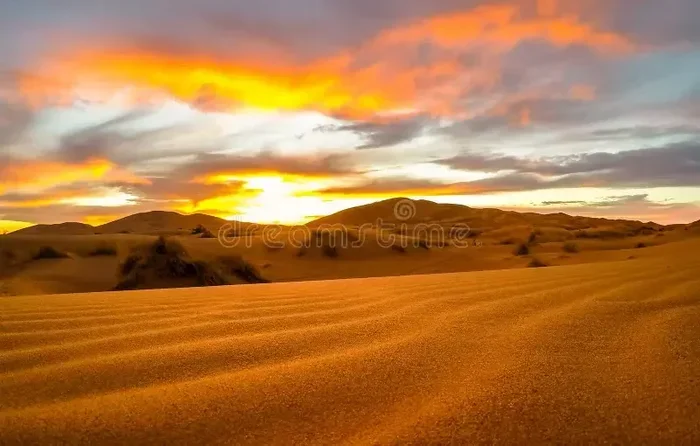
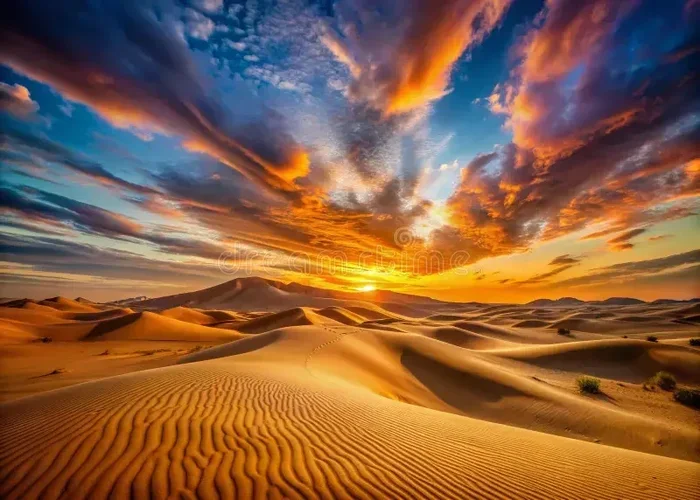
By late afternoon, you’ll arrive at the edge of Erg Chebbi. And there it is. The dunes. Some rise 150 meters high. They shift with the wind. They glow orange at sunset and deep red at dawn. No photo really does them justice.
This is where you swap the van for a camel. Yes, it’s touristy. Yes, it’s also genuinely magical. The slow, swaying walk into the dunes as the sun sets is something you’ll remember for years.
Day 4: Sahara Desert Experience
Day four is typically the “desert day.” Most tours structure it to maximize your time in the Sahara. After sunrise (and trust me, you want to wake up for that), you’ll have options:
- Sandboarding down the dunes
- 4×4 excursions deeper into the desert
- Visiting a nomadic Berber family
- Listening to traditional Gnawa music at night
Some tours have you sleep in a luxury desert camp with proper beds and private bathrooms. Others go more rustic with shared facilities and traditional nomadic tents. Both are incredible experiences, just different vibes.
Day 5: Merzouga to Ouarzazate via Alnif and N’kob
After bidding farewell to the dunes (always a bittersweet moment), the return journey begins. The route back often takes a different path to show you new scenery. The drive through Alnif and N’kob is more remote and less traveled.
You’ll pass through the Draa Valley, a stunning palm-lined oasis that stretches for miles. It’s one of the longest river systems in Morocco and a sharp contrast to the desert you just left.
Day 6: Ouarzazate to Marrakech
The final day is mostly driving, with a few scenic stops along the way. You’ll cross the Atlas Mountains one more time, usually arriving back in Marrakech by late afternoon or early evening. Most tours drop you off at your hotel, leaving you with the rest of the evening to explore on your own or simply rest.
What to Expect: Accommodations and Comfort
One of the most common questions travelers have is: “How rough is it?” The answer depends on your tour style. Morocco offers everything from bare-bones budget tours to genuinely luxurious experiences.
Budget Tours (€400-500 per person)
These typically include:
- Shared transport in a minivan (12-15 people)
- Basic riads and hotels along the route
- Shared desert camp with communal bathrooms
- Breakfast and dinner included
The trade-off is more people and simpler accommodations. But honestly, many travelers prefer the social atmosphere of a group tour, especially in the desert where you gather around a fire and share stories under the stars.
Mid-Range Tours (€500-700 per person)
These usually offer:
- Smaller groups (4-8 people)
- Charming riads and boutique hotels
- Private tent at the desert camp
- More inclusions like lunches and entry fees
This is the sweet spot for most travelers. You get comfort without the high-end price tag.
Luxury Tours (€700+ per person)
Expect:
- Private vehicle and driver
- 4-star and 5-star riads
- Luxury desert camp with private bathrooms, plush beds, and sometimes even air conditioning
- Fully guided experience with a dedicated guide
What to Pack for Your Desert Adventure
Packing for a 6 day tour from Marrakech to Erg Chebbi is about layers and practicality. Here’s what to bring:
Clothing
- Lightweight long sleeves and pants (for sun protection)
- A warm jacket (desert nights can drop to 5°C / 40°F in winter)
- Comfortable walking shoes
- Sandals for the desert
- A scarf or shemagh (useful for sand and sun)
- A swimsuit (some hotels have pools)
Essentials
- Sunscreen (SPF 50+)
- Sunglasses
- A headlamp (helpful in the desert camp)
- Power bank (some riads have limited outlets)
- Reusable water bottle
- Basic first-aid items
Did you know? The temperature swing between day and night in the Sahara can be 25°C (45°F) or more. Packing layers is not optional, it’s essential.
When to Go: Timing Your Trip
Morocco’s desert climate is extreme, and timing matters. Here’s a quick breakdown:
October to April (Best Time)
Daytime temperatures are pleasant (20-28°C / 68-82°F). Nights are cool but comfortable. This is peak season, so book in advance, especially for popular camps around the Christmas and New Year holidays.
May to September (Hot Season)
Summer temperatures in the Sahara can exceed 45°C (113°F). Many travelers find this too intense. However, summer is also the least crowded and cheapest time to go. If you can handle the heat, you’ll find great deals.
Did You Know? Some desert camps actually close during July and August because of the extreme heat. Always check with your tour operator.
Shoulder Seasons (March-April and October-November)
These are arguably the best times. Mild temperatures, fewer crowds than December, and the landscapes are at their most photogenic.
Choosing the Right Tour Operator
Not all tours are created equal. Here are some tips for picking a great one:
Check Reviews Carefully
Look at recent reviews on TripAdvisor, Google, and trusted travel forums. Pay attention to comments about the driver, the vehicle condition, and the desert camp quality. A good driver can make or break your experience.
Ask About Group Size
Smaller groups (under 8) are generally more comfortable and flexible. Larger groups are cheaper but feel more like a bus tour.
Understand What’s Included
Some tours look cheap but exclude lunches, entry fees, or the camel trek. Always get a detailed breakdown.
Communication Matters
How quickly does the operator respond to your questions? Are they clear and helpful? This is often a good sign of how the tour will go.
Local vs. International
Booking with a local Moroccan operator often means better prices and more authentic experiences. International companies may offer more polish and customer service, but at a premium.
Conclusion: A Journey Worth Taking
A 6 day tour from Marrakech to Erg Chebbi is more than a vacation. It’s a journey through time, landscape, and culture. You’ll go from the buzz of one of Africa’s most exciting cities to the silence of the world’s most famous desert. You’ll cross mountains, walk through ancient kasbahs, share tea with Berber families, and sleep under a blanket of stars that will make you rethink what “dark sky” really means.
The Sahara has a way of putting things in perspective. Out there, surrounded by nothing but sand and sky, you realize how vast the world is. And how small your daily worries become.
If you’re thinking about it, stop thinking and start planning. Six days is the perfect amount of time. The route is well-established. The infrastructure is solid. All you need to do is show up with an open mind and a sense of adventure. The desert is waiting.
Just remember to charge your camera. You’re going to need it.
Frequently Asked Questions
How long does it take to drive from Marrakech to Erg Chebbi?
The direct drive takes about 8-9 hours, but a 6 day tour breaks this into manageable daily segments. You’ll typically drive 4-6 hours per day with plenty of stops for sightseeing, photos, and meals along the way.
Is a 6 day tour from Marrakech to Erg Chebbi suitable for families with children?
Yes, absolutely. The camel ride is a huge hit with kids, and the dramatic scenery keeps everyone engaged. Just be aware that desert camping involves sleeping in tents, and very young children may find the early mornings for sunrise challenging. Most operators can adjust the pace for families.
Do I need travel insurance for this tour?
Yes, travel insurance is highly recommended. Make sure your policy covers desert activities, medical evacuation, and trip cancellation. Some activities like sandboarding may not be covered under basic policies, so check the fine print.
What’s the best month for a 6 day tour from Marrakech to Erg Chebbi?
March, April, October, and November offer the best balance of pleasant temperatures and fewer crowds. December and January are also great for cooler weather, but prices peak around the holidays. Avoid July and August if you can’t handle extreme heat.
Can I do this tour on a budget?
Yes. Budget tours start around €400 per person and include transport, accommodation, most meals, and the desert camp experience. You can save money by joining a larger group and choosing basic but comfortable riads over luxury options.
What is the difference between Erg Chebbi and Erg Chigaga?
Erg Chebbi is the most famous dune field, located near Merzouga. It has taller dunes (up to 150 meters) and better tourist infrastructure, making it the more popular choice. Erg Chigaga is larger and more remote, requiring a longer drive and usually a 4×4 to reach. It offers a more off-the-beaten-path experience but is harder to access from Marrakech in just six days.