
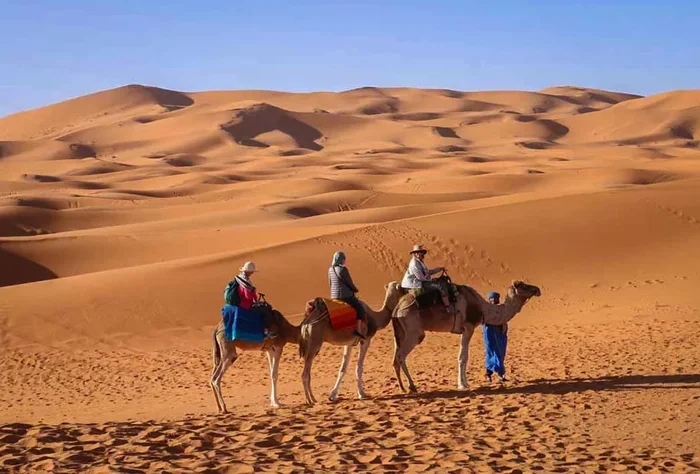
Featured image for Morocco Sahara desert camels
Image source: planetjanettravels.com
A 4-day tour from Marrakech to Merzouga is the ultimate way to experience Morocco’s diverse landscapes in one unforgettable journey. This guided adventure takes you through the Atlas Mountains, ancient kasbahs, and the breathtaking Sahara Desert. Perfect for travelers seeking authentic cultural encounters and stunning natural scenery, this itinerary balances comfort with adventure. You’ll ride camels into the Erg Chebbi dunes, sleep under star-filled desert skies, and explore UNESCO World Heritage sites along the way.
Imagine waking up to the gentle sway of camel bells, watching the sun paint the Sahara Desert in shades of gold and crimson, then sipping mint tea in a centuries-old Berber village before sunset. That’s exactly what awaits you on a 4-day tour from Marrakech to Merzouga.
This isn’t just another vacation. It’s a journey through time, where ancient trading routes, dramatic gorges, and rolling desert dunes create memories that last forever. Every kilometer reveals something new, from snow-capped mountain peaks to palm-fringed oases, from bustling medinas to silent desert expanses.
Whether you’re a solo adventurer, a couple seeking romance, or a family wanting to share something extraordinary, this guide covers everything you need to know. We’ll walk you through each day, share insider tips, and help you prepare for the trip of a lifetime.
Key Takeaways
- Duration & Distance: The 4-day Marrakech to Merzouga tour covers approximately 1,000 kilometers round trip through Morocco’s most scenic regions.
- Best Travel Season: October through April offers the most comfortable temperatures for desert exploration and mountain crossings.
- Cultural Highlights: The route passes through Berber villages, ancient kasbahs, and the UNESCO-listed Ait Ben Haddou.
- Sahara Experience: Camel trekking to Erg Chebbi dunes and overnight camping in traditional Berber tents are unforgettable highlights.
- Physical Requirements: Moderate fitness is needed for camel rides and walking on sand dunes, but no technical skills required.
- Budget Range: Tours typically cost between €200-€450 per person, depending on accommodation standards and inclusions.
- Booking Tip: Reserve at least 2-3 weeks in advance during peak season (March-May, September-November).
📑 Table of Contents
- Why Choose a 4-Day Tour from Marrakech to Merzouga?
- What to Expect: Your Day-by-Day Itinerary Breakdown
- Where Exactly Does This Tour Take You?
- When to Book: Seasonal Guide and Weather Insights
- How Much Does the Tour Cost and What’s Included?
- Essential Preparation: Packing and Practical Tips
- Common Questions and Concerns Addressed
- Conclusion: Your Adventure Awaits
Why Choose a 4-Day Tour from Marrakech to Merzouga?
Think of this tour as a carefully crafted story with four distinct chapters. Each day introduces a new setting, a new adventure, and a deeper connection to Morocco’s soul. Short on time but big on experiences? This itinerary strikes the perfect balance.
The Magic of Slow Travel
Unlike rushed day trips, four days lets you truly absorb each location. You’ll watch the landscape transform gradually, from the red earth of Marrakech to the green valleys of the Atlas, then to the golden sands of the Sahara.
Did You Know? The Sahara Desert covers an area roughly the size of the United States, and Merzouga’s Erg Chebbi dunes reach heights of up to 150 meters, some of the tallest in Morocco.
Who Is This Tour Perfect For?
- First-time Morocco visitors wanting a comprehensive introduction
- Photography enthusiasts seeking diverse landscapes
- Culture lovers eager to meet Berber communities
- Adventure seekers ready for camel treks and desert camping
- Couples and families looking for a balanced, comfortable experience
What to Expect: Your Day-by-Day Itinerary Breakdown
Let’s walk through each day so you know exactly what’s coming. Think of it as your roadmap to adventure.
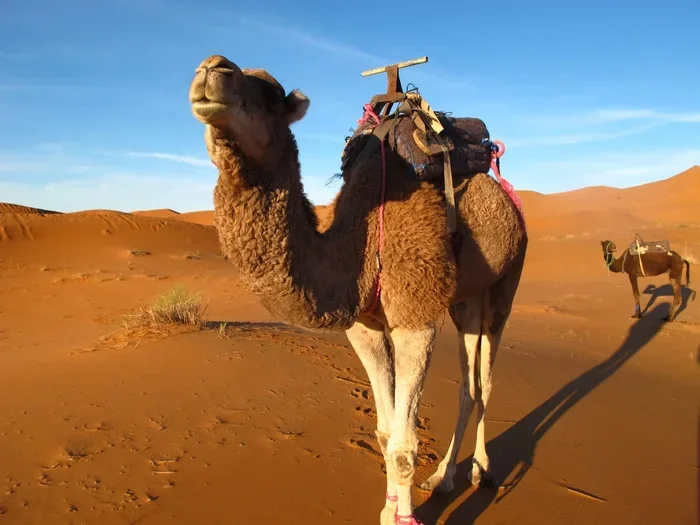
Visual guide about Morocco Sahara desert camels
Image source: nosade.com
Day 1: Marrakech to the Sahara Gateway via the Atlas Mountains
Your journey begins early, usually around 7 or 8 AM. The first major landmark is the Tizi n’Tichka Pass, winding through the High Atlas Mountains at over 2,250 meters elevation. Picture a scenic drive through the Swiss Alps, but with traditional Berber villages clinging to hillsides instead of chalets.
Key stops include:
- Ait Ben Haddou: This UNESCO World Heritage kasbah has appeared in films like Gladiator and Game of Thrones. Walking through it feels like stepping onto a movie set.
- Ouarzazate: Known as the “Hollywood of Africa,” this city hosts major film studios and offers fascinating behind-the-scenes insights.
- Todra or Dades Gorge: Towering rock walls create a natural cathedral, perfect for stretching your legs and taking photos.
You’ll spend the night in a traditional riad or hotel in the Dades Valley or Tinghir area, enjoying your first taste of authentic Moroccan hospitality.
Day 2: Gorges, Valleys, and the Road to Merzouga
Day two is about transition, moving from dramatic gorges to the edge of the desert. The Todra Gorge is narrower and more intimate than Dades, with cliffs rising 400 meters on either side of a crystal-clear river.
As you continue east, the landscape slowly shifts. Green palm groves give way to arid plains, and eventually, the first hints of sand dunes appear on the horizon.
Did You Know? The journey from Tinghir to Merzouga passes through several date palm oases that produce over 40 different varieties of dates, some reserved exclusively for Moroccan royalty.
By late afternoon, you arrive in Merzouga, a small desert village that serves as the gateway to Erg Chebbi. This is where your camel adventure begins.
Day 3: Sahara Desert Immersion
This is the day most travelers dream about. You’ll mount your camel (yes, they can be a bit stubborn, but that’s part of the charm) and trek into the dunes as the afternoon light turns magical.
Your Berber guides lead you deeper into Erg Chebbi, where you’ll set up camp for the night. The silence here is profound, broken only by wind shaping the sand and distant drums around the campfire.
Highlights include:
- Sunset over the dunes: Colors shift from gold to pink to deep purple
- Traditional Berber dinner: Tagine cooked over desert coals
- Live drumming music: Underneath a blanket of stars
- Stargazing: With virtually no light pollution, the Milky Way is visible to the naked eye
Day 4: Sunrise, Return, and the Journey Back to Marrakech
Wake before dawn to climb a nearby dune for sunrise. Watching the sun rise over the Sahara is one of life’s bucket-list moments. The silence, the light, the sheer vastness, it’s something photos simply can’t capture.
After breakfast at camp, you’ll either walk or ride camels back to Merzouga. The return journey to Marrakech takes the full day, usually arriving by late evening. Many travelers use this time to nap, reflect, or swap stories with fellow adventurers.
Where Exactly Does This Tour Take You?
Geography lesson time, but don’t worry, we’ll keep it simple. Think of Morocco as a rectangle, with Marrakech in the northwest and Merzouga in the southeast. Your tour essentially cuts diagonally across the country, sampling its most dramatic features.
The Major Regions You’ll Cross
1. Marrakech-Safi Region: Starting point, known for vibrant medinas and the famous Jemaa el-Fnaa square.
2. Drâa-Tafilalet Region: Home to the Sahara Desert, Berber culture, and some of Morocco’s most ancient kasbahs.
3. Béni Mellal-Khénifra Region: Mountain passes and agricultural valleys where cherries, apples, and roses flourish.
The route passes through the Atlas Mountains, which serve as a natural barrier between coastal Morocco and the Sahara. Crossing them feels like traveling between two different countries.
Key Geographic Features
- High Atlas Mountains: Highest peak is Mount Toubkal at 4,167 meters
- Erg Chebbi: Sand sea covering 50 square kilometers
- Todra Gorge: Limestone canyon, 400 meters deep at its narrowest point
- Drâa Valley: Morocco’s longest river, stretching 1,100 kilometers
When to Book: Seasonal Guide and Weather Insights
Timing can make or break your desert experience. Just like you wouldn’t visit Iceland in winter without preparation, the Sahara requires thoughtful planning.
The Best Months: October to April
This window offers comfortable temperatures, ranging from 20-28°C during the day and cooler nights perfect for stargazing. Winter (December-February) can bring surprisingly cold desert nights, sometimes dropping below 5°C, so pack accordingly.
Shoulder Seasons: March-April and October-November
These are arguably the sweet spots. Crowds are thinner than peak summer, temperatures are mild, and the landscape is particularly photogenic with spring blooms or autumn colors.
Summer Considerations (May-September)
Desert temperatures regularly exceed 40°C, which can make midday travel uncomfortable. However, some travelers don’t mind the heat, and summer prices are often lower.
Did You Know? The Sahara can experience temperature swings of over 30°C between day and night, one of the largest diurnal ranges on Earth.
Booking Timeline Recommendations
- Peak season (March-May, September-November): Book 4-6 weeks ahead
- Shoulder season (October, February): Book 2-3 weeks ahead
- Low season (June-August, December-January): 1 week ahead usually works
How Much Does the Tour Cost and What’s Included?
Let’s talk money. Prices vary widely, so understanding what’s included helps you compare apples to apples.
Typical Price Ranges (2024-2025)
- Budget tours: €180-€250 per person (shared transport, basic riads, group camping)
- Mid-range tours: €280-€400 per person (smaller groups, comfortable hotels, standard desert camp)
- Premium tours: €450-€700 per person (private transport, luxury riads, luxury desert camp)
What’s Usually Included
Most standard packages cover:
- Air-conditioned transport with English-speaking driver
- Three nights’ accommodation (hotels/riads + desert camp)
- Daily breakfast and selected dinners
- Camel trekking to and from the desert camp
- Sandboarding in the dunes (on some tours)
Common Exclusions
- Lunches and drinks
- Entry fees to monuments and kasbahs
- Tips for drivers and guides (customary)
- Personal expenses and souvenirs
- Travel insurance
Essential Preparation: Packing and Practical Tips
Think of packing for this tour like packing for a camping trip that visits multiple climate zones. Layering is your best friend.
Clothing Essentials
- Light layers for daytime: T-shirts, light trousers, and a sun hat
- Warm layers for evening: A fleece or jacket, especially for desert nights
- Comfortable walking shoes: For gorges and village exploration
- Sandals or easy-off shoes: Useful for camel mounting
- Scarf or shemagh: Protects from sun and sand
Health and Safety Items
- Sunscreen (SPF 30+ minimum)
- Lip balm with SPF
- Reusable water bottle
- Basic first aid kit
- Hand sanitizer and wet wipes
- Motion sickness medication (mountain roads can be winding)
Electronics and Extras
- Camera with extra batteries
- Power bank (electricity can be limited in remote areas)
- Headlamp for the desert camp
- Universal adapter (Morocco uses Type C and E plugs)
Pro Tip: Leave expensive jewelry and unnecessary electronics at home. The desert sand is fine and invasive, and you’ll thank yourself for packing light.
Cultural Etiquette Basics
Morocco is a Muslim country with conservative values, particularly in rural areas. Simple gestures of respect go a long way:
- Ask permission before photographing people
- Dress modestly, especially in villages
- Use your right hand for greetings and eating
- Accept mint tea when offered, it’s a sign of hospitality
Common Questions and Concerns Addressed
Is the camel ride difficult?
Not really, but expect some soreness. Camels are tall, and mounting requires a bit of flexibility. The ride is slow and rhythmic, much gentler than horseback riding.
What about bathroom facilities in the desert?
Luxury camps offer proper facilities with running water. Standard camps provide shared bathroom tents with basic toilets and washing stations.
Can children join this tour?
Absolutely. Children over 5 generally do well. The camel ride and camping experience are magical for kids. Just pack extra patience and snacks.
Is it safe for solo travelers?
Yes, Morocco is one of Africa’s safest countries for tourists. Solo travelers, including women, commonly join group tours without issues.
Conclusion: Your Adventure Awaits
A 4-day tour from Marrakech to Merzouga isn’t just a vacation. It’s a chance to disconnect from the ordinary and reconnect with wonder. From crossing the Atlas Mountains to sleeping under Saharan stars, every moment offers something unforgettable.
You’ll return home with sand still in your shoes, stories that sound impossible until you show the photos, and a deeper understanding of why Morocco captivates everyone who visits. The combination of natural beauty, rich culture, and genuine hospitality makes this journey genuinely special.
Start planning today. Research reputable tour operators, read recent reviews, and book with confidence. The Sahara has been waiting millions of years, and it’s ready for you.