
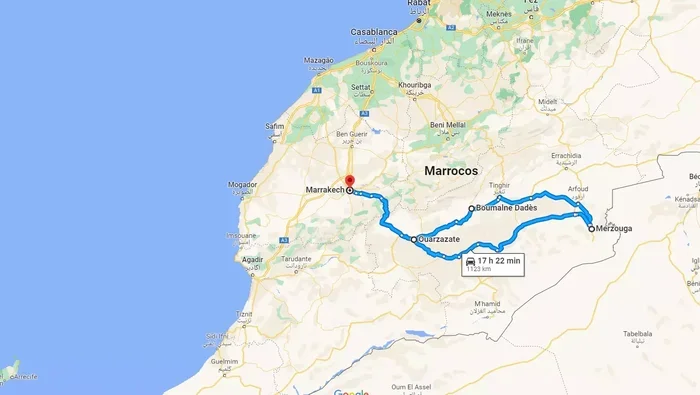
Featured image for Marrakech to Merzouga desert
Image source: introducingmorocco.com
A 10 day tour from Marrakech to Merzouga is the ultimate Moroccan adventure, taking you from bustling souks to the breathtaking Sahara Desert. This comprehensive journey covers the Atlas Mountains, Todra Gorge, Ait Ben Haddou, and includes camel trekking and overnight camping under the stars in Erg Chebbi. Perfect for travelers seeking an authentic, immersive experience of Morocco’s diverse landscapes and rich Berber culture.
Picture this: you wake up to the sound of camels grumbling outside your tent, golden light spilling across sand dunes that stretch forever. Last night, you fell asleep counting stars brighter than you’ve ever seen. This morning, you’re sipping mint tea as the Sahara sunrise paints everything in shades of orange and pink.
That magical moment happens on day four or five of a 10 day tour from Marrakech to Merzouga. It’s not just a trip. It’s a journey through time, culture, and some of the most stunning landscapes on Earth.
Morocco sits just 14 km from Spain across the Strait of Gibraltar, yet feels like another world entirely. The country welcomes over 13 million tourists annually, and many choose this exact route. Why? Because in 10 days, you can experience mountains, deserts, ancient cities, and traditions that haven’t changed in centuries. Let’s break down everything you need to know about this unforgettable adventure.
Key Takeaways
- Duration & Distance: A 10-day Marrakech to Merzouga tour covers roughly 1,500 km of diverse Moroccan terrain.
- Sahara Experience: The highlight is camel trekking into Erg Chebbi dunes, some reaching 150 meters tall.
- Cultural Stops: You’ll visit UNESCO sites like Ait Ben Haddou and traditional Berber villages.
- Best Time to Go: October through April offers the most comfortable temperatures for desert travel.
- Budget Range: Prices typically range from $800-$1,500 per person including accommodation and most meals.
- What to Pack: Layers are essential as temperatures swing from 40°C days to near-freezing desert nights.
- Group vs Private: Both options exist, but private tours offer flexibility to stop wherever you want.
📑 Table of Contents
- Why Choose a 10 Day Marrakech to Merzouga Tour?
- The Complete 10 Day Itinerary Breakdown
- What to Expect: Costs, Accommodations, and Logistics
- Best Time to Take This Tour
- Packing Essentials for Your 10 Day Tour
- Tips for an Unforgettable Experience
- Common Questions and Concerns
- Final Thoughts: Why This Trip Changes People
Why Choose a 10 Day Marrakech to Merzouga Tour?
Think of a 10 day tour from Marrakech to Merzouga as a perfectly baked cake. You need all the right ingredients, mixed in the right order, given enough time to rise. Shorter tours miss the flavor. Longer ones might lose the magic. Ten days hits the sweet spot.
The Perfect Balance of Adventure and Comfort
A week isn’t quite enough. You spend half your time in the car, rushing from point A to point B. Fourteen days feels like too much for most vacation schedules. Ten days gives you breathing room to actually enjoy each stop.
Did you know that the average traveler spends just 2.3 days in Merzouga when booking shorter tours? That’s barely enough time to truly experience the Sahara. With 10 days, you get two to three full days in the desert region, which means sunrise AND sunset over the dunes, plus time to explore surrounding oases and villages.
You See More Than Just Sand
The Merzouga portion is the star, sure. But a 10-day tour includes the supporting cast that makes the show great:
- The snow-capped Atlas Mountains
- UNESCO World Heritage kasbahs
- Dramatic gorges and valleys
- Traditional Berber villages
- Vibrant Marrakech medina
It’s like reading a book versus watching the movie. You get the full story, not just the highlight reel.
The Complete 10 Day Itinerary Breakdown
Let’s walk through a typical itinerary. Think of this as your roadmap. Every tour operator has slight variations, but the core route stays the same.
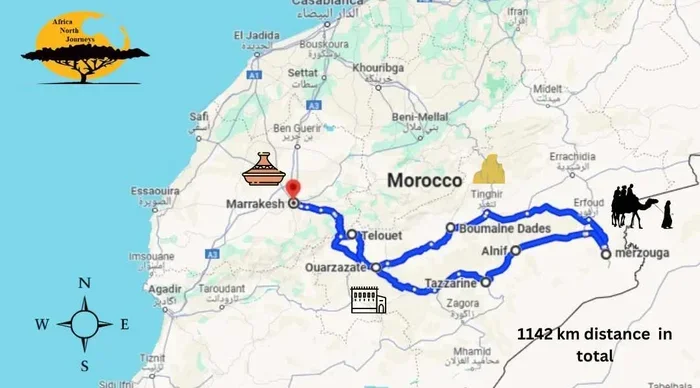
Visual guide about Marrakech to Merzouga desert
Image source: africanorthjourneys.com
Days 1-2: Marrakech Exploration
Your adventure begins in Marrakech, Morocco’s fourth-largest city with a population of approximately 928,000. The city is loud, colorful, and absolutely mesmerizing.
Spend your first day getting oriented. The medina (old city) is a UNESCO World Heritage Site and a maze of narrow alleys filled with everything from spices to hand-woven carpets. Don’t try to navigate it alone at first. Get lost intentionally. The best discoveries happen when you wander.
Must-see spots include:
- Jemaa el-Fnaa: The famous square that comes alive at night with storytellers, musicians, and food stalls
- Bahia Palace: A stunning 19th-century palace with intricate tilework
- Saadian Tombs: Hidden for centuries, these royal tombs date back to the 1500s
- Majorelle Garden: A peaceful blue oasis created by French painter Jacques Majorelle
Days 3-4: Crossing the Atlas Mountains
Day three takes you over the High Atlas Mountains via the Tizi n’Tichka pass. At 2,260 meters (7,415 feet), this mountain road offers views that’ll make your jaw drop. Bring your camera.
The drive takes about 4-5 hours, but your guide will stop frequently. You’ll see Berber villages clinging to hillsides, women washing clothes in mountain streams, and donkeys carrying goods along ancient paths. Life here hasn’t changed much in 500 years.
Ait Ben Haddou is your first overnight stop. This earthen clay city has been the backdrop for films like Gladiator, Lawrence of Arabia, and Game of Thrones. Walking through it feels like stepping onto a movie set, because it literally is one.
Days 5-6: Gorges, Valleys, and Desert Approaches
The journey continues through Ouarzazate, known as the “Hollywood of Africa” because of its famous film studios. Then you’ll reach the Dadès and Todra Gorges.
Todra Gorge is a canyon with walls rising 400 meters high and only 10 meters apart at certain points. Rock climbers love it. Photographers love it. You’ll love it too. The contrast between the sheer cliffs and the green valley below is stunning.
You’ll meet local Berber families on this stretch. Many tours include a home-cooked lunch with a nomadic family. The bread is baked fresh in clay ovens, the tagine simmers with local vegetables and lamb. It’s simple, delicious food that tastes better because of where you’re eating it.
Days 7-9: Welcome to the Sahara
Here’s where the magic happens. Merzouga sits on the edge of Erg Chebbi, one of the world’s largest sand dune formations. Some dunes reach 150 meters tall (about 492 feet). That’s taller than the Statue of Liberty.
The camel trek into the desert takes about 1.5-2 hours. Yes, camels are uncomfortable. Yes, you’ll smell like one afterward. No, you won’t care. Watching the sunset from atop a dune while your camel chews cud next to you is one of those “pinch me, is this real” moments.
Your desert camp includes:
- Traditional Berber tents with proper beds
- A communal dining tent where everyone shares stories
- Live drumming and music around the campfire
- The most incredible night sky you’ll ever see
The Sahara has virtually zero light pollution. On a clear night, you can see the Milky Way with your naked eye. Astronomers estimate you can see up to 7,000 stars in the Sahara sky, compared to just 500 in a typical city.
Day 10: Return to Marrakech
The final day is mostly driving, but the route back is different from the way you came. You’ll pass through the Draa Valley, Morocco’s longest river valley, lined with millions of date palms. It’s like driving through a green ribbon in the middle of the desert.
Most travelers arrive back in Marrakech by early evening, with enough time for a final dinner in Jemaa el-Fnaa square. It’s the perfect bookend to your adventure.
What to Expect: Costs, Accommodations, and Logistics
Let’s talk money, because nobody likes surprise expenses on vacation.
Price Breakdown
A 10 day tour from Marrakech to Merzouga typically costs between $800 and $1,500 per person. The price varies based on several factors:
- Group size: Private tours cost more but offer flexibility
- Accommodation level: Budget riads vs. luxury desert camps
- Season: Spring and fall prices peak with demand
- Inclusions: Some tours include flights, most don’t
Most tours include accommodation, breakfast, dinner, transportation, and a guide. They usually don’t include:
- International flights
- Lunch (though your guide will recommend good spots)
- Drinks and personal shopping
- Tips (budget around $50-$100 total for guides and drivers)
Accommodation Types
You’ll sleep in different places throughout your journey. In cities, you’ll stay in riads, traditional Moroccan houses built around interior courtyards. They’re cool in summer, warm in winter, and absolutely beautiful.
In smaller towns, expect simple hotels or guesthouses. They’re clean and comfortable, but not fancy. Think of them as a 3-star experience.
The desert camp is something special. Luxury camps have en-suite bathrooms, proper showers, and even air conditioning in some cases. Standard camps offer shared facilities, but the experience of sleeping under canvas in the Sahara is unforgettable either way.
Best Time to Take This Tour
Timing matters more than you might think. The Sahara can reach temperatures of 50°C (122°F) in summer. That’s not fun for camel riding or tent sleeping.
Optimal Months: October to April
The sweet spot for visiting is October through April. Here’s what to expect each season:
- October-November: Comfortable days (25-30°C), cool nights, autumn colors in the mountains
- December-February: Cooler days (15-20°C), cold desert nights (can drop to 5°C), occasional snow on mountain passes
- March-April: Spring blooms, warming temperatures, popular with European tourists
What About Summer?
Summer tours (June-August) are cheaper and less crowded, but brutally hot. Desert temperatures regularly exceed 45°C. Some operators don’t even offer tours during peak summer months. If you must travel then, stick to early morning activities and rest during midday.
Did you know? The Sahara has grown by 10% over the past century, expanding southward by roughly 1 km per year due to climate change. Visiting now means you’re seeing something future generations might not get to experience the same way.
Packing Essentials for Your 10 Day Tour
Packing for a trip that includes mountains, cities, and deserts requires strategy. Think layers, like a parfait dessert, each layer serving a purpose.
Clothing Essentials
- Light, long-sleeved shirts: Protects from sun and respectful for cultural sites
- Comfortable pants: Jeans or hiking pants that breathe
- Warm jacket: Desert nights get cold, especially December-February
- Sun hat: Wide-brimmed for desert protection
- Modest dress: Shoulders and knees covered for visiting religious sites
- Comfortable walking shoes: Closed-toe for rocky terrain
Gear and Accessories
- Scarf or shemagh: Multi-purpose (sun protection, dust, warmth)
- Sunglasses: Sand reflects sunlight intensely
- Headlamp: Useful for desert camps and power outages
- Power bank: Charging opportunities are limited in remote areas
- Reusable water bottle: Stay hydrated, stay green
- Camera: Trust us, you’ll want it
Health and Safety Items
- Sunscreen SPF 50+: The desert sun is no joke
- Hand sanitizer: Rest stops aren’t always clean
- Basic first aid kit: Band-aids, pain relievers, anti-diarrheal medication
- Prescription medications: Pharmacies are limited in remote areas
Tips for an Unforgettable Experience
After helping hundreds of travelers plan this journey, here are the tips that make the biggest difference.
Choose Your Tour Operator Wisely
Not all tour companies are equal. Look for operators with:
- TripAdvisor ratings above 4.5 stars
- At least 200+ reviews
- Clear cancellation policies
- Local guides who speak your language fluently
- Licensed and insured vehicles
Cheapest isn’t always best. A $200 price difference usually means better accommodation or a smaller group size. That’s worth it.
Embrace the Cultural Differences
Morocco is a Muslim country. Respect goes a long way. Ask before photographing people. Don’t eat or drink in public during Ramadan. Dress modestly. Learn a few Arabic phrases like “Salam alaikum” (peace be upon you) and “Shukran” (thank you).
The Berber people you’ll meet have welcomed travelers for thousands of years. A genuine smile and respectful behavior opens more doors than any guidebook.
Disconnect to Reconnect
Mobile coverage gets spotty in the desert. Use this as an opportunity to disconnect. Talk to your travel companions. Listen to your guide’s stories. Watch the stars. Look up.
A 2019 study by the U.S. Travel Association found that 86% of travelers reported feeling happier after disconnecting from technology during trips. The Sahara is the perfect place to test this theory.
Bring Cash, But Not Too Much
Small Moroccan dirhams for tips, small purchases in villages, and market bargaining. Credit cards work in cities but not in remote areas. $200-$300 in cash is usually plenty for extras.
ATMs are available in Marrakech and larger towns, but charge fees. Withdraw enough to last a few days at a time.
Common Questions and Concerns
Is Morocco Safe for Tourists?
Morocco is one of the safest African countries for tourists. The government has invested heavily in tourism security. Petty crime exists but is rare, especially in guided tours. The U.S. State Department classifies Morocco as a Level 2 travel advisory, meaning “exercise increased caution,” which is the same level as France and the UK.
Will Language Be a Barrier?
French and Arabic are Morocco’s main languages. In tourist areas, English is widely spoken. Your guide will speak English, and most riads and hotels have English-speaking staff. Learning “yes” (nah) and “no” (la) in Arabic helps. It’s helpful to know that in Morocco, “la” means no and shaking the head side-to-side actually means yes, while nodding up and down means no. This can be confusing for visitors at first.
What About Food and Water?
Stick to bottled water throughout your trip. Moroccan cuisine is delicious and generally safe. Tagine (slow-cooked stew), couscous, and fresh bread are staples. Street food in Marrakech is fantastic but use your judgment. If it looks clean and busy, dig in.
Final Thoughts: Why This Trip Changes People
A 10 day tour from Marrakech to Merzouga isn’t just a vacation. It’s a journey that shifts your perspective. You’ll see how Berber nomads have lived sustainably in the desert for millennia. You’ll stand in ancient kasbahs that have watched caravans pass for 1,000 years. You’ll realize how much beauty exists beyond your phone screen.
The Sahara teaches you about scale. Your problems shrink when you’re standing beneath a 150-meter dune. Your stress dissolves when you watch stars you didn’t know existed. Your heart expands when a Berber family welcomes you like an old friend.
Morocco’s tourism numbers have grown by 8% annually since 2015. More people are discovering what makes this country special. But the magic hasn’t faded. If anything, it deepens with each respectful visitor.
So, is a 10 day tour from Marrakech to Merzouga worth it? Absolutely. Book it. Pack your sense of adventure. Leave your expectations at home. The desert is waiting, and it has stories to tell you that no Instagram caption can capture.
Your camels are ready. Your guide is waiting. The Sahara is calling. All you have to do is say yes.