
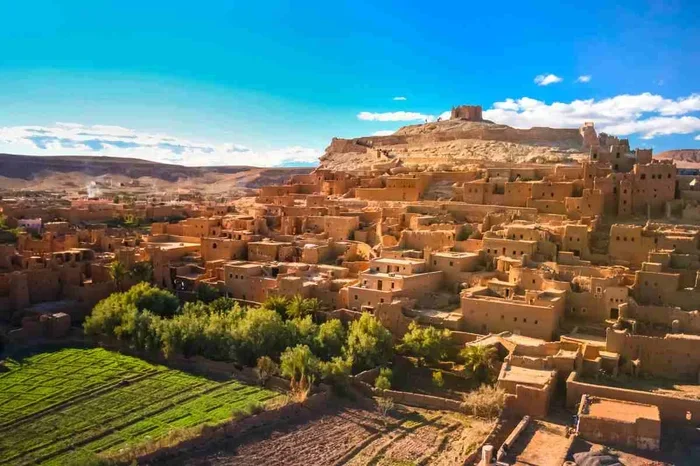
Featured image for Marrakech Ait Ben Haddou desert tour
Image source: desertmajesty.com
A 10-day tour from Marrakech to Ait Ben Haddou is the perfect way to experience Morocco’s most iconic destinations in one unforgettable journey. This extended itinerary takes you through imperial cities like Fes and Meknes, across the stunning Atlas Mountains, into the heart of the Sahara Desert, and along the famous Route of a Thousand Kasbahs. You’ll discover UNESCO World Heritage sites, ancient medinas, and timeless Berber villages while enjoying comfortable accommodations, expert guides, and authentic cultural experiences that showcase the very best of Morocco.
Marrakech is one of the most exciting starting points for any Morocco adventure, and a 10-day tour from Marrakech to Ait Ben Haddou gives you the chance to see the very best of this incredible country. Think of this trip like reading a great novel; you get the full story, not just a quick summary.
Many travelers visit Morocco and only spend two or three days in Marrakech before heading home. While the Red City is absolutely wonderful, it represents only a small fraction of what this North African gem has to offer. With ten full days on the road, you’ll journey through ancient medinas, sleep under the stars in the Sahara, cross towering mountain passes, and walk through the same clay corridors that Hollywood has used for decades.
This comprehensive guide will walk you through everything you need to know about planning and enjoying the perfect 10-day Marrakech to Ait Ben Haddou tour. We’ll cover the route, daily highlights, practical tips, and answers to the questions travelers ask most often.
Key Takeaways
- Extended Exploration: A 10-day tour from Marrakech to Ait Ben Haddou allows time to visit 4 imperial cities, the Sahara Desert, and multiple UNESCO sites without rushing.
- Sahara Desert Experience: Camel trekking and overnight camping in Erg Chebbi or Erg Chigaga dunes is a highlight that requires at least one full day.
- Cultural Immersion: The journey includes authentic Berber village visits, traditional meals, and opportunities to meet local artisans.
- Scenic Diversity: Travelers experience dramatic landscape changes from snow-capped Atlas Mountains to golden desert dunes.
- Historical Depth: Ait Ben Haddou and other kasbahs along the route have appeared in famous films like Gladiator and Game of Thrones.
- Best Travel Seasons: Spring (March-May) and autumn (September-November) offer the most comfortable temperatures for this tour.
- Group vs Private Options: Both small group and private tours are available, with private tours offering more flexibility and customization.
📑 Table of Contents
- What Is a 10-Day Tour From Marrakech to Ait Ben Haddou?
- Where Does the Tour Go? Route Overview and Daily Highlights
- When Is the Best Time to Take This Tour?
- Why Choose a Guided Tour Instead of Independent Travel?
- How to Choose the Right Tour Operator
- What to Pack for Your 10-Day Marrakech Adventure
- Tips for Making the Most of Your Tour
- Conclusion
What Is a 10-Day Tour From Marrakech to Ait Ben Haddou?
A 10-day tour from Marrakech to Ait Ben Haddou is a guided journey that starts in the bustling Red City and loops through Morocco’s most spectacular destinations before returning to Marrakech. The tour typically covers approximately 2,000 to 2,500 kilometers and includes a mix of major cities, desert landscapes, mountain villages, and historic kasbahs.
Unlike shorter tours that rush from one location to the next, this extended format gives you breathing room. You get time to wander through narrow alleyways, sip mint tea with Berber families, watch the sunrise over sand dunes, and actually feel the rhythm of Moroccan life rather than just photographing it from a bus window.
Who Is This Tour Designed For?
This tour suits a wide range of travelers. First-time visitors to Morocco will see all the major highlights. Experienced travelers who want to go deeper than the surface will appreciate the slower pace. Photographers love the variety of landscapes. History buffs enjoy the ancient sites. Foodies discover regional specialties in every city. Even families with older children find this route manageable and rewarding.
The tour works well for solo travelers, couples, and small groups. Most operators offer both shared group departures and private options where you can customize the pace and stops.
What Makes This Route Special?
Morocco is roughly the size of California, and trying to see it in a few days is like trying to eat a five-course meal in two bites. A ten-day journey lets you experience the country’s incredible diversity. You start in the lively chaos of Marrakech, travel through the peaceful High Atlas Mountains, descend into the vast Sahara, explore medieval cities in the north, and return through the Valley of a Thousand Kasbahs.
Did You Know? Morocco has nine UNESCO World Heritage Sites, and a well-planned 10-day tour from Marrakech typically includes at least four of them, including Ait Ben Haddou, the Medina of Fes, the Medina of Marrakech, and the Roman ruins of Volubilis.
Where Does the Tour Go? Route Overview and Daily Highlights
The classic 10-day Marrakech to Ait Ben Haddou itinerary follows a circular route through central and southern Morocco. Here’s a breakdown of what you’ll see and experience each day.
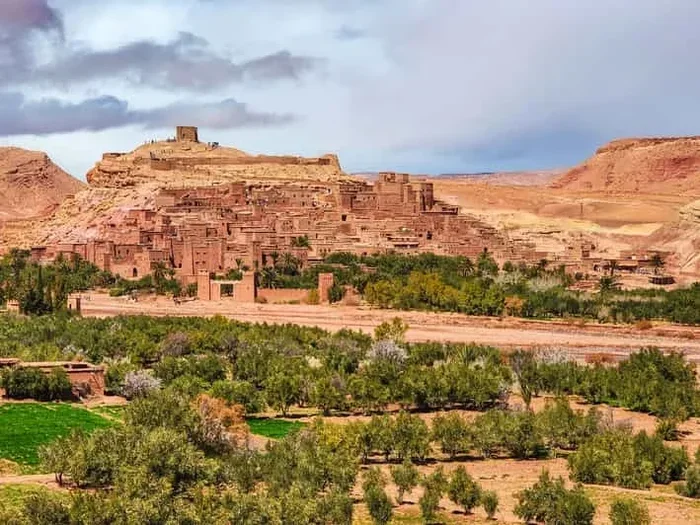
Visual guide about Marrakech Ait Ben Haddou desert tour
Image source: cdn.getyourguide.com
Days 1-2: Exploring Marrakech
Your adventure begins in Marrakech, where you’ll acclimate to Morocco’s vibrant energy. The first day usually covers the city’s main attractions: the bustling Jemaa el-Fnaa square, the stunning Bahia Palace, the colorful Majorelle Garden, and the historic Saadian Tombs. The second day offers time to explore the medina’s hidden corners, shop for spices and leather goods in the souks, and perhaps visit a traditional hammam.
Think of Marrakech as a loud, colorful welcome party. It’s intense and exciting and sets the tone for everything to come.
Day 3: Crossing the High Atlas to Ait Ben Haddou
After Marrakech, you travel over the Tizi n’Tichka pass, which climbs to over 2,260 meters above sea level. The winding road offers breathtaking views of Berber villages clinging to hillsides and terraced farmland. This is the day you arrive at Ait Ben Haddou, the famous earthen clay village that has served as a backdrop for movies like Gladiator, Lawrence of Arabia, and Game of Thrones.
The kasbah is over 1,000 years old and remains one of the most photographed places in Morocco. Walking through its narrow passages feels like stepping into a time machine.
Day 4: Ouarzazate, Skoura, and the Rose Valley
Known as the “Gateway to the Sahara,” Ouarzazate is home to Atlas Studios, where many famous films were produced. From there, the route continues through the Skoura palm grove and into the Valley of the Roses, where locals harvest Damascus roses for rose water and cosmetics.
Days 5-6: Sahara Desert Adventure
The desert portion usually begins with a drive to Merzouga or M’Hamid, the gateways to the Erg Chebbi and Erg Chigaga dunes. You’ll trade your vehicle for camels and trek into the dunes as the sun sets. Spending a night in a Berber desert camp is genuinely magical. Without light pollution, the stars feel close enough to touch.
Many tours include sandboarding, traditional music around a campfire, and a chance to meet nomadic families who still cross the Sahara with their animals.
Day 7: Todra Gorge and the Dades Valley
After the desert, the route winds through dramatic canyons like Todra Gorge, where cliffs rise 400 meters on either side of a narrow river. The nearby Dades Valley features quirky rock formations sometimes called “monkey fingers” and offers stunning viewpoints.
Day 8: Journey to Fes via Ifrane and the Middle Atlas
One of the biggest transitions on this tour is crossing from southern Morocco into the northern region. You pass through Ifrane, often called “the Switzerland of Morocco” because of its alpine-style architecture and clean streets. Cedar forests near Azrou are home to Barbary macaques, the only monkey species native to North Africa.
Days 9-10: Fes and Return to Marrakech
Fes is Morocco’s spiritual and intellectual capital. The medieval medina is a UNESCO World Heritage Site and contains the world’s oldest continuously operating university, the University of al-Qarawiyyin, founded in 859 AD. You’ll explore its labyrinthine streets, visit the famous tanneries, and browse artisan workshops producing ceramics, brassware, and textiles.
On the final day, the tour returns to Marrakech, typically stopping in Meknes and Volubilis along the way. Volubilis features remarkably preserved Roman mosaics and ruins dating back to the 3rd century BC.
When Is the Best Time to Take This Tour?
Timing matters when planning a multi-day Moroccan tour. The country experiences hot summers, mild winters, and pleasant shoulder seasons.
Spring (March to May)
Spring is arguably the best time for this tour. Temperatures in Marrakech hover around 25°C, while the desert warms to comfortable levels during the day and cools pleasantly at night. Wildflowers bloom across the Atlas Mountains, and the Rose Valley lives up to its name.
Autumn (September to November)
Autumn rivals spring as an ideal season. The extreme summer heat has passed, and the landscapes still carry warm golden tones. October and November are particularly popular months, so booking in advance is wise.
Summer Considerations
Summer temperatures can exceed 45°C in the desert, making daytime travel uncomfortable. However, early mornings and evenings remain pleasant, and mountain regions stay cooler.
Winter Travel
Winter brings snow to the Atlas Mountains, occasionally closing the Tizi n’Tichka pass for short periods. However, the desert remains mild and sunny, and the lack of crowds makes winter travel attractive for some visitors.
Did You Know? Morocco’s Atlas Mountains can receive significant snowfall, and the ski resort of Oukaïmeden, located just two hours from Marrakech, occasionally offers skiing alongside desert camel rides in the same week.
Why Choose a Guided Tour Instead of Independent Travel?
Independent travel in Morocco is certainly possible, but a guided 10-day tour offers significant advantages for most visitors.
Logistics Simplified
Imagine trying to coordinate transportation across four different regions, booking hotels in rural areas, and navigating mountain roads with unfamiliar signage. A tour handles all of this. You show up, and everything works.
Local Knowledge and Access
Guides know which medina alleys are safe, which restaurants serve authentic food, and which artisans welcome visitors. They translate, negotiate, and share cultural context that transforms a sightseeing trip into genuine understanding.
Safety and Support
Morocco is generally safe for tourists, but having a guide adds a layer of security, especially when navigating busy medinas or driving through remote areas. If something goes wrong (a missed connection, an illness, a road closure), your tour operator handles the problem.
Cost Efficiency
While private tours can seem expensive, they often include accommodation, meals, transport, and entrance fees that would add up quickly if arranged separately. Group tours spread these costs across more travelers, making them very affordable.
How to Choose the Right Tour Operator
The quality of your Morocco experience largely depends on the company you book with. Here’s what to look for.
Reputation and Reviews
Check independent review platforms like TripAdvisor, Google Reviews, and travel forums. Look for operators with consistently positive feedback over multiple years. Be wary of companies with many vague five-star reviews posted in short timeframes.
Small Group Sizes
The best tours typically limit groups to 12-16 people. Smaller groups move faster, access more remote locations, and allow for more personalized interaction with guides.
Accommodation Quality
Ask for specific hotel names and check them independently. Mid-range tours usually offer a mix of 3-star and 4-star riads (traditional Moroccan guesthouses), while luxury tours upgrade to 5-star properties and premium desert camps.
Inclusions and Exclusions
Read the fine print. Some tours include most meals, while others only include breakfast. Entry fees to attractions, tips for guides and drivers, and drinks may or may not be covered. Understanding these details prevents surprises.
Guide Qualifications
Official Morocco guides must pass licensing exams. Ask whether your guide holds this certification. Licensed guides are typically more knowledgeable about history, culture, and religious sites.
What to Pack for Your 10-Day Marrakech Adventure
Packing smart makes a big difference on a tour that crosses multiple climate zones.
Clothing Essentials
- Light layers for warm desert days and cool evenings
- A warm jacket or fleece for mountain passes and desert nights (temperatures can drop to 5°C or lower)
- Modest clothing that covers shoulders and knees for visiting religious sites
- Comfortable walking shoes for medina exploration
- Sandals or breathable shoes for desert relaxation
- A scarf or shawl that protects from sun, wind, and sand
Other Useful Items
- Sunglasses and high-SPF sunscreen (the desert sun is intense)
- A reusable water bottle to stay hydrated
- Basic medications and a small first-aid kit
- Power adapters (Morocco uses Type C and E plugs)
- A headlamp for walking through dimly lit medina alleys
- Cash in small denominations for tips and small purchases
What to Leave Behind
Avoid heavy suitcases. You’ll be moving luggage in and out of vehicles and sometimes carrying it through riad staircases. A medium-sized suitcase plus a daypack works perfectly for most travelers.
Tips for Making the Most of Your Tour
After years of traveler feedback, certain tips come up repeatedly.
Embrace the Pace
Morocco operates at a different rhythm than Western countries. Things take time. Tea is served slowly. Conversations last longer. Accepting this mindset makes the trip more enjoyable.
Stay Hydrated and Protected
Desert air is deceptively dry. Drink water constantly, apply sunscreen regularly, and rest during the hottest midday hours.
Learn a Few Arabic Phrases
Even basic greetings like “Salaam alaikum” (peace be upon you) and “Shukran” (thank you) earn warm smiles and show respect for local culture.
Bargain Politely in the Souks
Haggling is expected in Moroccan markets. Start at about half the asking price and negotiate with a smile. Never agree to a price you don’t intend to pay.
Be Open to Unexpected Experiences
Some of the best moments happen when plans change. A spontaneous invitation to tea, an impromptu music performance, or a detour to a village festival often becomes the highlight travelers remember most.
Conclusion
A 10-day tour from Marrakech to Ait Ben Haddou is more than a vacation. It’s a journey through centuries of history, dramatic landscapes, and vibrant culture. From the sensory overload of Marrakech’s medina to the quiet wonder of the Sahara at night, every day brings something new. The route captures Morocco’s essential character, blending imperial cities, ancient kasbahs, mountain villages, and endless desert into one cohesive adventure.
Whether you’re a first-time visitor seeking to understand this fascinating country or a returning traveler wanting to go deeper, this itinerary offers the perfect balance of structure and discovery. With reliable operators, comfortable accommodations, and knowledgeable guides handling logistics, you can focus entirely on the experience itself.
Start planning your 10-day Marrakech to Ait Ben Haddou tour today, and prepare for a journey that will stay with you long after you’ve returned home. Morocco is waiting, and ten days is just the right amount of time to fall in love with it.
Frequently Asked Questions
How much does a 10-day tour from Marrakech to Ait Ben Haddou cost?
Costs vary depending on the tour style and inclusions. Budget group tours start around $800-$1,200 per person, while mid-range private tours typically run $1,500-$2,500. Luxury tours with premium desert camps and 5-star riads can exceed $4,000 per person. Most tours include accommodation, transport, guide services, and some meals.
Is a 10-day tour from Marrakech to Ait Ben Haddou safe for solo travelers?
Yes, this tour is generally very safe for solo travelers, including women. Morocco is considered one of the safest countries in North Africa for tourists. Joining a group tour adds extra security, and reputable operators maintain high safety standards. Solo female travelers may want to choose a female-friendly tour operator for added comfort.
What is the best month for a 10-day Marrakech to Ait Ben Haddou tour?
April and October are widely considered the best months. Temperatures are comfortable across all regions, ranging from 20-28°C in most areas. These months also avoid the extreme summer heat in the desert and the winter snow risk in the Atlas Mountains, making travel smoother and more enjoyable.
Do I need a visa for Morocco?
Citizens of more than 70 countries, including the United States, Canada, the UK, EU nations, and Australia, can enter Morocco visa-free for stays up to 90 days. You only need a valid passport with at least six months of remaining validity. Always check current requirements with your local Moroccan embassy before traveling.
What type of accommodation should I expect on this tour?
Most tours use traditional Moroccan riads (historic guesthouses with interior courtyards) in cities and towns, along with desert camps in the Sahara. Riads range from comfortable 3-star properties to luxurious 5-star options. Desert camps typically feature private tents with shared or private bathrooms, depending on your tour package.
Can I customize the standard 10-day Marrakech itinerary?
Yes, most tour operators offer customization options, especially for private tours. You can add extra days in the desert, include cooking classes, visit specific film locations, or add adventure activities like hot air balloon rides over Marrakech. Private tours offer the most flexibility for tailoring the route to your interests and pace.