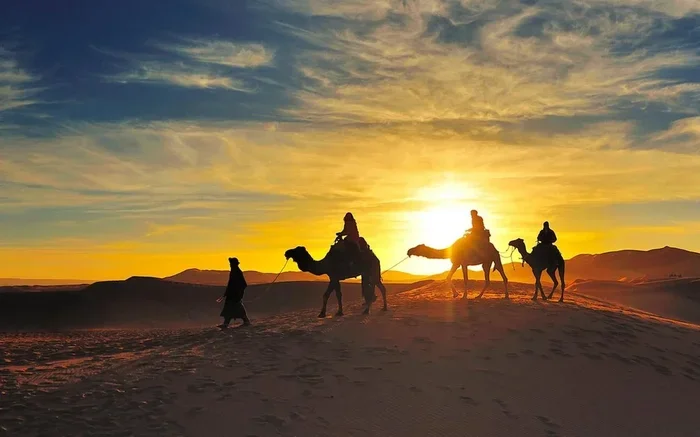
Featured image for Morocco desert camel sunset
Image source: dynamic-media-cdn.tripadvisor.com
A 13-day tour from Tangier to Marrakech offers one of the most comprehensive ways to experience Morocco’s diverse landscapes and rich culture. This epic journey takes you through four imperial cities, the stunning Sahara Desert, the High Atlas Mountains, and the vibrant souks of Marrakech. Perfect for travelers who want to see “the real Morocco” without rushing, this tour balances iconic landmarks with authentic local encounters.
Imagine waking up to the sound of waves crashing against the Mediterranean coast, then falling asleep under a blanket of stars in the Sahara Desert—all in the same two-week vacation. That’s exactly what a 13-day tour from Tangier to Marrakech delivers. This isn’t just a trip; it’s a carefully curated adventure that weaves together Morocco’s most spectacular highlights into one unforgettable journey.
Morocco has become one of Africa’s top tourist destinations, welcoming over 14.5 million visitors in 2023 according to the Moroccan Ministry of Tourism. And it’s easy to see why. With ancient medinas that feel frozen in time, mountains that touch the clouds, and deserts that stretch endlessly into the horizon, Morocco offers a travel experience unlike anywhere else on Earth.
The 13-day Tangier to Marrakech route is widely considered the “grand tour” of Morocco. Think of it like reading a novel instead of just the last chapter—you get the full story, from the country’s northernmost edge to its most iconic southern city. This guide will walk you through everything you need to know: what you’ll see, where you’ll stay, how much it costs, and how to make the most of every single day.
Key Takeaways
- Duration & Distance: The 13-day Tangier to Marrakech tour covers approximately 1,800-2,000 km, traversing northern, central, and southern Morocco.
- Imperial Cities: You’ll visit four of Morocco’s imperial capitals: Fes, Meknes, Rabat, and Marrakech, each with unique historical significance.
- Sahara Desert Experience: A camel trek into the Erg Chebbi or Erg Chigaga dunes is typically the highlight, with overnight stays in Berber desert camps.
- Best Travel Season: Spring (March-May) and autumn (September-November) offer the most comfortable temperatures for this extended journey.
- Cultural Immersion: The route includes UNESCO World Heritage Sites, traditional medinas, and authentic Berber villages for genuine cultural exchange.
- Budget Range: Prices typically range from €900-2,500 per person depending on accommodation level (budget, mid-range, or luxury).
- Group vs. Private: Both options exist; private tours offer flexibility while group tours provide social interaction and lower costs.
📑 Table of Contents
- What Is a 13-Day Tour from Tangier to Marrakech?
- Why Choose a 13-Day Itinerary Over Shorter Tours?
- What Are the Must-See Destinations on This Route?
- How Much Does a 13-Day Tangier to Marrakech Tour Cost?
- When Is the Best Time to Take This Tour?
- What Should You Pack for a 13-Day Morocco Tour?
- How to Choose the Right Tour Operator
- Tips for Making the Most of Your 13-Day Adventure
- Conclusion: Is a 13-Day Tour from Tangier to Marrakech Worth It?
What Is a 13-Day Tour from Tangier to Marrakech?
A 13-day tour from Tangier to Marrakech is a comprehensive overland journey across Morocco that begins in the northern port city of Tangier and ends in the vibrant “Red City” of Marrakech. It’s designed to showcase Morocco’s incredible geographic and cultural diversity in a single, well-paced itinerary.
Think of Morocco like a layered cake—each city and region represents a different flavor, and this tour lets you taste them all. From the Spanish-influenced architecture of Tangier in the north, to the Roman ruins of Volubilis, the spiritual heart of Fes, the rolling dunes of the Sahara, the dramatic gorges of the Atlas Mountains, and finally the bustling energy of Marrakech—this tour covers it all.
The Classic Route Overview
Most 13-day itineraries follow a general southward path that looks something like this:
- Days 1-2: Tangier and the Rif Mountains (including Chefchaouen)
- Days 3-4: Volubilis, Meknes, and Fes
- Days 5-6: Exploring Fes and the Middle Atlas
- Days 7-8: Sahara Desert (Merzouga or M’hamid)
- Days 9-10: Todra Gorge, Dades Valley, and Ouarzazate
- Day 11: Ait Benhaddou and the Atlas Mountains
- Days 12-13: Marrakech exploration and departure
Who Is This Tour Designed For?
This tour is perfect for travelers who want depth over speed. It’s ideal for:
- First-time visitors to Morocco who want a complete overview
- Photography enthusiasts seeking diverse landscapes
- Cultural travelers interested in history, architecture, and traditions
- Adventure seekers wanting desert, mountain, and city experiences
- Anyone with 13+ days who doesn’t want to choose between Morocco’s top destinations
Did You Know? Morocco is just 14 kilometers (about 9 miles) from Spain at the Strait of Gibraltar. On a clear day in Tangier, you can actually see the Spanish coastline!
Why Choose a 13-Day Itinerary Over Shorter Tours?
You might be wondering: “Why 13 days specifically? Isn’t 7 days enough?” That’s a great question, and the answer lies in the sheer diversity of Morocco itself.
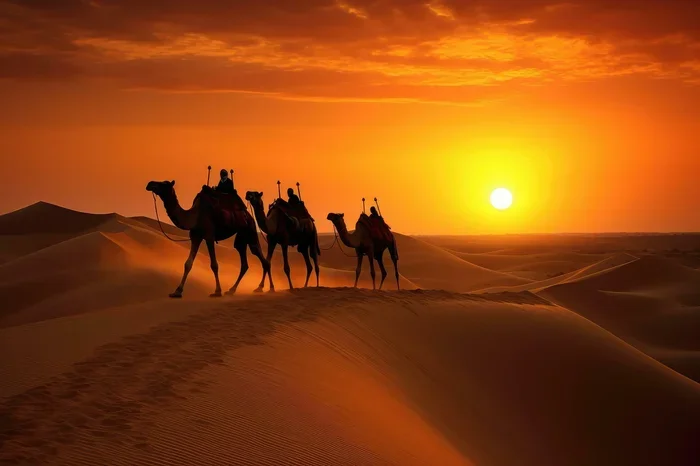
Visual guide about Morocco desert camel sunset
Image source: static.vecteezy.com
Shorter tours (5-7 days) typically only cover either the northern cities OR the southern desert and Marrakech. They involve long days of driving—sometimes 6-8 hours between stops—which means less time actually experiencing each place. A 13-day itinerary solves this problem beautifully.
The Pace Makes the Difference
Imagine trying to eat a seven-course meal in 15 minutes versus enjoying it over two hours. Same food, completely different experience. The 13-day tour is the two-hour version of Moroccan travel. You get to:
- Spend 2 nights in the Sahara instead of rushing back the same day
- Explore Fes’s massive medina without feeling overwhelmed
- Take detours to hidden gems like Chefchaouen or Ait Benhaddou
- Rest and absorb experiences rather than constantly moving
Value for Money
Here’s something many travelers don’t realize: longer tours often provide better value. Drivers, guides, and fuel costs are similar whether you’re traveling for 7 days or 13 days. So spreading those fixed costs across more days means your daily rate is actually lower. The 13-day version gives you roughly 40% more experience for about 60-70% more cost compared to a standard 7-day tour.
Did You Know? The UNESCO World Heritage Committee has inscribed 9 sites in Morocco as World Heritage Sites, and a typical 13-day tour from Tangier to Marrakech visits at least 4 of them!
What Are the Must-See Destinations on This Route?
Let’s break down the star attractions you’ll encounter, day by day, so you know exactly what magical experiences await.
Tangier: The Gateway to Morocco
Your journey begins in Tangier, a city where Africa meets Europe and the Atlantic Ocean kisses the Mediterranean Sea. Once a playground for international spies and artists like Paul Bowles and William Burroughs, modern Tangier blends old-world charm with contemporary energy.
Must-see spots:
- The legendary Café Hafa for mint tea with sea views
- The Kasbah and Sultan’s Palace
- Cap Spartel, where the Mediterranean meets the Atlantic
- Hercules Caves, famous for their unique “map of Africa” rock formation
Chefchaouen: The Blue Pearl
Tucked into the Rif Mountains, Chefchaouen is the Instagram-famous “blue city” where buildings are painted in countless shades of blue. Legend says the color was introduced by Jewish refugees in the 1930s as a symbol of the sky and heaven.
Beyond the photogenic streets, Chefchaouen offers a peaceful escape from Morocco’s busier cities. It’s a great place to slow down, shop for handmade crafts, and enjoy some of the country’s best goat cheese.
Volubilis: Morocco’s Roman Treasure
Step back nearly 2,000 years at Volubilis, the best-preserved Roman ruins in North Africa. This UNESCO World Heritage Site features stunning mosaics, triumphal arches, and crumbling columns that tell the story of Morocco’s pre-Islamic past.
Fes: The Cultural Capital
Fes is often considered Morocco’s spiritual and intellectual heart. Founded in the 9th century, its medina (Fes el Bali) is a labyrinth of over 9,000 narrow streets filled with artisans, mosques, and the famous Chouara Tannery—one of the world’s oldest leather production facilities still in operation.
Did You Know? The University of al-Qarawiyyin in Fes, founded in 859 AD, is recognized by Guinness World Records as the oldest continuously operating university in the world!
The Sahara Desert
The undisputed highlight for most travelers. After traveling through date palm oases and rocky desert terrain, you’ll arrive at the edge of the Erg Chebbi or Erg Chigaga sand dunes—some reaching heights of 150 meters (nearly 500 feet).
You’ll ride a camel into the dunes at sunset, share dinner with Berber nomads, and sleep in a traditional desert camp under stars so bright you’ll feel like you can reach up and touch them.
Ait Benhaddou and Ouarzazate
This ancient fortified settlement (ksar) has served as the backdrop for Hollywood films like Gladiator, Lawrence of Arabia, and Game of Thrones. Walking through its clay buildings feels like entering another century.
Marrakech: The Grand Finale
Your tour concludes in Marrakech, where the famous Jemaa el-Fnaa square comes alive each evening with storytellers, musicians, snake charmers, and food stalls serving everything from grilled lamb to fresh orange juice. The city is a sensory overload in the best possible way.
How Much Does a 13-Day Tangier to Marrakech Tour Cost?
Let’s talk numbers, because budgeting is an important part of planning any trip.
Price Breakdown by Tour Type
Tour prices vary significantly based on accommodation level, group size, and what’s included. Here’s a general guide for 2024-2025:
- Budget Tours: €900-1,200 per person (shared rooms, basic riads, group of 12-16 people)
- Mid-Range Tours: €1,400-1,900 per person (private rooms in 3-4 star riads, smaller groups of 6-10 people)
- Luxury Tours: €2,200-3,500+ per person (5-star riads and desert camps, private tours, premium vehicles)
What’s Typically Included
Most tour packages include:
- Transportation in air-conditioned 4×4 vehicles or minivans
- English, French, or Spanish-speaking driver/guide
- Accommodation for 12 nights
- Daily breakfast and approximately 6-8 dinners
- Camel trek in the Sahara
- Desert camp overnight
- Local guides in Fes and Marrakech medinas
What’s NOT Typically Included
Budget for these additional expenses:
- International flights to Tangier (€150-400 from Europe)
- Travel insurance (essential!)
- Lunches (€8-15 per meal)
- Entrance fees to monuments (€3-15 per site)
- Tips for drivers and guides (€50-100 total recommended)
- Personal shopping and souvenirs
- Drinks beyond tea and water
Pro Tip: Many tour operators offer discounts for bookings made 3+ months in advance or during shoulder seasons (October-November, February-March). Always ask!
When Is the Best Time to Take This Tour?
Morocco’s climate varies dramatically from coast to desert. Choosing when to travel can make or break your experience.
Spring (March to May) – The Sweet Spot
Spring is widely considered the best time for this tour. Temperatures are mild everywhere: comfortable in the desert (25-30°C / 77-86°F), pleasant in the mountains, and warm but not hot in the cities. The countryside is green and blooming, making landscapes especially photogenic.
Autumn (September to November) – The Runner-Up
Fall offers similar benefits to spring but with harvest season in full swing—meaning you’ll see pomegranates, dates, and olives being collected. September can still be hot in the Sahara (35-40°C / 95-104°F), so October and November are safer bets.
Summer (June to August) – Proceed with Caution
Summer is challenging. The Sahara can hit 45°C (113°F) during the day, and while nights cool down, daytime excursions can be exhausting. However, coastal Tangier and mountain areas remain pleasant, and prices are lower.
Winter (December to February) – The Quiet Season
Winter is cold in the Atlas Mountains (sometimes snow closes mountain passes) and surprisingly cold in the desert at night. However, it’s a magical time in the Sahara—clear skies and fewer tourists make for incredible stargazing.
Religious Considerations
Be aware that during Ramadan (dates vary yearly), many restaurants close during the day, and the pace of life slows significantly. Some travelers love experiencing Ramadan; others find it limiting. Eid al-Adha is also a major holiday when many shops and attractions close.
What Should You Pack for a 13-Day Morocco Tour?
Packing smart can make or break your comfort on this tour. You’ll experience everything from Mediterranean beaches to Saharan sand dunes to snowy mountain passes (in winter).
Clothing Essentials
- Modest, breathable clothing: Loose pants, long skirts, and long-sleeved shirts (Morocco is Muslim, and shoulders/knees should be covered, especially in religious areas)
- Layers: Desert mornings can be cold, while afternoons are warm
- A warm jacket or fleece: Essential for desert nights and mountain passes
- Comfortable walking shoes: For medina exploration
- Sandals or flip-flops: For hotels and desert camps
- A scarf or shawl: Doubles as sun protection and warmth
Health and Practical Items
- Sunscreen (SPF 50+ for the desert)
- Sunglasses and a wide-brimmed hat
- Reusable water bottle (tap water isn’t safe)
- Basic first-aid kit and any personal medications
- Hand sanitizer and wet wipes
- Power adapter (Morocco uses Type C and E plugs)
- Headlamp or flashlight (useful in rural areas)
What to Leave Behind
Skip the heavy suitcase. Most riads offer laundry services, and you’ll thank yourself later when hauling bags through narrow medina alleys. Pack one medium suitcase plus a daypack.
How to Choose the Right Tour Operator
Not all Morocco tours are created equal. Here’s how to separate the excellent from the mediocre.
What to Look For
- Licensed and registered: Ensure the company is officially registered with the Moroccan tourism authorities
- Transparent pricing: No hidden fees, clear inclusions list
- Real reviews: Check independent platforms like TripAdvisor, Google Reviews, and Trustpilot
- Responsive communication: Good operators answer questions quickly and thoroughly
- Small group sizes: Look for max 12 people; smaller means better
- Quality vehicles: Especially important for long drives
Red Flags to Avoid
- Prices that seem too good to be true (they usually are)
- Pressure to pay everything upfront before asking questions
- No clear cancellation policy
- Vague itineraries or refusal to share accommodation names
- Negative reviews mentioning “hidden costs” or “abandoned” customers
Private vs. Group Tours
Consider what matters more to you:
- Group tours: More affordable, social, great for solo travelers
- Private tours: Flexible schedule, deeper conversations with your guide, customizable stops
Did You Know? Many tour operators are based in Tangier and Marrakech and employ local guides from different regions of Morocco. This means your Sahara guide will likely be a Berber nomad, while your Fes guide might be a scholar of Islamic architecture.
Tips for Making the Most of Your 13-Day Adventure
After 13 days on the road, small habits can make a huge difference in how much you enjoy the experience.
Before You Go
- Download offline Google Maps for Morocco
- Learn a few basic Arabic or French phrases (Dariu, the local dialect, is appreciated)
- Notify your bank about travel to avoid card issues
- Get travel insurance that covers adventure activities like camel trekking
During the Tour
- Stay hydrated: The dry climate, especially in the desert, dehydrates you faster than you’d expect
- Bargain respectfully: In souks, start at about 40% of the asking price
- Ask before photographing people: Especially women and children
- Tip generously: It’s a significant part of income for guides, drivers, and hotel staff
- Embrace the unexpected: Flat tires, wrong turns, and surprise mint tea invitations are part of the journey
Cultural Etiquette
Morocco is conservative compared to Western countries. To show respect:
- Always use your right hand for eating and greeting
- Remove shoes when entering homes or mosques
- Avoid public displays of affection
- Ask permission before photographing people
- Refuse food or drink politely if offered—then accept on the second offer
Conclusion: Is a 13-Day Tour from Tangier to Marrakech Worth It?
Absolutely, unequivocally, yes. In a world where many travelers rush through countries in 3-day blur, choosing a 13-day itinerary is a statement that you value depth, authenticity, and meaningful experiences over Instagram checkboxes.
This tour isn’t merely a vacation—it’s a sensory education. You’ll taste tagines simmered with spices you’ve never heard of, hear the call to prayer echoing across ancient medinas, feel the hush of a Sahara sunrise, and watch the play of light on snow-capped Atlas peaks. These are the experiences that stay with you long after your tan fades.
Morocco has enchanted travelers for centuries, from Ibn Battuta to The Rolling Stones. The 13-day Tangier to Marrakech route is your invitation to discover why. Book your tour with confidence, pack a sense of adventure, and prepare for one of the most rewarding journeys of your life.
The desert is calling. Will you answer?
Frequently Asked Questions
How much walking is involved in a 13-day tour from Tangier to Marrakech?
Expect moderate walking, especially in Fes and Marrakech where medinas involve navigating narrow, uneven streets for 2-4 hours daily. The Sahara camel trek is gentle but involves about 1-2 hours of riding. Most travelers find the pace manageable with comfortable shoes.
Is the 13-day Tangier to Marrakech tour suitable for families with children?
Yes, it’s family-friendly, particularly for children aged 8 and up. Kids typically love the camel rides, desert camping, and colorful souks. Just be prepared for long driving days and ensure your children can handle varied climates, from hot deserts to cool mountains.
What’s the best way to get to Tangier to start the tour?
Most international travelers fly into Tangier Ibn Battuta Airport (TNG), which receives flights from Europe and Casablanca. Alternatively, you can take a high-speed train from Casablanca to Tangier (about 2.5 hours) or even arrive by ferry from Spain (Tarifa or Algeciras).
Can I customize a standard 13-day Tangier to Marrakech itinerary?
Private tours can usually be customized—adding stops, upgrading hotels, or adjusting the pace. Group tours have fixed itineraries. Popular customizations include adding Essaouira, extending in Chefchaouen, or upgrading to a luxury desert camp with private bathrooms.
Is Morocco safe for tourists on multi-day tours?
Morocco is generally very safe for tourists, and organized tours add an extra layer of security. Petty crime like pickpocketing can occur in crowded medinas, so stay alert. Your guide will help navigate cultural nuances and keep you oriented throughout the journey.
What type of accommodation should I expect on this 13-day tour?
Most tours use traditional Moroccan riads (historic guesthouses with interior courtyards), along with hotels in larger cities and a desert camp in the Sahara. Budget tours use simpler 2-3 star properties, while luxury tours feature stunning 4-5 star riads with rooftop terraces, pools, and spas. Desert camps range from basic Berber tents to luxurious “glamping” setups with private bathrooms.