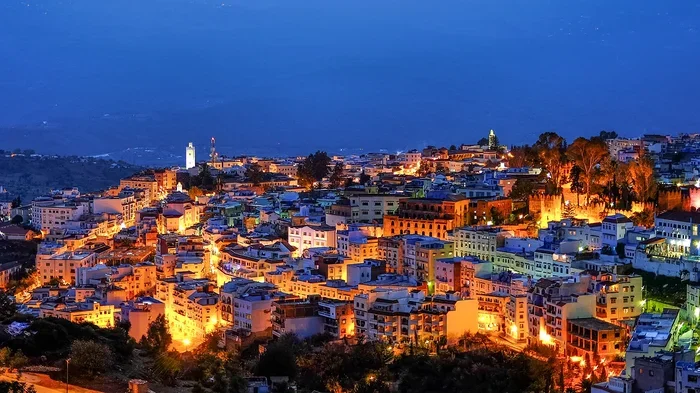
Featured image for Chefchaouen blue streets aerial
Image source: windows10spotlight.com
A 7-day tour from Tangier to Chefchaouen is the ultimate way to experience northern Morocco’s most iconic destinations in one seamless adventure. This carefully planned itinerary covers the legendary blue-painted streets of Chefchaouen, the ancient medinas of Fez, the golden dunes of the Sahara Desert, and the vibrant souks of Marrakech. Travelers enjoy comfortable transport, expert local guides, authentic riad stays, and the freedom to explore at a relaxed pace. It’s the perfect balance of culture, nature, and adventure for first-time visitors and seasoned Morocco travelers alike.
Imagine standing on the windswept cliffs where the Atlantic Ocean kisses the Mediterranean Sea, then a week later watching the sun melt into the Sahara’s golden horizon. That’s the magic of a 7-day tour from Tangier to Chefchaouen and beyond. It’s not just a trip; it’s a journey through time, color, and culture that resets your sense of wonder.
Morocco welcomed a record-breaking 14.5 million tourists in 2023, according to the Ministry of Tourism, and many of them followed this exact route. Why? Because it packs the country’s most breathtaking experiences into one unforgettable week. From the cobalt-blue alleyways of Chefchaouen to the rose-gold dunes of Merzouga, every day brings a new postcard moment.
Whether you’re a solo traveler, a couple on a romantic getaway, or a family seeking adventure, this guide will walk you through everything you need to know. We’ll cover the best routes, top-rated tour companies, what to expect each day, packing tips, costs, and answers to the questions every first-time visitor asks. Let’s get started.
Key Takeaways
- Perfect Duration: Seven days is the ideal length to explore northern and central Morocco without feeling rushed, covering roughly 1,200 kilometers of diverse landscapes.
- Chefchaouen Highlight: The famous “Blue Pearl” of Morocco is best experienced with at least one full day to wander its painted medina, shop for handicrafts, and photograph its dreamy streets.
- Sahara Desert Included: Most 7-day routes include an overnight camel trek to Erg Chebbi or Erg Chigaga, offering a once-in-a-lifetime desert experience.
- Four Imperial Cities: The route typically connects Tangier, Chefchaouen, Fez, and Marrakech, giving travelers a deep dive into Morocco’s royal heritage.
- Small Group Advantage: Tours capped at 12-16 travelers provide a more intimate, flexible, and authentic experience compared to large bus tours.
- Best Travel Seasons: Spring (March-May) and autumn (September-November) offer the most comfortable weather for this multi-city journey.
- Budget-Friendly Option: A 7-day organized tour typically costs between $700-$1,500 per person, including transport, accommodation, and most meals.
📑 Table of Contents
Why Choose a 7-Day Tour from Tangier to Chefchaouen?
A 7-day tour is the sweet spot for exploring Morocco’s northern highlights. Shorter trips feel like a blur, while longer journeys can stretch your budget thin. Seven days gives you enough time to soak in the culture without exhaustion setting in.
The Perfect Balance of Time and Experience
Think of it like watching a movie versus reading a summary. A 3-day tour gives you highlights; a 7-day tour gives you the full story. You get to watch craftsmen dye wool in Fez’s ancient tanneries, share mint tea with a Berber family, and sleep under stars in the Sahara. These moments don’t happen in rushed itineraries.
Most 7-day tours follow a north-to-south route: Tangier → Chefchaouen → Fez → Sahara Desert → Marrakech. This direction makes geographical sense and builds momentum, starting with the laid-back coastal vibe and ending with the energetic pulse of the Red City.
What Makes This Route Special
Did you know that Chefchaouen’s blue buildings weren’t always blue? The tradition began in the 1930s when Jewish refugees painted the walls to symbolize the sky and heaven. Today, the city repaints its buildings every spring to keep the color vibrant, creating one of the most photographed places on Earth.
This route also covers four UNESCO World Heritage Sites: the medinas of Fez and Marrakech, the Roman ruins of Volubilis, and the historic city of Meknes. Few journeys pack so much history into a single week.
Day-by-Day Itinerary: What to Expect on Your 7-Day Tour
While every operator tweaks their route slightly, most reputable 7-day tours follow this proven itinerary. It’s tested by thousands of travelers and refined over the years for the best experience.
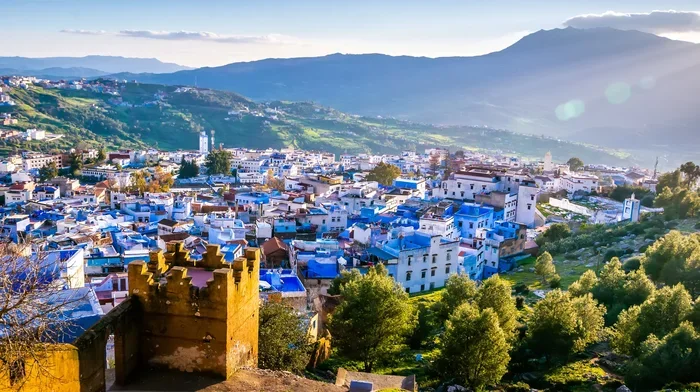
Visual guide about Chefchaouen blue streets aerial
Image source: explore.com
Day 1: Tangier Arrival and City Exploration
Your adventure begins in Tangier, the gateway between Africa and Europe. Most tours include airport pickup and a half-day city tour. You’ll visit the historic Kasbah, walk through the bustling medina, and stand at the legendary Cap Spartel, where the Atlantic meets the Mediterranean.
One fun fact: Tangier was an international zone administered by eight countries from 1923 to 1956. This unique history gave the city a cosmopolitan flair you won’t find anywhere else in Morocco. In the evening, enjoy a welcome dinner of tagine and fresh seafood at a local restaurant overlooking the harbor.
Day 2: Tangier to Chefchaouen via the Rif Mountains
After breakfast, you’ll drive south through the scenic Rif Mountains. The winding road climbs through cedar forests and Berber villages, offering stunning panoramic views. The journey takes about 2.5 to 3 hours, with photo stops along the way.
Arriving in Chefchaouen feels like stepping into a watercolor painting. The afternoon is yours to explore the blue-washed medina at your own pace. Wander the cobblestone alleys, visit the kasbah museum, and shop for handwoven goods. The city is famous for its artisan crafts, especially woven blankets, leather goods, and the distinctive goat cheese unique to the region.
Pro tip: Head to the Spanish Mosque lookout just before sunset. The view of the entire blue city glowing in golden light is unforgettable. Most tours include dinner and overnight stay in a traditional riad, often with a rooftop terrace overlooking the medina.
Day 3: Chefchaouen to Fez via Volubilis and Meknes
Today is a travel day filled with historical wonders. You’ll leave Chefchaouen in the morning and drive to the Roman ruins of Volubilis, a UNESCO World Heritage Site dating back to the 3rd century BCE. The remarkably preserved mosaics, triumphal arches, and stone columns give you a glimpse of Roman Africa at its peak.
Next stop is Meknes, one of Morocco’s four imperial cities. Your guide will walk you through the grand Bab Mansour gate, the Sahrij Swani stables, and the Mausoleum of Moulay Ismail. Lunch here is a treat, often featuring the city’s signature olive and lemon dishes.
By late afternoon, you arrive in Fez, the cultural and spiritual heart of Morocco. The evening is free to rest, but adventurous travelers can explore the medina’s edge or enjoy dinner at the riad. Fez medina is the world’s largest car-free urban zone, with over 9,000 alleys to discover.
Day 4: Full Day Exploring Fez
Fez deserves a full day, and you’ll get one. Your local guide leads you through the ancient medina, a living museum where little has changed in 1,200 years. Watch artisans shape brass, dye leather, and bake traditional bread in wood-fired ovens.
The highlight is the famous Chouara Tanneries, where workers have been treating animal hides using the same methods since the 11th century. Yes, it smells strong, but your guide will hand you a sprig of mint to hold under your nose, a local tradition that has worked for centuries.
Other must-sees include the Al-Qarawiyyin University (founded in 859 CE, often cited as the world’s oldest continuously operating university), the stunning Bou Inania Medersa, and the ceramics cooperatives where craftsmen hand-paint intricate tilework. In the evening, return to your riad for dinner and rest.
Day 5: Fez to Sahara Desert via the Middle Atlas
This is the longest travel day, but also the most scenic. After breakfast, you’ll journey through the Middle Atlas Mountains, passing through Ifrane, often called “the Switzerland of Morocco” for its alpine-style architecture and clean streets. Keep an eye out for the Barbary macaques that live in the nearby cedar forests of Azrou.
You’ll stop for lunch in Midelt, a small town known for its apple orchards. By late afternoon, the landscape transforms into the dramatic Erfoud region, where the first sand dunes appear on the horizon. Finally, you reach Merzouga or the edge of Erg Chebbi, home to some of the world’s tallest sand dunes, some reaching 150 meters high.
Here, you swap your vehicle for a camel and ride into the desert camp. Watching the sunset paint the dunes in shades of orange, pink, and gold is a moment that stays with you forever. Dinner is served Berber-style under the stars, with live drumming around a campfire. You’ll sleep in traditional nomadic tents, and if you’re lucky, the Milky Way will put on a show above you.
Day 6: Sahara Desert to Dades Valley or Ouarzazate
Wake early to catch the sunrise over the dunes. It’s worth the 5:30 AM alarm, trust us. After breakfast at the camp, you’ll ride camels back to the village and continue your journey west.
Today’s drive takes you through Todra Gorge, a stunning canyon with 400-meter-high walls that attract rock climbers from around the world. Then on to the Dades Valley, known for its red rock formations and ancient kasbahs. If time permits, you’ll also visit the famous Ait Ben Haddou, a fortified village that has served as a backdrop for movies like Gladiator, Lawrence of Arabia, and Game of Thrones.
You’ll overnight in a kasbah-style hotel in the Dades Valley or Ouarzazate, often called the “Hollywood of Africa” for its film studios. Dinner features local specialties like lamb tagine and freshly baked flatbread.
Day 7: Ouarzazate to Marrakech via the Atlas Mountains
The final day takes you over the High Atlas Mountains via the stunning Tizi n’Tichka pass, which climbs to 2,260 meters above sea level. The winding road offers breathtaking views of valleys, villages, and snow-capped peaks depending on the season.
You’ll arrive in Marrakech by late afternoon, just in time to explore the famous Jemaa el-Fnaa square. This UNESCO-recognized cultural space comes alive at night with food stalls, snake charmers, musicians, and storytellers. It’s sensory overload in the best way possible. Your tour typically ends with a farewell dinner at a rooftop restaurant overlooking the medina.
Most tours include transfer to the airport or your Marrakech hotel, marking the end of an unforgettable week.
Choosing the Right Tour Company
Not all tours are created equal. The difference between a memorable trip and a mediocre one often comes down to the operator. Here’s what to look for.
Small Group vs. Private Tours
Small group tours (8-16 people) offer a great balance of affordability and intimacy. You’ll make friends, split costs, and enjoy a more personal experience than a 40-person bus tour. Private tours give you complete flexibility to customize the itinerary, travel at your own pace, and choose your own accommodation level, but they cost more per person.
According to a 2023 survey by TourRadar, 78% of travelers prefer small group tours for cultural destinations like Morocco, citing better guide interaction and more authentic local experiences.
Top-Rated Tour Operators
Several companies consistently earn top reviews for the Tangier to Marrakech route. Look for operators with at least 500 verified reviews and a rating of 4.7 stars or higher on platforms like TripAdvisor, GetYourGuide, or Viator. Some reputable names include:
- Morocco Desert Tours: Specializes in small-group, eco-friendly desert experiences.
- Mint Tea Tours: Known for excellent local guides and authentic riad stays.
- Expedition Morocco: Offers premium 4×4 tours with luxury desert camps.
- Your Morocco Tour: Family-run operator with customizable private options.
Always check what’s included: airport transfers, accommodation type, meals, entrance fees, and guide services. The cheapest option isn’t always the best value if it cuts corners on these essentials.
Reading Reviews Like a Pro
Don’t just count stars. Read recent reviews (within the last 6 months) and look for specific mentions of guide quality, vehicle condition, and hotel standards. Pay attention to how the company responds to negative feedback. A thoughtful, solution-oriented reply is a good sign.
What to Pack for Your 7-Day Morocco Adventure
Morocco’s climate varies dramatically by region. The coast can be cool and misty, the mountains chilly, and the desert scorching by day and freezing by night. Layering is your best friend.
Clothing Essentials
- Modest, lightweight clothing: Long pants and tops that cover shoulders, especially for visiting religious sites.
- A warm jacket or fleece: Essential for desert nights and mountain passes, even in spring.
- Comfortable walking shoes: Medinas have uneven cobblestones. Leave the flip-flops for the hotel pool.
- A scarf or shawl: Doubles as sun protection, warmth, and a respectful cover for entering mosques.
- Swimwear: Some riads have small pools or hammam access.
Practical Items
- Sunglasses and sunscreen: The desert sun is intense, even in winter.
- Power adapter: Morocco uses Type C and E plugs, 220V.
- Reusable water bottle: Tap water isn’t safe; many hotels provide filtered water stations.
- Small backpack: For daily excursions and carrying your camera, water, and snacks.
- Basic first-aid kit: Include motion sickness pills; some mountain roads are winding.
Tech and Documents
Bring a universal adapter, portable charger, and offline maps. While most riads offer Wi-Fi, signal can be weak in the desert and mountains. Download Google Maps for offline use and save emergency contacts.
Don’t forget your passport (valid for at least 6 months), travel insurance details, and printed copies of your tour confirmation. Morocco doesn’t require a visa for most Western travelers for stays under 90 days, but always check current requirements before you fly.
Best Time to Book Your Tangier to Chefchaouen Tour
Timing can make or break your experience. Morocco’s tourism season peaks from March to May and September to November, when temperatures are mild and skies are clear.
Seasonal Breakdown
Spring (March-May): Wildflowers bloom in the Atlas Mountains, temperatures hover around 20-25°C (68-77°F), and Chefchaouen is at its most photogenic. This is the most popular season, so book 2-3 months ahead.
Summer (June-August): Desert temperatures can hit 45°C (113°F), making midday travel uncomfortable. Coastal areas and mountains remain pleasant. If you go in summer, choose early morning desert tours and air-conditioned transport.
Autumn (September-November): The crowds thin out, weather cools, and the harvest season brings fresh produce to every meal. This is arguably the best time for a balanced experience.
Winter (December-February): Snow blankets the Atlas Mountains, desert nights are freezing, and some mountain passes may close. However, prices drop by 30-40%, and you’ll have iconic sites almost to yourself.
Booking Tips
Book at least 60-90 days in advance for peak season tours. Last-minute deals exist but limit your choice of operators and accommodation quality. Traveling in the shoulder seasons (April, October) often gives you the best combination of good weather, fewer crowds, and reasonable prices.
Budget, Safety, and Practical Tips
Let’s talk about the practical side of things. A 7-day tour from Tangier to Chefchaouen is surprisingly affordable compared to similar multi-country experiences in Europe, but knowing what to expect helps you plan better.
How Much Does It Cost?
Prices vary by accommodation level and group size, but here are typical 2024-2025 ranges:
- Budget tours: $700-$900 per person (shared rooms, basic riads, group of 12+).
- Mid-range tours: $1,000-$1,500 per person (comfortable riads, small groups, mixed meals).
- Luxury private tours: $2,000-$4,000+ per person (4×4 transport, premium desert camps, private guide).
Most tours include transport, accommodation, breakfast, and dinner. Lunch, drinks, entrance fees, and tips are usually extra. Budget an additional $150-$250 for these incidentals.
Is Morocco Safe for Tourists?
Morocco is one of the safest countries in North Africa for tourists. The Moroccan government invested heavily in tourism security, and tourist police units are present in major cities. Petty scams (overcharging, fake guides) exist but are easy to avoid with common sense and a good guide.
Travel with registered tour operators, keep your valuables secure, and trust your instincts. The U.S. State Department and UK Foreign Office both rate Morocco as a low-risk destination for tourists, with millions of visitors exploring the country safely every year.
Cultural Etiquette and Local Tips
Morocco is a Muslim country with conservative values, but it’s also famously welcoming to tourists. A few simple gestures go a long way:
- Ask permission before photographing people, especially women.
- Use your right hand for greetings and eating.
- Dress modestly, particularly in rural areas and religious sites.
- Learn a few Arabic or Berber phrases: “Salam alaikum” (peace be upon you) and “Shukran” (thank you) open many doors.
- Bargain politely in souks; it’s expected, but always with a smile.
Tipping is customary. Budget around $3-$5 per day for your driver, $5-$10 per day for your guide, and small amounts for hotel staff and restaurant service. It adds up to about $100-$150 for the week, but it’s a meaningful supplement to local wages.
A 7-day tour from Tangier to Chefchaouen is more than a vacation. It’s a journey into one of the world’s most fascinating cultures, where ancient traditions meet modern life, and every street corner holds a story. The blue walls of Chefchaouen, the call to prayer echoing over Fez, the silence of the Sahara, the chaos of Marrakech, these are the moments that transform a trip into a lifelong memory.
Whether you’re drawn by the promise of Instagram-worthy photos, the call of adventure, or the simple desire to see the world differently, this route delivers. Start planning today, pack your sense of wonder, and get ready for the trip of a lifetime.
Frequently Asked Questions
How long is the drive from Tangier to Chefchaouen?
The drive from Tangier to Chefchaouen takes about 2.5 to 3 hours, covering roughly 120 kilometers through the scenic Rif Mountains. Most tours include photo stops along the way, so the full journey with breaks takes around 3.5 hours.
Is a 7-day tour from Tangier to Chefchaouen worth it?
Absolutely. A 7-day tour is the perfect length to experience Chefchaouen, Fez, the Sahara Desert, and Marrakech without feeling rushed. You get a balanced mix of culture, history, nature, and adventure that shorter trips simply can’t match.
What is the best month to visit Chefchaouen?
April, May, September, and October are the best months, offering mild temperatures (18-25°C) and clear skies. Spring is especially beautiful when the city repaints its blue walls and wildflowers bloom in the surrounding hills.
Do I need a visa for Morocco as a US or UK citizen?
No, US, UK, Canadian, and EU citizens don’t need a visa for stays under 90 days. Your passport must be valid for at least six months beyond your entry date. Always check the latest requirements with your local Moroccan consulate before traveling.
What should I wear on a 7-day tour of Morocco?
Pack modest, lightweight clothing that covers shoulders and knees, especially for religious sites. Bring layers for cool desert nights and mountain passes, comfortable walking shoes for cobblestone medinas, and a scarf for sun protection and mosque visits.
Can children join a 7-day tour from Tangier to Chefchaouen?
Yes, most tour operators welcome children aged 6 and above. Family-friendly tours often include shorter walking segments, more frequent rest stops, and flexible meal options. Some companies also offer discounted rates for kids under 12 sharing a room with parents.