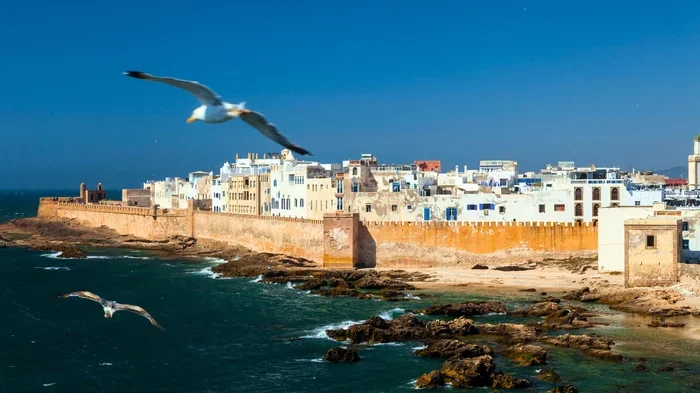
Featured image for Essaouira Morocco coastal tour
Image source: moroccohiketours.com
Experience the best of Morocco in 9 unforgettable days, traveling from the vibrant souks of Marrakech to the Atlantic breeze of Essaouira. This carefully crafted journey combines imperial cities, Berber villages, stunning coastlines, and the majestic Atlas Mountains. Perfect for culture lovers, adventure seekers, and anyone wanting an authentic Moroccan experience beyond typical tourist routes. From camel rides in the Sahara to fresh seafood on the coast, this tour delivers Morocco’s full magic in just over a week.
Imagine standing at the crossroads of ancient empires, where the call to prayer echoes across bustling medinas and the scent of spices mingles with ocean air. That’s exactly what awaits you on a 9-day journey from Marrakech to Essaouira, one of Morocco’s most spectacular travel circuits. This isn’t just another vacation. It’s a story you’ll tell for years to come.
Morocco sits at the tip of Africa, just 14 kilometers from Spain across the Strait of Gibraltar. Yet it feels worlds apart. The country welcomes over 13 million tourists annually, and for good reason. Marrakech alone attracts roughly 3 million visitors each year. But the real magic happens when you venture beyond the famous Red City and discover the treasures that lie between the Atlas Mountains and the Atlantic Ocean.
Your 9-day adventure starts in Marrakech, the beating heart of Moroccan tourism. From there, you’ll wind through ancient kasbahs, sleep under desert stars, cross mountain passes, and finally arrive at the laid-back coastal gem of Essaouira. Think of it like reading a great novel. Each chapter reveals something new, and by the end, you’ve experienced a complete story that transforms how you see the world.
Key Takeaways
- Duration & Distance: A 9-day Marrakech to Essaouira tour covers approximately 1,200-1,500 km, revealing Morocco’s incredible geographic diversity from mountains to coast.
- Best Time to Travel: Spring (March-May) and autumn (September-November) offer ideal weather, avoiding extreme desert heat and coastal winds.
- Cultural Highlights: The route includes four UNESCO World Heritage Sites, traditional Berber villages, and the historic Portuguese-influenced port city of Essaouira.
- Adventure Activities: Camel trekking, hiking in the Atlas Mountains, surfing in Essaouira, and exploring ancient kasbahs are signature experiences.
- Budget Range: Mid-range tours cost $1,200-$1,800 per person, including accommodation, transport, guides, and most meals.
- Group Size Benefits: Small groups (6-12 people) provide authentic experiences and access to local communities often missed by larger tours.
- Packing Essentials: Layered clothing, comfortable walking shoes, sun protection, and a sense of adventure are crucial for this diverse journey.
📑 Table of Contents
What Makes This 9-Day Route Special?
The Marrakech to Essaouira route isn’t random. It follows centuries-old caravan paths that traders once used to move goods between the Sahara and the coast. These same routes connected sub-Saharan Africa to Europe, making Morocco a melting pot of cultures, languages, and traditions. Today, travelers get to walk in the footsteps of history while enjoying modern comforts.
The Geographic Journey Explained
Picture Morocco as a layered cake. The bottom layer is the Sahara Desert in the south. The middle is the Atlas Mountains, rising like a backbone through the country. The top is the fertile plains and Atlantic coastline. Your 9-day tour takes you through all three layers, giving you a complete taste of Morocco’s natural diversity.
The total driving distance typically ranges from 1,200 to 1,500 kilometers, depending on your chosen itinerary. That’s roughly the distance from New York to Miami, but the landscapes change every 50 kilometers. One moment you’re in snowy mountain passes. The next, you’re in palm-filled oases. Then suddenly, you’re watching waves crash against historic ramparts.
Who Is This Tour Perfect For?
This tour appeals to a wide range of travelers. Culture enthusiasts love the UNESCO sites and artisan workshops. Adventure seekers thrive on camel treks and mountain hikes. Foodies delight in tagines cooked over open fires and fresh-caught seafood. Photographers never run out of stunning subjects, from blue-painted streets to golden desert dunes.
Did You Know? Morocco has been named Africa’s most popular tourist destination for three consecutive years, with tourism contributing roughly 7% to the national GDP.
Breaking Down Your 9-Day Itinerary
Let’s walk through what each day typically offers. While specific itineraries vary, here’s a common structure that balances adventure, culture, and relaxation.
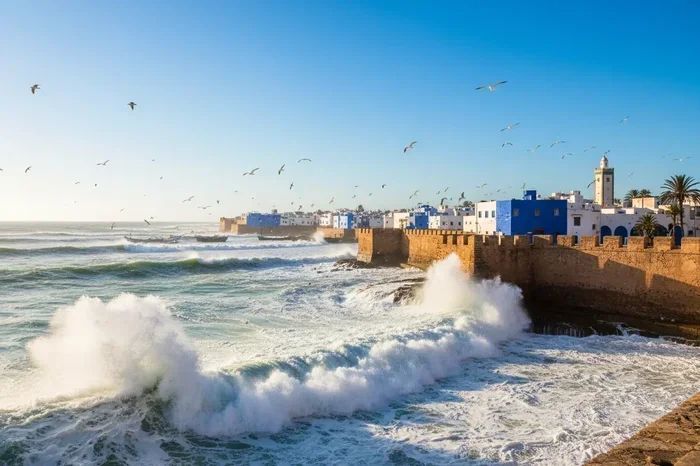
Visual guide about Essaouira Morocco coastal tour
Image source: moroccotours.group
Days 1-2: Exploring Marrakech’s Magic
Your adventure begins in Marrakech, founded in 1062 by the Almoravid dynasty. The city’s name comes from the Berber words “mur n’ akush,” meaning “Land of God.” Today, it’s a vibrant chaos of donkey carts, motorcycle taxis, and merchants calling out their wares.
Start with the famous Jemaa el-Fnaa square, which transforms from a quiet morning market to a wild circus of storytellers, musicians, and food vendors by evening. The square was declared a Masterpiece of the Oral and Intangible Heritage of Humanity by UNESCO in 2001. It’s like a living theater that performs the same show every night, yet always feels fresh.
On day two, dive into the medina’s winding alleys. Visit the Bahia Palace, with its stunning Islamic architecture and peaceful gardens. Explore the Saadian Tombs, hidden for centuries until rediscovered in 1917. Don’t miss the Majorelle Garden, once owned by fashion designer Yves Saint Laurent. The electric blue building here is one of the most Instagrammed spots in all of Morocco.
Days 3-4: Crossing the Atlas Mountains
Day three takes you over the High Atlas Mountains via the Tizi n’Tichka pass, sitting at 2,260 meters (7,415 feet). That’s nearly as high as some ski resorts in Europe! The winding road offers jaw-dropping views, but can cause motion sickness in sensitive travelers. The journey typically takes 4-5 hours, with stops for photos and visits to Berber villages along the way.
Berber communities have lived in these mountains for over 4,000 years. They’re the indigenous people of North Africa, with their own language (Tamazight) and customs. Stopping in a traditional village is like opening a window into a way of life that has remained largely unchanged for millennia.
By day four, you’ll reach the edge of the Sahara Desert. Think of the Sahara as an ocean, but made of sand instead of water. The dunes near Merzouga or Zagora can reach heights of 150 meters. Riding a camel to your desert camp at sunset is a moment that stays with you forever. The silence out there is so complete you can hear your own heartbeat.
Days 5-6: The Desert Experience
Sahara means “desert” in Arabic, but the actual Sahara Desert covers 9.2 million square kilometers across multiple countries. The Moroccan portion, while vast, represents just a fraction of this massive ecosystem. Yet standing among the dunes of Erg Chebbi or Erg Chigaga feels infinite.
Desert camps range from basic to luxurious. A typical Berber camp includes traditional tents with mattresses, a communal dining area, and a campfire where local guides play drums and sing under a canopy of stars. With minimal light pollution, you’ll see the Milky Way stretching across the sky like spilled milk. The Sahara has some of the darkest skies on Earth, making it a favorite spot for astrophotographers.
Wake before dawn to catch the sunrise. The way light transforms the dunes from deep orange to brilliant gold is pure magic. After breakfast, you’ll typically visit a nomadic family or explore nearby oases where date palms create sudden green islands in the sandy sea.
Days 7-8: The Road to the Coast
The journey from the desert back toward the coast takes you through the Draa Valley, Morocco’s longest river valley. Here, millions of date palms create a green corridor stretching over 200 kilometers. It’s like driving through a tunnel of leaves, with kasbahs (fortified houses) and ancient villages appearing around every bend.
Stop in Ait Benhaddou, a UNESCO World Heritage Site that has served as a backdrop for movies like “Gladiator,” “Lawrence of Arabia,” and “Game of Thrones.” The mud-brick architecture here has been preserved for centuries using traditional methods. No modern materials are allowed in restoration efforts, keeping the site authentic.
By day eight, you’ll reach the Atlantic coast. The contrast between desert heat and ocean breeze is refreshing and shocking. Essaouira, your final destination, sits about 170 kilometers west of Marrakech as the crow flies, but the driving route takes much longer due to mountain terrain.
Day 9: Discovering Essaouira’s Charm
Essaouira means “well-designed” or “beautifully built” in Arabic. The name isn’t just marketing. The city was designed by a French architect in the 18th century using principles that were revolutionary for the time. Wide, straight streets. Grid patterns. Sea breeze flowing through the city. It’s the anti-Marrakech in the best possible way.
The Portuguese understood Essaouira’s strategic value, building fortifications here in the 1500s. Orson Welles filmed “Othello” here in 1952, and Jimi Hendrix visited the city regularly. Today, Essaouira maintains a bohemian vibe that attracts artists, musicians, and travelers seeking a more relaxed Moroccan experience.
The medina is calmer than Marrakech’s, with blue and white painted streets that feel Greek rather than Moroccan. The fishing port comes alive each afternoon as boats return with the day’s catch. You can buy fish directly from the auction, then walk to nearby restaurants who’ll cook it for you. Fresh sardines, sea bass, and octopus are local specialties.
The beach in Essaouira is famous for kitesurfing and windsurfing. The trade winds here are so consistent they’ve been used for wind energy generation since 1987. Even if you’re not into water sports, watching the colorful sails dotting the horizon is mesmerizing.
Essential Practical Information
Knowing what to expect helps you prepare for an amazing journey. Here’s the practical stuff that matters.
When to Book Your Tour
Morocco has two main tourist seasons. Peak season runs from October to April, when European visitors escape cold winters. This is when prices are highest and attractions are most crowded. Shoulder seasons (March-May and September-November) offer the best balance of good weather and manageable crowds.
Summer (June-August) brings extreme heat, especially in the desert, where temperatures regularly exceed 45°C (113°F). However, coastal areas like Essaouira stay cooler due to ocean breezes, making summer visits more comfortable there than inland.
Did You Know? The hottest temperature ever recorded in Morocco was 51.7°C (125°F) in 2012. Meanwhile, the Atlas Mountains can experience snowfall from November through March.
What to Pack
Morocco’s diverse climates require layered clothing. Pack lightweight, breathable fabrics for daytime and warm layers for desert nights. The temperature swing between day and night in the Sahara can exceed 20°C (36°F).
Essentials include comfortable walking shoes (your feet will thank you), a scarf or shemagh for sandstorms and sun protection, sunscreen with high SPF, a reusable water bottle, and a power adapter (Morocco uses Type C and E plugs). For the desert, a headlamp is invaluable since camp lighting is minimal.
Budget Considerations
A mid-range 9-day tour typically costs between $1,200 and $1,800 per person. This usually includes accommodation, transportation in air-conditioned vehicles, English-speaking guides, breakfast and dinner daily, entrance fees to major sites, and activities like camel rides.
Budget options start around $700-$900, while luxury tours can exceed $3,000. The difference usually comes down to accommodation quality (riad vs. hotel), vehicle comfort, group size, and whether you have private guides at each stop.
Tipping is customary in Morocco. Budget around $5-10 per day for your driver/guide, plus tips for restaurant staff and hotel workers. It’s a significant part of income for many service workers.
Understanding the Culture
Morocco is a Muslim country with a rich blend of Arab, Berber, and French influences. Understanding a few cultural basics enhances your experience and shows respect for local customs.
Language and Communication
Morocco’s official languages are Arabic and Berber (Tamazight). French is widely spoken due to colonial history, and English is increasingly common in tourist areas. Learning a few Arabic phrases goes a long way. “Salaam alaikum” (peace be upon you) and “shukran” (thank you) are always appreciated.
Did You Know? Morocco recognizes both Standard Arabic and Amazigh (Berber) as official languages. The 2011 constitutional reform made Tamazight an official language, recognizing the Berber people’s ancient heritage.
Dress and Behavior
Morocco is relatively liberal by regional standards, but modest dress is respectful, especially when visiting religious sites. Cover shoulders and knees in mosques. Women don’t need to cover their hair except in specific religious contexts, but carrying a scarf for occasional use is smart.
During Ramadan, the Islamic holy month, eating, drinking, or smoking in public during daylight hours is considered disrespectful. Many restaurants close during the day but come alive with special meals after sunset. If you visit during Ramadan, plan accordingly.
Food and Dining
Moroccan cuisine is a highlight of any visit. Tagines (slow-cooked stews named after their distinctive clay pots) are the most famous dish. They come in countless varieties, with chicken, lamb, or fish combined with vegetables, fruits, and aromatic spices. Couscous is the traditional Friday meal, prepared ceremonially in many families.
Don’t leave without trying mint tea, Morocco’s national drink. It’s made with green tea, fresh mint, and sugar. The ritual of pouring tea from a height is part of the experience, creating a frothy top that signals a good brew. Refusing tea is considered impolite, so accept it graciously even if you’re full.
Common Questions and Concerns
Traveling to Morocco raises practical questions. Here are answers to the most common concerns.
Is Morocco Safe for Tourists?
Morocco is one of Africa’s safest countries for tourists. The government invests heavily in tourism security, and violent crime against visitors is rare. The main issues are petty theft in crowded areas (common in any tourist destination) and aggressive vendors in Marrakech’s medina. Common sense and basic precautions are usually sufficient.
Women traveling solo report generally positive experiences, though conservative dress and confident body language help avoid unwanted attention. Group tours add an extra layer of comfort and security, especially for first-time visitors.
What About Language Barriers?
Most tour guides speak English, French, and Arabic. In rural areas, Berber languages are common, but guides translate as needed. Communication is rarely a problem on organized tours. In independent travel situations, a translation app and patience work wonders.
Health and Medical Needs
No vaccinations are required for Morocco, but some are recommended. Hepatitis A and typhoid are common suggestions. The country’s healthcare system is decent in cities, but travel insurance is essential. Tap water isn’t safe to drink, so stick to bottled or filtered water.
Stomach issues are common for first-time visitors as your body adjusts to new bacteria in food. Avoiding raw vegetables, street food with unrefrigerated meat, and tap water minimizes problems. Most pharmacies sell over-the-counter remedies if needed.
Making the Most of Your Experience
A 9-day tour is substantial, but you can maximize its impact with the right approach.
Embrace Spontaneity
While itineraries provide structure, the best memories often come from unexpected moments. A local inviting you for tea. A chance encounter with a musician. Spontaneous detours to viewpoints that aren’t in the guidebook. Stay flexible and open to what Morocco offers beyond the planned schedule.
Connect with Locals
Moroccans are known for their hospitality. Don’t be shy about engaging with guides, shopkeepers, and fellow travelers. Ask questions about customs, family life, and history. Most people love sharing their culture with curious visitors. These connections transform a tour from sightseeing into genuine cultural exchange.
Document Your Journey
Beyond photos, keep a journal. Write down the names of people you meet, the flavors you taste, the sounds you hear. These details fade quickly but become precious memories later. Some travelers even collect small items like tea tags, ticket stubs, or pressed flowers as tangible reminders of their adventure.
Did You Know? The average tourist takes about 250 photos per day while on vacation. Yet research shows that experiential memories are far more satisfying than photo collections years later.
Final Thoughts: Why This Tour Matters
A 9-day journey from Marrakech to Essaouira isn’t just a vacation. It’s an education. You’ll learn about Berber resilience, Islamic art, Portuguese maritime history, French colonial influence, and modern Moroccan identity. You’ll taste flavors you’ve never imagined. You’ll see landscapes that challenge your understanding of beauty.
Morocco is changing rapidly. New high-speed rail lines connect major cities. Solar farms in the Sahara provide renewable energy. Young Moroccans are tech-savvy and globally connected. Yet ancient traditions persist. Carpet weavers still use looms unchanged for centuries. Mule trains still navigate mountain passes. Call to prayer still rings out five times daily.
This tour captures Morocco in all its complexity. The chaos and calm. The ancient and modern. The familiar and foreign. When you return home, you’ll carry more than souvenirs. You’ll carry a deeper understanding of a culture that has welcomed travelers for over a thousand years.
So pack your bags, charge your camera, and prepare for an adventure that will surprise, challenge, and delight you. The road from Marrakech to Essaouira is calling. Your 9-day Moroccan story is waiting to be written.