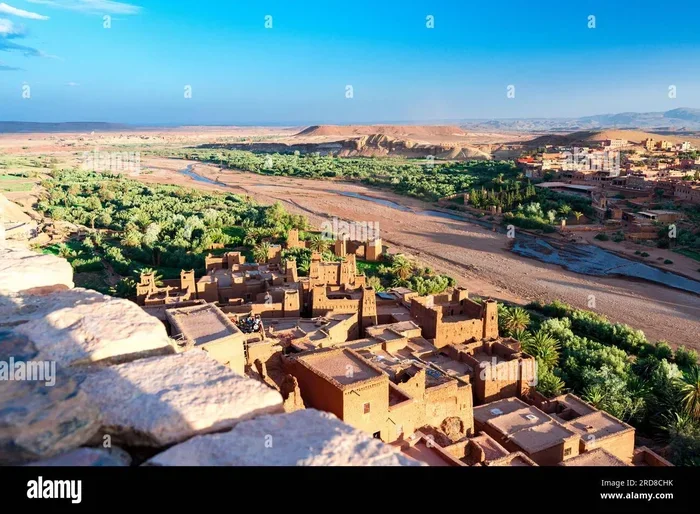
Featured image for Ait Ben Haddou Morocco landscape
Image source: c8.alamy.com
An 8-day excursion from Marrakech to Ait Ben Haddou is one of Morocco’s most epic journeys, covering over 1,200 kilometers of diverse landscapes. This guided adventure takes you through the Atlas Mountains, Sahara Desert, and UNESCO World Heritage sites. Travelers experience camel rides, Berber villages, and stunning kasbahs while enjoying authentic Moroccan culture and cuisine along the way.
Imagine waking up to the call to prayer echoing over ancient red sandstone walls, then riding a camel into a sea of golden sand dunes as the sun sets behind you. That is exactly what an 8-day excursion from Marrakech to Ait Ben Haddou promises. It is not just a trip. It is a deep dive into the heart of Morocco, where every day brings a new landscape, a new story, and a new flavor.
This journey is designed for travelers who want to see more than just the famous souks of Marrakech. It is for those who crave the open road, dramatic scenery, and authentic encounters with Berber culture. Over eight unforgettable days, you will travel from the bustling medinas of the imperial city to the silent, star-filled skies of the Sahara Desert.
What makes this particular route so special? It connects the most iconic destinations in southern Morocco into one seamless adventure. You will walk through film-famous kasbahs, hike along dramatic river gorges, and share mint tea with nomadic families. Think of it as Morocco’s greatest hits album, with each track more captivating than the last.
Key Takeaways
- Comprehensive Route: The 8-day tour covers Marrakech, Ait Ben Haddou, Ouarzazate, Todra Gorge, Merzouga Sahara, and back through the Draa Valley.
- Diverse Landscapes: You will cross the High Atlas Mountains, visit lush oases, and sleep under the stars in the Sahara Desert.
- Cultural Immersion: The journey includes authentic Berber experiences, traditional music performances, and visits to ancient kasbahs.
- Adventure Activities: Camel trekking, 4×4 desert excursions, and hiking through stunning gorges are core highlights.
- UNESCO Heritage: Ait Ben Haddou and other fortified villages are recognized as World Heritage Sites for their historical importance.
- Best Travel Season: October through April offers the most comfortable weather for desert and mountain travel.
- Budget Considerations: Prices typically range from $800 to $1,500 per person, including accommodation, transport, and most meals.
📑 Table of Contents
- Who Should Take This Excursion and Why It Matters
- What You Will See: The Complete Itinerary Breakdown
- Where to Stay: Accommodation Options Along the Route
- When to Go: Best Seasons for the Excursion
- Why This Excursion Is a Cultural Deep Dive
- How to Prepare: Practical Tips for the Journey
- Conclusion: The Journey That Stays With You
Who Should Take This Excursion and Why It Matters
An 8-day excursion from Marrakech to Ait Ben Haddou is perfect for a wide range of travelers. It suits solo backpackers looking for adventure, couples seeking a romantic getaway, and families wanting an educational experience. The route offers something for everyone, from history buffs to photography enthusiasts.
The Travelers Who Love This Route
First-time visitors to Morocco often choose this itinerary because it covers the essential highlights in one well-organized package. The pace is balanced, giving you enough time to explore without feeling rushed. Photography lovers will find endless inspiration, from the blue streets of Chefchaouen to the orange dunes of Erg Chebbi.
Did You Know? Ait Ben Haddou has appeared in over 20 Hollywood films, including Gladiator, Lawrence of Arabia, and Game of Thrones. This makes it one of the most filmed locations in the world.
Culture seekers will appreciate the deep connections to Berber heritage. The Berbers, also known as Amazigh, are the indigenous people of North Africa and have lived in these mountains and deserts for thousands of years. Their language, art, and traditions remain strong throughout the journey.
Why an 8-Day Duration Is Ideal
You might wonder why this trip takes eight days instead of just three or four. The answer lies in the geography. Morocco’s southern region is vast, and the distances between attractions can be long. Driving from Marrakech to Merzouga alone takes about 9 hours, spread over two days with stops.
An 8-day itinerary allows you to break up the travel with meaningful stops. You get to experience sunrise in the Sahara, not just see a photo of it. You can spend an afternoon exploring Todra Gorge rather than just driving past it. Time is the most valuable ingredient in any great adventure.
What You Will See: The Complete Itinerary Breakdown
The beauty of an 8-day excursion lies in its variety. Each day introduces a new environment, a new climate, and a new chapter of Moroccan life. Here is a detailed look at what you can expect.
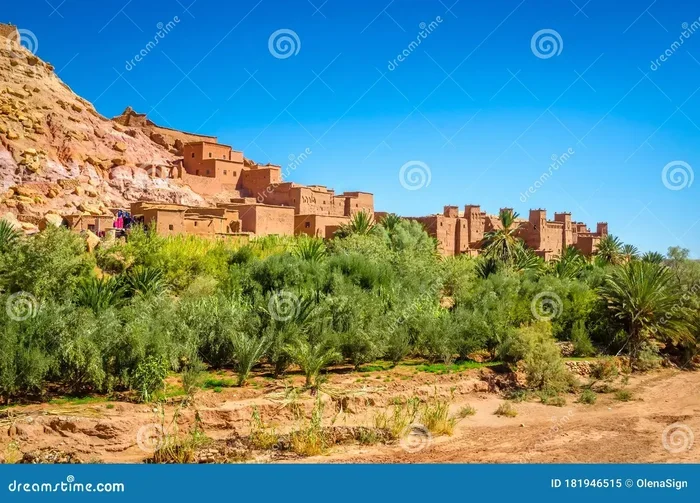
Visual guide about Ait Ben Haddou Morocco landscape
Image source: thumbs.dreamstime.com
Day 1 and 2: The High Atlas Mountains and Ait Ben Haddou
Your adventure begins in Marrakech, where you will meet your guide and driver. The first major stop is the Tizi n’Tichka Pass, which sits at 2,260 meters above sea level. Think of it as the roof of the Atlas Mountains, where the air is cooler and the views stretch for miles in every direction.
As you descend from the pass, you arrive at Ait Ben Haddou, a UNESCO World Heritage Site since 1987. This fortified village, or ksar, is a collection of clay buildings stacked along a hillside. Walking through it feels like stepping onto a movie set, because in many ways, you actually are.
Day 3 and 4: Ouarzazate and the Valley of the Roses
From Ait Ben Haddou, many itineraries continue to Ouarzazate, known as the “Gateway to the Sahara.” This city is famous for its film studios, where movies like The Mummy and Kingdom of Heaven were shot. You can visit Atlas Studios and see how desert scenes are created.
Did You Know? Ouarzazate gets its name from the Berber phrase “without noise,” describing its quiet desert location.
The journey then winds through the Valley of the Roses, where locals produce rose water and cosmetics from the damask rose. In spring, the valley is blanketed in pink blooms. Even outside of season, the scent of rose products fills the small cooperatives you can visit.
Day 5 and 6: Todra Gorge and the Sahara Desert
Todra Gorge is one of Morocco’s most spectacular natural wonders. The canyon walls rise 400 meters high, and in some places, they narrow to just 10 meters apart. It is like the earth itself is giving you a tight, dramatic hug. Many travelers enjoy a short hike through the gorge, wading through shallow streams and scrambling over rocks.
From Todra, the road leads east toward Merzouga, home to the famous Erg Chebbi dunes. These are some of the largest sand dunes in Morocco, reaching heights of 150 meters. Here, you will switch from your air-conditioned vehicle to the traditional mode of desert transport: a camel.
The camel trek to your desert camp takes about 1.5 hours. It feels slow and gentle, like floating across an ocean of sand. At the camp, you will enjoy a traditional dinner, listen to Berber drumming around a campfire, and sleep in a nomad-style tent under stars that seem close enough to touch.
Day 7 and 8: The Draa Valley and Return to Marrakech
The return journey takes you through the Draa Valley, Morocco’s longest river valley. It is lined with date palms, ancient kasbahs, and traditional villages. This is a great place to see rural Moroccan life, where people still live much as their ancestors did centuries ago.
On the final day, you will travel back through the Atlas Mountains to Marrakech. The drive offers one last chance to reflect on the journey and snap photos of the stunning landscapes you have crossed.
Where to Stay: Accommodation Options Along the Route
Accommodation is a key part of any great excursion, and this route offers a wonderful variety. From luxury riads to desert camps, you will experience several types of Moroccan hospitality.
Traditional Riads and Kasbahs
In towns like Ouarzazate and the Dades Valley, you will often stay in converted kasbahs or traditional riads. These are buildings with interior gardens or courtyards, designed to offer peace and privacy. Rooms are often decorated with intricate tilework called zellige, hand-carved plaster, and colorful textiles.
A simple way to understand a riad is to think of it as a beautiful hidden treasure. From the outside, the walls look plain and closed off. But step inside, and you find a lush courtyard with a fountain, orange trees, and birdsong. It is the Moroccan version of a peaceful secret garden.
Desert Camps in the Sahara
Spending a night in the Sahara is the highlight of many travelers’ trips. Most tours offer two types of camps: standard and luxury. Standard camps provide comfortable tents with shared bathrooms, while luxury camps offer private tents with en-suite bathrooms and even hot showers.
Did You Know? The Sahara Desert covers an area larger than the continental United States, yet only about 20% of it is sand dunes. The rest is gravel plains, mountains, and rocky plateaus.
Regardless of the level, the experience of sleeping under the desert sky is unforgettable. With no light pollution, the stars shine with incredible clarity. Many travelers say this is the best stargazing they have ever experienced.
When to Go: Best Seasons for the Excursion
Timing your trip correctly can make a huge difference in your comfort and enjoyment. Morocco’s climate varies greatly by region, but the southern desert and mountain areas share similar weather patterns.
The Ideal Months: October to April
The best time for an 8-day excursion is during the cooler months, from October through April. During this period, daytime temperatures in the desert are pleasant, ranging from 20°C to 28°C. Nights can be cold, especially in the Sahara, dropping to around 5°C to 10°C. Bring warm layers for early morning desert departures.
The Atlas Mountains can be even colder, and snow is possible at high passes during winter. However, snow-capped peaks make for stunning photos, and the mountain scenery is at its most dramatic.
Months to Avoid: June to August
Summer in the Sahara is extremely hot, with temperatures regularly exceeding 45°C. This makes outdoor activities uncomfortable and potentially dangerous. Most tour operators advise against booking desert excursions during peak summer months.
Spring (March to May) and autumn (September to November) are particularly beautiful. In spring, the valleys are green and flowers are in bloom. In autumn, the light is softer and the crowds are smaller, making for a more relaxed experience.
Why This Excursion Is a Cultural Deep Dive
Beyond the scenery, what truly sets this trip apart is the cultural immersion. You will not just observe Moroccan life; you will participate in it.
Berber Traditions and Hospitality
The Berber people are known throughout Morocco for their warm hospitality. When you visit a Berber family, you will likely be offered mint tea, served in an elaborate ritual. The host pours the tea from a height to create foam on top, and it is considered polite to drink at least one cup.
Think of mint tea as the social glue of Morocco. It is offered at celebrations, business meetings, and casual encounters. Drinking it together is a sign of friendship and respect, much like a handshake in Western cultures.
Music, Dance, and Storytelling
Evenings in the desert often feature traditional Berber music. The performers use drums called tambourines, string instruments, and rhythmic chanting. Each region has its own style, and the music often tells stories of love, migration, and ancient battles.
Some tours include visits to Gnawa music performances in places like Essaouira or local cooperatives. Gnawa music has roots in sub-Saharan Africa and was brought to Morocco by enslaved people. It is now recognized by UNESCO as part of humanity’s intangible cultural heritage.
Local Crafts and Souks
Throughout the journey, you will have opportunities to buy handmade crafts directly from artisans. Berber rugs are particularly famous, with each tribe having its own patterns and symbols. These rugs are not just decorations. They tell stories, mark life events, and are passed down through generations.
When shopping for rugs or other crafts, remember that bargaining is expected and part of the fun. Start at about half the asking price and negotiate from there with a smile. The process is a conversation, not a confrontation.
How to Prepare: Practical Tips for the Journey
Good preparation can transform a great trip into a perfect one. Here are some practical tips to help you get ready for your 8-day adventure.
What to Pack
Pack light but smart. You will be moving between different accommodations, so a soft-sided bag is easier to handle than a hard suitcase. Bring layers, as temperatures can vary dramatically between day and night, and between the mountains and the desert.
Essential items include comfortable walking shoes, a scarf or shemagh for sand and sun protection, sunscreen, a hat, sunglasses, and a reusable water bottle. A small flashlight is useful for the desert camp, and a power bank will keep your phone charged during long drives.
Health and Safety
Morocco is generally safe for tourists, but standard precautions apply. Drink bottled water rather than tap water to avoid stomach issues. Bring any personal medications you might need, as pharmacies in remote areas may have limited supplies.
Travel insurance is highly recommended, especially one that covers desert activities like camel trekking and hiking. Make sure your policy includes emergency medical evacuation, just in case.
Budgeting and Money
The Moroccan currency is the dirham (MAD). Credit cards are accepted in larger hotels and restaurants, but cash is king in smaller towns and markets. ATMs are widely available in cities, but it is wise to carry enough cash for the entire trip, especially when heading into the desert.
Tours like this typically include accommodation, transport, breakfast, and some dinners. Budget extra for lunches, entrance fees, tips, and souvenirs. A general rule is to budget around $30 to $50 per day for personal expenses, depending on your shopping habits.
Conclusion: The Journey That Stays With You
An 8-day excursion from Marrakech to Ait Ben Haddou is more than a vacation. It is a journey through time, geography, and human experience. You will cross mountains that have stood since the dawn of the world, walk through villages that have sheltered families for centuries, and gaze at stars that have lit the desert for millennia.
By the end of the trip, you will have a deeper understanding of Morocco, not just as a destination on a map, but as a living, breathing tapestry of cultures, landscapes, and stories. You will return home with sand still in your shoes, mint tea still on your breath, and memories that warm your heart for years to come.
Whether you are planning your first trip to Morocco or returning for a deeper exploration, this 8-day itinerary offers the perfect balance of adventure, comfort, and authenticity. Book your excursion, pack your bags, and prepare for the trip of a lifetime.
Frequently Asked Questions
How much does an 8-day excursion from Marrakech to Ait Ben Haddou cost?
Prices typically range from $800 to $1,500 per person, depending on the level of accommodation and inclusions. Luxury options with private guides and premium desert camps can cost more.
Is the 8-day excursion from Marrakech to Ait Ben Haddou safe for solo travelers?
Yes, it is generally very safe. Most travelers join small group tours or hire private drivers with guides. Morocco is known for its hospitality, and solo travelers often find it easy to connect with others on the route.
What is the best time of year to take this excursion?
The best time is between October and April, when temperatures are mild and comfortable. Avoid the summer months, as desert temperatures can be dangerously high.
Do I need a visa for Morocco if I am traveling from Europe or the Americas?
Most travelers from Europe, the United States, Canada, and many other countries do not need a visa for stays under 90 days. However, requirements can change, so check with your local Moroccan consulate before traveling.
What should I wear during the excursion?
Modest, comfortable clothing is best. Light layers work well for warm days and cool nights. Women may want to carry a scarf to cover their shoulders in rural areas. Sturdy walking shoes are essential.
Can children join the 8-day excursion?
Yes, children can join, though the long drives and desert camping may be tiring for very young kids. Most operators recommend the trip for children aged 8 and up, and some offer family-friendly itineraries with shorter driving days.