A 7-day tour from Marrakech to Erg Chebbi is the most rewarding way to experience southern Morocco. This journey takes you through the Atlas Mountains, ancient kasbahs, and ends with a magical camel trek into the Sahara Desert. You’ll sleep under the stars, meet Berber communities, and discover landscapes that feel like another world—all in just one week.
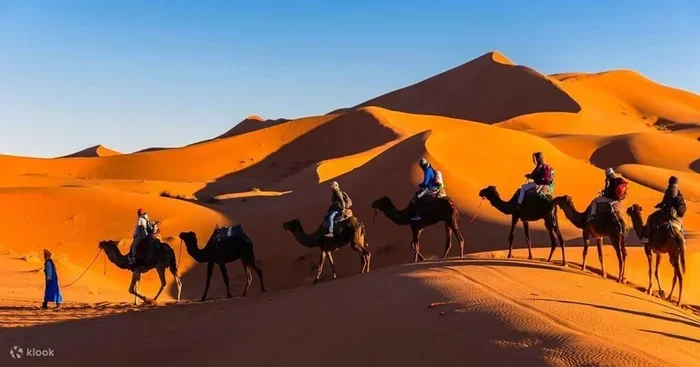
Featured image for Marrakech to Erg Chebbi desert tour
Image source: res.klook.com
Imagine this: you wake up one morning in the chaos of Marrakech’s medina, where donkey carts weave past motorbikes and the smell of fresh mint tea fills the air. Seven days later, you’re sitting on top of a camel, watching the sun melt into golden dunes that stretch as far as your eyes can see. This is the magic of a 7-day tour from Marrakech to Erg Chebbi.
Morocco’s desert routes are legendary among travelers, and the Marrakech-to-Erg Chebbi journey is considered the crown jewel. It’s a trip that blends culture, adventure, and natural beauty in ways that few other destinations can match. Whether you’re a solo backpacker, a couple seeking romance, or a family wanting an unforgettable vacation, this itinerary delivers.
In this guide, I’ll walk you through everything you need to know—what you’ll see, how to prepare, what it costs, and why this trip might just change your life. Let’s dive in.
Key Takeaways
- Duration & Route: A 7-day itinerary covers approximately 1,200 km round-trip from Marrakech to Erg Chebbi and back.
- Best Time to Go: October to April offers the most comfortable temperatures for desert travel.
- Budget Range: Expect to spend between €400-€800 per person, depending on accommodation and tour type.
- Cultural Highlights: You’ll visit UNESCO sites like Ait Ben Haddou and traditional Berber villages.
- Desert Experience: Erg Chebbi’s dunes reach up to 150 meters high—the tallest in Morocco.
- Travel Style: Options range from budget group tours to luxury private expeditions.
- Physical Demand: Moderate—suitable for most travelers, though camel rides require basic fitness.
📑 Table of Contents
- What Is a 7-Day Marrakech to Erg Chebbi Tour?
- The Classic 7-Day Itinerary: Day-by-Day Breakdown
- When to Go: Best Seasons and Weather
- How Much Does It Cost? Budget Breakdown
- What to Pack: The Essential Checklist
- Choosing the Right Tour Operator
- Cultural Etiquette: Being a Respectful Traveler
- Health, Safety, and Common Concerns
- Beyond the Basics: Add-On Experiences Worth Considering
- Why This Trip Matters: The Bigger Picture
- Final Thoughts: Is This Tour Worth It?
What Is a 7-Day Marrakech to Erg Chebbi Tour?
A 7-day tour from Marrakech to Erg Chebbi is a guided journey across southern Morocco that combines cultural sightseeing with desert adventure. Think of it like a road trip mixed with a deep cultural immersion, where every day brings something new.
The route typically moves through the High Atlas Mountains, past ancient fortified villages, through lush oases and rocky gorges, before finally reaching Erg Chebbi—home to some of the most spectacular sand dunes in the Sahara. Along the way, you’ll stop at iconic places like Ait Ben Haddou, Todra Gorge, and the Dades Valley.
Who Is This Tour For?
Honestly? Almost anyone. But it’s especially perfect for:
- First-time Morocco visitors who want to see the highlights without planning every detail themselves.
- Adventure seekers looking for camel rides, sandboarding, and starlit desert nights.
- Culture lovers who want to meet Berber families and explore kasbahs.
- Photographers chasing dramatic landscapes and authentic human moments.
If you have mobility issues, note that the camel rides and uneven desert terrain can be challenging. But tour operators can often adapt with 4×4 alternatives.
Why Choose 7 Days Instead of Shorter?
You can technically do this trip in 3 days, but you’d be rushing. The 7-day version is the sweet spot. It’s like comparing a fast food meal to a slow-cooked tagine—one fills you up, the other actually satisfies you.
Shorter tours skip the Todra and Dades valleys, rush through the Atlas Mountains, and offer only one night in the desert. The 7-day option gives you time to breathe, explore side villages, and truly connect with the landscape.
The Classic 7-Day Itinerary: Day-by-Day Breakdown
Most reputable tour companies follow a similar route, though slight variations exist. Here’s what a typical week looks like:
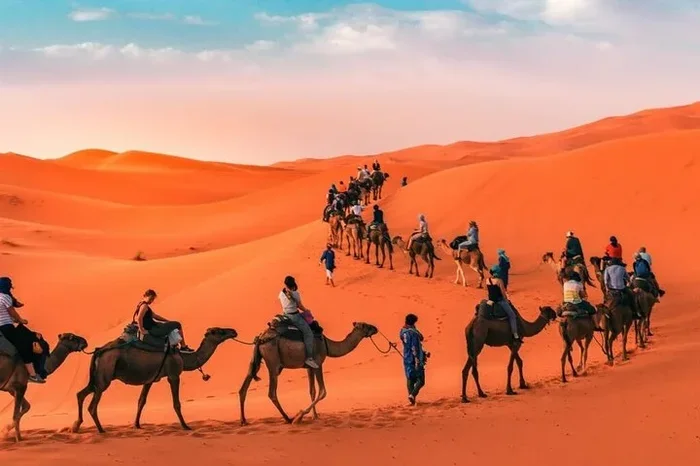
Visual guide about Marrakech to Erg Chebbi desert tour
Image source: media-cdn.tripadvisor.com
Day 1: Marrakech to Ait Ben Haddou via the Atlas Mountains
Your adventure begins early. A 4×4 or minivan picks you up from your Marrakech hotel, and you head southeast toward the Atlas Mountains. The drive itself is part of the experience—winding roads, dramatic cliffs, and Berber villages clinging to hillsides.
The first major stop is Tizi n’Tichka Pass, sitting at 2,260 meters above sea level. Did you know that the Atlas Mountains stretch across three countries—Morocco, Algeria, and Tunisia—and were formed around 65 million years ago? That’s older than the extinction of dinosaurs!
By afternoon, you reach Ait Ben Haddou, a UNESCO World Heritage Site since 1987. This ancient kasbah has appeared in Hollywood films like Gladiator, Lawrence of Arabia, and Game of Thrones. Walking through its mud-brick towers feels like stepping onto a movie set—because, literally, it is one.
You overnight in Ouarzazate, known as the “Gateway to the Sahara” and a famous filming location.
Day 2: Ouarzazate to Todra Gorge via Dades Valley
After breakfast, you travel through the “Road of a Thousand Kasbahs”—a scenic corridor dotted with old fortified structures. The Dades Valley looks like something painted by an artist: red rock cliffs, green almond trees, and tiny villages tucked into impossible corners.
By midday, you reach Todra Gorge, where limestone walls rise 400 meters straight up. Think of it as nature’s cathedral—narrow, towering, and absolutely humbling. Rock climbers love this spot, but you don’t need to climb to appreciate the scale.
Overnight in a local hotel or riad, often with a chance to swim in a natural pool.
Day 3: Todra Gorge to Merzouga (Edge of Erg Chebbi)
This is the day the desert finally calls. You drive through the town of Erfoud, famous for its fossil workshops, before arriving at Merzouga—the small village that sits at the foot of Erg Chebbi.
Here’s where the magic begins. You swap your vehicle for a camel and ride into the dunes. The camels move slowly, swaying like ships on calm seas. It’s surprisingly peaceful.
As the sun sets, the dunes turn from gold to pink to deep purple. Your Berber camp awaits—a cluster of traditional nomadic tents with carpets, cushions, and lanterns. Dinner is served under the stars, accompanied by drumming and singing.
Did You Know? Erg Chebbi’s tallest dune, known as “Lalla Takerkoust,” stands about 150 meters high and constantly shifts position with the wind. Some scientists compare dune migration to the movement of glaciers—just much faster!
Day 4: Full Day in the Sahara Desert
Wake up before dawn if you want to see the sunrise from the top of a dune—it’s worth the early alarm. After breakfast at camp, many tours offer a full day of desert activities:
- Sandboarding down smaller dunes
- Visiting a nomadic Berber family for mint tea
- Exploring the seasonal lake of Merzouga (when it appears)
- Optional 4×4 tours to remote areas
This is your day to slow down and breathe. The silence of the Sahara is unlike anywhere else on Earth. No traffic, no notifications, just wind and stars.
Overnight at the desert camp or a luxury desert lodge, depending on your package.
Day 5: Merzouga to Draa Valley via Alnif and N’kob
After saying goodbye to the dunes, you head west through a different landscape—volcanic black rocks, acacia trees, and the long Draa Valley. This valley is home to Morocco’s longest river and is lined with countless palm groves.
You’ll pass through small towns like Alnif, famous for trilobite fossils, and N’kob, known for its 45 mud-brick kasbahs. This is the authentic Morocco that most tourists never see.
Overnight in a traditional kasbah hotel or riad.
Day 6: Draa Valley to Ouarzazate via Agdz
You continue through the Draa Valley, stopping at Tamgroute—a village famous for its green pottery and ancient Quranic library. Then it’s back through Agdz and the scenic Anti-Atlas mountains.
Many tours add a stop at the Fint Oasis, a hidden palm grove that looks like a mirage. By evening, you’re back in Ouarzazate, where you can visit the Atlas Film Studios if interested.
Day 7: Ouarzazate to Marrakech
Your final day is a return drive over the Atlas Mountains, arriving in Marrakech by late afternoon. You’ll have time to relax, do some last-minute shopping in the souks, or simply reflect on the journey.
Most travelers say the return drive feels surprisingly fast—the mountains that seemed so impressive on Day 1 now feel like old friends.
When to Go: Best Seasons and Weather
Timing matters. The Sahara Desert has extreme temperatures, and visiting in the wrong season can make or break your trip.
The Ideal Window: October to April
The cooler months are by far the most popular for desert tours. Daytime temperatures range from 20°C to 28°C—perfect for hiking, camel rides, and exploring. Nights in the desert can drop to 5°C to 10°C, so pack layers.
December and January bring cold desert nights but clear, crisp skies. February is peak season because of the warmer days and minimal rain.
What About Summer?
Summer (June to August) sees temperatures climb above 45°C during the day. Sand can become too hot for barefoot walking, and camel rides become uncomfortable. Some budget operators offer discounted summer tours, but most experienced travelers avoid this period.
Spring and Autumn Sweet Spots
March-April and October-November offer the best balance: warm days, cool nights, and blooming landscapes in some valleys. Did You Know? Marrakech has averaged over 300 sunny days per year for the past decade, making it one of the sunniest cities on Earth?
How Much Does It Cost? Budget Breakdown
Prices vary widely based on tour style, group size, and accommodation choices. Here’s a realistic breakdown:
Budget Group Tours (€400-€550 per person)
These typically include:
- Shared 4×4 or minivan transport
- 6 nights in mid-range hotels/riads
- 1 night in a standard desert camp
- Breakfast and dinner daily
- Camel trek to the camp
You’re grouped with other travelers (usually 8-12 people), which keeps costs down. The trade-off is less flexibility on timing and stops.
Mid-Range Private Tours (€600-€900 per person)
This is the sweet spot for couples and small families. You get:
- Private vehicle and driver-guide
- Choice of hotel categories (3-4 stars)
- Upgradeable desert camp options
- More flexible itinerary
Luxury Tours (€1,000+ per person)
Think private guides, 5-star riads, luxury desert camps with private bathrooms, and even hot air balloon rides. These tours often include extras like cooking classes and private cultural experiences.
What’s NOT Included?
Most tours don’t cover:
- Lunch (usually €5-€10 per meal)
- Drinks and tips
- Entry fees to certain monuments
- Personal expenses and souvenirs
Always read the fine print. A €400 tour that excludes half the meals isn’t really a €400 tour.
What to Pack: The Essential Checklist
Packing smart makes the difference between enjoying your journey and struggling through it. Here’s what experienced Morocco travelers swear by:
Clothing
- Light layers: Days can be warm, nights surprisingly cold.
- Scarf or shemagh: Protects from sun and sand during camel rides.
- Modest clothing: Respectful of local culture, especially in villages.
- Comfortable shoes: For walking on sand and rocky terrain.
- Socks: Sand gets everywhere—closed shoes help.
Gear and Practical Items
- Sunscreen (SPF 50+)
- Sunglasses with UV protection
- Headlamp for the desert camp
- Reusable water bottle
- Power bank (sockets can be limited)
- Camera with extra batteries
Health and Comfort
- Lip balm (desert air is dry)
- Hand sanitizer and wet wipes
- Basic first aid kit
- Motion sickness pills (winding mountain roads)
- Any personal medications
Pro Tip: Leave room in your suitcase for souvenirs. Moroccan rugs, ceramics, and argan oil are popular buys, and you’ll find the best prices in the smaller villages along your route.
Choosing the Right Tour Operator
The success of your trip depends heavily on who you book with. Morocco has thousands of tour companies, ranging from excellent to outright scam artists.
Red Flags to Avoid
- Prices that seem too good to be true
- No reviews on independent platforms like TripAdvisor or Google
- Pressure to pay everything upfront via wire transfer
- No clear cancellation policy
- Operators who avoid answering specific questions
Green Flags That Indicate Quality
- Detailed written itineraries
- Responsive communication before booking
- Licensed guides with official badges
- Transparent pricing with itemized breakdowns
- Positive reviews mentioning specific guides by name
Booking Platforms Worth Considering
Reputable platforms like GetYourGuide, Viator, and TourRadar offer customer protection. Local operators like Marrakech Desert Trips, Sahara Discovery, and Authentic Morocco Tours also have strong reputations. Always cross-check reviews on at least two platforms before committing.
If you have friends who’ve done the trip, ask for recommendations. Word of mouth remains the gold standard in Morocco’s tour industry.
Cultural Etiquette: Being a Respectful Traveler
Morocco is a Muslim country with deep traditions. A little cultural awareness goes a long way toward making your trip smoother and more meaningful.
Dress Code
Cover shoulders and knees in conservative areas. In the desert camps, dress codes are more relaxed, but cities and villages appreciate modest clothing. Women don’t need to cover their hair, except when entering mosques.
Photography Etiquette
Always ask before photographing people, especially in Berber villages. Many locals will happily pose for a small tip. Never photograph military installations, police, or government buildings.
Tipping Customs
Tipping isn’t mandatory but is appreciated. Common amounts:
- Driver-guide: €3-€5 per day
- Restaurant staff: 10% of bill
- Camel handlers: €5-€10 total
- Hotel staff: €1-€2 per bag
Ramadan Considerations
If you travel during Ramadan, be respectful of fasting hours. Eating in public during daylight can offend locals. Many tours adjust schedules accordingly.
Did You Know? Moroccan hospitality is considered sacred. The tradition of offering mint tea to guests dates back over 1,000 years and is rooted in Berber and Arab customs. Refusing tea can be seen as rude—always accept at least a sip.
Health, Safety, and Common Concerns
Let’s address the worries that often hold travelers back.
Is Morocco Safe for Tourists?
Generally, yes. Southern Morocco is particularly safe. Petty crime (like pickpocketing) is more common in Marrakech’s medina than in desert regions. Tourists rarely encounter serious issues. The Moroccan government heavily invests in tourism safety.
What About the Sahara?
The desert is physically demanding but not dangerous if you follow guide instructions. Stay hydrated, wear sun protection, and don’t wander off alone. Camel rides are safe—the animals are well-trained and handlers are experienced.
Food and Water Safety
Stick to bottled water. Avoid ice cubes in drinks outside reputable restaurants. Street food is generally safe if it’s freshly cooked and hot. Tagines and couscous are usually fine because they’re cooked thoroughly.
Vaccinations and Health Prep
Most travelers don’t need special vaccinations beyond routine ones. Hepatitis A and typhoid are sometimes recommended. Consult your doctor 4-6 weeks before travel.
Connectivity and Internet
Morocco has good mobile coverage. Most tours provide WiFi in hotels, though desert camps may have limited or no connectivity. Consider this a digital detox bonus!
Beyond the Basics: Add-On Experiences Worth Considering
If you want to enhance your trip, several optional activities add depth to the experience:
Hot Air Balloon Over Marrakech
Available on Day 1 or Day 7, this sunrise flight offers bird’s-eye views of the city and Atlas Mountains. Prices range from €150-€200 per person.
Berber Cooking Classes
Many riads offer half-day cooking workshops where you learn to prepare traditional dishes like tagine and couscous. Great for foodies and cultural enthusiasts.
Quad Biking in the Desert
Skip the camel ride entirely (or do both!) and explore the dunes on a quad bike. Most desert camps offer 1-2 hour excursions for €30-€50.
Traditional Hammam Experience
Relax tired muscles with a Moroccan steam bath. Marrakech has excellent hammams, from local-style to luxury spa versions.
Stargazing and Astronomy Tours
The Sahara has some of the clearest night skies on Earth. Some operators offer astronomy-focused nights with telescopes and constellation guides.
Why This Trip Matters: The Bigger Picture
Beyond the photos and Instagram moments, this journey changes something in you. You return home with a different sense of time, of space, of human connection.
You learn that hospitality is a way of life, that strangers will invite you into their homes, that the desert teaches patience and silence. You realize how much of the world still operates outside of rush hours and deadlines.
For many travelers, this trip becomes a turning point—a reminder that life can be simpler, slower, and more beautiful than we’d allowed ourselves to believe.
Final Thoughts: Is This Tour Worth It?
Absolutely, yes. If you have seven days and a sense of adventure, this is one of the most rewarding trips you can take.
Yes, the roads are long. Yes, the desert is far. But that’s part of the journey. The discomfort is what makes the stars feel closer, the tea taste sweeter, and the silence feel profound.
So book that tour. Pack that scarf. And get ready to meet a Morocco that most travelers only dream about.
Your Sahara adventure is waiting.
Frequently Asked Questions
How much does a 7-day tour from Marrakech to Erg Chebbi cost?
Prices range from €400 to €900 per person depending on tour style. Budget group tours start around €400, mid-range private tours average €600-€800, and luxury experiences exceed €1,000. Most packages include accommodation, transport, most meals, and a camel trek.
What is the best time of year to visit Erg Chebbi?
The best months are October through April, when daytime temperatures are pleasant (20-28°C) and nights are cool but manageable. Avoid June through August due to extreme desert heat that can exceed 45°C. February is particularly popular.
Is the camel ride to Erg Chebbi difficult?
The ride is moderately easy. Camels walk slowly and the trek usually lasts 1-2 hours to reach the camp. You’ll need to mount and dismount, which requires basic balance. Most people of average fitness handle it well, though those with back issues should consider 4×4 alternatives.
What should I wear during the desert tour?
Pack light, breathable layers for daytime and warmer clothes for cold desert nights. A scarf protects against sun and sand. Modest clothing is respectful in villages. Comfortable closed-toe shoes are essential for walking on sand and rocky terrain.
Are children suitable for this 7-day tour?
Yes, children aged 6 and above usually enjoy this trip. The long drives can be tiring for younger kids, but camel rides and desert nights often delight them. Many operators offer family-friendly itineraries with shorter driving days and engaging activities.
Can I do this tour independently without a guide?
While possible, it’s challenging. Driving yourself requires a 4×4, careful route planning, and desert navigation experience. Guided tours provide local knowledge, language help, cultural insights, and handle logistics like camel arrangements and camp bookings. First-time visitors benefit greatly from guides.