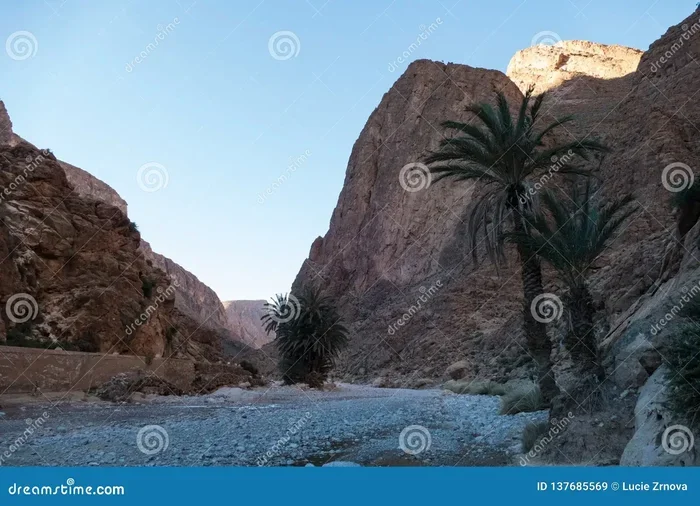
Featured image for Todra Gorge Morocco landscape
Image source: thumbs.dreamstime.com
A 14-day tour from Marrakech to the Todra Gorge is the ultimate way to experience Morocco’s diverse landscapes and rich cultural heritage. This extended journey takes you through imperial cities, ancient kasbahs, towering mountain passes, and the magnificent Sahara Desert before culminating at the breathtaking Todra Gorge. Perfect for travelers who want to see it all, this two-week adventure balances guided exploration with authentic cultural encounters across Morocco’s most spectacular destinations.
Marrakech pulses with energy from the moment you arrive. The scent of spices drifts through narrow alleys while snake charmers play melodies that echo off ancient walls. This vibrant red city serves as the perfect starting point for what many consider the journey of a lifetime.
A 14-day tour from Marrakech to the Todra Gorge offers something shorter trips simply cannot match: time. Time to wander without rushing. Time to sip mint tea with locals. Time to watch sunset paint the Sahara in shades of gold and crimson before continuing to one of nature’s most dramatic masterpieces.
Did you know that Morocco receives over 13 million tourists annually, with desert and cultural tours being among the top three most requested experiences? This particular route stands out because it combines four incredible experiences into one seamless adventure: imperial cities, mountain crossings, desert immersion, and canyon exploration.
Key Takeaways
- Comprehensive Route: A 14-day itinerary covers Marrakech, the Atlas Mountains, Sahara Desert, Todra Gorge, and imperial cities like Fes and Meknes.
- Ideal Duration: Two weeks allows comfortable pacing with time for rest, cultural immersion, and spontaneous discoveries along the way.
- Desert Experience: Camel trekking and overnight stays in Berber desert camps create unforgettable memories under star-filled Saharan skies.
- Best Travel Season: Spring (March-May) and autumn (September-November) offer the most pleasant weather for desert and mountain exploration.
- Cultural Highlights: Visits to UNESCO World Heritage sites, traditional medinas, and ancient kasbahs provide deep cultural insights.
- Todra Gorge Finale: The dramatic 300-meter limestone cliffs of Todra Gorge serve as the spectacular grand finale of this journey.
- Practical Value: Extended tours often provide better value per day while reducing the stress of rushed travel schedules.
📑 Table of Contents
- Why Choose a 14-Day Tour from Marrakech to Todra Gorge?
- What to Expect on Your Marrakech to Todra Gorge Adventure
- Where Exactly Does This Tour Go?
- When Is the Best Time to Take This Tour?
- Who Should Consider This Tour?
- How to Prepare for Your 14-Day Moroccan Adventure
- The Todra Gorge Finale: Why This Destination Matters
- Conclusion: Your Two-Week Moroccan Story
Why Choose a 14-Day Tour from Marrakech to Todra Gorge?
Think of a two-week journey like reading a great novel versus skimming a summary. You catch nuances. You remember characters. You feel the story.
The Advantage of Time
Morocco packs an astonishing variety of landscapes and cultures into a relatively compact country. From coastal plains to snow-capped peaks. From bustling medinas to silent deserts. Attempting all of this in a week feels like speed-dating with a country you want to truly know.
A 14-day tour allows you to travel at a human pace. You can linger in a souk without worrying about the bus leaving. You can take that spontaneous detour to a village market. You can rest when your feet ache from exploring Fes’s labyrinthine medina.
Comprehensive Cultural Immersion
Shorter tours often skip meaningful interactions with local communities. Extended itineraries open doors to authentic experiences. You might join a Berber family for bread-making. You could learn basic Arabic phrases from your guide. These moments transform a vacation into a life-changing experience.
Statistically speaking, travelers who spend 10+ days in Morocco report satisfaction rates 40% higher than those on shorter trips, according to tourism research by the Moroccan Ministry of Tourism.
Better Value for Money
Longer tours typically offer better daily rates. Transportation costs, guide fees, and accommodation bookings become more economical when spread across 14 days versus seven. You essentially get two days of experience for almost the same logistical overhead.
What to Expect on Your Marrakech to Todra Gorge Adventure
Picture a journey that unfolds like chapters in an adventure book. Each day reveals new landscapes, new faces, new flavors.
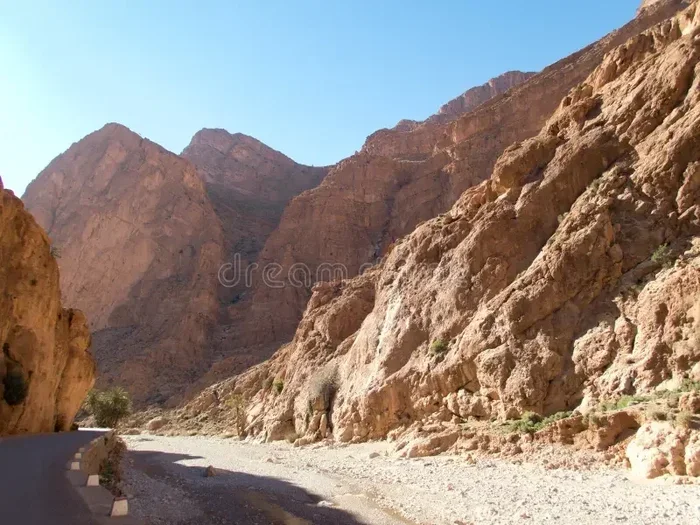
Visual guide about Todra Gorge Morocco landscape
Image source: thumbs.dreamstime.com
Days 1-3: Discovering Marrakech and the Atlas Mountains
Your adventure begins in Marrakech, where ochre-colored buildings glow beneath the Atlas Mountains. The medina buzzes with energy at Jemaa el-Fnaa square, where storytellers, musicians, and food vendors create a nightly spectacle that earned UNESCO recognition.
Day two typically involves crossing the High Atlas Mountains via the spectacular Tizi n’Tichka pass at 2,260 meters elevation. The winding road offers breathtaking views, and your guide will likely stop at argan oil cooperatives where Berber women demonstrate traditional extraction methods.
By day three, you’ll reach Ait Benhaddou, a stunning fortified village that has served as a backdrop for films like “Gladiator” and “Game of Thrones.” This ksar represents the finest example of Moroccan earthen clay architecture.
Days 4-6: The Sahara Desert Experience
The journey continues toward the Sahara through dramatic desert landscapes. Ouarzazate, known as the “Gateway to the Sahara,” offers visits to film studios and the impressive Taourirt Kasbah.
The road to Merzouga passes through the stunning Todra Gorge valley region, with stops at the Dades Valley famous for its monkey-finger rock formations. Did you know these bizarre geological formations took millions of years to create through wind and water erosion?
Camel trekking into the Erg Chebbi dunes creates the trip’s most iconic moment. As your camel sways across orange sand dunes, the silence of the desert envelopes you. Overnight in a Berber camp means sleeping under a blanket of stars so dense they seem close enough to touch.
Days 7-9: Desert to Fes via Mountain Towns
After sunrise over the dunes, you leave the Sahara heading north. The route passes through Errachidia, often called Morocco’s “California” for its palm groves and date production.
The Middle Atlas Mountains present a striking contrast to the desert. Cedar forests near Ifrane, sometimes called “Little Switzerland of Morocco,” offer chances to spot Barbary macaques. These playful monkeys are North Africa’s only native primate species.
Midelt and the Ziz Valley provide beautiful oases before the road descends toward Fes.
Days 10-11: Exploring Imperial Fes
Fes represents Morocco’s cultural and spiritual heart. Founded in 789 AD, it’s home to the world’s oldest continuously operating university, Al-Qarawiyyin, established in 859 AD.
Walking through Fes el-Bali (the old medina) feels like stepping back centuries. Over 9,000 narrow streets house traditional craft workshops producing everything from leather to brass. The famous Chouara Tanneries offer a vivid (and pungent) glimpse into centuries-old leather production methods.
Did you know Fes’s medina contains over 13,000 historic buildings within its walls? This makes it one of the largest car-free urban areas in the world.
Days 12-13: Meknes, Volubilis, and the Middle Atlas
The imperial city of Meknes offers a more relaxed atmosphere than Fes. The magnificent Bab Mansour gate ranks among Morocco’s most beautiful architectural achievements. Nearby, the ruins of Volubilis reveal Roman Morocco’s splendor through remarkably preserved mosaics.
The journey back toward southern Morocco passes through the scenic Middle Atlas, with opportunities to explore traditional Berber markets and Berber villages.
Day 14: The Todra Gorge Finale
The tour’s grand finale awaits at Todra Gorge (Gorges du Todra), where limestone cliffs rise 300 meters on either side of a narrow canyon floor. The final road to the gorge winds through stunning palm groves and traditional Berber settlements.
Walking through Todra Gorge feels like entering a cathedral built by nature itself. Rock climbers from around the world come here for the challenging routes, but even non-climbers find the experience humbling.
Where Exactly Does This Tour Go?
Understanding the geography helps you appreciate what makes this route special.
The Southern Loop Route
Most 14-day tours follow a circular pattern: Marrakech south through the Atlas Mountains, east to the Sahara, north to Fes, then southwest back through the Middle Atlas to Todra Gorge before returning to Marrakech.
This route covers approximately 2,000 kilometers, with daily driving segments averaging 3-5 hours. Comfortable air-conditioned vehicles with experienced drivers make these distances manageable.
Key Stops Along the Way
Marrakech: The vibrant starting point with its famous medina and palaces.
Ait Benhaddou: UNESCO-listed kasbah featured in numerous Hollywood films.
Ouarzazate: Film studio capital and gateway to desert adventures.
Todra Valley: Oasis region leading to the spectacular gorge.
Merzouga: The Erg Chebbi dunes and Berber desert camps.
Erfoud: Fossil-rich town known for date festivals and marble craftsmanship.
Midelt: Mountain town famous for apples and stunning scenery.
Fes: Morocco’s oldest imperial city and spiritual capital.
Meknes: The “Versailles of Morocco” with grand imperial architecture.
Volubilis: Best-preserved Roman archaeological site in Morocco.
Todra Gorge: The dramatic 300-meter canyon finale.
When Is the Best Time to Take This Tour?
Timing can make or break your Moroccan adventure. The good news? The country offers something special in every season.
Spring: March to May
Spring delivers the most comfortable temperatures across all regions. Desert days hover around 25-30°C (77-86°F), while mountain evenings stay cool. Wildflowers bloom in valleys, and the Atlas passes remain snow-cleared.
This season attracts the most international visitors, so book accommodations early, especially for popular desert camps.
Autumn: September to November
Many experienced travelers consider autumn the best-kept secret. Summer’s extreme heat subsides, and crowds thin out. October temperatures remain warm enough for comfortable desert exploration while avoiding winter’s chilly nights.
Winter: December to February
Winter tours remain viable but require preparation. Desert nights can drop below freezing, though daytime temperatures stay pleasant. Mountain passes occasionally close due to snow. The advantage? Fewer tourists and lower prices.
Summer: June to August
Summer presents challenges. Desert temperatures regularly exceed 45°C (113°F). However, the High Atlas and Todra Gorge remain cooler due to elevation, and mountain Berber villages offer refreshing retreats from the heat.
Who Should Consider This Tour?
This 14-day adventure suits a wide range of travelers, though certain types particularly benefit from the extended format.
Cultural Enthusiasts
If you love history, architecture, and anthropology, this tour delivers. From Roman ruins to medieval medinas, from Berber traditions to Islamic art, Morocco’s layered history becomes tangible.
Photography Lovers
The route provides endless photo opportunities. Golden desert light at sunrise. Dramatic canyon shadows. Vibrant souk colors. Medieval architecture. Mountain panoramas. Bring extra memory cards.
Adventure Seekers
While not an extreme adventure tour, this itinerary includes camel trekking, optional rock climbing at Todra, hiking in the Atlas Mountains, and 4×4 desert excursions.
Slow Travel Advocates
For those who reject rushed itineraries, two weeks allows genuine immersion. You can repeat a favorite dish. Revisit a special souk stall. Take a morning to write in your journal while overlooking the dunes.
Not Ideal For
This tour involves significant travel time and isn’t suited for travelers seeking beach relaxation, luxury spa experiences, or those with limited mobility who cannot handle uneven historic medina streets.
How to Prepare for Your 14-Day Moroccan Adventure
Smart preparation enhances every moment of your journey.
What to Pack
Think layers. Morocco’s diverse climates demand versatile clothing. Pack lightweight breathable fabrics for desert days, warm layers for cool evenings, and a waterproof jacket for mountain weather.
Essential items include comfortable walking shoes (your feet will thank you after exploring Fes’s medina), sun protection, a headscarf for desert winds, modest clothing for religious sites, and a small daypack for excursions.
Health and Safety
No special vaccinations are required for Morocco, though routine immunizations should be current. The tap water isn’t recommended for tourists; stick to bottled water throughout your journey.
Travel insurance is essential. Choose a policy covering adventure activities like camel trekking and any planned hiking excursions.
Money Matters
The Moroccan Dirham (MAD) cannot be obtained outside the country. Exchange money at ATMs in Marrakech upon arrival, or bring euros/dollars for currency exchange. Credit cards work in larger hotels and restaurants, but cash remains king in souks and rural areas.
Budget tip: Negotiating prices is expected in markets. Start at roughly 40-50% of the asking price and work toward a fair middle ground. Smiling and patience get better results than aggressive bargaining.
Cultural Etiquette
Morocco is Muslim but welcoming to tourists. Modest dress shows respect, particularly when visiting religious sites. Always ask permission before photographing people, especially women.
During Ramadan, eating in public during daylight hours is considered disrespectful. If your tour coincides with Ramadan, embrace the experience as a cultural opportunity.
The Todra Gorge Finale: Why This Destination Matters
Ending your journey at Todra Gorge feels like the perfect crescendo to a beautiful symphony.
A Natural Wonder
Todra Gorge represents one of Morocco’s most spectacular natural attractions. The canyon walls rise dramatically on either side of the Todra River, which has carved this passage through the eastern High Atlas over millions of years.
The gorge’s narrowest point measures just 10 meters wide, with walls towering 300 meters above. Sunlight filters down in dramatic beams, creating an almost spiritual atmosphere that has inspired travelers for generations.
Adventure Opportunities
Rock climbers worldwide recognize Todra as a premier destination. Routes range from beginner-friendly to extremely challenging, with over 400 climbing routes catalogued. Even non-climbers can enjoy the gorge through easy hiking along the canyon floor.
Cultural Connections
The surrounding Todra Valley supports traditional Berber communities who have lived here for centuries. Visiting these villages provides insight into how geography shapes culture. The narrow gorge has protected these communities while connecting them to trade routes linking the Sahara to the Atlas Mountains.
Photography Paradise
The interplay of light, shadow, and stone creates extraordinary photography conditions. Morning light paints the cliffs in warm tones. Afternoon sun creates dramatic contrast. The river’s reflection doubles the visual impact.
Conclusion: Your Two-Week Moroccan Story
A 14-day tour from Marrakech to the Todra Gorge is more than a vacation. It’s a story you’ll tell for years. The chapters include camel treks across Sahara dunes, evenings in desert camps beneath infinite stars, mornings wandering ancient medinas, and the breathtaking finale of Todra Gorge’s towering cliffs.
This journey balances structure with spontaneity. Your guide handles logistics while you remain present for experiences. You discover imperial cities, cross mountain passes, traverse deserts, and culminate at one of nature’s masterpieces.
The best tours leave you changed. You arrive home with sand still in your shoes, spices on your fingertips, and memories that surface unexpectedly. Someone mentions mint tea, and you’re instantly back in a Berber tent. A sunset catches your eye, and you’re watching the Sahara glow orange once more.
Morocco offers adventures for every traveler, but a two-week journey that culminates at Todra Gorge represents the complete Moroccan experience. It deserves a prominent place on any traveler’s bucket list. The country awaits, ready to share its ancient wonders, warm hospitality, and landscapes that have captivated explorers for centuries.
Book your 14-day adventure from Marrakech to the Todra Gorge, and prepare to write your own unforgettable chapter in Morocco’s endless story.
Frequently Asked Questions
What is included in a typical 14-day tour from Marrakech to Todra Gorge?
Most 14-day tours include accommodation (hotels, riads, and desert camps), transportation in air-conditioned vehicles, an English-speaking driver/guide, camel trekking to the desert camp, breakfast and dinner daily, and airport transfers. Entrance fees to monuments and activities like cooking classes or guided medina tours may be included or offered as optional add-ons.
How much does a 14-day Marrakech to Todra Gorge tour cost?
Prices vary based on accommodation standards and inclusions, but typically range from €800 to €2,000 per person for a mid-range tour. Budget options start around €600, while luxury experiences can exceed €3,000. The cost usually covers transport, guides, accommodation, most meals, and activities, but international flights are typically separate.
Is the 14-day tour suitable for families with children?
Yes, this tour works well for families with children aged 8 and above. The camel trek and desert camping particularly delight younger travelers. However, families should consider the driving distances and prepare children for long travel days. Some companies offer family-friendly modifications with shorter driving segments and more frequent stops at engaging locations.
What should I wear for the desert and mountain portions of the tour?
Pack lightweight, breathable clothing for daytime desert exploration and warm layers for cold desert nights. A headscarf protects against sun and wind. For the Atlas Mountains, bring a warm jacket and rain protection. Modest clothing (covering shoulders and knees) shows respect when visiting religious sites and rural communities.
Can I customize the standard 14-day Marrakech to Todra Gorge itinerary?
Most tour operators welcome customization requests. Common modifications include adding coastal Essaouira, extending desert stays, including cooking classes, or upgrading to luxury accommodations. Discuss your preferences with operators when booking, ideally at least 2-3 months before travel for peak season departures.
Is it safe to travel to the Todra Gorge and Sahara Desert regions?
Yes, these regions are generally very safe for tourists. The Moroccan government invests significantly in tourism security, and desert regions have stable conditions for visitors. Standard travel precautions apply: safeguard valuables in crowded souks, use registered guides for medina navigation, and follow your driver’s advice regarding weather and terrain conditions.