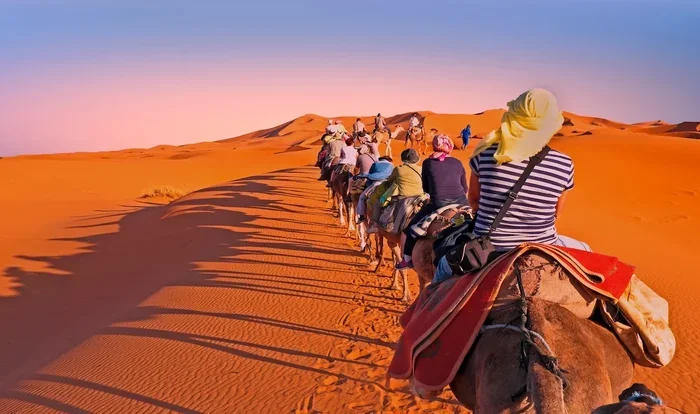
Featured image for Morocco desert tour luggage
Image source: travel-exploration.com
Planning a desert tour from Tangier to Tetouan? This comprehensive packing list covers everything you need for a safe and comfortable journey through northern Morocco. From clothing and sun protection to documents and electronics, you’ll learn exactly what to bring, what to skip, and why each item matters. Pack smart, travel light, and enjoy every moment of your Moroccan desert adventure.
Key Takeaways
- Layered Clothing is Essential: Desert temperatures swing dramatically between scorching days (95°F/35°C) and chilly nights (50°F/10°C), so pack versatile layers you can add or remove.
- Sun Protection is Non-Negotiable: The Moroccan sun is intense, with UV index often reaching 9 or higher—bring SPF 30+ sunscreen, UV-blocking sunglasses, and a wide-brimmed hat.
- Documents and Money Matter Most: Your passport, travel insurance, and Moroccan Dirham in cash are absolutely essential since remote areas have limited ATM access.
- Footwear Choice Affects Everything: Broken-in hiking shoes or sturdy sandals protect your feet from hot sand, rocky terrain, and unexpected camel rides.
- Health and Hydration Are Critical: A basic first aid kit, personal medications, and a reusable water bottle (dehydration is the #1 tourist health issue in Morocco) can save your trip.
- Electronics Need Protection: Sand and heat can destroy phones and cameras—bring protective cases, extra batteries, and dust-proof bags.
- Cultural Sensitivity in Packing: Modest clothing for visiting villages and religious sites shows respect and helps you blend in with local communities.
📑 Table of Contents
- Your Complete Tangier to Tetouan Desert Tour Packing Guide
- Understanding Your Tangier to Tetouan Desert Tour
- Essential Documents and Money: Your Travel Foundation
- Clothing and Footwear: Dressing for Desert Success
- Health, Hygiene, and Sun Protection: Staying Safe and Well
- Electronics, Gadgets, and Power: Staying Connected (or Disconnected)
- Extras That Make Your Trip Unforgettable
- What NOT to Pack: Common Mistakes to Avoid
- Final Packing Tips and Cultural Etiquette
Your Complete Tangier to Tetouan Desert Tour Packing Guide
Picture this: you’re standing at the edge of the Sahara, watching the sun paint the sand dunes gold and orange. The air smells like adventure. Your camel is ready. Everything feels perfect.
But wait—did you remember to pack enough sunscreen? Did you bring that extra layer for the freezing desert night? Is your passport safely tucked away?
If you’re planning a desert tour from Tangier through the beautiful city of Tetouan, you need to pack like a pro. This guide will walk you through every single item you need. Think of it as your packing best friend. By the end, you’ll know exactly what goes in your bag—and what stays home. Let’s dive in!
Understanding Your Tangier to Tetouan Desert Tour
Before we jump into the packing list, let’s understand what you’re actually preparing for. This isn’t just a regular vacation. A desert tour from Tangier takes you through one of the most stunning landscapes in North Africa.
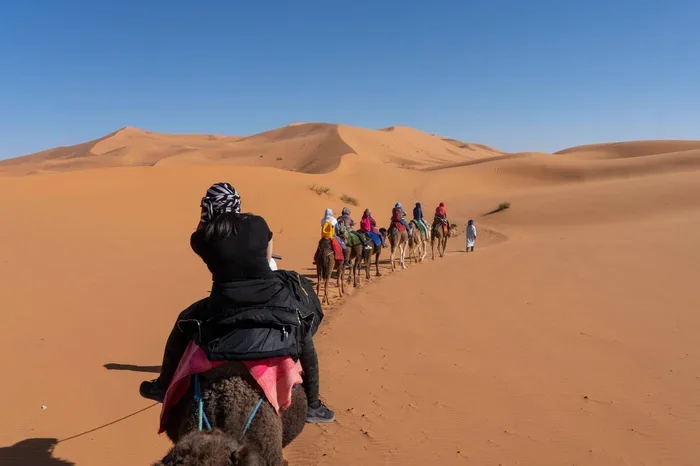
Visual guide about Morocco desert tour luggage
Image source: dangerous-business.com
What This Tour Includes
The journey starts in Tangier, a vibrant port city where the Atlantic Ocean meets the Mediterranean Sea. From there, you’ll travel south, often passing through Chefchaouen (the famous “Blue City”) and continuing through Tetouan, known for its whitewashed buildings and rich Spanish-Moorish heritage.
Many tours continue deeper into Morocco, reaching the edge of the Sahara Desert near Merzouga or Zagora. The whole experience usually lasts 3-7 days, depending on your chosen route.
Who This Tour Is For
This adventure is perfect for travelers who want to see Morocco’s incredible diversity. You’ll experience bustling medinas, mountain passes, Berber villages, and endless desert vistas. It’s ideal for adventurous souls, culture lovers, and anyone wanting to step off the typical tourist trail.
When to Go and What to Expect
The best time for this tour is between October and April, when temperatures are milder. Summer months (June-August) can be brutally hot, with desert temperatures exceeding 113°F (45°C). Spring and fall offer comfortable days and cool nights.
Did you know that the Sahara Desert covers an area roughly the size of the United States? Yes, you read that right! It’s about 3.6 million square miles of sand. Even though your tour only touches a small part of it, the experience feels equally vast and humbling.
Essential Documents and Money: Your Travel Foundation
Think of your documents as the keys to your adventure. Without them, your amazing desert tour stays just a dream. Let’s make sure you have everything ready.
Passport and Visa Requirements
Your passport is your most important item. It must be valid for at least six months beyond your travel dates. Most Western travelers can enter Morocco visa-free for up to 90 days, but always double-check current requirements for your specific nationality.
Here’s a smart tip: make two photocopies of your passport. Keep one separate from the original, and leave another with a trusted family member back home. If you lose your passport, having a copy speeds up replacement at the embassy.
Travel Insurance Information
Travel insurance isn’t just a nice-to-have—it’s essential. Medical emergencies, trip cancellations, and lost luggage happen more often than you’d think. According to the Moroccan Ministry of Tourism, over 12 million tourists visited Morocco in 2023, and insurance claims rose by 15% compared to previous years.
Print out your insurance details, including emergency phone numbers. Many desert areas have limited connectivity, so having physical copies is crucial.
Money Matters: Dirhams and Cards
The Moroccan Dirham (MAD) is the local currency, and you can’t easily get it before arriving. Bring some cash from home (US Dollars or Euros are easiest to exchange) and plan to withdraw more from ATMs in Tangier or larger cities.
Remote areas and small villages rarely accept credit cards. Budget at least 1,000-2,000 MAD (about $100-200) per day for food, tips, and souvenirs. Bring your cash in small bills—exchanging large notes can be difficult in small shops.
Pro tip: think of your wallet like a layered defense system. Keep some cash in your day bag, some in your main luggage, and a small emergency stash hidden somewhere else. Never put all your eggs in one basket!
Clothing and Footwear: Dressing for Desert Success
Packing the right clothes can make or break your desert experience. The wrong outfit leaves you sunburned, freezing, or culturally inappropriate. Let’s get it right.
The Layering Strategy
Desert weather is like a drama queen—it changes constantly. You might start the day in a t-shirt, shiver by lunchtime (in winter), and strip down to short sleeves by afternoon. Then freeze again at night!
Here’s your clothing formula:
- Base layers: 3-4 lightweight, breathable t-shirts or long-sleeved shirts
- Mid layers: A fleece jacket or warm sweater
- Outer layer: A windproof, waterproof jacket (even in summer—desert storms happen!)
- Bottoms: 2 pairs of comfortable pants (one can be zip-off hiking pants)
- Shorts: 1-2 pairs for hot days and casual moments
- Underwear and socks: Enough for your trip length (synthetic materials dry faster)
Choosing the Right Footwear
Your feet carry you across sand dunes, rocky paths, and bustling medinas. Good footwear is non-negotiable.
Pack these shoes:
- Broken-in hiking shoes or boots: With good ankle support and grip
- Comfortable sandals: For camp relaxation and hot afternoons
- Thick hiking socks: To prevent blisters
Did you know that 7 out of 10 travelers report foot problems during desert tours? Don’t become a statistic. Break in new shoes weeks before your trip. Your feet will thank you!
Cultural Clothing Considerations
Morocco is a Muslim country with conservative values in rural areas. Pack modest clothing that covers shoulders and knees, especially for village visits. Women should bring a lightweight scarf to cover their head when visiting mosques or religious sites.
Think of your clothing as a bridge—it’s how you show respect for the culture while staying comfortable. Light colors reflect heat, while loose-fitting clothes allow air circulation.
Health, Hygiene, and Sun Protection: Staying Safe and Well
The desert is beautiful but harsh. Sun, sand, and distance from medical facilities mean you need to be prepared. This section might just save your life—or at least your vacation.
Sun Protection Essentials
The Moroccan sun is no joke. The UV index regularly hits 9 or 10 during summer months, which is “very high” to “extreme” on the scale. Even in winter, the sun’s rays reflect off sand, doubling your exposure.
Pack these sun protectors:
- Sunscreen (SPF 30-50+): Bring enough for your entire trip—reapply every 2 hours
- Wide-brimmed hat: Or a cap with neck coverage
- UV-blocking sunglasses: With 100% UVA/UVB protection
- Lip balm with SPF: Lips burn too!
- Lightweight long-sleeved shirt: For extra coverage when needed
Here’s a simple analogy: sunscreen is to your skin what armor is to a knight. You wouldn’t go into battle without armor, so don’t face the desert without sun protection.
First Aid Kit Must-Haves
Build a compact first aid kit that addresses common desert issues:
- Pain relievers: Ibuprofen or acetaminophen
- Anti-diarrheal medication: Like Imodium (traveler’s diarrhea affects 30-50% of international travelers)
- Antiseptic wipes and bandages: For minor cuts and scrapes
- Blister treatment: Moleskin or blister pads
- Motion sickness pills: For winding mountain roads
- Hand sanitizer: When soap isn’t available
Hydration: Your Desert Lifeline
Dehydration is the #1 health issue for tourists in Morocco’s desert regions. You can lose up to 2 liters of water per hour through sweating, and you might not even notice it.
Bring a reusable water bottle (at least 1-liter capacity) with an insulating cover. Refill it constantly. Many tours provide bottled water, but having your own bottle is eco-friendly and convenient.
Pro tip: add electrolyte tablets to your water. They replace minerals lost through sweat and help your body absorb water faster. Think of them as fuel additives for your engine—they help everything run smoother.
Personal Hygiene Items
Desert camps have limited facilities, so be realistic about hygiene. Pack travel-sized items that work hard:
- Quick-dry towel: Microfiber towels are lightweight and fast-drying
- Biodegradable soap and shampoo: Environmentally friendly options
- Wet wipes: For quick cleanups
- Toilet paper: Always carry some—public restrooms often lack supplies
- Toothbrush and toothpaste: Obviously!
- Personal hygiene products: Whatever you normally use
Electronics, Gadgets, and Power: Staying Connected (or Disconnected)
Electronics in the desert are tricky. Sand gets everywhere, batteries drain fast in heat, and electricity isn’t always reliable. Let’s solve these problems.
Phone and Camera Protection
Your phone is likely your camera, map, translator, and lifeline. Protect it!
Pack these items:
- Protective phone case: Rugged, dust-proof, ideally waterproof
- Camera with dust protection: Or a phone with a good camera
- Cleaning cloth and air blower: Sand gets into everything
- Dust-proof bags or ziplocks: For extra protection
- Lens cleaning kit: Keep those photos sharp!
Did you know that sand particles are essentially tiny pieces of glass? They scratch lenses and destroy electronics. Treat your gear like precious cargo.
Power Banks and Chargers
Desert camps sometimes run on generators for only a few hours daily. Bring a high-capacity power bank (10,000-20,000 mAh) to keep devices charged. Also pack:
- Universal travel adapter: Morocco uses Type C and E plugs
- Extra charging cables: They break or get lost
- Solar charger: Optional but useful for longer tours
Offline Maps and Entertainment
Cell service can be spotty in remote areas. Download offline maps on Google Maps or Maps.me before your trip. Bring a good book, downloaded movies, or music for quiet evenings under the stars.
Sometimes the best “entertainment” is putting the phone away and experiencing the silence of the desert. The Sahara is one of the quietest places on Earth—enjoy it!
Extras That Make Your Trip Unforgettable
These items aren’t strictly necessary, but they transform a good trip into an amazing one. Think of them as the secret ingredients that elevate your experience.
Daypack and Storage Solutions
You’ll want a comfortable daypack for excursions. Look for one with:
- Good back support and padded straps
- Multiple compartments for organization
- Water bottle pockets
- A rain cover (sandstorms can happen)
For your main luggage, soft-sided bags are better than hard cases. They fit easier in 4×4 vehicles and tour vans, which often have limited storage space.
Snacks and Supplements
Tour meals are usually included, but snacks help during long drives. Pack:
- Energy bars or trail mix
- Dried fruit
- Your favorite tea bags (Moroccan mint tea is amazing, but maybe you crave something familiar)
- Vitamin supplements if you take them regularly
Sleep and Comfort Items
Desert camps provide bedding, but a few personal items improve sleep:
- A silk or cotton sleep sheet (for hygiene)
- Eye mask (camps are lit at night)
- Earplugs (other campers might snore or camels might “talk”)
- Inflatable travel pillow
Here’s a fun fact: camels are known to moan, groan, and make other vocalizations, especially at night. It’s completely normal, but it can be startling if you don’t expect it!
Documentation and Memories
Bring a small notebook and pen. You’ll want to jot down memories, collect contact information from new friends, and maybe write a postcard. Also consider packing a few small gifts from your home country—guides and locals always appreciate thoughtful gestures.
What NOT to Pack: Common Mistakes to Avoid
Packing smart means knowing what to leave behind. Overpacking makes your trip harder, and some items can even cause problems.
Skip These Items
- Expensive jewelry: Unnecessary risk of loss or theft
- Excessive electronics: More gadgets mean more things to protect
- Heavy books: Bring a Kindle or tablet instead
- Tight or revealing clothing: Cultural sensitivity matters
- Hair dryer or styling tools: Desert wind makes hairstyles pointless anyway!
- Too many shoes: Two pairs maximum
- Drones: Often require permits and can be confiscated
Packing Philosophy: Less is More
Think of your luggage like a camel—it’s strongest when it’s lean and essential. Every item should earn its space. If you’re unsure about something, leave it out. You can usually buy replacements in Tangier or Tetouan if absolutely necessary.
The average traveler brings 50% more than they need. Challenge yourself to pack 30% lighter than your first instinct. You’ll move faster, stress less, and enjoy the journey more.
Final Packing Tips and Cultural Etiquette
You’re almost ready to embark on your Tangier to Tetouan desert adventure. Let’s wrap up with some final wisdom.
The Golden Rules
- Start packing 3-4 days early: Last-minute packing leads to forgotten essentials
- Test everything: Make sure electronics work, shoes fit, and medications are current
- Weight distribution matters: Heavy items in your daypack cause back strain
- Leave room for souvenirs: You’ll want to bring home spices, ceramics, and textiles
Respectful Travel Practices
Moroccans are incredibly welcoming people. Show respect by:
- Asking permission before photographing people
- Learning basic Arabic or French phrases (hello, please, thank you)
- Dressing modestly in villages and religious areas
- Tipping guides and service staff appropriately (10-15% is standard)
- Eating with your right hand when sharing traditional meals
Think of cultural etiquette as the seasoning in your travel recipe. Skip it, and the experience feels flat. Include it, and every moment becomes richer and more flavorful.
Your Adventure Awaits
You now have the ultimate packing list for your Tangier to Tetouan desert tour. From essential documents to cultural considerations, from sun protection to electronics, you’re prepared for everything the Moroccan desert throws your way.
Remember: the goal isn’t to pack everything—it’s to pack the right things. Every item should serve a purpose. Every choice should enhance your experience.
So go ahead—start packing. Your Moroccan desert adventure is calling. The golden dunes, the star-filled skies, the warm hospitality, and the unforgettable memories are waiting. Come prepared, travel respectfully, and embrace every moment.
The Sahara has been sharing its wonders with travelers for thousands of years. Now it’s your turn. Happy packing, and safe travels!
Frequently Asked Questions
What is the most important item to pack for a Tangier to Tetouan desert tour?
Your passport and travel documents are the most critical items—without them, you simply can’t travel. After that, sun protection and proper footwear rank highest in importance. Sunscreen (SPF 30+), a wide-brimmed hat, and broken-in hiking shoes will protect you from the harsh desert environment.
How much money should I bring for a desert tour from Tangier?
Budget approximately 1,000-2,000 MAD (Moroccan Dirham) per day, which equals roughly $100-200 USD. This covers meals, tips, souvenirs, and personal expenses. Bring cash in small bills, as remote areas rarely accept credit cards and exchanging large notes can be difficult.
What should I wear on a desert tour to stay culturally respectful?
Pack modest clothing that covers shoulders and knees, especially for visiting villages and religious sites. Women should bring a lightweight scarf to cover their head when entering mosques. Light-colored, loose-fitting clothes work best—they reflect heat and show respect for local customs.
When is the best time to take a Tangier to Tetouan desert tour?
The optimal time is between October and April, when temperatures are milder and more comfortable. Summer months (June-August) can be dangerously hot, with desert temperatures exceeding 113°F (45°C). Spring and fall offer the best balance of pleasant weather and stunning scenery.
Do I need travel insurance for a desert tour in Morocco?
Yes, travel insurance is strongly recommended and essentially necessary. Medical emergencies, trip cancellations, and lost luggage occur regularly. Ensure your policy covers adventure activities, medical evacuation, and provides 24/7 emergency assistance, since remote desert areas have limited medical facilities.
Can I use my phone and electronics safely in the desert?
Yes, but they need protection. Bring a rugged, dust-proof phone case, extra batteries, and a high-capacity power bank (10,000-20,000 mAh). Sand can scratch lenses and damage electronics, so keep devices in sealed bags when not in use. Also download offline maps since cell service is unreliable in remote areas.