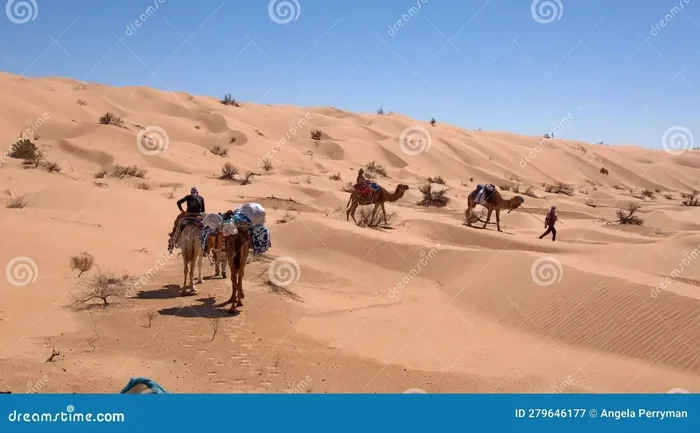
Featured image for Camel trek Sahara desert
Image source: thumbs.dreamstime.com
A Tangier to Marrakech tour with camel trek is the ultimate way to experience Morocco’s diverse landscapes and rich culture in one epic journey. This multi-day adventure takes you from the Mediterranean coast through the Rif Mountains, imperial cities like Fes, and deep into the Sahara Desert for an authentic camel ride. Covering roughly 900 kilometers, it’s perfect for travelers who want to see the best of Morocco without the hassle of planning every detail themselves.
Picture this: you’re swaying gently atop a camel, the Sahara stretching endlessly before you, the setting sun painting the dunes in shades of gold and amber. Just days before, you were sipping mint tea in a blue-washed mountain village, and tomorrow, you’ll wander through ancient medinas where donkey carts still outnumber cars. This isn’t a dream. This is a Tangier to Marrakech tour with camel trek, and it’s hands-down one of the most unforgettable travel experiences you can have in North Africa.
Morocco is a country that feels like stepping into a living storybook. From the moment you arrive in Tangier, with its dramatic perch where the Mediterranean meets the Atlantic, to the moment you reach Marrakech, the “Red City” pulsing with energy and color, every kilometer tells a story. A guided tour that ties these two iconic cities together with a camel trek through the Sahara is, quite simply, the best way to see the country.
Did you know that Morocco welcomes over 13 million tourists annually, and desert tours rank among the top three reasons visitors give for falling in love with this country? Whether you’re a solo adventurer, a couple seeking romance, or a family hungry for culture, this journey delivers memories that’ll last a lifetime. Let’s dive into everything you need to know to plan your perfect Tangier to Marrakech camel trek adventure.
Key Takeaways
- Duration: Most Tangier to Marrakech camel trek tours run 5-7 days, covering approximately 900 km of Morocco’s most scenic terrain.
- Route Highlights: The classic route includes Chefchaouen, Fes, Merzouga Sahara, Todra Gorge, Ait Ben Haddou, and Marrakech.
- Desert Experience: A camel trek into Erg Chebbi dunes lets you watch the sunset over golden sands and sleep in a traditional Berber camp.
- Best Time to Go: Spring (March-May) and autumn (September-November) offer the most comfortable temperatures for both camel riding and city exploring.
- Group vs Private: Group tours are budget-friendly (around $400-700), while private tours offer flexibility and personalized attention (around $1,000-2,500).
- Physical Demand: Moderate fitness is needed; camel treks last 1-2 hours each way, but city walks can be lengthy.
- Cultural Immersion: Beyond sightseeing, these tours include cooking classes, hammam visits, and authentic Moroccan meals with local families.
📑 Table of Contents
- What Is a Tangier to Marrakech Tour with Camel Trek?
- The Classic Route: Where Exactly Does the Tour Go?
- Why Choose a Tour with a Camel Trek?
- When to Go: Timing Your Adventure
- How Much Does It Cost?
- What to Pack and Practical Tips
- Choosing the Right Tour Operator
- Common Questions About Tangier to Marrakech Tours
- Final Thoughts: Why This Journey Is Worth It
What Is a Tangier to Marrakech Tour with Camel Trek?
A Tangier to Marrakech tour with camel trek is a multi-day guided journey across Morocco that combines cultural sightseeing with an authentic desert experience. Think of it like a road trip on steroids, except instead of just driving, you’re riding camels, exploring UNESCO World Heritage Sites, sleeping in Berber tents, and eating tagine under the stars.
The tour typically spans 5 to 7 days, moving southward from Tangier on Morocco’s northern coast, through the country’s interior, and ending in Marrakech. Along the way, you’ll stop at major cities, historical sites, and natural wonders, with the highlight being a camel trek into the Erg Chebbi or Erg Chigaga dunes in the Sahara Desert.
Who Is This Tour For?
This kind of tour is designed for travelers who want depth, not just surface-level sightseeing. It’s perfect for:
- First-time visitors to Morocco who want a comprehensive introduction
- Adventure seekers who dream of riding camels and sleeping in the desert
- Culture enthusiasts eager to explore medinas, kasbahs, and ancient ruins
- Photographers looking for stunning landscapes and vibrant street scenes
- Couples and families wanting a mix of excitement and relaxation
Simply put: if you love travel that engages all your senses, this tour is for you.
The Classic Route: Where Exactly Does the Tour Go?
Most Tangier to Marrakech camel trek tours follow a well-trodden path that showcases Morocco’s incredible diversity. Let’s break it down stop by stop.
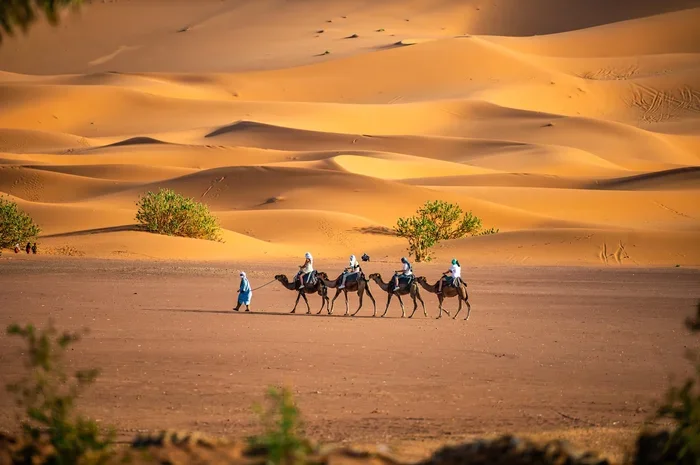
Visual guide about Camel trek Sahara desert
Image source: merzouga-tours.com
Day 1-2: Tangier to Chefchaouen and Fes
Your adventure starts in Tangier, a port city with a fascinating blend of European and African influences. From here, you’ll typically drive into the Rif Mountains to visit Chefchaouen, the famous “Blue City.” Every building is painted in shades of blue, and the effect is genuinely magical, like walking through a watercolor painting.
After Chefchaouen, you’ll continue to Fes, Morocco’s spiritual and cultural heart. Fes el-Bali, the old medina, is a UNESCO World Heritage Site and one of the largest car-free urban zones in the world. Imagine a maze of over 9,000 alleys filled with tanneries, mosques, and centuries-old madrasas.
Day 3-4: Fes to the Sahara Desert
This is where the journey gets truly epic. You’ll travel south through the Middle Atlas Mountains, passing through cedar forests where wild Barbary monkeys live. The landscape gradually changes from green hills to arid plains until you reach Merzouga, the gateway to Erg Chebbi.
Here, you’ll meet your camel and trek into the dunes. The trek usually takes 1-2 hours, with stops to admire the sunset. You’ll spend the night in a desert camp, where Berber nomads serve dinner, play drums, and share stories around a campfire. Sleeping under a canopy of stars in the Sahara is something everyone should experience at least once. It’s like the universe decided to put on a private show just for you.
Day 5-6: Todra Gorge and Ait Ben Haddou
After sunrise in the desert (pro tip: wake up early for this, it’s breathtaking), you’ll head west through dramatic landscapes. Todra Gorge is a 400-meter-deep canyon with sheer orange walls, perfect for a short hike. Then comes Ait Ben Haddou, a fortified village (ksar) that’s been in countless films, including Gladiator and Game of Thrones.
Day 7: Arrival in Marrakech
Your final day brings you through the High Atlas Mountains via the stunning Tizi n’Tichka pass, arriving in Marrakech by afternoon. Your guide will drop you at your riad, and then you’re free to explore the famous Jemaa el-Fnaa square, where snake charmers, storytellers, and food stalls create an atmosphere unlike anywhere else on Earth.
Why Choose a Tour with a Camel Trek?
You might be wondering: why not just visit Marrakech or take a quick desert excursion from Fes? Here’s why the full Tangier to Marrakech tour is worth it.
It Combines Multiple Experiences in One Trip
Doing a guided tour means you don’t have to worry about logistics. No booking hotels, no haggling with taxi drivers, no figuring out bus schedules. Your guide handles everything, from accommodation to meals to entry fees. It’s like having a travel concierge who also happens to be a cultural expert.
The Camel Trek Is the Cherry on Top
Let’s be honest: riding a camel into the Sahara is on most people’s bucket lists. There’s something primal and romantic about it. Camels can travel up to 160 km in the desert on a single load, and they’ve been the backbone of Saharan trade for over 1,000 years. When you ride one, you’re participating in a tradition that’s literally ancient.
Cultural Depth You Can’t Get Alone
Local guides know things you simply won’t find in guidebooks. They’ll introduce you to artisans in Fes, explain the symbolism behind Berber tattoos, or share a meal with a nomadic family. These human connections are what transform a vacation into a life-changing experience.
When to Go: Timing Your Adventure
Morocco’s climate varies dramatically by region, so timing matters. Here’s a simple breakdown to help you plan.
Best Seasons: Spring and Autumn
March to May and September to November are the sweet spots. Temperatures are mild (around 20-28°C or 68-82°F), the desert is comfortable for camel treks, and the cities are pleasant for walking. Spring also brings lush landscapes, while autumn offers clear skies and harvest season.
Summer: Hot but Manageable
June to August can be brutally hot, especially in the Sahara, where temperatures regularly exceed 45°C (113°F). However, summer also means fewer crowds and lower prices. If you go in summer, book tours with air-conditioned transport and avoid midday activities.
Winter: Cool and Quiet
December to February brings cooler temperatures, and snow sometimes dusts the Atlas Mountains. The desert can actually get surprisingly cold at night, dropping to near freezing. It’s a unique time to visit, but pack warm layers.
Did You Know?
Morocco has two main tourist seasons: the European summer (when many French, Spanish, and British visitors arrive) and the cooler months (when Americans and Canadians prefer). Booking 2-3 months ahead for spring tours is wise, as popular itineraries fill up fast.
How Much Does It Cost?
Pricing varies based on the type of tour, accommodation level, and whether you choose group or private options. Here’s a general guide.
Group Tours
Joining a group tour is the most budget-friendly option. Expect to pay between $400 and $700 per person for a 5-7 day tour, which typically includes transportation, accommodation, breakfast and dinner, and the camel trek. You’re sharing a minivan with other travelers, which adds a social element many people love.
Private Tours
Want flexibility and privacy? Private tours cost more, typically $1,000 to $2,500 per person (with lower per-person rates for couples or larger groups). You get your own driver-guide, can customize the itinerary, and travel at your own pace. For families or honeymooners, this is often the best choice.
Luxury Tours
For those wanting top-tier comfort, luxury tours ($2,500+) include stays in 5-star riads, private desert glamping with en-suite bathrooms, and gourmet meals. Think of it as the difference between staying at a comfortable hotel and a boutique palace.
What’s Typically Included
- Accommodation in riads, hotels, and desert camps
- Daily breakfast and dinner (lunch is often on your own)
- Transportation in an air-conditioned vehicle
- English-speaking driver-guide
- Camel trek to the desert camp
- Pickup in Tangier and drop-off in Marrakech
What’s Usually Not Included
- Flights to and from Morocco
- Lunches and snacks
- Drinks (especially alcohol, which can be pricey)
- Entry fees to certain monuments
- Tips for guides and drivers (budget around $5-10 per day)
- Travel insurance
What to Pack and Practical Tips
Packing smart makes a huge difference on a multi-day tour. Here’s what to bring.
Clothing Essentials
Morocco is a Muslim country, so modest clothing is respectful, especially in religious sites. Pack lightweight, breathable fabrics for daytime and warmer layers for desert nights. A scarf or shawl is incredibly versatile: it covers your shoulders, protects from sun, and keeps sand off your face during the camel trek.
- Comfortable walking shoes (you’ll be on your feet a lot in cities)
- Sandals for the desert camp
- A warm jacket for cool evenings
- Modest outfits for visiting mosques
- A swimsuit (some riads have pools)
Health and Safety
Bring sunscreen, sunglasses, a hat, and a basic first-aid kit. Stay hydrated, especially in the desert. Bottled water is widely available. The tap water isn’t recommended for tourists, so stick to sealed bottles.
For safety, Morocco is generally very safe for tourists. Petty crime can happen in crowded medinas, so keep your valuables secure. Your guide will give you practical advice specific to each area.
Money Matters
The Moroccan currency is the dirham (MAD). Credit cards are accepted in larger hotels and restaurants, but cash is king in the medinas and small shops. ATMs are widely available in cities. Budget around $30-50 per day for lunches, souvenirs, and tips.
Language Tips
Arabic and Berber are official languages, but French is widely spoken. Many guides speak excellent English. Learning a few basic phrases like “salam alaikum” (hello) and “shukran” (thank you) goes a long way in connecting with locals.
Choosing the Right Tour Operator
With dozens of companies offering Tangier to Marrakech tours, how do you pick a good one? Here’s what to look for.
Check Reviews
Platforms like TripAdvisor, Viator, and GetYourGuide feature verified reviews from past travelers. Look for operators with consistently high ratings (4.5+ stars) and read recent feedback to gauge current quality.
Verify What’s Included
Transparency is key. Reputable operators clearly list inclusions and exclusions. Avoid tours with suspiciously low prices, as they may cut corners on accommodation or add hidden fees later.
Ask About the Guide
A great guide makes or breaks the experience. Look for companies that employ licensed, English-speaking guides with deep local knowledge. Some tours even offer specialist guides for photography, history, or food.
Confirm Group Size
Smaller groups (8-12 people) generally offer a better experience than large buses with 30+ travelers. You’ll have more interaction with your guide and more flexibility at stops.
Book Directly When Possible
Booking through third-party platforms offers protection, but contacting local operators directly can sometimes yield better prices or customization. Just make sure they have a legitimate online presence and reviews.
Common Questions About Tangier to Marrakech Tours
Let’s tackle a few things travelers often wonder about before booking.
How Many Days Do I Really Need?
Five days is the minimum to comfortably cover the route without feeling rushed. Seven days is ideal, giving you time to enjoy each stop and not feel like you’re constantly in transit. If you can spare the time, go for seven.
Is the Camel Trek Safe?
Yes, especially with experienced Berber guides. Camels are well-trained, and the trek follows established paths. That said, if you have back or knee issues, riding a camel can be uncomfortable. Talk to your tour operator about alternatives, like a 4×4 transfer to the camp.
Can I Customize the Itinerary?
Most private tours are fully customizable. Want to add a cooking class in Marrakech? Extra time in Fes? A hot air balloon ride? Just ask. Group tours follow fixed routes, but you usually have free time at each stop to pursue your own interests.
What About Solo Travelers?
Solo travelers often join group tours and share rooms with same-gender roommates. Some operators offer single supplements for those wanting private rooms. Group tours are also a fantastic way to meet fellow travelers from around the world.
Do I Need a Visa?
Many nationalities, including US, UK, EU, Canadian, and Australian citizens, can enter Morocco visa-free for 90 days. Check your specific country’s requirements before traveling. Your passport should be valid for at least 6 months beyond your entry date.
Final Thoughts: Why This Journey Is Worth It
A Tangier to Marrakech tour with camel trek isn’t just a vacation. It’s a journey through one of the most diverse and fascinating countries on Earth. In a single trip, you’ll experience Mediterranean coasts, snow-capped mountains, ancient cities, and endless desert dunes. You’ll taste tagine cooked in clay pots, hear the call to prayer echo through medieval alleys, and watch the stars from a silence so deep it’s almost tangible.
Morocco has been welcoming travelers for centuries, and there’s a reason it remains a favorite: the warmth of its people, the richness of its culture, and the sheer beauty of its landscapes. Whether you’re a first-time visitor or returning for another taste, this tour captures the essence of Morocco in a way few other experiences can.
So, are you ready to climb atop a camel and ride into the sunset? Your Moroccan adventure is waiting.