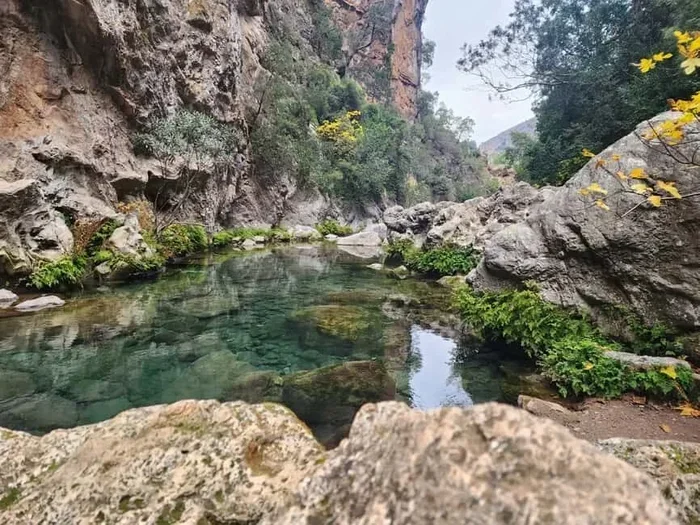
Featured image for Tangier to Akchour Waterfalls Morocco
Image source: theabroadguide.com
This 14 days tour from Tangier to Akchour Waterfalls is the ultimate Moroccan adventure, blending imperial cities, Sahara Desert magic, and the stunning blue-green cascades of Chefchaouen’s hidden paradise. Perfect for travelers seeking a complete Morocco experience, this journey covers Casablanca, Fes, Marrakech, the Erg Chebbi dunes, and finishes with hiking the breathtaking Akchour Waterfalls. It’s a once-in-a-lifetime route that combines culture, history, and nature into one unforgettable two-week expedition.
Picture this: you start your morning sipping mint tea in a bustling Tangier café, and two weeks later, you’re swimming beneath a thundering waterfall surrounded by emerald-green cliffs. That’s exactly what the 14 days tour from Tangier to Akchour Waterfalls promises, and trust me, it delivers on every front.
Morocco is a country that doesn’t just show up on a map. It shows up in your senses. The call to prayer echoing over ancient medinas. The smell of tagine simmering in clay pots. The feel of Saharan sand between your toes. And this particular 14-day itinerary captures all of it, from the northern tip of Africa down to the Sahara and back up to the hidden gem of Akchour.
Did you know that Morocco welcomes over 13 million tourists annually, making it one of Africa’s top travel destinations? Yet many visitors only see Marrakech and miss the country’s real magic: its diversity. This tour fixes that problem. By the end of day 14, you’ll have crossed mountains, deserts, and valleys, and experienced the Akchour Waterfalls, a natural wonder so beautiful that locals call the rock bridge there “God’s Bridge.”
Key Takeaways
- Complete Morocco Experience: This 14-day tour covers all major highlights, from the Atlantic coast to the Sahara Desert and the Rif Mountains.
- Akchour Waterfalls Finale: The tour ends with a refreshing hike to Akchour, home to the famous “God’s Bridge” rock formation and emerald pools.
- Cultural Immersion: Travelers visit four imperial cities (Fes, Meknes, Marrakech, Rabat) plus the blue pearl of Chefchaouen.
- Sahara Desert Adventure: Camel trekking and overnight camping in Erg Chebbi dunes is a once-in-a-lifetime highlight.
- Flexible & Customizable: Tours can be tailored for couples, families, solo travelers, and different budget levels.
- Best Travel Seasons: Spring (March-May) and autumn (September-November) offer the most comfortable weather.
- Budget-Friendly Option: A 14-day tour is more economical than planning separate trips, often costing between €800-€1,500 per person.
📑 Table of Contents
Why Choose a 14-Day Tour from Tangier to Akchour Waterfalls?
Think of a 14-day Morocco tour like reading a great novel. You could skip to the last chapter, but you’d miss the story. Tangier is your opening line, and Akchour is your unforgettable ending. In between, you get the plot twists: imperial cities, desert nights, mountain villages, and coastal medinas.
The Perfect Balance of Culture and Nature
Most tours lean heavily on either cities or landscapes. This one blends both. You’ll spend mornings exploring 1,200-year-old medinas and afternoons hiking through gorges or riding camels at sunset. It’s like getting two vacations in one.
Cost Efficiency
Booking a 14-day guided tour is significantly cheaper than arranging transport, accommodation, and guides separately. A well-organized package typically includes:
- Private air-conditioned transportation
- Driver-guide services
- Accommodation in riads and hotels
- Breakfast daily
- Camel trek and desert camping
- Entry fees to major attractions
You could easily save 30-40% compared to DIY travel, especially during peak season when desert camps and riads book up fast.
Stress-Free Logistics
Morocco’s public transport between cities is decent, but getting from, say, the Sahara to a remote waterfall trail requires a car. A guided tour handles every transfer, every booking, every language barrier. You just show up and enjoy.
Day-by-Day Breakdown of the 14-Day Itinerary
Let’s walk through what your two weeks will actually look like. This itinerary is designed to flow geographically, moving from north to south and back up to the Rif Mountains, so you spend less time backtracking and more time exploring.
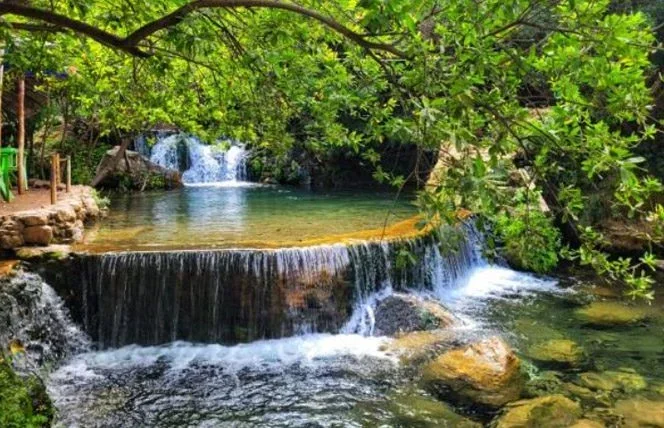
Visual guide about Tangier to Akchour Waterfalls Morocco
Image source: tangieradvantours.com
Days 1-2: Tangier and the Atlantic Coast
Your adventure begins in Tangier, a port city that has fascinated travelers for centuries. From here, you’ll visit the legendary Hercules Caves, where the Atlantic Ocean meets the Mediterranean. Did you know that according to Greek mythology, Hercules rested here after separating Europe from Africa? The cave opening even looks like the shape of Africa when viewed from inside.
You’ll then travel along the coast to Asilah, a charming whitewashed town famous for its murals and ramparts. Chefchaouen, the “Blue City,” is next. With its powder-blue streets and mountain backdrop, it’s one of the most photographed places in Morocco, and you’ll have a full day to wander and absorb its magic.
Days 3-4: Volubilis, Meknes, and Fes
Day three takes you to the Roman ruins of Volubilis, a UNESCO World Heritage Site dating back to the 3rd century BC. Imagine walking on the same marble floors as Roman senators 2,000 years ago. The mosaics here are some of the best-preserved in North Africa.
Then it’s on to Meknes, Morocco’s most underrated imperial city, before reaching Fes. Fes is the cultural heart of Morocco, home to the world’s oldest continuously operating university, the University of al-Qarawiyyin, founded in 859 AD. That’s older than Oxford by about 200 years!
You’ll spend a full day with a local guide in Fes, exploring the Fes el-Bali medina, a maze of over 9,000 alleys. Getting lost here is part of the fun, but a good guide helps you find the tanneries, the Al-Qarawiyyin Mosque, and the best spots for authentic Moroccan crafts.
Days 5-6: The Middle Atlas and Sahara Desert
Leaving Fes, you’ll cross the Middle Atlas Mountains, passing through Ifrane, often called “Morocco’s Switzerland” because of its alpine-style architecture and snowy winters. Keep your eyes open for Barbary macaques in the cedar forests of Azrou, one of the few places in North America where you can see wild monkeys.
By day six, you’ll reach Merzouga, the gateway to the Erg Chebbi dunes. These dunes rise up to 150 meters high, and watching the sunset here is something words can’t fully capture. It’s like watching the earth breathe in golden light.
You’ll ride a camel into the desert (yes, like in the movies, but better) and spend the night in a Berber desert camp. The stars here are unreal. Without light pollution, you can see the Milky Way with the naked eye.
Days 7-8: Todra Gorge and Dades Valley
After sunrise over the dunes, you’ll travel through Todra Gorge, a stunning canyon with 400-meter-high walls that attract rock climbers from around the world. Then it’s on to Dades Valley, often called the “Valley of a Thousand Kasbahs” because of its fortified clay villages.
This is one of the most scenic drives in Morocco, with rose gardens, Berber villages, and dramatic rock formations around every bend. You’ll stay in a family-run riad and enjoy a traditional Berber dinner.
Days 9-10: Ouarzazate, Ait Benhaddou, and Marrakech
Day nine takes you to Ouarzazate, the “Hollywood of Africa,” where movies like Gladiator, Lawrence of Arabia, and Game of Thrones were filmed. Just outside the city, you’ll find Ait Benhaddou, a UNESCO-listed kasbah that looks exactly like a scene from a fairy tale.
Crossing the High Atlas Mountains via the Tizi n’Tichka pass (at 2,260 meters altitude), you’ll arrive in Marrakech by evening. Marrakech is sensory overload in the best way possible. Jemaa el-Fnaa square comes alive at night with snake charmers, storytellers, food stalls, and musicians.
Day ten is your full day in Marrakech, exploring the Majorelle Garden, Bahia Palace, the Saadian Tombs, and the souks. Bargaining here is an art form, and your guide will teach you how to play it well.
Days 11-12: Essaouira and the Atlantic Coast
Leaving the chaos of Marrakech behind, you’ll head west to Essaouira, a laid-back coastal town with Portuguese architecture, fresh seafood, and a long sandy beach. It’s a favorite spot for surfers and artists, and the pace here is wonderfully slow compared to the inland cities.
You’ll explore the medina (another UNESCO site), visit a women’s argan oil cooperative, and enjoy a fresh fish lunch by the harbor. The blue boats in the port make for iconic photos.
Days 13-14: Return to the North and Akchour Waterfalls
Now comes the finale. You’ll travel back north through Rabat, Morocco’s elegant capital, where the Hassan Tower and Kasbah of the Udayas await. By day 13, you’ll return to Chefchaouen, and on day 14, you’ll tackle the Akchour Waterfalls.
The Akchour hike is about 6 kilometers one way, taking roughly 2-3 hours each direction, with moderate difficulty. The trail follows the river through lush green valleys, past small Berber villages, and ends at the “Cascade d’Akchour.” The water is cold but incredibly refreshing, especially after two weeks of walking through cities.
The famous “God’s Bridge” (Pont de Dieu) is a natural rock arch that spans the gorge. Standing on it, with the river roaring 30 meters below, you’ll understand why this place feels sacred.
What Makes Akchour Waterfalls Special?
Akchour is the kind of place that doesn’t show up in typical Morocco postcards, and that’s exactly why it feels like a secret. While millions of tourists visit Marrakech and the Sahara, only a fraction make it to these falls. The result? An unspoiled natural wonder where you can actually hear yourself think.
The Setting
Located just 30 kilometers from Chefchaouen, the Akchour Falls cascade through a series of turquoise pools surrounded by limestone cliffs and lush vegetation. The contrast between the white rocks, green trees, and blue-green water is almost surreal. It’s like stepping into a different country entirely.
Local Culture
The area is home to small Berber communities, and you’ll often see local children playing by the river or women doing laundry at the stream. It’s a reminder that this isn’t a tourist attraction, but a living landscape.
Best Time to Visit
Spring (April-May) is ideal because the water flow is strong from snowmelt, and the surrounding hills are green. Autumn (September-October) is also great, with milder temperatures and fewer crowds. Summer can be too hot for the hike, and winter brings cold water and slippery trails.
Planning Your 14-Day Tour: Practical Tips
Let’s talk about the practical stuff, because a great itinerary is only as good as its execution. Here are the things you need to know before booking your 14 days tour from Tangier to Akchour Waterfalls.
Best Tour Operators
Look for operators that specialize in private or small-group tours. Companies based in Tangier, Fes, and Marrakech often offer customizable packages. Read reviews on TripAdvisor and Viator, and always check what’s included. The best tours clearly outline accommodation quality, vehicle type, and whether you’ll have a dedicated driver-guide.
What to Pack
Morocco’s climate varies wildly, so layering is key. Pack:
- Comfortable walking shoes (especially for Akchour)
- Lightweight clothing for daytime
- A warm jacket for desert nights and mountain evenings
- Modest clothing for visiting religious sites
- Sunscreen, sunglasses, and a hat
- Swimwear for Akchour and hotel pools
- Power adapter (Morocco uses Type C and E plugs)
Budget Expectations
A 14-day private tour typically costs between €800-€1,500 per person for two travelers sharing. This usually includes accommodation, transport, breakfast, and a desert camp. Solo travelers can expect to pay more (€1,200-€2,000) due to single supplements. Luxury options run higher, while group tours start around €600 per person.
Currency and Tipping
The Moroccan Dirham (MAD) is the local currency, and 1 EUR equals roughly 11 MAD. ATMs are widely available in cities. Tipping is customary: budget around €2-3 per day for your driver, €5-10 for guides, and small amounts for hotel staff.
Safety and Health
Morocco is one of the safest countries in North Africa, with a strong tourist police presence in major cities. Just use common sense: avoid poorly lit areas at night, watch your belongings in crowded souks, and drink bottled water. No special vaccinations are required, but a hepatitis A and typhoid shot is recommended.
Cultural Etiquette and Insider Tips
Traveling in Morocco is easier when you understand a few cultural norms. Think of it as learning the local language of respect.
Greetings Matter
When meeting someone, especially in rural areas, a simple “Salam alaikum” (peace be upon you) goes a long way. The response is “Wa alaikum salam.” A handshake usually follows between same-gender individuals. Avoid initiating physical contact with women unless they offer their hand first.
Dress Modestly
You don’t need to cover your head (unless entering a mosque), but shoulders and knees should be covered in religious sites and conservative areas. In tourist hubs like Marrakech, dress codes are more relaxed, but in smaller towns, modesty is appreciated.
Photography Etiquette
Always ask before photographing people, especially in Berber villages. Some may ask for a small tip. Avoid photographing military installations, police officers, and royal palaces.
Bargaining the Right Way
In the souks, bargaining is expected. Start at about 40-50% of the asking price and meet somewhere in the middle. Keep it friendly, smile, and remember that for many vendors, this is their livelihood. The goal is a fair price for both sides.
Final Thoughts: Why This 14-Day Tour Is Worth It
After 14 days, you’ll return home with more than just photos. You’ll have stories. The night you spent in a Berber tent under a billion stars. The moment you tasted fresh tagine in a 400-year-old riad. The cold shock of Akchour’s waterfall after hours of hiking. The friendly stranger who invited you for tea in a blue-painted alley.
Morocco has a way of getting under your skin. It’s the kind of country that makes you slow down, look up, and realize how much beauty exists when you step off the beaten path. The 14 days tour from Tangier to Akchour Waterfalls is built for exactly that kind of traveler: curious, open-minded, and ready for an adventure that touches every sense.
So, are you ready to pack your bags, swap your daily routine for camel treks and waterfall swims, and see Morocco in a way most travelers only dream about? The blue streets of Chefchaouen, the golden dunes of the Sahara, and the emerald pools of Akchour are waiting. All you have to do is take that first step, and the journey will do the rest.
Frequently Asked Questions
What is the best time of year to do the 14 days tour from Tangier to Akchour Waterfalls?
The best times are spring (March to May) and autumn (September to November), when temperatures are mild and ideal for both desert excursions and waterfall hiking. Summer can be extremely hot, especially in the Sahara, while winter brings cold desert nights and occasional snow in the mountains.
Is the hike to Akchour Waterfalls difficult?
The Akchour hike is moderate in difficulty, covering about 6 kilometers one way with some uphill sections. It takes roughly 2-3 hours each way and is suitable for most fitness levels. Comfortable hiking shoes and plenty of water are essential, especially in warmer months.
How much does a 14-day Morocco tour from Tangier cost?
A 14-day private tour typically costs between €800 and €1,500 per person for two travelers sharing, while small-group tours start around €600 per person. The price usually includes accommodation, transport, breakfast, driver-guide services, and a desert camp experience, but flights are generally not included.
Do I need a visa for Morocco?
Citizens of most Western countries, including the US, UK, Canada, and EU nations, do not need a visa for stays up to 90 days. You’ll just need a valid passport with at least six months of remaining validity. Always check your specific country’s requirements before traveling.
Is Morocco safe for tourists?
Yes, Morocco is one of the safest countries in North Africa for tourists, with a strong tourist police presence in major cities. Standard travel precautions apply, such as watching your belongings in crowded areas and avoiding poorly lit streets at night. Most travelers report very positive experiences with locals.
Can the 14-day Tangier to Akchour tour be customized?
Absolutely. Most tour operators offer fully customizable itineraries based on your interests, budget, and travel pace. You can add extra days in certain cities, upgrade to luxury riads, include cooking classes, or swap activities like the desert camel trek for quad biking or hot air balloon rides.