
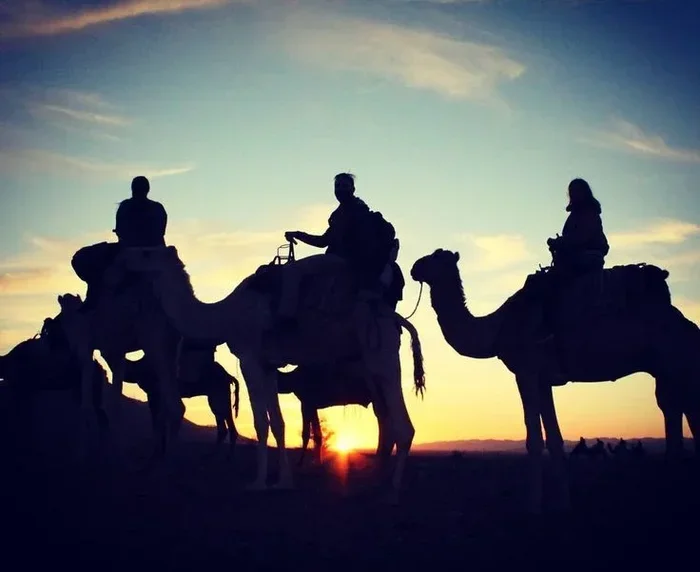
Featured image for Zagora desert camel sunset
Image source: i.pinimg.com
The Marrakech to Zagora 3 day tour is one of Morocco’s most iconic desert adventures, taking travelers through the Atlas Mountains, ancient kasbahs, and into the heart of the Sahara Desert. Over three immersive days, you’ll ride camels across golden dunes, sleep under the stars in a traditional Berber camp, and explore centuries-old villages along the Draa Valley. This tour perfectly balances cultural discovery, breathtaking scenery, and authentic Moroccan hospitality.
Picture this: you’re sitting atop a gentle camel, swaying rhythmically across waves of golden sand that stretch endlessly toward the horizon. The sun dips lower, painting the sky in brilliant shades of orange, pink, and purple. Behind you lies the ancient medina of Marrakech, a chaos of colors and sounds. Ahead, the silence of the Sahara beckons. This is the magic that awaits on a Marrakech to Zagora 3 day tour.
Morocco’s desert tours have become bucket-list experiences for travelers worldwide, and for good reason. Did you know that the Sahara Desert covers approximately 9.2 million square kilometers, making it the largest hot desert in the world? While Zagora’s dunes are smaller than those at Erg Chebbi, they offer a perfect introduction to Saharan adventure, especially for those with limited time. The journey itself is a cross-section of Morocco’s diverse landscapes, from snow-capped mountains to palm-lined valleys and endless desert plains.
Over the next 2,500 words, I’ll walk you through everything you need to know about this unforgettable journey. Think of this guide as your travel-savvy friend who’s already done the trip and wants to share every insider tip, potential pitfall, and must-see highlight. Whether you’re a solo traveler, couple, or family, this comprehensive guide will help you plan the desert adventure of a lifetime.
Key Takeaways
- Iconic Desert Experience: The Marrakech to Zagora 3 day tour covers roughly 350 km each way and includes camel trekking, desert camping, and visits to UNESCO-listed kasbahs like Ait Ben Haddou.
- Best Travel Seasons: October through April offers the most comfortable weather, with daytime temperatures between 20-28°C (68-82°F) and cool, pleasant nights in the desert.
- Cultural Immersion: You’ll experience authentic Berber culture, traditional mint tea ceremonies, Gnawa music performances, and visits to local souks and cooperatives.
- Practical Duration: Three days is the minimum recommended time to truly appreciate the journey without feeling rushed, though longer tours to Erg Chebbi are available for deeper exploration.
- Budget-Friendly Adventure: Prices typically range from €120-€250 per person, making it one of the most affordable Sahara experiences from Marrakech.
- What to Pack: Light layers, sun protection, a headscarf for desert winds, comfortable walking shoes, and a camera with extra battery are essential items.
- Booking Tips: Book through reputable operators with verified reviews, confirm what’s included (meals, transport, accommodation), and ensure camel welfare standards are met.
📑 Table of Contents
- What Exactly Is the Marrakech to Zagora 3 Day Tour?
- Who Should Take This Tour and Why?
- Where Does the Tour Go? The Complete Route Explained
- When to Go: Timing Your Desert Adventure
- What to Expect: Daily Life on the Tour
- How Much Does It Cost and What’s Included?
- Practical Tips and What to Pack
- Frequently Asked Questions
- Final Thoughts: Why This Tour Deserves a Spot on Your Bucket List
What Exactly Is the Marrakech to Zagora 3 Day Tour?
The Marrakech to Zagora 3 day tour is a guided expedition that takes you from the imperial city of Marrakech through some of Morocco’s most spectacular scenery and into the Zagora region of the Sahara Desert. The tour typically follows a well-established route southward through the High Atlas Mountains via the Tizi n’Tichka pass, then winds through the Valley of the Roses, visits the famous Ait Ben Haddou kasbah, crosses the Draa Valley’s palm groves, and finally reaches the desert near Zagora.
The Classic Itinerary Breakdown
Day 1: Marrakech → Ait Ben Haddou → Ouarzazate → Draa Valley → Zagora
Day 2: Camel trek into the desert → Berber camp overnight → Return to Zagora
Day 3: Zagora → Agdz → Tizi n’Tichka → Marrakech
The tour is designed to give you a taste of everything: mountain landscapes, historical sites, valley oases, and of course, the desert itself. Most tours include transportation in a comfortable 4×4 or minivan, an English-speaking guide, accommodation in hotels and a desert camp, meals, and the iconic camel ride.
Zagora vs. Erg Chebbi: Which Desert?
Here’s something many first-time visitors don’t realize: Zagora is actually home to smaller dunes, sometimes called “erg” in geological terms. The famous towering dunes you see in desert photos often come from Erg Chebbi near Merzouga, which is a 2-3 day journey further east. The Zagora desert features beautiful but more modest dunes, perfect for a shorter trip.
Think of it this way: if Erg Chebbi is the dramatic finale of a full symphony, Zagora is the captivating overture that leaves you wanting more. Both are stunning, but Zagora’s accessibility from Marrakech makes it ideal for the classic 3-day format.
Who Should Take This Tour and Why?
The beauty of the Marrakech to Zagora 3 day tour lies in its universal appeal. It’s designed for travelers who want to experience the Sahara without committing to a longer expedition. But let’s break down who benefits most from this particular adventure.
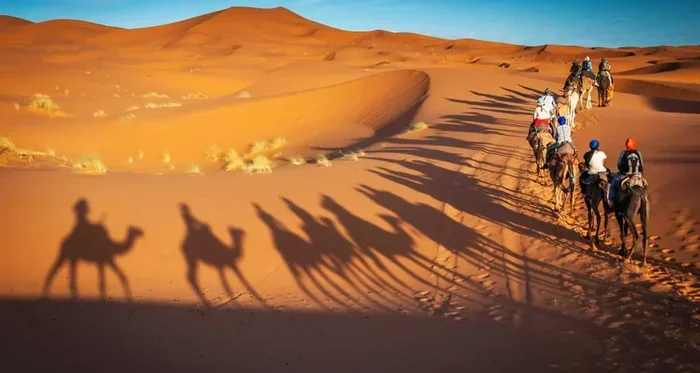
Visual guide about Zagora desert camel sunset
Image source: imlil-treks-toubkal.com
Perfect for First-Time Morocco Visitors
If you’ve never been to Morocco, this tour serves as an excellent sampler platter. You get to see mountains, valleys, kasbahs, and desert, all in one neat package. It’s like getting a greatest hits album instead of committing to a single artist’s full discography.
First-timers often worry about culture shock or logistics in Morocco. A guided 3-day tour eliminates these concerns. Your driver handles navigation, your guide explains cultural nuances, and accommodation is pre-arranged. You simply show up and enjoy.
Ideal for Time-Constrained Travelers
Did you know that most tourists visiting Morocco spend an average of 7-9 days in the country? For those with limited time, a 3-day desert tour represents about one-third of a typical trip, making it a substantial yet manageable commitment. You return to Marrakech with a treasure trove of memories while still having time to explore the medina, Jardin Majorelle, or take day trips to the Atlas Mountains.
Great for Adventure Seekers and Culture Lovers Alike
Whether you’re drawn to camel trekking and stargazing or fascinated by Berber traditions and ancient architecture, this tour satisfies both tastes. The cultural stops prevent the journey from being purely scenic, while the desert component adds adventure that pure city tours lack.
Where Does the Tour Go? The Complete Route Explained
Understanding the geography helps you appreciate what you’re seeing. Let me walk you through the journey from north to south, painting a picture of each region you’ll traverse.
The Atlas Mountains Crossing
Your adventure begins with a dramatic drive over the Tizi n’Tichka pass, which sits at 2,260 meters (7,415 feet) above sea level. The name “Tizi n’Tichka” means “difficult pass” in Berber, and you’ll understand why as your vehicle snakes through hairpin turns revealing panoramic vistas. On clear days, you can see for miles across the mountain range.
The Atlas Mountains stretch approximately 2,500 kilometers across Morocco, Algeria, and Tunisia. They separate the humid coastal regions from the Saharan climate of the south, creating the dramatic weather and landscape contrasts you’ll experience throughout your journey.
Ait Ben Haddou: The UNESCO Treasure
No Marrakech to Zagora 3 day tour would be complete without stopping at Ait Ben Haddou, a fortified village (ksar) that has stood for centuries along the former caravan route between the Sahara and Marrakech. Designated a UNESCO World Heritage Site in 1987, this earthen clay architecture marvel has served as a backdrop for Hollywood blockbusters including “Gladiator,” “Lawrence of Arabia,” and “Game of Thrones.”
Walking through Ait Ben Haddou feels like stepping onto a film set, because in many ways, it is one. The intricate kasbah towers and decorative geometric patterns showcase the building genius of traditional Moroccan craftsmen.
Ouarzazate: The “Gateway to the Sahara”
Often called the “Hollywood of Africa” due to its famous film studios, Ouarzazate serves as a natural stopping point. The town sits at the crossroads of the Draa, Dadès, and Todra valleys. You’ll likely stop here for lunch and possibly visit the Taourirt Kasbah or Atlas Studios.
The Draa Valley: Morocco’s Largest Palm Grove
As you continue south, the landscape transforms into the stunning Draa Valley, home to Morocco’s longest river and a palm grove stretching over 200 kilometers. The contrast between the arid mountains and this lush green ribbon is striking. Ancient kasbahs dot the landscape, and small Berber villages appear among the palms.
This valley has been a vital trade route for centuries, connecting sub-Saharan Africa with the Mediterranean world. Today, it remains one of Morocco’s most agriculturally productive regions, with dates, henna, and other crops thriving in its microclimate.
Zagora and the Desert
Zagora itself is a small town that serves as the launching point for desert treks. From here, you’ll switch to camelback for the journey into the desert. The dunes you’ll visit, often called Tinfou dunes or similar nearby ergs, rise approximately 50-80 meters high. While not as towering as Erg Chebbi, they offer spectacular sunset and sunrise views that rival any desert in the world.
When to Go: Timing Your Desert Adventure
Choosing the right season can make or break your Sahara experience. Morocco’s climate varies dramatically by region and season, and the desert has its own unique patterns.
The Best Months: October to April
The optimal window for a Marrakech to Zagora 3 day tour runs from October through April. During these months, daytime temperatures hover between 20-28°C (68-82°F), making sightseeing comfortable. Desert nights can be surprisingly cold, sometimes dropping to 5°C (41°F) or below in winter, but this actually makes sleeping under the stars more pleasant.
Did you know that desert temperatures can vary by 30°C (54°F) between day and night? This extreme range is part of what makes Sahara travel so unique. The dry air and clear skies create these dramatic swings.
Shoulder Seasons: May and September
May and September represent transition periods. Temperatures climb higher, but crowds thin out. If you don’t mind heat, these months offer excellent value and fewer tourists at popular sites.
Avoiding Summer (June to August)
June through August brings extreme heat to the desert, with temperatures regularly exceeding 45°C (113°F). Sandstorms also become more frequent. While tours still operate, they’re considerably less comfortable. I recommend avoiding this period unless you’re specifically seeking the challenge.
Ramadan Considerations
If your tour coincides with Ramadan, be aware that some restaurants and shops may have altered hours. However, iftar (the breaking of the fast) can be a wonderful cultural experience. Your tour operator can advise on how Ramadan might affect your specific itinerary.
What to Expect: Daily Life on the Tour
Knowing what each day looks like helps you mentally prepare and pack appropriately. Here’s a realistic breakdown of how your three days will unfold.
Day One: The Journey South
Expect an early start, usually around 7:00 or 7:30 AM. Your driver will pick you up from your hotel or a designated meeting point. The first day is primarily a driving day, typically covering 350-400 kilometers with multiple stops.
You’ll stop at scenic viewpoints, the Ait Ben Haddou kasbah (usually 1-2 hours for exploration), and likely have lunch in Ouarzazate. The drive through the Draa Valley in the late afternoon offers beautiful golden-hour photography opportunities. You’ll arrive in Zagora in the evening, check into your hotel, and have dinner before resting up for the desert experience.
Day Two: The Desert Immersion
This is the day you’ve been waiting for. After breakfast, you’ll transfer to the camel meeting point. Now, let’s be honest about camel riding: it’s not the most comfortable activity in the world. Think of it like riding a horse, but with a wider seat and more swaying motion. The first 10-15 minutes feel awkward, but you adjust quickly.
The camel trek to the desert camp typically takes 1-2 hours, depending on the exact location. Along the way, you’ll experience that profound desert silence that urban dwellers rarely encounter. Your Berber guides will lead the caravan, often singing traditional songs that echo beautifully across the dunes.
At the camp, you’ll enjoy mint tea, a traditional dinner (usually tagine), and often live Gnawa music around a campfire. Sleeping arrangements range from basic Berber tents to more comfortable “luxury” tents with proper beds. The real magic happens at night: the stars in the Sahara are genuinely breathtaking. Without light pollution, the Milky Way stretches across the sky like a painted ceiling.
Day Three: Sunrise and Return
Wake up early for sunrise, typically around 6:00 AM. Watching the sun rise over the Sahara is genuinely one of those “pinch me, I’m dreaming” moments. The dunes transform from dark silhouettes to glowing gold within minutes.
After breakfast at the camp, you’ll ride camels back to meet your driver and begin the return journey. The return route sometimes varies, potentially passing through Agdz, a charming town in the Draa Valley. You’ll arrive back in Marrakech by early to mid-evening, typically between 6:00 and 8:00 PM.
How Much Does It Cost and What’s Included?
Budget is always a practical concern, so let’s discuss what you can expect to pay and what’s typically included in a Marrakech to Zagora 3 day tour.
Price Ranges
Standard tours range from €120-€180 per person for budget options, €180-€250 for mid-range tours, and €250-€400+ for premium experiences with luxury desert camps. These prices typically assume shared group transportation, but private tours are available at higher rates.
What’s Usually Included
- Transportation: Air-conditioned vehicle for the entire journey
- Driver/Guide: English-speaking driver and local guides
- Accommodation: 1 night hotel in Zagora, 1 night desert camp
- Meals: Typically breakfast and dinner daily, sometimes lunch
- Camel Trek: Camel ride to and from the desert camp
- Activities: Campfire, traditional music, some entrance fees
What’s Not Usually Included
Beverages (especially alcoholic drinks), tips for drivers and guides (customarily €10-€20 total per person per day), personal shopping, optional activities, and travel insurance are typically extra. Always clarify inclusions before booking.
Booking Tips for Best Value
Book directly with local Moroccan operators rather than international resellers when possible. You’ll often save 20-30% while supporting local businesses. Websites like Viator and GetYourGuide offer convenient booking, but local agencies in Marrakech frequently offer better prices. Always read recent reviews on TripAdvisor and check that operators are registered with Morocco’s tourism ministry.
Practical Tips and What to Pack
Preparation makes the difference between a good trip and a great one. Here’s my practical advice based on common traveler experiences.
Essential Items to Pack
Clothing: Layers are key. Bring light long-sleeved shirts for sun protection, a warm jacket for desert nights, comfortable pants, a sun hat, and a scarf or shemagh for sand and sun. Avoid white clothing that shows dust and sand.
Footwear: Comfortable closed-toe shoes for walking on rocks and sand. Sandals work at the camp but aren’t suitable for camel trekking.
Sun Protection: High-SPF sunscreen, sunglasses (preferably polarized), and lip balm are non-negotiable. The desert sun is intense even in cooler months.
Photography Gear: Bring extra batteries and memory cards. Cold desert nights can drain batteries quickly, and you’ll want plenty of storage for those stunning shots.
Health Items: Personal medications, hand sanitizer, wet wipes, and a basic first-aid kit. The desert is remote, so come prepared.
Cultural Etiquette Tips
Morocco is a Muslim country with conservative values. Dress modestly, especially in rural areas. Ask permission before photographing people. Learn basic Arabic phrases like “Salam alaikum” (peace be upon you) and “Shukran” (thank you). These small gestures earn tremendous goodwill.
Health and Safety Considerations
Stay hydrated; carry water bottles and refill them. The dry desert air dehydrates you before you feel thirsty. If you have respiratory issues, be aware that desert dust can aggravate symptoms. Most tours are safe, but keep valuables secure and be cautious in crowded souks.
Many travelers experience mild stomach issues when adjusting to Moroccan food and water. Stick to bottled water, avoid raw vegetables unless in reputable restaurants, and your stomach will likely adjust within a few days.
Frequently Asked Questions
Is the Marrakech to Zagora 3 day tour suitable for children?
Yes, most tours welcome children aged 5 and above. The camel ride is suitable for kids, and many children find the desert experience magical. However, be prepared for long driving hours and bring entertainment for younger travelers.
Do I need travel insurance for the tour?
While not mandatory, travel insurance is strongly recommended. It should cover medical emergencies, trip cancellation, and evacuation. Mountain and desert regions can be remote, so adequate coverage provides peace of mind.
Can I do the tour as a solo female traveler?
Absolutely. Morocco generally welcomes solo female travelers, and many women travel alone on this route without issues. Dress modestly, avoid walking alone at night in cities, and trust your instincts. Group tours are particularly good for solo travelers as they provide built-in social opportunities.
How fit do I need to be for the camel trek?
Moderate fitness is sufficient. The camel ride requires you to mount and dismount, which involves some flexibility. Walking on sand is more tiring than on solid ground, but the distances are manageable for most people. If you have severe back or knee problems, the camel ride might be uncomfortable.
Is the desert camp experience authentic?
Desert camps range from basic Berber-style tents to luxurious “glamping” setups with en-suite bathrooms. The experience is authentic in spirit, though some camps cater more to tourists than nomads. Berber families have hosted travelers in the desert for centuries, so this tradition has deep roots.
What’s the best way to book the tour?
Book through reputable operators with verified reviews. Local agencies in Marrakech offer competitive prices, while international booking platforms provide security and customer support. Book 1-2 weeks in advance during peak season, but last-minute bookings are often possible in shoulder seasons.
Final Thoughts: Why This Tour Deserves a Spot on Your Bucket List
The Marrakech to Zagora 3 day tour offers something increasingly rare in our connected world: genuine wonder. In just three days, you traverse mountains that took millions of years to form, walk through centuries-old kasbahs, and sleep under stars that have shone unchanged over millennia. The experience recalibrates your sense of time and place in the best possible way.
What makes this journey special isn’t just the dramatic landscapes; it’s the human connections. Your Berber guide sharing mint tea, the camel handlers singing traditional songs, the fellow travelers exchanging stories around a campfire, the hotel owner proudly showing family photos. These moments of authentic connection transform a sightseeing trip into something profoundly meaningful.
As you plan your Moroccan adventure, remember that the desert has been welcoming travelers for thousands of years. Caravans once crossed these same dunes carrying gold, salt, and stories. Today, you follow their path, creating your own stories to share. The Marrakech to Zagora 3 day tour isn’t just a vacation, it’s a passage through one of humanity’s oldest and most beautiful landscapes.
Pack your sense of adventure, bring an open heart, and prepare for memories that will last a lifetime. The Sahara is calling, and Zagora awaits.