
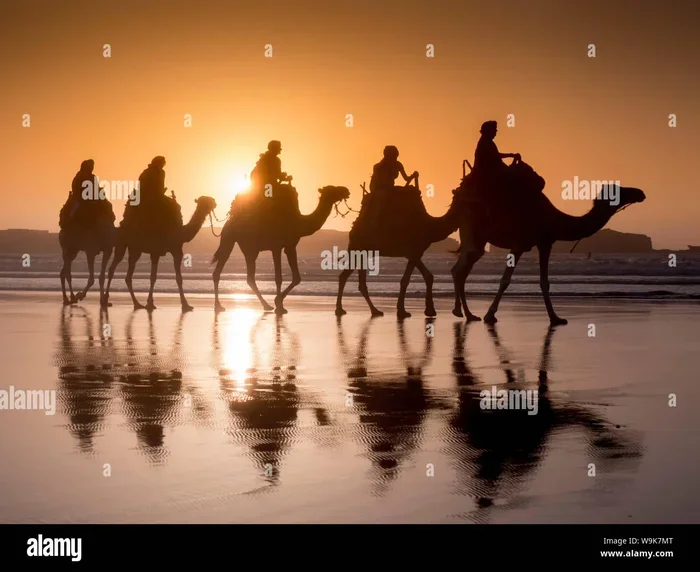
Featured image for camel trek beach Morocco
Image source: c8.alamy.com
The Marrakech to Essaouira tour with camel trek is one of Morocco’s most beloved day trips, blending coastal beauty with Saharan adventure. In just 10-12 hours, travelers journey through stunning landscapes, explore a UNESCO-influenced medina, and experience a traditional camel ride along Atlantic beaches. This tour offers the perfect mix of culture, nature, and adventure, making it ideal for first-time visitors and seasoned Morocco travelers alike.
Imagine trading the bustling souks and ochre-colored walls of Marrakech for the salty breeze of the Atlantic Ocean, all within a single day. Picture yourself riding a gentle camel along golden sands while fishermen mend their nets nearby and seagulls cry overhead. This is exactly what the Marrakech to Essaouira tour with camel trek promises, and it delivers on every front.
Essaouira, pronounced “es-ah-wee-rah,” is a port city that has charmed travelers for centuries. Once a major trading hub linking Africa and Europe, today it offers a refreshing escape from the desert heat of Marrakech. The journey itself is part of the magic, winding through valleys dotted with argan trees, past rolling hills, and alongside wild goats that climb trees in ways that seem to defy nature itself.
Whether you’re a solo adventurer, a couple seeking romance, or a family looking for unforgettable memories, this tour ticks every box. Let’s dive into everything you need to know about this incredible Moroccan experience.
Key Takeaways
- Distance & Duration: The journey from Marrakech to Essaouira covers about 175 km (109 miles) and typically takes 2.5-3 hours each way by van or minibus.
- Camel Trek Highlights: Most tours include a 1-2 hour camel ride along Essaouira’s sandy beaches, often paired with argan oil demonstrations at local cooperatives.
- Best Time to Visit: Spring (April-May) and autumn (September-October) offer the most pleasant temperatures, with summer attracting windsurfers due to strong trade winds.
- What to Expect in Essaouira: A charming blue-and-white coastal city with a UNESCO-listed medina, bustling fishing port, and vibrant arts scene.
- Tour Price Range: Day tours typically cost between €25-€75 per person, depending on inclusions like lunch, guide, and camel ride.
- Cultural Significance: Essaouira has a rich Jewish heritage and was a filming location for shows like Game of Thrones, adding cultural depth.
- Travel Tips: Bring sunscreen, comfortable shoes, a light jacket for coastal winds, and modest clothing for visiting religious sites.
📑 Table of Contents
- What Makes the Marrakech to Essaouira Tour So Special?
- How Long Is the Drive from Marrakech to Essaouira?
- What Does the Camel Trek Experience Include?
- Why Is Essaouira Worth Visiting?
- When Is the Best Time to Take the Marrakech to Essaouira Camel Trek Tour?
- How Much Does the Tour Cost and What’s Included?
- What Should You Pack and Wear for the Tour?
- How Does This Tour Compare to Other Marrakech Day Trips?
- Common Questions and Practical Tips for Your Tour
What Makes the Marrakech to Essaouira Tour So Special?
The Marrakech to Essaouira tour with camel trek isn’t just a day trip; it’s a journey through Morocco’s diverse landscapes and cultures. In a single day, you’ll experience three distinct worlds: the imperial city energy of Marrakech, the rugged Berber countryside, and the laid-back coastal charm of Essaouira.
A Trio of Experiences in One Day
Think of this tour as a sampler platter of Morocco. Instead of choosing between desert adventures, coastal scenery, and cultural exploration, you get all three. The camel trek along the beach is often described as the highlight, but many travelers say the real surprise is Essaouira itself. The city moves at a different pace, much slower and more relaxed than Marrakech.
Here’s what makes this tour stand out:
- Variety: Mountains, valleys, coast, and camels all in one trip
- Accessibility: Perfect for all ages and fitness levels
- Cultural depth: Visits to argan cooperatives and historic medinas
- Photo opportunities: Every turn offers Instagram-worthy moments
The Famous Tree-Climbing Goats
Did You Know? Along the route between Marrakech and Essaouira, you’ll often spot goats perched high up in argan trees. These agile climbers aren’t performing tricks; they’re actually foraging for the fruit, which resembles olives. Local farmers encourage this behavior because the goats spit out the seeds, which are then collected and pressed into the precious argan oil. It’s one of the most photographed roadside attractions in Morocco!
How Long Is the Drive from Marrakech to Essaouira?
The drive from Marrakech to Essaouira covers approximately 175 kilometers (109 miles) and takes around 2.5 to 3 hours each way, depending on traffic and stops. The road is well-maintained and offers scenic views that make the time fly by.
Visual guide about camel trek beach Morocco
Image source: c8.alamy.com
What You’ll See Along the Way
The route passes through several notable landscapes:
- Haouz Plain: Flat agricultural lands stretching toward the Atlas Mountains
- Argan Forests: UNESCO Biosphere Reserve since 1998, home to the rare argan tree
- Chichaoua Province: A transition zone between mountains and coast
- Rolling Hills: Green in winter and spring, golden in summer
Comfort and Travel Tips
Most tours use air-conditioned vans or minibusses with English-speaking drivers. Seats are generally comfortable, but the journey involves some winding roads, so motion sickness medication might help sensitive travelers. Many operators include comfort stops along the way, often at scenic viewpoints or argan cooperatives where you can stretch your legs, take photos, and learn about local products.
Did You Know? Morocco has invested heavily in its road infrastructure, with over 1,800 km of highways connecting major cities. The road to Essaouira is part of this growing network, making day trips increasingly popular.
What Does the Camel Trek Experience Include?
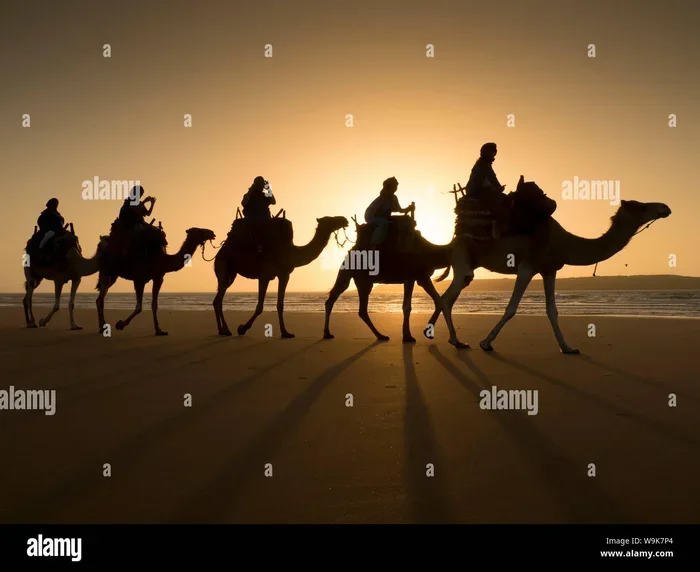
The camel trek is the signature experience of this tour, and it’s something you’ll talk about for years. Unlike desert camel rides that last several hours across dunes, the Essaouira camel trek typically takes place on flat, sandy beaches with the ocean as your backdrop.
What to Expect During the Camel Ride
Most tours include a 1-2 hour camel ride along Essaouira’s wide, sandy beaches. Here’s how it usually unfolds:
- Mounting: Camels kneel down, and you climb onto a padded saddle. The rising motion can feel surprising the first time, so hold on tight!
- The Trek: Your camel walks at a gentle, rhythmic pace along the shore. The Atlantic waves crash nearby, and the wind carries the smell of salt.
- Photo Stops: Guides typically pause for photos, especially at scenic points where dunes meet the ocean.
- Dismounting: The camel kneels again, and you dismount. Many tours end with mint tea at a Berber tent.
Is the Camel Ride Safe?
Yes, camel rides in Essaouira are very safe for beginners. The camels are well-trained, and guides lead them on foot or ride alongside on another camel. Children as young as 5 can participate, though parents should use their judgment. The main safety concern is simply the height; you’re seated roughly 6-7 feet off the ground.
Ethical Camel Trek Considerations
More travelers today care about animal welfare. Reputable tour operators ensure their camels are healthy, well-fed, and not overworked. Look for companies that:
- Limit the number of rides per day per camel
- Provide proper padding on saddles
- Allow camels to rest between treks
- Avoid riding during the hottest midday hours
Did You Know? Camels can live up to 50 years and have been domesticated for over 4,000 years. They’re often called “ships of the desert” because of their ability to travel long distances without water.
Why Is Essaouira Worth Visiting?
Essaouira is one of Morocco’s most beautiful coastal cities, and it’s been captivating visitors for generations. Unlike the inland imperial cities, Essaouira offers ocean views, sea breezes, and a relaxed atmosphere that feels worlds away from Marrakech.
A History Steeped in Trade and Culture
Essaouira’s history dates back to at least the 1st century BCE, when it was known as Mogador, an important Phoenician trading post. The modern city was shaped in the 18th century by Sultan Mohammed III, who hired a French architect to design the fortifications and European-style grid layout. The result is a city that blends Moroccan and European influences in a way found nowhere else in Morocco.
Top Attractions in Essaouira
Once you arrive, you’ll have free time (usually 2-3 hours) to explore independently or with a guide. Must-see spots include:
- The Medina (Old Town): A UNESCO World Heritage Site candidate with whitewashed buildings and blue accents. It’s much calmer than Marrakech’s medina.
- Skala de la Ville: An 18th-century seaside fortress with ramparts offering stunning ocean views.
- The Fishing Port: Watch fishermen unload their daily catch and sell it at the nearby auction. The blue boats are iconic.
- Place Moulay Hassan: The main square, perfect for people-watching and grabbing a café.
- Jewish Mellah: Essaouira’s Jewish heritage is profound, with a cemetery, synagogues, and a museum.
The Game of Thrones Connection
Pop culture fans will love this: Essaouira stood in for Astapor, the slave city in Slaver’s Bay, in Game of Thrones Season 3. The Skala fortress walls and medina streets appeared in several key scenes. Essaouira has also been featured in Gladiator and various Ridley Scott films.
Shopping and Local Crafts
Unlike Marrakech’s aggressive souks, Essaouira offers a more relaxed shopping experience. The medina is famous for:
- Thuya wood crafts: Made from local aromatic wood, including boxes, frames, and furniture
- Silver jewelry: Often incorporating traditional Berber designs
- Argan oil products: Cosmetics and culinary oils from nearby cooperatives
- Handwoven carpets and blankets: Featuring regional patterns
When Is the Best Time to Take the Marrakech to Essaouira Camel Trek Tour?
Essaouira enjoys a milder climate than inland Morocco thanks to ocean breezes. However, timing your visit can make a big difference in your experience.
Seasonal Breakdown
Spring (March-May): Often considered the best time, with temperatures between 18-25°C (64-77°F). Wildflowers bloom, and landscapes are green. Crowds are moderate.
Summer (June-August): Hot and windy, with temperatures around 20-28°C (68-82°F). Essaouira is famous for its strong trade winds, making summer the peak season for windsurfing and kitesurfing. Morning tours are most comfortable.
Autumn (September-November): Another excellent time, with cooling temperatures and clearer skies. The wind calms down, making it perfect for beach activities.
Winter (December-February): Mild and quiet, with temperatures around 12-20°C (54-68°F). Rain is possible but brief. This is the off-season, so prices are lower.
Monthly Tips
- April: The Gnaoua World Music Festival transforms Essaouira with concerts and cultural events
- June: Strong winds start, attracting windsurfers from around the world
- October: Calm seas and warm weather make this ideal for swimming and beach activities
Did You Know? The Gnaoua World Music Festival, held annually in Essaouira, attracts over 500,000 visitors and features musicians from across Africa and beyond. It’s one of Morocco’s most celebrated cultural events.
How Much Does the Tour Cost and What’s Included?
The Marrakech to Essaouira tour with camel trek is surprisingly affordable compared to similar experiences in other countries. Prices vary based on inclusions and group size.
Typical Price Ranges
- Budget tours: €25-€40 per person, usually including transport only
- Mid-range tours: €40-€60 per person, including transport, guide, camel trek, and sometimes lunch
- Premium tours: €60-€100 per person, including all of the above plus hotel pickup, private guide, and upgraded meals
What’s Typically Included
Most standard tours include:
- Round-trip transportation from your Marrakech hotel
- English-speaking driver or guide
- Camel trek (1-2 hours)
- Visit to an argan oil cooperative
- Free time in Essaouira
What’s Often Extra
- Lunch (sometimes included, sometimes not)
- Drinks and snacks
- Personal expenses and souvenirs
- Tips for guides and camel handlers
- Optional activities like quad biking
Tips for Booking
To get the best experience, consider these booking tips:
- Book in advance: Especially during spring and summer, tours fill up quickly
- Read reviews: Check TripAdvisor and Google Reviews for recent feedback
- Compare inclusions: A €10 price difference might mean a guide vs. no guide
- Ask about group size: Smaller groups (under 15) offer a better experience
- Check cancellation policies: Especially important during uncertain travel times
What Should You Pack and Wear for the Tour?
Packing smart can make the difference between a good trip and a great one. Essaouira’s coastal climate differs from Marrakech’s dry heat, so preparation matters.
Essential Items to Pack
- Comfortable walking shoes: The medina has uneven cobblestones
- Light layers: Coastal winds can be chilly, especially in winter
- Sunscreen and sunglasses: The Atlantic sun reflects off the water
- Hat or scarf: Protection from both sun and wind
- Camera: You’ll want to capture every moment
- Cash: For shopping, tips, and small purchases
- Reusable water bottle: Stay hydrated throughout the day
What to Wear
Morocco is a Muslim country, so modest dress is appreciated, especially in religious areas. However, Essaouira is more liberal than inland cities. Recommended attire includes:
- Long pants or flowing skirts: Comfortable and respectful
- Tops covering shoulders: Avoid sleeveless in the medina
- Light colors: Reflect heat and look great in photos
- A light jacket: Essential for windy beach moments
What to Leave Behind
Some items are better left at your hotel:
- Heavy jewelry that might attract attention
- Excessive cash or flashy items
- Formal clothing you won’t need
- Large bags that slow you down
How Does This Tour Compare to Other Marrakech Day Trips?
Marrakech is a launchpad for incredible day trips. Here’s how the Essaouira tour stacks up against other popular options.
Essaouira vs. Ouzoud Waterfalls
Ouzoud is Morocco’s most famous waterfall, a 110-meter cascade surrounded by greenery. It’s a nature-focused trip, about 2.5 hours from Marrakech. Choose Ouzoud if you love hiking and natural beauty; choose Essaouira if you want beach, culture, and variety.
Essaouira vs. Atlas Mountains
The Atlas Mountains offer Berber villages, hiking, and snow-capped peaks. They’re closer (1-1.5 hours) but offer a completely different experience. Choose the Atlas for mountain scenery and Berber culture; choose Essaouira for ocean vibes and coastal relaxation.
Essaouira vs. Ait Benhaddou
Ait Benhaddou is a UNESCO World Heritage Site famous for its ancient kasbah and Hollywood film appearances (Gladiator, Game of Thrones). It’s farther away (4+ hours) and requires more time. Choose Ait Benhaddou for history and architecture; choose Essaouira for a more relaxed, varied day.
Why Essaouira Often Comes Out on Top
The Marrakech to Essaouira tour with camel trek wins for several reasons:
- Variety: Beach, culture, and adventure in one day
- Comfortable pace: Not too rushed, with plenty of free time
- Universal appeal: Something for everyone, regardless of age or interest
- Iconic activities: Camel rides and coastal views are bucket-list experiences
Common Questions and Practical Tips for Your Tour
Should I Book Online or Through My Hotel?
Both options work, but online booking through platforms like Viator, GetYourGuide, or local operators often offers better prices and verified reviews. Hotels may charge a commission, so compare prices first.
Can I Customize the Tour?
Many operators offer private tours that can be customized. You might add stops at specific viewpoints, extend time in Essaouira, or include lunch at a traditional restaurant. Private tours cost more but offer flexibility.
Is the Tour Suitable for Children?
Absolutely. Children love the camel ride, and the beach is great for play. Most operators welcome kids, though some may have age restrictions for the camel trek. Bring snacks and entertainment for the car ride.
What If I’m Scared of Camels?
You’re not alone! Many people are nervous about camel rides. Here’s the good news: camels are gentle, slow-moving animals. The ride is smooth, and guides are patient. If you’re truly uncomfortable, you can often opt out and wait at the beach café while others ride.
Will I Have Wi-Fi on the Tour?
Most tour vans don’t offer Wi-Fi, but Morocco has good 4G coverage. Consider buying a local SIM card or activating an international roaming plan before your trip.
What Language Will the Guide Speak?
English is standard for most international tours. French, Spanish, and Arabic are also common. Check with your operator about language options if English isn’t your preference.
The Marrakech to Essaouira tour with camel trek isn’t just an excursion; it’s a passage through Morocco’s heart. From the moment you leave Marrakech’s red walls to the second you ride a camel along the Atlantic shore, every moment feels like stepping into a storybook. The combination of natural beauty, cultural richness, and adventure creates memories that last a lifetime.
This tour captures something special: the ability to see Morocco’s incredible diversity in a single day. You’ll witness the contrast between bustling Marrakech and serene Essaouira, between arid plains and ocean waves, between ancient traditions and modern life. It’s a snapshot of Morocco that leaves most travelers planning their return before they’ve even left.
Whether you’re checking off bucket-list experiences, seeking Instagram-worthy moments, or simply wanting to understand Morocco beyond its famous medinas, this tour delivers. Pack your camera, bring your curiosity, and prepare for a day that perfectly blends adventure, culture, and coastal magic. The Marrakech to Essaouira camel trek experience awaits, and trust me, it’s every bit as magical as you’ve heard.