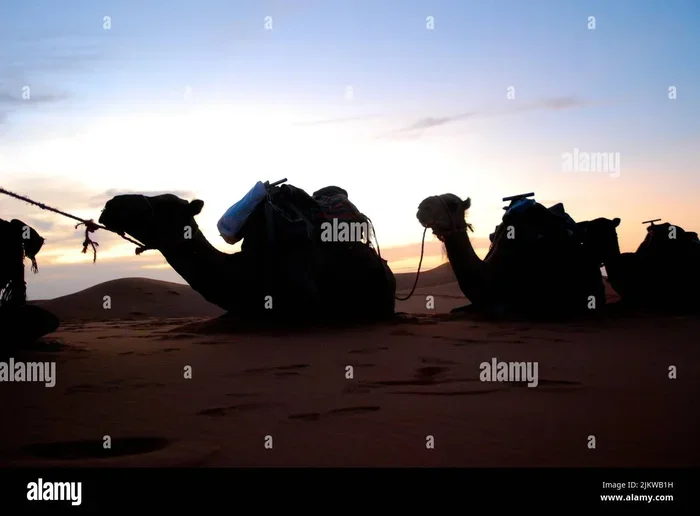
Featured image for Desert camel sunset Morocco
Image source: c8.alamy.com
The Marrakech to Zagora 11 day tour is the most immersive way to experience southern Morocco. Over eleven unforgettable days, you’ll journey from the vibrant souks of Marrakech through the Atlas Mountains, past ancient kasbahs, and into the sweeping Sahara Desert near Zagora. This extended itinerary allows for slow travel, authentic cultural encounters, and unforgettable desert sunsets, making it ideal for travelers who want to see Morocco beyond the surface.
Marrakech pulses with energy. The moment you step into its medina, you’re surrounded by the scent of cumin, the call to prayer echoing from minarets, and a swirl of motorbikes weaving through alleys barely wide enough for a donkey cart. It’s a city that hits every sense at once, and for many travelers, it becomes the perfect launch point into the deeper, quieter soul of Morocco.
The Marrakech to Zagora 11 day tour isn’t just a trip, it’s a slow unraveling of one of North Africa’s most fascinating landscapes. Over eleven days, you trade souks for sand dunes, kasbahs for camel caravans, and crowded plazas for starlit desert skies. Think of it like reading a long, beautiful novel instead of a short story. You get to know the characters, the scenery, and the plot twists. You don’t just pass through Morocco, you live it.
This guide breaks down everything you need to know, from what each day looks like to where you’ll sleep, what you’ll eat, and why this longer route beats the rushed alternatives. Whether you’re a first-time visitor or returning to dig deeper, the 11-day Marrakech to Zagora tour is the definitive way to see southern Morocco.
Key Takeaways
- Duration & Depth: 11 days allows travelers to cover roughly 1,200 km of Morocco while experiencing desert life, mountain villages, and coastal cities at a relaxed rhythm.
- Route Highlights: The classic route passes through the Atlas Mountains, Ait Ben Haddou, Ouarzazate, the Draa Valley, Zagora, and often extends to Essaouira or the Atlantic coast.
- Cultural Immersion: The tour includes nights in Berber camps, kasbah hotels, and riads, giving visitors authentic insight into Moroccan hospitality and traditions.
- Best Travel Season: October through April offers the most comfortable temperatures for desert travel, with cool nights and warm, sunny days.
- Adventure Variety: Camel trekking, 4×4 excursions, hiking, and guided medina walks keep every day fresh and engaging.
- Budget Range: Expect costs between $1,200 and $2,500 per person depending on accommodation tier (standard, mid-range, or luxury).
- Why It Stands Out: Unlike shorter 3–4 day desert tours, the 11-day version lets you absorb landscapes slowly and connect meaningfully with local communities.
📑 Table of Contents
- What Is the Marrakech to Zagora 11 Day Tour?
- Where Does the Tour Go? (The Complete Route)
- When Is the Best Time to Take This Tour?
- Why Choose an 11-Day Itinerary Instead of a Shorter One?
- How Much Does the Marrakech to Zagora 11 Day Tour Cost?
- What Should You Pack for the 11 Day Marrakech to Zagora Tour?
- What Cultural Etiquette Should You Know?
- Common FAQs About the Marrakech to Zagora 11 Day Tour
- Final Thoughts: Is the 11 Day Marrakech to Zagora Tour Worth It?
What Is the Marrakech to Zagora 11 Day Tour?
The Marrakech to Zagora 11 day tour is a guided overland journey covering roughly 1,200 kilometers (about 750 miles) of Morocco’s most scenic terrain. It begins in Marrakech, crosses the High Atlas Mountains, winds through the Valley of the Roses, passes the UNESCO-listed Ait Ben Haddou, and continues south through the Draa Valley to the desert town of Zagora, where camel treks lead into the Sahara. Many itineraries loop back via the coast, ending in Essaouira or Agadir.
To put it simply, imagine Morocco as a layered cake. Marrakech is the icing, busy and sweet. Zagora is the deep caramel center, rich and quiet. The 11-day tour gives you time to taste every layer in between.
Who Is This Tour For?
This tour is designed for travelers who want more than a quick desert photo. It’s perfect for:
- Slow travelers who prefer depth over speed.
- Photographers chasing golden dunes and ancient architecture.
- Culture lovers interested in Berber heritage and traditional crafts.
- Couples and families seeking meaningful shared experiences.
- Solo adventurers who want safety, structure, and a small group vibe.
What Makes It Different From Shorter Tours?
Most travelers know the popular 3-day Marrakech to Merzouga tour, but Zagora is often overlooked in favor of the more famous Erg Chebbi dunes. The 11-day itinerary stands out for three reasons:
- It includes Zagora’s unique Draa Valley scenery.
- It allows overnight stays in remote kasbahs.
- It combines desert and coast in one seamless loop.
Did You Know? Zagora was once the departure point for caravans crossing the Sahara to Timbuktu. A famous sign at the town edge still reads “Timbuktu: 52 days by camel.” Today, of course, it’s just a few hours by 4×4, but the romance of the route remains.
Where Does the Tour Go? (The Complete Route)
One of the best things about the 11-day format is the variety. You start in a busy imperial city and end, in many cases, on the Atlantic coast. Here’s a typical day-by-day breakdown.
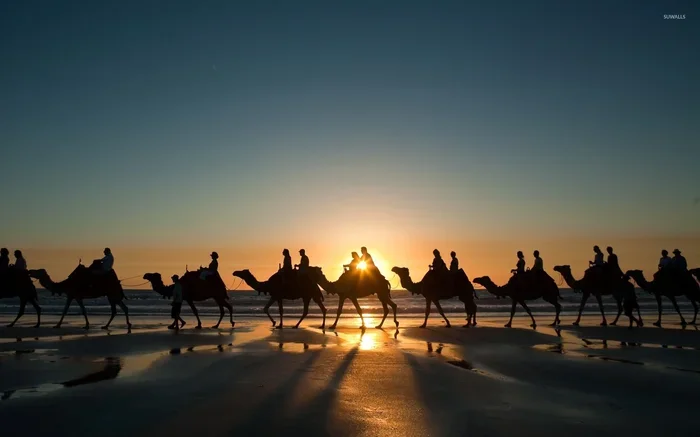
Visual guide about Desert camel sunset Morocco
Image source: cdn.suwalls.com
Days 1–2: Marrakech Discovery
Most tours begin with a guided walk through Marrakech’s medina, a UNESCO World Heritage Site since 1985. You’ll visit Jemaa el-Fnaa, the famous square that transforms into an open-air food market by night, the Saadian Tombs, the Bahia Palace, and the Majorelle Garden.
Travel Tip: Arrive a day early to adjust to the time zone and avoid rushing into the desert.
Days 3–4: Crossing the Atlas and Reaching the Desert
Day three usually involves a scenic drive over the Tizi n’Tichka Pass (2,260 m elevation), with stops at Berber markets. By day four, you’ll be in the desert. In Zagora, camel treks typically last 1–2 hours and lead to Berber camps where you’ll sleep under the stars or in traditional nomadic tents.
Days 5–7: Draa Valley and Remote Kasbahs
The Draa Valley is Morocco’s longest riverbed oasis, stretching over 200 kilometers. Expect date palms, fortified villages (ksour), and ancient caravan stops. Tours often include hikes between villages, cooking classes, and music nights with local Gnawa performers.
Days 8–9: Return North Through Ouarzazate and Ait Ben Haddou
This is where Hollywood magic meets history. Ouarzazate is home to Atlas Film Studios, where movies like Gladiator and Lawrence of Arabia were filmed. Nearby Ait Ben Haddou is a UNESCO-listed ksar (fortified village) that has appeared in over 20 films and series, including Game of Thrones.
Days 10–11: Essaouira or Agadir and Return
Many tours loop west to the Atlantic coast. Essaouira is a laid-back port town famous for its blue-and-white medina, fresh seafood, and strong winds that make it a windsurfing hotspot. Agadir is more resort-focused, with wide beaches and modern hotels.
Did You Know? Morocco has 9 UNESCO World Heritage Sites, and the 11-day tour typically visits at least 3 of them: Marrakech, Ait Ben Haddou, and Essaouira.
When Is the Best Time to Take This Tour?
Morocco’s climate varies dramatically by region. In the desert, summer temperatures can hit 45°C (113°F), while winter nights can drop below freezing in the Atlas Mountains.
The Sweet Spot: October to April
This is the prime season for the Marrakech to Zagora 11 day tour. Daytime highs in the desert hover around 22–28°C (72–82°F), and nights are crisp but comfortable. The skies are clear, making sunrise and sunset photography exceptional.
What About Summer?
July and August are hot, especially in the Draa Valley and Zagora. Some operators offer discounted summer rates, but expect sweltering midday drives. If you must travel in summer, start early, hydrate often, and opt for a 4×4 with air conditioning.
Ramadan Considerations
Traveling during Ramadan can be culturally rewarding but logistically tricky. Many restaurants close during daylight hours, and daytime activity slows. If you’re after full immersion, it’s a fascinating time to visit. If you prefer efficiency and energy, travel outside of it.
Did You Know? Morocco receives over 13 million tourists annually, with peak months being March, April, October, and November.
Why Choose an 11-Day Itinerary Instead of a Shorter One?
Shorter tours (3–5 days) cover the basics: Atlas Mountains, Ait Ben Haddou, and a quick camel trek. The 11-day version, however, offers a completely different experience.
It Lets You Breathe
Driving days are shorter, giving you time to linger in villages, chat with locals, or simply sit with a mint tea and watch the landscape change. It’s the difference between flipping through a postcard rack versus reading a travel journal.
It Hits Multiple Climates
In eleven days, you experience snowy mountain passes, arid desert, fertile valleys, and breezy coastlines. This variety keeps the trip dynamic.
It Builds Cultural Depth
With more nights in Berber villages, you get invited into homes, learn basic Arabic or Amazigh phrases, and understand the rhythm of rural Moroccan life.
Did You Know? About 60% of Morocco’s population speaks Amazigh (Berber) as a first language, especially in the south. Picking up even one greeting (like “Azul” for hello) goes a long way.
How Much Does the Marrakech to Zagora 11 Day Tour Cost?
Costs vary based on accommodation, group size, and inclusions, but here’s a general breakdown.
Budget Tier ($1,200–$1,500 per person)
- Shared transport in a minibus
- Standard riads and basic desert tents
- Group meals (often 8 included)
- Guided city walks in major stops
Mid-Range Tier ($1,600–$2,000 per person)
- Smaller groups (max 12 people)
- Upscale riads with pools
- Private camel treks at sunset
- More meals and cultural performances
Luxury Tier ($2,200–$2,500+ per person)
- Private 4×4 vehicle and driver-guide
- Boutique kasbahs and glamping in the dunes
- All meals, drinks, and tips included
- Custom excursions like private cooking classes
What’s Usually Included
Most tours include accommodation, breakfast, transport, camel trekking, and a local guide. Airfare to Morocco, travel insurance, lunches, tips, and personal shopping are typically extras.
Travel Tip: Always clarify whether the desert camp has private bathrooms. Luxury and mid-range camps usually do; budget camps often use shared facilities.
What Should You Pack for the 11 Day Marrakech to Zagora Tour?
Packing smart makes the trip smoother. The desert, mountains, and coast each require different gear.
Clothing Essentials
- Layers: Mornings are cold, afternoons hot.
- Modest attire: Especially for visiting religious sites.
- Comfortable walking shoes for medina cobblestones.
- Sandals for the desert camp.
Health & Practical Items
- Sunscreen & sunglasses: Desert UV is intense.
- Reusable water bottle: Tap water isn’t drinkable.
- Basic first-aid kit: For blisters and stomach upsets.
- Headlamp: Desert camps are dark at night.
Gadgets
- Camera with zoom lens: You’ll thank yourself at the dunes.
- Power bank: Some remote stops lack reliable outlets.
- Universal adapter: Morocco uses Type C and E plugs.
Did You Know? Morocco has over 1,000,000 Instagram posts tagged #sahara, but the most striking shot, the one with a single camel against endless dunes, is best captured at sunrise, when the light is golden and soft.
What Cultural Etiquette Should You Know?
Morocco is welcoming but conservative, especially in rural areas. Respecting local customs enhances your experience.
Greetings and Hospitality
When entering someone’s home or a riad, remove your shoes if you see others doing so. Accept tea when offered, even if you’re not thirsty. It’s a sign of respect.
Photography Etiquette
Always ask before photographing people, especially women and elders. In markets, a small tip (5–10 dirhams) is appreciated if you take a portrait.
Dress Code
Cover shoulders and knees, particularly in smaller villages. In Marrakech, you’ll see tourists in shorts, but locals appreciate modesty.
Tipping Culture
Tipping is expected but modest. Round up in taxis, leave 10–15% in restaurants, and tip camel guides and drivers (around 100–200 dirhams per day combined).
Travel Tip: Learn to say “Shukran” (thank you) and “La, shukran” (no, thank you). Politeness opens doors everywhere in Morocco.
Common FAQs About the Marrakech to Zagora 11 Day Tour
Before booking, most travelers have a few practical questions. Here’s what people ask most.
Is the Marrakech to Zagora 11 day tour safe?
Yes. Morocco is one of Africa’s most stable countries, and guided tours are especially safe. You’ll be with a licensed driver-guide who knows the terrain, and group tours offer built-in camaraderie and security.
Do I need a visa for Morocco?
Citizens of over 60 countries, including the US, UK, EU, Canada, and Australia, can enter Morocco visa-free for stays up to 90 days. Always check current requirements before flying.
What’s the difference between Zagora and Merzouga?
Merzouga has the taller Erg Chebbi dunes (up to 150m), while Zagora has the smaller Erg Chigaga dunes and a more remote, rugged feel. Both are stunning; the 11-day tour usually focuses on Zagora for its cultural richness.
Can I customize the itinerary?
Most operators offer private tour upgrades that let you add or skip stops. Want an extra night in the desert or a cooking class in Essaouira? Just ask.
Is the camel ride uncomfortable?
Camels are surprisingly smooth but unusual. Expect some muscle soreness after a 1–2 hour ride, especially if you’re tall. The experience, however, is unforgettable.
Are vegetarian options available?
Absolutely. Moroccan cuisine is naturally vegetarian-friendly, with dishes like vegetable tagines, lentils, and couscous readily available.
Final Thoughts: Is the 11 Day Marrakech to Zagora Tour Worth It?
If you’ve ever dreamed of watching the sun melt into the Sahara, hearing drums echo across a Berber camp, or walking through a kasbah that’s stood for 800 years, this tour makes those dreams real. It’s not a rushed checklist. It’s a slow, deep immersion into one of the world’s most beautiful corners.
The Marrakech to Zagora 11 day tour gives you time to adjust, reflect, and absorb. You’ll leave with more than photos; you’ll leave with stories, friendships, and a quiet understanding of Morocco that shorter trips simply can’t offer.
So pack light, bring curiosity, and get ready for eleven days that might just change how you see the world.