
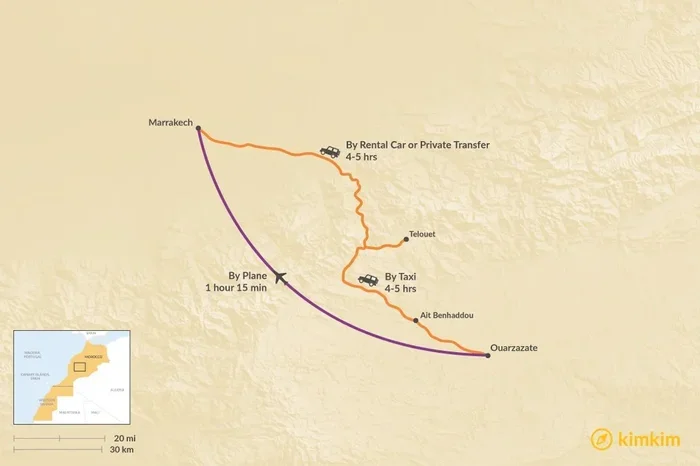
Featured image for Marrakech to Ouarzazate desert road
Image source: cdn.kimkim.com
A Marrakech to Ouarzazate 1 day tour packs an entire desert kingdom’s worth of wonder into a single adventure. You’ll cross the breathtaking Tizi n’Tichka mountain pass, visit the legendary UNESCO-listed Ait Ben Haddou kasbah, and step behind the scenes at one of the world’s most famous film studios—all before returning to Marrakech under starlit skies. It’s the most efficient way to experience southern Morocco’s cinematic landscapes without committing to a multi-day trip.
Marrakech pulses with energy—snake charmers in Jemaa el-Fnaa, the smell of tagine drifting from street stalls, and the constant hum of motorbikes weaving through the medina. But beyond the city’s red walls lies a completely different Morocco. One where ancient kasbahs rise from desert plains, Hollywood blockbusters come to life, and mountain passes cut through clouds so close you could touch them.
The journey from Marrakech to Ouarzazate is often called “Morocco’s most scenic drive” by travel experts—and for good reason. Think of it as a real-life movie reel: every turn reveals a new landscape that has starred in films you’ve definitely watched. From the snow-capped Atlas Mountains to the golden kasbahs that seem to grow straight out of the earth, this route is pure visual magic.
Here’s the good news: you don’t need two weeks or even two days to experience it. A well-planned Marrakech to Ouarzazate 1 day tour crams the highlights into roughly 12-14 hours, including travel time, sightseeing stops, and lunch. It’s like a greatest hits album of southern Morocco. Whether you’re a film buff, history lover, or simply someone who appreciates jaw-dropping scenery, this day trip delivers.
Key Takeaways
- Distance and Duration: The journey covers approximately 200 km (124 miles) one way, taking 4-5 hours each direction through winding mountain roads.
- UNESCO Heritage: Ait Ben Haddou is a UNESCO World Heritage Site since 1987 and has appeared in over 20 Hollywood films including Gladiator.
- Best Season: October through April offers the most comfortable temperatures, with spring (March-May) showcasing wildflowers along the route.
- Film Studio Highlight: Atlas Studios is the world’s largest film studio by area, where movies like Lawrence of Arabia and Game of Thrones were filmed.
- Altitude Alert: Tizi n’Tichka pass reaches 2,260 meters (7,415 feet), so travelers prone to altitude sickness should take precautions.
- Authentic Experiences: The route crosses traditional Berber villages where you can witness centuries-old terraced farming techniques still in use today.
- Tour Value: A day tour includes hotel pickup, driver-guide, and stops at major attractions, making it the most stress-free way to explore.
📑 Table of Contents
Why Choose a 1 Day Tour from Marrakech to Ouarzazate?
Let’s be honest—when you’re planning a Morocco trip, time is precious. You probably have a packed itinerary that includes exploring Marrakech’s souks, maybe a camel trek in the Sahara, and definitely some mint tea experiences. So why spend a full day on a long drive? Because this route offers something you simply cannot find anywhere else.
The Convenience Factor
A guided day tour handles everything. Your hotel pickup happens around 7:00 AM. You sit back in a comfortable, air-conditioned vehicle while a local driver-guide shares stories about the regions you pass through. No navigation stress. No haggling with taxi drivers. No wondering if you’re on the right road. It’s like having a personal concierge for the day.
Tours typically cost between €50-€90 per person, which includes transport, a driver-guide, and sometimes entrance fees. Compare that to renting a car (around €40-€60 per day plus fuel), paying tolls, and navigating unfamiliar mountain roads yourself—and the value becomes obvious.
The Scenery Is Non-Negotiable
Imagine driving through Switzerland’s Alps, then suddenly being transported to Arizona’s Monument Valley, with a sprinkle of Tuscany’s rolling hills. That’s the Tizi n’Tichka pass in a nutshell. The road climbs from 1,500 feet to over 7,400 feet in less than two hours. Along the way, you’ll pass:
- Terraced farms carved into mountainsides by hand
- Traditional Berber villages clinging to hillsides
- Rivers cutting through dramatic gorges
- Wildflowers blooming in spring (March-May)
- Sheep herders walking centuries-old migration paths
Did You Know? The Tizi n’Tichka pass is one of the highest paved mountain roads in North Africa, and it was completed in 1936 after 10 years of construction using primarily manual labor.
What You’ll See: The Main Stops on the Route
The beauty of a Marrakech to Ouarzazate 1 day tour lies in its variety. You start in a bustling imperial city and end in “Morocco’s Hollywood”—with everything in between feeling like stepping through a time portal.
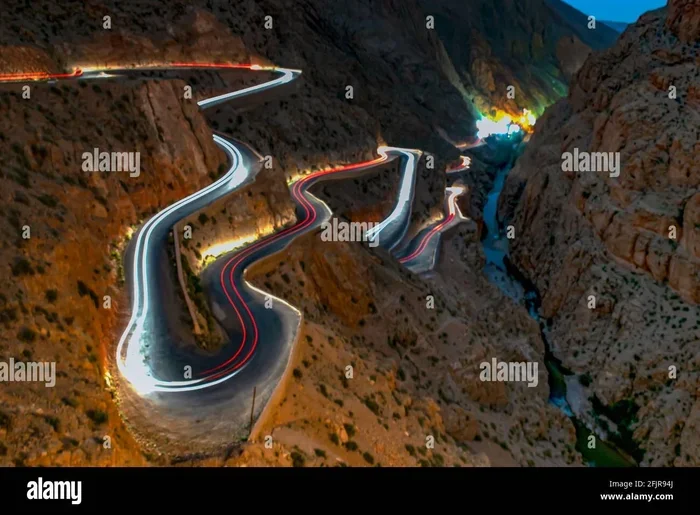
Visual guide about Marrakech to Ouarzazate desert road
Image source: c8.alamy.com
Ait Ben Haddou: The Star of the Show
This is the moment travelers wait for. Ait Ben Haddou is a fortified village (ksar) along the former caravan route between the Sahara and Marrakech. Its towering kasbahs, made entirely of rammed earth, have been featured in films like Gladiator, Lawrence of Arabia, The Mummy, and TV series Game of Thrones.
Walking through Ait Ben Haddou feels like entering a living museum. The village has been inhabited continuously for over 1,000 years, though most residents now live in a modern village across the river. Only a handful of families still live in the ancient structures. As you wander narrow alleys between earthen walls, you can almost hear the echoes of ancient traders who once rested here while moving gold, salt, and slaves across the desert.
Did You Know? Ait Ben Haddou has appeared in over 20 major films and TV productions, earning it the nickname “The Hollywood of Africa.” UNESCO designated it a World Heritage Site in 1987 for its outstanding example of pre-Saharan habitat construction.
Ouarzazate: The Gateway to the Sahara
Once you arrive in Ouarzazate (pronounced “War-za-zat”), you’ll understand why it’s called the “Door of the Desert.” This small city of about 100,000 people serves as the launching point for Sahara expeditions, but it’s also home to two major attractions that make a day tour worthwhile.
The Taourirt Kasbah, a sprawling fortress with 300 rooms, sits in the heart of the city. It was once the residence of the powerful Glaoui family who controlled trade routes through the Atlas Mountains. Today, parts of it are open to visitors, offering a glimpse into aristocratic Moroccan life in the 19th and early 20th centuries.
Atlas Studios: Where Movie Magic Happens
Here’s where things get really fun for film enthusiasts. Atlas Studios is the world’s largest film studio by area—yes, bigger than Hollywood’s biggest. At over 320,000 square meters, it’s where massive sets like ancient Egypt, Tibetan monasteries, and medieval castles are built, filmed, and sometimes left standing for curious visitors like you.
The studio tour takes about 45 minutes to an hour and includes:
- Original sets from Gladiator, Alexander, and Prince of Persia
- Props from Game of Thrones and The Mummy
- Costume displays from various productions
- A look at how desert scenes are filmed
Even if movies aren’t your thing, the sheer scale of the sets will amaze you. Standing next to a 50-foot prop from an ancient epic makes you feel like you’ve shrunk to action-figure size.
Planning Your Perfect Day Trip
Success on a day tour comes down to smart planning. Here’s how to make sure your experience is smooth, comfortable, and memorable.
What to Pack
Keep it simple. You won’t need much, but a few essentials make a huge difference:
- Comfortable walking shoes with good grip—you’ll climb stairs at Ait Ben Haddou
- Layers of clothing—temperatures vary dramatically between Marrakech (warm) and the mountain pass (cool)
- Sunscreen and sunglasses—the Moroccan sun is strong, especially at altitude
- A refillable water bottle—stay hydrated
- Camera or phone with extra battery—you’ll take more photos than you think
- Cash in small dirham notes—for tips, souvenirs, and small purchases
- Light scarf or shawl—useful for sun protection and visiting religious sites
Pro Tip: Leave your heavy luggage at your Marrakech hotel. Most tour operators allow you to bring only a small daypack. If you’re heading to the Sahara afterward, ask your tour company about luggage transfer options.
Best Time to Go
Timing matters more than you’d think. The mountains between Marrakech and Ouarzazate can experience all four seasons in one day, so choose your season wisely.
Spring (March-May): Often considered the best time. Wildflowers bloom along the route, temperatures are mild (15-25°C / 59-77°F), and the skies are typically clear. This is peak tourist season, so book in advance.
Autumn (September-November): Another excellent choice. The summer heat breaks, crowds thin out after August, and the light is gorgeous for photography. Temperatures range from 20-28°C (68-82°F).
Winter (December-February): Possible but chilly. The mountain pass sometimes sees snow, which can cause road closures. Temperatures at altitude can drop below freezing, while Marrakech remains pleasant. Bring warm layers.
Summer (June-August): Not recommended. Temperatures exceed 40°C (104°F) in Ouarzazate, making outdoor exploration uncomfortable. Mountain roads can also be busy with trucks.
Choosing the Right Tour Operator
Not all tours are created equal. Here’s what separates a great tour from a forgettable one:
Look for operators with consistently high reviews (4.5+ stars) on platforms like TripAdvisor or GetYourGuide. Small group sizes (typically 4-12 people) offer better experiences than large bus tours with 30+ passengers. Confirm that your guide speaks English clearly—communication makes or breaks the experience. Check what’s included: hotel pickup, entrance fees, and lunch can vary dramatically between operators.
Red Flag: If a price seems too good to be true, it probably is. Rock-bottom tours often skip the studio entrance fee, rush through Ait Ben Haddou, or pack too many people into vehicles.
The Journey: What to Expect Hour by Hour
Knowing the flow of your day helps you prepare mentally and physically. Here’s a typical schedule for a Marrakech to Ouarzazate 1 day tour:
Morning: Departure and Mountain Crossing (7:00 AM – 12:00 PM)
Your driver picks you up from your hotel or riad around 7:00 AM. The early start beats traffic and the midday heat. The first hour takes you through Marrakech’s outskirts, past industrial zones, and into increasingly rural landscapes.
Around the 90-minute mark, you’ll begin the climb up Tizi n’Tichka pass. This is when your camera should be ready at all times. The road switchbacks dramatically, with each turn revealing a new vista. Your driver will likely stop at scenic viewpoints—don’t miss these photo opportunities.
A typical mid-morning break happens at a small Berber village where you can stretch your legs, use restrooms, and grab fresh orange juice or mint tea. These stops are touristy but offer a chance to purchase local crafts like argan oil and handwoven rugs.
Late Morning to Early Afternoon: Ait Ben Haddou (12:00 PM – 2:30 PM)
Arrival at Ait Ben Haddou usually happens around midday. You’ll have about 1-2 hours here, which is enough time to cross the river, climb through the kasbah, and take plenty of photos.
Most tours include lunch at a restaurant overlooking Ait Ben Haddou. The setting alone is worth it—imagine eating tagine while gazing at a 1,000-year-old earthen city. Lunch typically costs €10-€15 extra if not included, but the experience is unforgettable.
The walk to the top of the kasbah involves climbing steep, narrow stairs. It’s not dangerous, but it requires reasonable mobility. If you have knee problems, you can opt to stay in the lower village and explore the artisan shops instead.
Afternoon: Ouarzazate and Studios (2:30 PM – 5:30 PM)
After Ait Ben Haddou, it’s a short 30-minute drive to Ouarzazate. Most tours visit the Atlas Studios (entry fee around €8-€10) and sometimes the Taourirt Kasbah.
The studio tour is fascinating even for non-film fans. Your guide walks you through massive warehouses where props and sets sit silently waiting for their next production. You’ll see complete Egyptian temples, medieval torture devices (yes, really), and costumes from major films. The tour ends at a gift shop where you can purchase movie memorabilia.
Evening: Return Journey (5:30 PM – 9:00 PM)
The return trip follows the same route but feels different. The afternoon light creates different shadows in the mountains, and you’ll often catch sunset over the Atlas range—an unforgettable sight.
Most tours include a dinner stop mid-journey, though some return directly to Marrakech. Arrive back at your hotel between 8:00 and 9:30 PM, depending on traffic and stop duration. You’ll be tired but completely satisfied.
Tips for an Unforgettable Experience
Here’s how to transform a good tour into a great one:
Engage With Your Guide
Your driver-guide is typically a local who has driven this route hundreds of times. Ask questions about their life, their family, and their favorite spots. Moroccan guides often have fascinating stories about regional history, Berber culture, and the films shot locally. The more you engage, the richer your experience becomes.
Did You Know? Many Moroccan tour guides come from families who have worked in the tourism industry for generations. Some even have connections to film crews and can share insider stories about famous movie productions.
Respect Local Customs
The villages you pass through are home to real people with real traditions. When taking photos, always ask permission first—especially of women and children. Dress modestly when visiting kasbahs and avoid public displays of affection. Small gestures of respect go a long way in creating positive interactions.
Bring Extra Memory Cards
This is no exaggeration: you’ll take more photos on this trip than almost any other day in Morocco. Between the mountain vistas, the kasbah architecture, and the quirky film studio props, your phone or camera will work overtime. Make sure you have enough storage and battery power.
Try the Local Food
Don’t play it safe with familiar foods. Lunch is a chance to try authentic Berber dishes like:
- Tagine—slow-cooked stew with meat, vegetables, and preserved lemons
- Couscous—steamed semolina grains with vegetables and meat (traditionally served on Fridays)
- Harira—hearty tomato-based soup with lentils and chickpeas
- Mint tea—Morocco’s national drink, sweet and refreshing
Vegetarian options are widely available, but make your preferences known when booking.
Common Questions and Concerns
Is the Drive Scary?
Let’s address the elephant in the room. The Tizi n’Tichka pass features sharp curves, steep drop-offs, and—occasionally—aggressive drivers. If you’re prone to motion sickness, take medication before departure. The roads are well-maintained and your driver is experienced, but it’s not a journey for the faint of heart. Sit in the front seat if you can—it’s more comfortable and reduces motion sickness.
Can I Do This With Kids?
Absolutely, with some planning. Children love Ait Ben Haddou (it looks like a real-life castle) and the film studios (especially the props and costumes). Bring snacks, entertainment for the car ride, and plan for extra bathroom stops. Kids under 5 might find the long day challenging, but ages 6+ generally do well.
What About Accessibility?
This is one of the more challenging tours for travelers with mobility issues. Ait Ben Haddou requires climbing stairs and navigating uneven terrain. The film studios are more accessible, but the mountain drive itself involves long periods in a vehicle. If accessibility is a major concern, discuss it with your tour operator in advance—they may be able to modify the itinerary.
Should I Tip the Driver?
Tipping isn’t mandatory but is deeply appreciated. Standard practice is around 100-150 dirhams (€10-€15) per person for a full-day tour. If your guide went above and beyond—sharing exceptional stories, helping with photos, accommodating special requests—tip more. Tips form a significant part of driver-guides’ income.
The Bottom Line: Is This Day Trip Worth It?
Here’s the honest answer: absolutely yes. The Marrakech to Ouarzazate 1 day tour offers more variety, more scenery, and more memorable moments than many multi-day tours in other countries. You’ll experience three distinct environments—imperial city, high mountains, and desert gateway—in a single day. You’ll visit a UNESCO World Heritage Site. You’ll walk through real movie sets. You’ll meet Berber villagers maintaining thousand-year-old traditions.
Is it a long day? Yes. Will you be tired afterward? Definitely. But will you regret it? Not for a second.
For travelers with limited time in Morocco, this day trip is non-negotiable. It’s the perfect complement to your Marrakech exploration, offering a complete picture of the country’s diversity. For film enthusiasts, it’s paradise. For photographers, it’s a dream. For anyone seeking authentic experiences beyond the tourist trail, it’s eye-opening.
Book your tour in advance, especially during spring and fall. Pack light, bring your sense of adventure, and prepare for one of the most visually stunning days of your entire trip. Marrakech to Ouarzazate in one day isn’t just possible—it’s spectacular.
The road is calling. Are you ready to answer?