
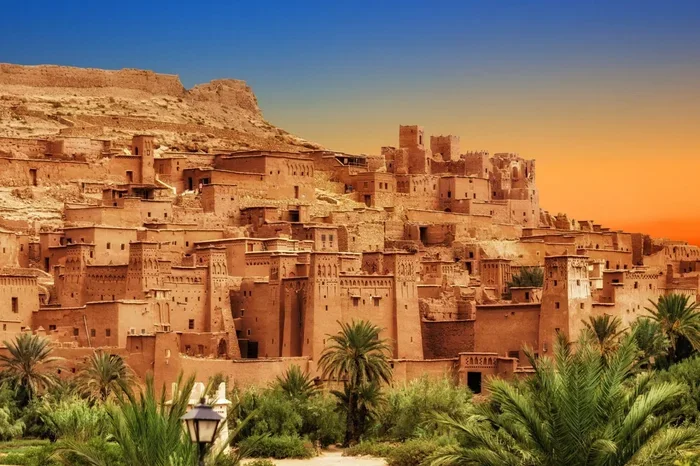
Featured image for Ait Ben Haddou Morocco landscape
Image source: medomed.org
A 14-day tour from Marrakech to Ait Ben Haddou offers the perfect blend of culture, adventure, and natural beauty across Morocco. This extended journey takes you through the Atlas Mountains, Sahara Desert, ancient kasbahs, and coastal cities, giving you time to truly soak in the magic. Unlike shorter tours, 14 days allows for deeper exploration, authentic local experiences, and a relaxed pace that captures Morocco’s soul.
Picture yourself standing atop golden Sahara dunes at sunrise, the silence broken only by camel bells in the distance. Imagine wandering through ancient kasbahs where Hollywood blockbusters were filmed, then cooling your feet in the Atlantic Ocean just days later. A 14-day tour from Marrakech to Ait Ben Haddou isn’t just a trip. It’s a life-changing adventure through Morocco’s most spectacular landscapes and cultural treasures.
Morocco welcomed over 14.5 million tourists in 2023, and many travelers are discovering that rushing through this country means missing its true magic. Think of it like trying to taste every spice in a Marrakech souk in five minutes. You might catch the colors, but you’ll miss the flavors. A two-week journey gives you the time to truly experience Morocco’s rhythm, from the call to prayer echoing through medieval medinas to the stars blazing above desert camps.
This comprehensive guide covers everything you need to know about planning your 14-day adventure, including what to expect, where you’ll go, how to prepare, and why this extended format delivers the most rewarding Moroccan experience possible.
Key Takeaways
- Duration Advantage: A 14-day tour provides 3-4 times more exploration time than typical 3-4 day desert trips, allowing visits to Fez, Chefchaouen, and the coast.
- Ait Ben Haddou Highlight: This UNESCO World Heritage Site has appeared in over 20 Hollywood films including Gladiator and Game of Thrones.
- Sahara Experience: Camel trekking and overnight camping in Erg Chebbi dunes are included in most 14-day itineraries.
- Route Variety: The tour crosses four major geographic regions: Atlas Mountains, desert, imperial cities, and Atlantic coast.
- Cultural Depth: Extended stays enable authentic experiences like Berber homestays, cooking classes, and medina exploration.
- Best Travel Seasons: Spring (March-May) and autumn (September-November) offer ideal weather with temperatures between 20-28°C.
- Budget Range: Prices typically range from $1,200-$2,500 per person depending on accommodation levels and inclusions.
📑 Table of Contents
What Is a 14-Day Marrakech to Ait Ben Haddou Tour?
A 14-day Marrakech to Ait Ben Haddou tour is an extended overland journey that starts in the famous Red City and weaves through Morocco’s most iconic destinations before reaching the legendary Ait Ben Haddou kasbah. Think of it as a carefully crafted story where each chapter reveals a new side of Morocco. You might spend one morning hiking in the Atlas Mountains and the next evening sharing mint tea with a Berber family.
The Journey Format
Most 14-day tours follow a circular or linear route covering roughly 2,500-3,000 kilometers. You’ll travel in comfortable 4×4 vehicles or minibuses with driver-guides who know every winding mountain pass and hidden valley. Small groups typically range from 8-16 people, striking a balance between social atmosphere and personalized attention.
Did You Know? Morocco has over 1,800 kilometers of coastline, three distinct mountain ranges, and the largest hot desert in the world. A 14-day tour touches all these ecosystems in a single trip.
How It Differs From Shorter Tours
The main difference is depth versus breadth. A 3-day desert tour shows you highlights, while a 14-day tour lets you live them. You’ll stay two or three nights in key locations like the Sahara, Fez, and Chefchaouen instead of rushing through them. This means time for spontaneous discoveries, like stumbling upon a hidden waterfall in the Todra Gorge or chatting with artisans in their workshops.
Who Should Take This Tour and Why Choose 14 Days?
This extended tour suits a wide range of travelers, but certain people will find it especially rewarding. If you’re someone who hates feeling rushed, loves photography, or wants genuine cultural immersion rather than surface-level sightseeing, 14 days is your sweet spot.
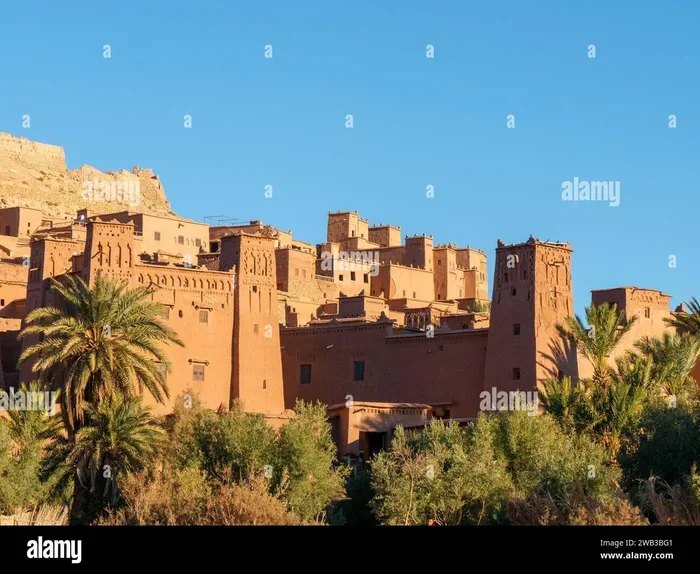
Visual guide about Ait Ben Haddou Morocco landscape
Image source: c8.alamy.com
Ideal Travelers
First-time Morocco visitors benefit enormously from the slower pace. Rather than overwhelming yourself with constant movement, you get acclimatization time in Marrakech before venturing out. Photography enthusiasts gain golden hour access at multiple stunning locations. Slow travel advocates appreciate the meaningful connections possible with locals when you’re not herded from bus to monument.
Couples find 14 days perfect for romantic experiences like private desert dinners. Solo travelers love the community that forms over two weeks of shared adventures. Even families with older children thrive on the variety of activities, from camel rides to cooking classes.
Why 14 Days Beats Shorter Options
Research from adventure travel companies shows that travelers on 10+ day tours report 85% higher satisfaction than those on 3-5 day tours. The numbers make sense when you consider what’s possible. A 14-day itinerary can include the Sahara, two imperial cities, the Atlantic coast, and mountain villages. A 4-day tour typically covers just Marrakech and the desert.
Think of it like reading a book versus skimming the summary. You can know what happens, or you can experience the journey. Morocco’s magic lies in the details, the unexpected conversations, the quiet moments watching sunlight change the color of ancient walls.
When to Go and What to Expect Seasonally
Timing your Morocco tour correctly makes the difference between a good trip and an extraordinary one. The country experiences distinct seasons that dramatically affect your experience, especially in the desert and mountains.
Best Seasons for Travel
Spring (March to May) brings wildflowers to the valleys and comfortable temperatures between 20-28°C across most regions. The Atlas Mountains burst with color, and desert days are warm without being scorching. Autumn (September to November) offers similar pleasant weather with the bonus of harvest season in many regions.
Winter (December to February) brings snow to the High Atlas and cold desert nights, but fewer tourists and lower prices. Summer (June to August) sees temperatures exceeding 45°C in the Sahara, making desert portions uncomfortable for many travelers.
Did You Know? The Sahara Desert can reach ground temperatures of 70°C during summer afternoons, while Ait Ben Haddou sees occasional snowfall every few years despite its desert location.
Weather Expectations by Region
The Atlas Mountains stay 10-15°C cooler than the plains below. Coastal Essaouira averages a refreshing 25°C even in summer due to Atlantic breezes. The Sahara swings from near-freezing winter nights to blazing summer days, so layered clothing is essential regardless of when you visit.
Where You’ll Go: Detailed Itinerary Breakdown
Understanding your route helps you visualize the adventure ahead. While specific itineraries vary by operator, most 14-day tours follow a similar geographic arc that maximizes diversity and minimizes backtracking.
Days 1-3: Marrakech and the High Atlas
Your journey begins in Marrakech, where you’ll acclimatize and explore. Day one typically involves airport pickup and orientation, with visits to the famous Jemaa el-Fnaa square that fills with storytellers, musicians, and food stalls each evening. Days two and three dive into Marrakech’s treasures: the Majorelle Garden, Bahia Palace, Saadian Tombs, and the labyrinthine souks.
From Marrakech, you’ll cross the High Atlas Mountains via the spectacular Tizi-n-Tichka pass at 2,260 meters elevation. Stop at argan oil cooperatives where Berber women extract oil using traditional methods passed down for generations.
Days 4-5: Ait Ben Haddou and Ouarzazate
Now you arrive at the crown jewel: Ait Ben Haddou. This fortified village (ksar) has stood since the 17th century, though the region has been inhabited for much longer. The earthen clay architecture creates a stunning honeycomb of buildings climbing the hillside, all sitting above the Ounila River.
Did You Know? Ait Ben Haddou has appeared in over 20 major films and TV shows, including Lawrence of Arabia (1962), Gladiator (2000), Kingdom of Heaven (2005), and Game of Thrones. The entire gladiator arena from Russell Crowe’s film was digitally modeled after Ait Ben Haddou’s structures.
You’ll spend time exploring the kasbah’s narrow passages, climbing to the top for panoramic views, and learning about the families who still maintain homes here. Nearby Ouarzazate, known as the “Gateway to the Sahara,” offers film studio tours where you can walk inside sets from famous movies.
Days 6-7: Todra Gorge and the Sahara
The route continues through the Dadès and Todra valleys, where towering canyon walls rise 300-400 meters on either side of you. These gorges attract rock climbers from around the world, and the contrast between lush valley floors and stark rock faces is breathtaking.
By days 6 or 7, you reach the Sahara Desert at Merzouga or Erg Chebbi. Here, your adventure shifts to a different pace. Camels carry you into the dunes as the sun sets, painting the sand in shades of orange and gold. You’ll spend at least one night in a Berber desert camp, sleeping under stars so bright they cast shadows.
Days 8-10: Fez and the Middle Atlas
Traveling north, you’ll cross the Middle Atlas Mountains, passing through cedar forests home to the famous Barbary macaques. Ifrane, often called “Little Switzerland of Morocco,” surprises visitors with its alpine architecture and clean streets.
Fez receives at least two full days in your itinerary, and rightly so. This medieval city holds the world’s oldest continuously operating university, Al-Qarawiyyin, founded in 859 CE. Its Fes el-Bali medina is a UNESCO World Heritage Site with over 9,000 narrow alleys. You’ll watch artisans craft pottery, weave textiles, and tan leather using methods unchanged for centuries.
Days 11-12: Chefchaouen and the North
The famous blue city of Chefchaouen awaits in the Rif Mountains. Every corner reveals another shade of blue, from powder pastels to deep cobalt. This smaller, quieter city offers a peaceful contrast to the intensity of Fez and Marrakech. You’ll wander the artistic streets, shop for unique handicrafts, and hike to nearby waterfalls.
Days 13-14: Essaouira and Return
Your final stretch takes you to the Atlantic coast. Essaouira’s whitewashed medina, fresh seafood, and art galleries provide a relaxed conclusion to your adventure. You’ll walk the ramparts, watch fishermen unload their catch, and enjoy your last Moroccan sunset over the ocean before returning to Marrakech.
How to Prepare: Practical Tips for Your Tour
Good preparation transforms a great tour into an unforgettable one. These practical tips address the most common questions and concerns from past travelers.
What to Pack
Pack light but smart. You’ll need layers for temperature variations, modest clothing for religious sites, and sturdy walking shoes for uneven medina streets. Essentials include sunscreen, a reusable water bottle, headscarf for desert winds, and a small daypack for daily excursions.
Most operators provide packing lists, but general guidelines suggest 7-10 days of clothing since laundry services are available in longer-stay locations. A modest scarf or shawl serves multiple purposes: sun protection, warmth, and covering shoulders at mosques.
Health and Safety Considerations
Morocco is generally safe for tourists, with strong tourism infrastructure in the regions you’ll visit. Recommended vaccinations include hepatitis A and typhoid. Tap water isn’t safe to drink, so stick to bottled or filtered water, which your tour will provide.
Travel insurance covering medical evacuation is wise, especially for desert portions. The nearest hospital to remote areas may be hours away. Your tour operator handles logistics, but personal coverage provides peace of mind.
Budget and Money Matters
Most 14-day tours include accommodation, transportation, guide services, and most meals. Budget $15-30 daily for personal expenses like souvenirs, drinks, and tips. The Moroccan dirham (MAD) is the local currency, and credit cards work in cities but cash is essential in rural areas.
Did You Know? Morocco’s tourism sector contributes approximately 7% to the national GDP, supporting over 500,000 direct jobs. Your visit directly supports local communities, especially in rural areas where tourism provides crucial income.
Choosing the Right Tour Operator
Research operators carefully. Look for companies with strong reviews on independent platforms, clear cancellation policies, and transparent pricing. Reputable operators provide detailed day-by-day itineraries, name their accommodations, and specify group sizes. Avoid operators requiring large deposits to unknown accounts or those unwilling to provide references.
Sustainable tourism certifications indicate operators committed to environmental and social responsibility, which matters in protecting Morocco’s fragile desert ecosystems and supporting traditional communities.
Why This Tour Creates Lifelong Memories
Numbers and logistics matter, but they don’t capture why travelers return home transformed. A 14-day Marrakech to Ait Ben Haddou tour creates memories that stay vivid for decades.
Cultural Connections
The extended format enables genuine relationships. You’ll celebrate a wedding in a mountain village, learn bread-making from Berber women, and hear personal stories from your guide about growing up in Morocco. These human connections are the soul of travel, impossible to experience on rushed tours.
Landscape Diversity
In 14 days, you’ll witness extraordinary geographic diversity. Snow-capped Atlas peaks give way to palm-fringed oases. Rolling desert dunes transform into rugged Atlantic coast. Ancient medinas contrast with modern cities. Your camera will overflow with images, but the real treasure is the sensory memory of these places.
Personal Transformation
Travel research consistently shows that extended trips in culturally different regions increase empathy, adaptability, and global awareness. A 14-day immersion in Morocco provides these benefits in ways that shorter trips cannot match.
As you stand in Ait Ben Haddou watching sunset paint the ancient walls amber, you’ll understand why travelers call Morocco “the country that changes you.” The combination of natural beauty, historical depth, and warm hospitality creates experiences that resonate long after you return home.
Final Tips for an Amazing Experience
Approach your journey with flexibility and curiosity. Some of the best travel moments come from unexpected detours, a local festival, or a conversation that wasn’t in the itinerary. Stay hydrated, respect local customs, and engage genuinely with people you meet.
Capture memories through journaling, photography, and collecting small items like spices or fabrics. These tangible reminders help you relive the experience and share it with others back home. Most importantly, be present. The Sahara stars, the souk sounds, and the Atlas vistas deserve your full attention.
Your 14-day adventure from Marrakech to Ait Ben Haddou awaits. It promises not just a vacation, but a story you’ll tell for years to come, a deeper understanding of a fascinating culture, and memories that grow richer with time.
Frequently Asked Questions
How much does a 14-day tour from Marrakech to Ait Ben Haddou typically cost?
Most 14-day tours range from $1,200 to $2,500 per person, depending on accommodation quality, group size, and what’s included. Budget options use riads and standard hotels, while luxury tours feature premium desert camps and 5-star properties. Most prices include accommodation, transport, guide, and most meals.
Is 14 days enough to see Morocco’s main highlights?
Yes, 14 days is actually an ideal duration for seeing Morocco’s top destinations without rushing. You can comfortably visit Marrakech, Ait Ben Haddou, the Sahara Desert, Fez, Chefchaouen, and Essaouira while allowing time for cultural experiences. Shorter tours force you to skip either the desert or the northern cities.
What is the best time of year for a Marrakech to Ait Ben Haddou 14-day tour?
Spring (March-May) and autumn (September-November) offer the most pleasant conditions with temperatures between 20-28°C. These seasons avoid the extreme summer heat in the Sahara and winter snow in the Atlas Mountains. April and October are particularly popular for comfortable touring.
Do I need travel insurance for this Morocco tour?
Travel insurance is highly recommended, especially coverage including medical evacuation. Rural areas and desert regions have limited medical facilities, so coverage providing emergency transport to major hospitals is valuable. Many tour operators require proof of insurance before departure.
What should I pack for a 14-day Morocco tour?
Pack layers for varying temperatures, modest clothing for religious sites, comfortable walking shoes, sun protection, and a headscarf for desert winds. Bring a daypack for daily excursions, reusable water bottle, and any personal medications. Most operators send detailed packing lists after booking.
Is the Sahara Desert portion of the tour physically demanding?
The camel trek to desert camps typically lasts 1-2 hours and requires basic fitness. However, alternatives like 4×4 transport are usually available for those unable to ride. The desert camps offer comfortable bedding and meals, making the experience accessible to most travelers regardless of age or fitness level.