
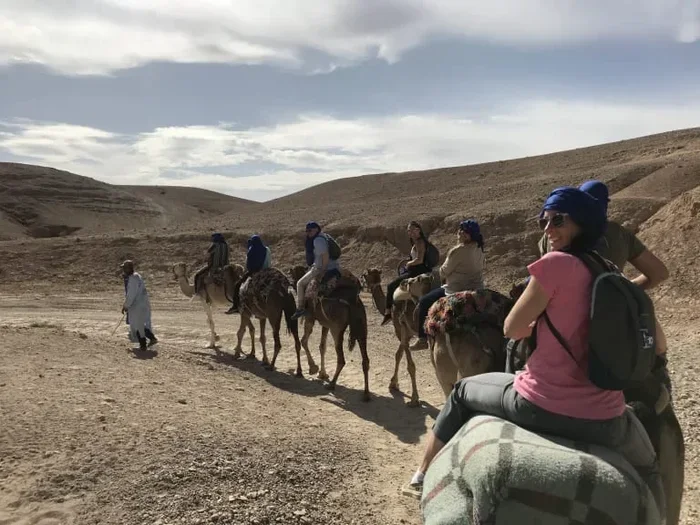
Featured image for Marrakech Agafay desert excursion
Image source: res.cloudinary.com
Looking for the trip of a lifetime in Morocco? A 13-day excursion from Marrakech to the Agafay Desert takes you beyond the typical tourist trail, blending imperial cities, Atlas Mountain villages, and sweeping Saharan dunes into one seamless adventure. This extended journey is designed for travelers who want depth, not just snapshots, offering cultural immersion, scenic drives, and unforgettable nights under the stars. Whether you’re a solo explorer, couple, or family, this route delivers the most complete Moroccan experience starting and ending in Marrakech.
Morocco is the kind of country that grabs you by the senses and doesn’t let go. The call to prayer echoing over a red-walled medina. The smell of mint tea and woodsmoke drifting from a Berber tent. The crunch of gravel under your boots as you climb into a mountain pass that’s been used by traders for a thousand years. You can taste a little of this on a three-day tour. But to really understand Morocco? You need time. You need space. You need thirteen days.
That’s exactly what this guide is about: a 13-day excursion from Marrakech to the Agafay Desert and back. But don’t let the name fool you. This isn’t just a desert trip. It’s a full Moroccan circuit. You’ll start in the chaos and color of Marrakech, wind your way up into the High Atlas, drop down through oases and gorges, push out to the edge of the Sahara, and finish with a night in the surreal, moon-like landscape of Agafay. Think of it like reading a novel rather than a news headline. You get the whole story, not just the first chapter.
Whether you’re planning this trip right now or just dreaming about it, this guide will walk you through every part of the journey. We’ll cover the route, the highlights, what to pack, how to budget, and what to expect from each region. By the end, you’ll know exactly what you’re signing up for – and why this might be the most rewarding two weeks of your travel life.
Key Takeaways
- Duration & Scope: A 13-day trip covers roughly 2,500 km of Morocco, balancing cities, mountains, and desert.
- Best Time to Go: Spring (March-May) and autumn (September-November) offer the most comfortable temperatures.
- Agafay vs. Sahara: Agafay is a rocky desert near Marrakech, while the Sahara (Merzouga/Erg Chebbi) is the classic sand dune experience.
- Cultural Depth: Expect visits to Berber villages, Ait Ben Haddou, and Todra Gorge with local guides.
- Budget Range: Mid-range tours run $1,500-$2,500 per person; luxury options exceed $4,000.
- Physical Demand: Moderate – suitable for most fitness levels with optional camel treks and hiking.
- What Makes It Special: This is not a rushed tour. Two weeks lets you slow down, connect with locals, and see Morocco’s full geographic range.
📑 Table of Contents
- Who Is This 13-Day Marrakech to Agafay Excursion For?
- What Exactly Is the Agafay Desert, and Why End There?
- Where Does the 13-Day Route Go?
- When Is the Best Time to Take This Excursion?
- Why Choose a 13-Day Excursion Instead of a Shorter Tour?
- How to Plan and Book Your Excursion
- What to Pack for 13 Days in Morocco
- How Much Does a 13-Day Marrakech to Agafay Excursion Cost?
- Common Mistakes to Avoid on This Trip
- Final Thoughts: Why This Trip Stays With You
Who Is This 13-Day Marrakech to Agafay Excursion For?
Let’s answer the “who” question first, because not every trip fits every traveler. This 13-day excursion is built for people who want more than a highlight reel. If you’ve ever watched a travel documentary about Morocco and thought, “I want to actually be there,” this is your ticket.
Perfect for Slow Travelers and Cultural Curious
Thirteen days is a commitment, but it’s also a gift. You have time to linger in a souk without feeling rushed. You can spend an entire afternoon talking to a Berber carpet weaver about the meaning behind each symbol. You can hike for three hours in the Atlas Mountains and still make it back for a long lunch. That’s the magic of this route.
Great for Couples, Families, and Solo Adventurers
Couples love the romantic nights in the desert – watching the sun melt into the dunes with no one else around. Families appreciate the variety: kids can ride camels, splash in waterfalls, and explore kasbahs without getting bored. Solo travelers find it easy to plug into group tours or hire a private driver-guide for a flexible, safe experience.
Not Ideal for Strict Budget Backpackers or Those Short on Time
If you’ve only got a weekend, this isn’t your trip. Likewise, if you’re counting every dirham and want to sleep in hostels, a 13-day guided excursion might feel pricey. But for anyone who values comfort, depth, and unforgettable moments, this is the sweet spot.
What Exactly Is the Agafay Desert, and Why End There?
The Agafay Desert is one of Morocco’s best-kept secrets, and ending your trip here is a stroke of genius. Here’s what you need to know.
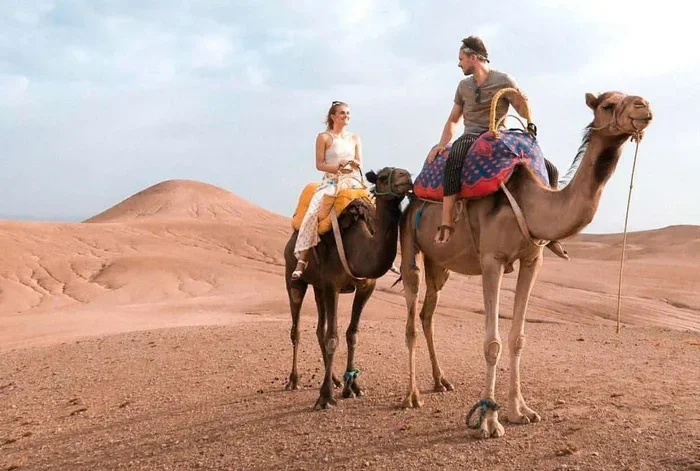
Visual guide about Marrakech Agafay desert excursion
Image source: camelridemarrakech.com
Agafay vs. the Sahara: What’s the Difference?
Most travelers picture the Sahara when they hear “Moroccan desert.” And yes, you’ll see those towering dunes of Erg Chebbi or Erg Chigaga during this trip. But Agafay is something different. It’s a rocky, lunar-style desert just 45 minutes from Marrakech. There are no giant dunes, but there are rolling hills of pale stone, distant Atlas peaks, and a silence so deep you can hear your own heartbeat.
Think of it this way: the Sahara is like the ocean – vast, dramatic, and overwhelming. Agafay is like a quiet lake – reflective, intimate, and unexpectedly powerful. Many travelers actually prefer Agafay for the final night because it’s close to the airport, luxurious glamping options exist, and the sunset feels like a private show.
Did You Know?
The Agafay Desert covers roughly 300 square kilometers and sits at an altitude of about 800 meters. Despite being called a “desert,” it’s technically a semi-arid rocky plain. Hollywood has even used it as a filming location for scenes meant to look like Mars or the moon!
Where Does the 13-Day Route Go?
This is where things get exciting. The route is a carefully designed loop that maximizes variety without wasting hours on the road. Here’s the typical path:
Day 1-2: Marrakech
You start in the legendary “Red City.” Day one is usually a soft landing: settling into a riad, exploring the medina, visiting the Koutoubia Mosque, and getting lost in the souks of the Place des Épices. Day two might include the Majorelle Garden, the Bahia Palace, and the Saadian Tombs.
Day 3-4: High Atlas Mountains
You’ll cross the Tizi n’Tichka pass, one of the highest mountain roads in North Africa at 2,260 meters. Stops include traditional Berber villages and the stunning Ourika Valley. Many itineraries include a guided hike to a remote waterfall.
Day 5-6: Ait Ben Haddou and Ouarzazate
Welcome to “Hollywood of Africa.” Ait Ben Haddou is a UNESCO-listed ksar (fortified village) that has starred in Gladiator, Lawrence of Arabia, and Game of Thrones. Ouarzazate is home to film studios and the impressive Taourirt Kasbah.
Day 7-8: Todra Gorge and the Road to Merzouga
The landscape shifts from mountain to desert. Todra Gorge is a 400-meter-deep canyon where you can hike between sheer cliffs. Then it’s a long but scenic drive to Merzouga, the gateway to Erg Chebbi.
Day 9-10: Sahara Desert (Erg Chebbi)
This is the heart of the trip. You’ll ride a camel into the dunes at sunset, spend a night in a Berber desert camp, and wake up to silence and stars you’ll never forget. Expect traditional music, tagine dinners, and possibly sandboarding.
Day 11-12: Draa Valley and Anti-Atlas
The return route takes you through the lush Draa Valley (famous for dates and ancient kasbahs) and over the Anti-Atlas mountains. Towns like Agdz and Nkob offer authentic, off-the-tourist-track experiences.
Day 13: Agafay Desert and Return to Marrakech
You finish strong with a night in the Agafay Desert. Think luxury tent, pool, camel ride at sunset, and a gourmet dinner under the Milky Way. The next morning, you’re back in Marrakech (or heading to the airport) with two weeks of memories stitched into your soul.
When Is the Best Time to Take This Excursion?
Timing matters. Morocco has three main travel seasons, and each one changes the experience.
Spring (March-May): The Sweet Spot
Spring is when Morocco shows off. Temperatures in Marrakech hover around 25°C (77°F). The Atlas valleys are green and blooming. The desert is warm but not scorching. This is peak season for a reason. Book early – sometimes 3-6 months ahead.
Autumn (September-November): Equally Excellent
Fall mirrors spring but with harvest season in full swing. Dates, pomegranates, and almonds are everywhere. The light gets golden and photogenic. Crowds thin out slightly in late October.
Summer (June-August): Hot but Possible
Summer temperatures can hit 45°C (113°F) in the Sahara. The mountains stay cooler. If you go in summer, prioritize the coast and mountains, and accept that the desert will be intense.
Winter (December-February): Cold Desert Nights
Winter brings snow to the Atlas Mountains (great for photos!) and freezing nights in the desert. Days are mild. It’s the quietest season, which means lower prices and fewer crowds.
Did You Know?
The Sahara Desert can drop below 0°C (32°F) at night in winter – even though daytime temperatures might reach 20°C (68°F). Always pack layers, no matter when you travel.
Why Choose a 13-Day Excursion Instead of a Shorter Tour?
You might be wondering: why 13 days? Why not just do a 3-day desert tour from Marrakech? Fair question. Here’s the honest answer.
Depth Over Speed
A 3-day tour is fun but rushed. You’ll see the dunes, snap a camel selfie, and head back. A 13-day excursion lets you actually understand what you’re seeing. You learn why Ait Ben Haddou was built that way. You meet the families who still live in mud-brick homes in the Draa Valley. You taste the difference between mountain honey and desert honey. That kind of depth takes time.
Variety of Landscapes
Morocco packs an absurd amount of geographic variety into a small country. In two weeks, you can see snowy mountains, palm oases, sand dunes, Atlantic coast, cedar forests, and rocky deserts. A shorter tour forces you to skip something.
Better Pacing for Older Travelers and Families
Long driving days can exhaust anyone, but spreading them across 13 days means each leg is manageable. There’s usually a rest day built in. Kids don’t melt down. Grandparents don’t burn out. Everyone enjoys the trip.
More Authentic Cultural Encounters
When you stay longer in each place, locals have time to warm up to you. You get invited to tea. You hear stories. You see how Morocco really works. That’s something you can’t buy on a fast tour.
How to Plan and Book Your Excursion
Now the practical part. Let’s talk logistics.
Option 1: Book a Guided Group Tour
Group tours are the most popular choice. Companies like Intrepid Travel, G Adventures, and local Moroccan operators run 13-day Marrakech-to-desert routes. Prices typically range from $1,500 to $2,500 per person, including accommodation, transport, guide, and most meals.
Option 2: Hire a Private Driver-Guide
If you want flexibility, hire a private driver-guide. This is what most mid-range and luxury travelers choose. You set the pace, change the itinerary on the fly, and get personalized attention. Expect to pay $200-$300 per day for a 4×4 vehicle and driver, plus accommodation costs.
Option 3: DIY with Rental Car
Experienced travelers comfortable with mountain roads can rent a car and follow a self-guided route. This is the cheapest option (around $50/day for the car) but requires confidence, good navigation, and patience for aggressive Moroccan drivers.
What to Look for in a Tour Operator
- Verified reviews on TripAdvisor or GetYourGuide
- Clear inclusions and exclusions
- Local guides with official licenses
- Small group sizes (under 15 people)
- Transparent pricing (no hidden fuel surcharges)
- Strong cancellation policy
Did You Know?
According to the Moroccan Ministry of Tourism, over 13 million tourists visited Morocco in 2023, with Marrakech consistently ranking as the top destination. Yet the Agafay Desert still receives only a fraction of Sahara’s visitors – making it a hidden gem for those in the know.
What to Pack for 13 Days in Morocco
Packing smart is essential. Morocco’s climate changes drastically as you move between regions.
Clothing Essentials
- Light layers: Even summer nights can be cool in the desert
- Modest attire: Cover shoulders and knees in rural areas
- Comfortable walking shoes: Cobblestones and sand demand good footwear
- Sun hat and sunglasses: The sun is intense, especially in the Sahara
- Scarf or shemagh: Doubles as sun protection and dust shield
Health and Hygiene
- Sunscreen (SPF 30+)
- Reusable water bottle with filter
- Hand sanitizer and wet wipes
- Basic first-aid kit
- Any personal medications (pharmacies are available but bring backups)
Tech and Documents
- Passport with at least 6 months validity
- Printed and digital copies of bookings
- Universal power adapter (Morocco uses Type C and E plugs)
- Portable charger for long drives
- Camera with extra memory cards – you’ll take hundreds of photos
How Much Does a 13-Day Marrakech to Agafay Excursion Cost?
Budget is a big question. Here’s a realistic breakdown.
Budget Travel ($1,000-$1,500 per person)
Stay in budget riads and hotels. Eat at local spots. Use public transport for city days. Book a 13-day group tour with a basic operator. You’ll sacrifice some comfort but save serious cash.
Mid-Range Travel ($2,000-$3,000 per person)
This is the sweet spot. Comfortable riads, air-conditioned vehicles, a private guide, and well-rated desert camps. Most travelers fall into this category.
Luxury Travel ($4,000-$7,000+ per person)
Think five-star riads, private 4×4 with driver-guide, premium desert camps with private tents and en-suite bathrooms, and curated cultural experiences. Worth it for honeymoons and special occasions.
Hidden Costs to Watch For
- Drinks at tourist-oriented restaurants
- Tips for guides, drivers, and hotel staff (budget $5-$10/day total)
- Souvenir shopping (Morocco is tempting – agree on a budget beforehand!)
- Optional activities like quad biking or cooking classes
- Travel insurance (always recommended)
Common Mistakes to Avoid on This Trip
Even experienced travelers slip up. Here are the biggest pitfalls and how to dodge them.
Underestimating Drive Times
Morocco’s roads are slower than they look on a map. Mountain passes, market day traffic, and winding routes add hours. A 300 km drive might take 6 hours. Don’t schedule tight connections.
Skipping Travel Insurance
Medical evacuation from a remote desert camp is expensive and logistically tricky. Insurance costs around $50-$100 for two weeks and is non-negotiable.
Not Learning Basic Arabic or French Phrases
Darija (Moroccan Arabic) and French are widely spoken. Learning “salam alaikum,” “shukran,” and “b’shhal?” (how much?) earns instant goodwill.
Overpacking
You’ll be moving every 1-2 days. Luggage should fit in a medium suitcase plus a daypack. Laundry services are cheap and available everywhere.
Assuming All Tours Are Equal
The difference between a $1,200 tour and a $2,500 tour is huge. Vehicle quality, guide knowledge, accommodation standards, and group size all vary wildly. Read recent reviews carefully.
Final Thoughts: Why This Trip Stays With You
Thirteen days from Marrakech to the Agafay Desert isn’t just a vacation. It’s a reset button. You’ll come home with stories about the camel that tried to bite your shoelace, the Berber grandfather who taught you three words in Tashelhit, the sunrise over Erg Chebbi that made you cry, and the silence of Agafay that made you think.
Morocco has a way of seeping into you slowly. By day five, you stop comparing it to home. By day ten, you start to understand why Moroccans smile when they say “Insha’Allah” – God willing. By day thirteen, you’ll be planning your return trip before you’ve even reached the airport.
This excursion isn’t the easiest way to see Morocco, but it’s the most complete. And for the kind of traveler who wants to truly experience a place rather than just check it off a list, that’s exactly the point.
Ready to start planning? Begin by choosing your travel season, setting a realistic budget, and shortlisting two or three reputable tour operators. Then take a deep breath and book it. Morocco is waiting.
Frequently Asked Questions
How long is the excursion from Marrakech to the Agafay Desert?
The standard 13-day excursion lasts exactly 13 days and 12 nights, starting and ending in Marrakech. It covers imperial cities, the Atlas Mountains, the Sahara Desert, and finishes in Agafay.
Is the Agafay Desert the same as the Sahara?
No. The Agafay Desert is a rocky, lunar-style semi-arid region about 45 minutes from Marrakech. The Sahara features massive sand dunes like Erg Chebbi near Merzouga. Both are visited on this 13-day tour.
What is the best time of year for this excursion?
Spring (March to May) and autumn (September to November) are ideal, with mild temperatures and clear skies. Summer can be extremely hot in the desert, while winter nights can be cold.
How much does a 13-day Marrakech to Agafay excursion cost?
Budget tours start around $1,000-$1,500 per person, mid-range tours range from $2,000-$3,000, and luxury experiences can exceed $4,000-$7,000 depending on accommodation and inclusions.
Do I need a visa for Morocco?
Most Western travelers (USA, EU, UK, Canada, Australia) do not need a visa for stays under 90 days. Your passport must be valid for at least six months beyond your entry date. Always check current requirements before booking.
Is this excursion suitable for families with children?
Yes. The 13-day pace is family-friendly, with manageable driving distances and activities like camel rides, sandboarding, and short hikes that appeal to children. Most operators welcome kids aged 6 and up.