
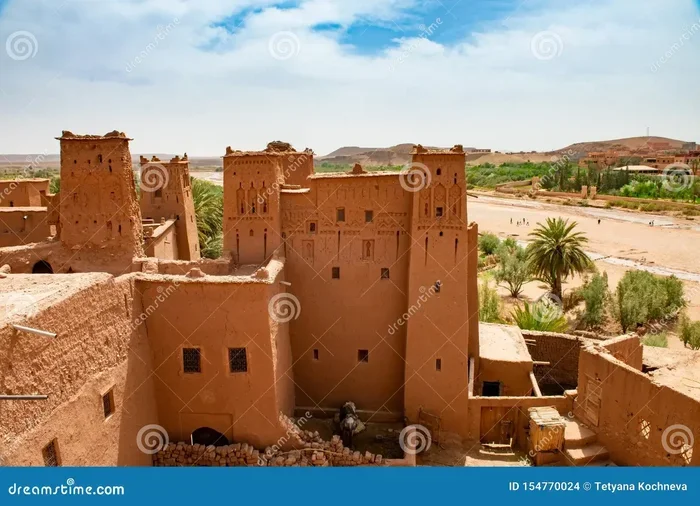
Featured image for Ait Ben Haddou kasbah Morocco
Image source: thumbs.dreamstime.com
A Marrakech to Ait Ben Haddou 12 day tour is the ultimate way to experience Morocco’s most iconic landscapes, from bustling souks to golden Sahara dunes. This extended journey combines cultural immersion, historical exploration, and breathtaking scenery across the Atlas Mountains, Draa Valley, and UNESCO World Heritage sites. It’s designed for travelers who want to go beyond the highlights and truly connect with Moroccan heritage, hospitality, and adventure.
Imagine leaving the vibrant chaos of Marrakech behind, winding your way through the towering Atlas Mountains, and ending your journey standing on ancient clay ramparts overlooking a river that has witnessed centuries of caravans crossing the Sahara. A Marrakech to Ait Ben Haddou 12 day tour is not just a trip. It’s a slow, immersive story told through landscapes, flavors, and faces. Think of it like reading a long, captivating novel where every chapter reveals something new about Morocco’s soul.
Most travelers rush through Morocco in 4 or 5 days, ticking off the highlights. But Morocco rewards patience. Twelve days gives you room to breathe, to linger in a quiet Berber village, to share mint tea with locals, and to truly understand why this country has enchanted explorers for centuries. This guide will walk you through everything you need to know to plan and enjoy this unforgettable adventure.
Key Takeaways
- Duration & Scope: 12 days allows deep exploration of Morocco’s southern routes, from Marrakech through the Sahara to Ait Ben Haddou.
- Cultural Immersion: The tour includes stays in Berber villages, traditional riads, and desert camps with local guides.
- Scenic Diversity: Travelers experience snow-capped Atlas Mountains, lush valleys, dramatic gorges, and shifting desert dunes.
- UNESCO Highlights: Ait Ben Haddou and other fortified kasbahs are protected heritage sites, rich in Hollywood film history.
- Adventure Activities: Camel trekking, 4×4 desert excursions, and hiking through Todra Gorge are key highlights.
- Best Travel Season: October to April offers mild temperatures ideal for desert and mountain travel.
- Who It’s For: Perfect for cultural enthusiasts, photographers, adventure seekers, and slow travelers wanting an immersive experience.
📑 Table of Contents
What Is a Marrakech to Ait Ben Haddou 12 Day Tour?
A Marrakech to Ait Ben Haddou 12 day tour is a guided overland journey that begins in the imperial city of Marrakech and ends, or passes through, the legendary fortified village of Ait Ben Haddou. Think of it as a road trip with a purpose. Instead of racing from point A to point B, the route unfolds slowly, weaving through mountains, valleys, oases, and dunes.
The journey typically follows this path: Marrakech → Atlas Mountains → Ait Ben Haddou → Ouarzazate → Todra Gorge → Merzouga Sahara → Draa Valley → back to Marrakech. Some variations include stops in Fes, Essaouira, or the Dades Valley, depending on the operator.
Who Is This Tour Designed For?
This tour is perfect for:
- Cultural travelers who want to understand Berber traditions, not just photograph them.
- Photographers chasing dramatic light over kasbahs and dunes.
- Adventure lovers seeking camel treks, 4×4 rides, and canyon hikes.
- Slow travelers who prefer depth over speed.
Why 12 Days Specifically?
Morocco’s south is geographically vast. Driving from Marrakech to Merzouga alone takes around 9 hours. A 12-day itinerary ensures you don’t spend your entire trip inside a vehicle. It allows rest days, spontaneous detours, and meaningful cultural exchanges. According to the Moroccan Ministry of Tourism, travelers staying 10+ days spend 60% more in local communities than short-stay visitors, directly supporting rural economies.
The Complete 12 Day Itinerary Explained
Let’s break down the journey day by day, so you know exactly what to expect. Imagine each day as a layer of Morocco being peeled back, revealing deeper colors and stories underneath.
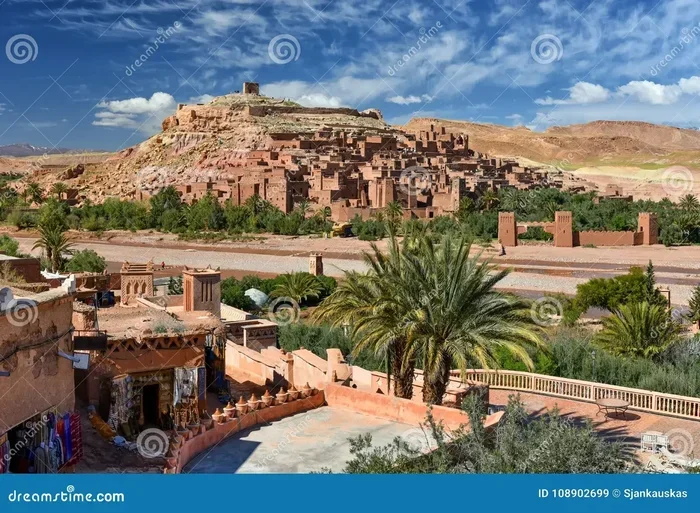
Visual guide about Ait Ben Haddou kasbah Morocco
Image source: thumbs.dreamstime.com
Day 1-2: Discovering Marrakech
Your adventure begins in Marrakech, often called the “Red City” because of its terracotta buildings. Did You Know? Marrakech was founded in 1062 by the Almoravid dynasty and remains one of Morocco’s four imperial cities.
Spend your first day exploring Jemaa el-Fnaa, the famous square that comes alive at night with storytellers, musicians, and food stalls. On day two, visit the Bahia Palace, Saadian Tombs, and the Majorelle Garden. Think of Marrakech as the loud, colorful opening act before the quiet beauty of the desert.
Day 3: Crossing the Atlas Mountains
Leaving Marrakech, you’ll drive through the High Atlas Mountains via the Tizi n’Tichka pass, which sits at 2,260 meters (7,415 feet). The road switchbacks dramatically, offering panoramic views of valleys and Berber villages clinging to hillsides. Did You Know? The Atlas Mountains stretch across three countries: Morocco, Algeria, and Tunisia.
Stop at a local argan oil cooperative where women extract oil from nuts using traditional methods. It’s like watching a centuries-old kitchen science experiment.
Day 4-5: Ait Ben Haddou and Ouarzazate
Ait Ben Haddou is a UNESCO World Heritage Site since 1987. This fortified village, or ksar, has been used as a filming location for blockbusters like Gladiator, Lawrence of Arabia, and Game of Thrones. Picture a sandcastle built by generations of craftsmen, still standing proud against time.
Nearby Ouarzazate is nicknamed the “Hollywood of Africa” due to its film studios. You’ll also visit the Taourirt Kasbah, a sprawling mud-brick fortress once home to Glaoui clan leaders.
Day 6-7: Todra Gorge and Dades Valley
Todra Gorge is a canyon with towering limestone walls reaching 400 meters high. Walk through the narrow passage and feel like an ant at the foot of skyscrapers. It’s a favorite spot for rock climbers worldwide.
The Dades Valley, known for its “monkey fingers” rock formations and lush rose gardens, offers gentle hiking and authentic homestays. Here, you’ll sleep in a traditional kasbah hotel and dine on tagines cooked over open fires.
Day 8-9: Into the Sahara at Merzouga
Merzouga is the gateway to the Erg Chebbi dunes, some of the tallest in Morocco at 150 meters. You’ll swap your 4×4 for a camel and trek into the desert as the sun sets. Did You Know? Camels can drink up to 40 gallons of water in one sitting, preparing them for desert crossings.
Sleep in a Berber desert camp under stars so bright they feel close enough to touch. The silence of the Sahara is not empty; it’s full of whispers from caravans that crossed centuries ago.
Day 10: Draa Valley and Anti-Atlas
The Draa Valley is Morocco’s longest river valley, lined with date palms, ancient kasbahs, and Berber villages. It’s like driving through a green ribbon stitched into the desert. You’ll pass through Zagora, where caravans once began their 52-day journey to Timbuktu.
Day 11-12: Return to Marrakech
The return journey takes you through the Anti-Atlas Mountains, with stops at scenic viewpoints and local markets. Arrive back in Marrakech with enough time for last-minute souk shopping before departure.
What Makes This Tour Culturally Unique?
Morocco isn’t just a destination; it’s a sensory experience. The Marrakech to Ait Ben Haddou 12 day tour immerses you in traditions that have remained largely unchanged for generations.
Berber Heritage and Hospitality
The Berber (Amazigh) people are Morocco’s original inhabitants, long before Arab or French influences. Their culture is woven into music, art, and daily life. Staying in a Berber home is like stepping into a living museum where hospitality is considered sacred. According to UNESCO, the Amazigh language and culture were officially recognized in Morocco’s 2011 constitution.
Craftsmanship Along the Route
From hand-woven carpets in the Atlas Mountains to silver jewelry in the Dades Valley, every region has its own craft tradition. Visiting artisans in their workshops offers insight into skills passed down through generations. Think of each craft as a language; once you understand it, the region speaks to you differently.
Cuisine as Cultural Connection
Food is a centerpiece of Moroccan life. Expect tagines (slow-cooked stews named after their clay pots), couscous Fridays, and mint tea ceremonies. Sharing a meal with a local family is like being invited into their heart. Bread, always round and golden, is considered sacred and is never wasted.
What to Pack and How to Prepare
Packing smart is key to enjoying the diversity of landscapes, from snowy mountain passes to scorching dunes.
Clothing Essentials
- Layers: Temperatures swing dramatically between day and night, especially in the desert.
- Modest attire: Respectful clothing is appreciated, particularly in rural villages.
- Comfortable shoes: You’ll walk on sand, rocks, and cobblestones.
- Scarf or shemagh: Useful for sun protection and desert sandstorms.
Health and Safety Tips
- Stay hydrated but avoid tap water; bottled water is widely available.
- Carry basic medications, as remote areas have limited pharmacies.
- Travel insurance covering adventure activities is recommended.
Did You Know? Morocco is one of only three countries (along with Spain and France) that borders both the Atlantic Ocean and the Mediterranean Sea, yet its desert landscapes feel worlds away from any coast.
Best Time of Year for This Tour
Timing your trip right can make or break the experience. Morocco’s climate varies sharply by region.
Ideal Months
October to April is considered the best window. Temperatures are mild, ranging from 10°C to 25°C (50°F to 77°F). The Atlas Mountains may see snow, while the Sahara enjoys pleasant daytime warmth and cool nights.
Avoiding the Extremes
Summer (June to August) can push desert temperatures above 45°C (113°F), making midday travel uncomfortable. Winter nights in the Sahara can drop below freezing, though days remain sunny.
Festivals and Cultural Events
Timing your visit to coincide with local festivals adds richness. The Moussem of Tan-Tan (UNESCO-recognized) celebrates nomadic traditions, while Rose Festivals in the Dades Valley occur each May.
Budget, Costs, and Booking Tips
A 12-day tour is a significant investment, but one that delivers exceptional value compared to independent travel.
Typical Price Ranges
Tours generally range from $1,200 to $2,500 per person, depending on accommodation levels (standard, mid-range, or luxury). This usually includes transport, guide, accommodation, and most meals.
What’s Typically Included
- Private or small-group 4×4 transport with driver/guide.
- 11 nights’ accommodation (riads, kasbahs, desert camp).
- Daily breakfast and select dinners.
- Camel trek and desert camp experience.
- Entry fees to major attractions.
What’s Usually Excluded
- International flights.
- Lunches and drinks.
- Tips for guides and drivers (budget $5-$10/day).
- Personal expenses and souvenirs.
Choosing the Right Operator
Look for operators with strong reviews on platforms like TripAdvisor and GetYourGuide. Local, family-run companies often provide more personalized experiences than large international brands. Ask detailed questions about group size, vehicle type, and accommodation standards before booking.
Final Thoughts: Is the 12 Day Tour Worth It?
In a word: absolutely. The Marrakech to Ait Ben Haddou 12 day tour is one of the most rewarding ways to experience Morocco’s southern circuit. It’s not just about visiting places; it’s about understanding a culture, connecting with landscapes, and creating memories that linger long after you’ve returned home.
If Marrakech is the heartbeat of Morocco, then Ait Ben Haddou and the Sahara are its soul. A 12-day journey lets you feel both, at a pace that feels human, not hurried. So pack your curiosity, your sense of adventure, and your appetite for tagine. Morocco is waiting.
Frequently Asked Questions
How many hours of driving are involved in a 12 day Marrakech to Ait Ben Haddou tour?
Expect around 3-5 hours of driving on most days, with longer stretches on travel days between regions. The itinerary is designed to balance scenic drives with rest stops and exploration time, so you’re never rushed.
Is the Marrakech to Ait Ben Haddou 12 day tour suitable for families with children?
Yes, this tour works well for families. Children especially enjoy camel rides, desert camps, and storytelling sessions with Berber guides. Some operators offer family-friendly vehicles with booster seats and flexible pacing.
Do I need to know French or Arabic to enjoy the tour?
No. Most guides speak English, French, and Arabic fluently. Learning a few basic Arabic or Berber greetings, like “Salam Alaikum,” goes a long way in connecting with locals and showing cultural respect.
What type of desert camp can I expect in Merzouga?
Most tours offer a mix of standard Berber tents with shared facilities and luxury desert camps featuring private bathrooms, comfortable bedding, and traditional music around a campfire. The star-filled sky is the same in both.
Is Ait Ben Haddou worth visiting on its own?
Absolutely. Ait Ben Haddou is one of Morocco’s most iconic landmarks, offering a glimpse into traditional earthen construction techniques still practiced today. Its cinematic history and preserved architecture make it a highlight of any southern Morocco itinerary.
Can the itinerary be customized?
Yes. Most local operators are happy to customize routes, add stops in places like Essaouira or Fes, or adjust the pace based on your interests. Customization is one of the main advantages of booking a private tour.