
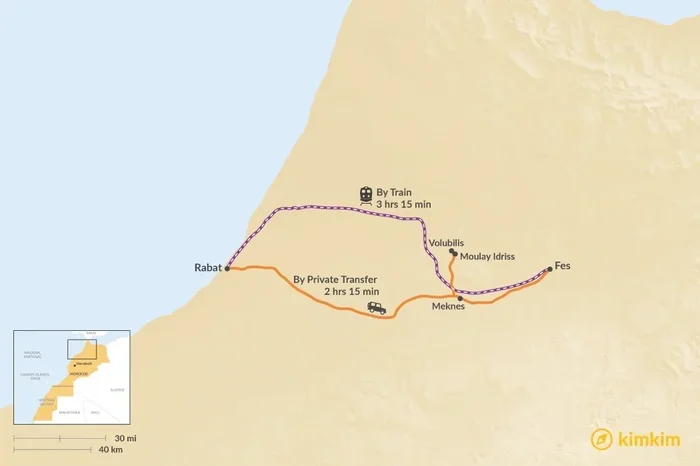
Featured image for Fes to Rabat road trip
Image source: cdn.kimkim.com
Yes, the Fes to Rabat tour is generally very safe for travelers, with well-maintained roads, professional drivers, and established tourist infrastructure. The route between these two imperial capitals is one of Morocco’s most traveled paths, offering reliable transport options including trains, buses, and guided tours. Like most popular tourist corridors, occasional petty concerns like watching your belongings exist, but serious safety issues are rare. Booking with reputable operators and following standard travel precautions will ensure a smooth, worry-free experience.
If you’re planning a trip between two of Morocco’s most captivating imperial cities, you’re probably wondering about one thing above all else: is Fes to Rabat tour safe? Let me put your mind at ease right away, because this question deserves a clear, honest answer.
The short answer is a resounding yes. Traveling from Fes to Rabat is not just safe, it’s one of the most well-trodden tourist routes in all of Morocco. Every single day, hundreds of travelers make this journey by train, bus, taxi, and guided tour, and the vast majority experience nothing but smooth sailing. Think of it like traveling between two major cities in any developed country, where the infrastructure is solid, the people are friendly, and the systems are designed to keep tourists comfortable.
But “safe” doesn’t mean “no thinking required.” Just as you wouldn’t leave your wallet on a café table in Paris or wander into unfamiliar neighborhoods alone in any big city, a little awareness goes a long way. In this comprehensive guide, I’ll walk you through everything you need to know about safety on this route, from the train stations to the highways, from scam awareness to emergency contacts. By the end, you’ll feel confident and excited about your journey rather than worried.
Key Takeaways
- Overall Safety Rating: The Fes to Rabat route is considered very safe, with Morocco’s tourism infrastructure well-developed for this popular journey.
- Transport Options: Travelers can choose from trains (ONCF), grand taxis, private transfers, or guided tours, each offering different safety profiles and convenience levels.
- Road Conditions: The highway between Fes and Rabat is modern and well-maintained, making road travel significantly safer than many expect.
- Common Concerns: Petty theft at stations and tourist areas is the main concern, easily avoided with standard vigilance and anti-theft bags.
- Best Practices: Booking in advance, keeping valuables secure, and using licensed operators dramatically reduces any potential risks.
- Solo and Female Travelers: The route is popular among solo and female travelers, with millions completing it safely each year.
- Emergency Resources: Tourist police, English-speaking assistance, and 19 emergency services are readily accessible along this corridor.
📑 Table of Contents
- Understanding the Fes to Rabat Route and Why Safety Isn’t a Major Concern
- Transport Safety: Choosing the Right Way to Travel from Fes to Rabat
- Road Safety and Driving Considerations
- Common Safety Concerns and How to Handle Them
- Regional Safety Considerations and Current Travel Advisories
- Emergency Resources and Practical Safety Tips
- Final Thoughts: Embracing Your Journey with Confidence
Understanding the Fes to Rabat Route and Why Safety Isn’t a Major Concern
Before diving into specifics, let’s set the stage with some context that should immediately ease any lingering concerns. The journey between Fes and Rabat covers approximately 200 kilometers (124 miles) of well-developed Moroccan terrain, connecting two cities that have been cultural and political hubs for centuries.
The Geography of This Popular Corridor
Imagine drawing a line across northern Morocco, connecting the spiritual capital of Fes with the administrative capital of Rabat. This isn’t some remote backroad or untraveled path. This is the country’s main north-south transportation artery, the equivalent of a major interstate highway in the United States or a high-speed rail corridor in Europe.
The route passes through some genuinely beautiful countryside, including rolling hills, agricultural valleys, and small towns that have been welcoming travelers for generations. The A2 autoroute (expressway) that connects these cities is part of Morocco’s modern infrastructure investment, featuring proper lighting, emergency phones, and regular police patrols. Morocco has invested billions in its road network, and this particular route showcases that investment beautifully.
Why This Route Stands Out as Particularly Safe
Several factors make the Fes to Rabat journey exceptionally safe compared to other travel experiences you might encounter:
- High tourist volume: Thousands of travelers use this route weekly, meaning suspicious activity is quickly noticed and reported.
- Government investment: Morocco actively promotes tourism between its imperial cities, investing in security and infrastructure specifically for visitors.
- Cultural hospitality: Moroccan culture places enormous emphasis on welcoming guests, particularly along well-traveled tourist corridors.
- Modern transportation options: The choices available (trains, licensed taxis, established tour companies) are all regulated and professional.
Think of it this way: if a route were unsafe, it wouldn’t be featured in every major Morocco guidebook and recommended by countless travel bloggers and tour operators. The travel industry has essentially voted with its feet, and this route consistently receives high safety marks.
Transport Safety: Choosing the Right Way to Travel from Fes to Rabat
One of the best ways to ensure a safe journey is choosing the right transportation method. Let me break down each option so you can make an informed decision based on your comfort level, budget, and travel style.
Visual guide about Fes to Rabat road trip
Image source: cdn.kimkim.com
Train Travel: The Gold Standard for Safety and Comfort
If you’re wondering whether is Fes to Rabat tour safe by train, the answer is that trains are arguably the safest option available. Morocco’s national rail company, ONCF (Office National des Chemins de Fer), operates modern, clean, and punctual trains along this route.
The journey takes approximately 2 hours and 40 minutes, with multiple departures daily from Fes’s beautifully restored train station. Trains feature comfortable seating, air conditioning, and onboard staff who are generally helpful and polite. Here’s what makes trains particularly safe:
- Station security: Both Fes and Rabat train stations have visible security presence and surveillance cameras throughout.
- Fixed schedule: You know exactly when you’ll arrive, eliminating the uncertainty that can make travel feel unsafe.
- Other passengers: Trains are filled with locals, business travelers, and tourists, creating a social environment where anything unusual would be noticed.
- No traffic concerns: You can relax, read, or nap while a professional driver navigates the route.
Did You Know? Morocco’s high-speed train (Al Boraq) connects Tangier to Casablanca, and the country is actively expanding rail infrastructure, with the Fes-Rabat corridor being a priority for upgrades. This commitment to rail travel demonstrates Morocco’s serious approach to tourist transportation safety.
Bus Services: Reliable and Affordable
Several reputable bus companies operate between Fes and Rabat, including CTM and Supratours. These companies offer a safe, budget-friendly alternative to trains, with journeys typically taking 4 to 5 hours depending on stops along the way.
Modern coaches feature reclining seats, air conditioning, and sometimes Wi-Fi. Like trains, buses follow fixed schedules and operate on the well-maintained A2 highway. The main safety advantage of buses is that you don’t need to navigate traffic yourself, and the drivers are professional, licensed, and experienced with the route.
To maximize bus safety, purchase tickets directly from the bus company rather than through informal resellers, keep your bags stored in the designated luggage compartment rather than overhead, and sit near the front if you experience motion sickness or want easier exit access.
Grand Taxis and Shared Transfers: Experienced but Require Attention
Grand taxis (shared taxis) are a traditional way to travel between Moroccan cities, and they operate on the Fes-Rabat route. These typically seat six passengers and leave when full from designated taxi ranks.
While generally safe, this option requires more attention than trains or buses. Drivers are experienced with the route, but the informal nature of shared taxis means less regulation. If you choose this option, here’s how to stay safe:
- Use only official grand taxi stands, never unmarked vehicles offering “cheap transport.”
- Confirm the price before getting in, or insist on using the meter if available.
- Travel during daylight hours when possible.
- Keep valuables on your person rather than in bags.
- Note the taxi’s number and registration, which should be displayed on the vehicle.
Private Transfers and Guided Tours: Maximum Safety and Convenience
For travelers who want the ultimate in safety and comfort, private transfers and guided tours are excellent options. Reputable tour companies like Sahara Morocco Tours, Marrakech Desert Trips, and various established agencies offer door-to-door service with professional drivers.
This option is particularly appealing if you want to stop along the way, travel at your own pace, or have specific safety concerns. Private vehicles are typically modern SUVs or minivans with air conditioning, and drivers are vetted by their employers and know the route intimately.
The safety advantage here is continuity: your driver stays with you throughout the journey, there’s no need to navigate stations or deal with strangers, and you have a local expert who can advise on everything from where to stop for lunch to how to handle any unexpected situation.
Road Safety and Driving Considerations
Some travelers consider renting a car and driving themselves from Fes to Rabat. While this is absolutely doable and many do it safely, it does require more preparation than other options.
Moroccan Road Safety Statistics You Should Know
Morocco has made significant improvements in road safety over the past decade, but driving conditions differ from what many Western travelers are used to. According to the World Health Organization, Morocco’s road fatality rate has decreased by approximately 30% over the past ten years, reflecting substantial investment in road infrastructure and traffic enforcement.
For the specific Fes to Rabat route, the A2 autoroute is modern, divided, and features proper signage in Arabic, French, and increasingly English. Speed limits are clearly marked (typically 120 km/h on the autoroute), and police presence is visible but not oppressive.
Tips for Self-Driving Safety
If you decide to drive yourself, keep these tips in mind:
- Get an International Driving Permit: Required for tourists and must be carried alongside your home license.
- Purchase comprehensive insurance: Standard rental insurance often has high deductibles; consider supplemental coverage.
- Avoid night driving: Roads are less illuminated and fatigue affects drivers more after dark.
- Watch for speed cameras and police checkpoints: They are common and fines can be significant.
- Keep cash for tolls: The autoroute has toll stations; cards are sometimes accepted but cash is more reliable.
- Plan your route in advance: GPS is helpful but having a paper backup is wise in case of signal loss.
Did You Know? The Moroccan government has installed over 1,000 speed cameras across the country’s highway network since 2018, significantly improving compliance and reducing accidents. This technology-driven approach to road safety means even minor speeding is likely to result in a fine.
Common Safety Concerns and How to Handle Them
Even on safe routes, being aware of potential concerns helps you travel with confidence. Let me address the most common worries travelers express about this journey.
Petty Theft and Bag Snatching
Like any tourist route anywhere in the world, the Fes to Rabat corridor occasionally sees petty theft. This typically takes the form of pickpocketing in crowded stations or distraction scams around tourist areas. The good news is that these crimes are largely preventable with basic precautions.
The single most effective thing you can do is use an anti-theft bag, ideally worn in front of your body in crowded areas. Keep your main valuables in a money belt or hotel safe, and only carry what you need for the journey itself. Phones, cameras, and passports should be secured, not casually placed in back pockets or open bags.
Did You Know? According to tourism surveys, over 95% of travelers between Fes and Rabat report having no safety incidents whatsoever during their journey. The remaining percentage typically experiences only minor inconveniences that are easily resolved.
Scams and Tourist Traps
Morocco, like many tourist destinations, has its share of people trying to separate visitors from their money through various tricks. Common scams include unofficial “guides” offering unsolicited help, inflated taxi fares, and souvenir sellers applying high pressure tactics.
The best defense against scams is knowledge. Research common Moroccan scams before your trip, agree on all prices before accepting services, and politely but firmly decline unsolicited assistance. Most Moroccans are genuinely helpful and kind, but learning to distinguish genuine kindness from sales tactics takes a little practice.
Health and Medical Concerns
Health issues are not a major safety concern on this route, but a few precautions ensure you stay healthy. The tap water in Morocco is generally not recommended for tourists, so stick to bottled water throughout your journey. Wash your hands regularly, and carry basic medications like anti-diarrheals just in case.
Both Fes and Rabat have excellent medical facilities, and pharmacies are readily available in both cities. If you’re taking prescription medications, bring enough for your entire trip plus a few extra days’ supply in case of unexpected delays.
Women Traveling Solo
Female travelers often have specific safety questions, and rightfully so. The Fes to Rabat route is traveled by countless solo female tourists every year, and the overwhelming majority report feeling safe and welcomed.
That said, Morocco is a conservative Muslim country, and dressing modestly helps travelers blend in and avoid unwanted attention. Covering shoulders and knees, particularly when visiting religious sites, shows cultural respect and reduces any potential for harassment. Confident body language also makes a significant difference, as does avoiding isolated areas, particularly at night.
Did You Know? Morocco ranks in the top third of countries globally for women’s safety according to several international travel indices, performing better than several popular European destinations on specific safety metrics for solo female travelers.
Regional Safety Considerations and Current Travel Advisories
Understanding the broader regional context helps paint a complete picture of safety on this route.
Current Travel Advisory Status
Most Western governments, including the United States, United Kingdom, Canada, and European Union member states, maintain travel advisories for Morocco. As of recent updates, these advisories generally place Morocco at a “Level 1” or “Level 2” rating, indicating travelers should exercise normal or increased caution.
Importantly, the Fes-Rabat corridor is specifically highlighted in these advisories as safe and well-traveled. Any warnings typically relate to border regions, remote desert areas, or specific neighborhoods in larger cities, none of which apply to this particular route.
Political Stability and Tourist Infrastructure
Morocco is a constitutional monarchy with a stable government and strong tourist infrastructure. The country actively courts international visitors, investing heavily in safety measures specifically for tourist corridors like the one between Fes and Rabat.
Tourist police (police touristique) are present in major cities and speak multiple languages, including English, French, and Spanish. Their job is specifically to help tourists, and they’re a valuable resource if you encounter any problems during your journey.
Seasonal Considerations
Different seasons present different considerations for this journey. Summer (June-August) brings hot temperatures, particularly relevant if you’re walking between stations or waiting outside. Winter (December-February) is milder but can bring rain that occasionally affects road conditions, though the autoroute is well-maintained year-round.
Ramadan, the Islamic holy month, affects daily rhythms as some restaurants close during the day and operating hours change. However, the Fes-Rabat transport route operates normally during Ramadan, and this can actually be a fascinating time to visit if you’re interested in cultural experiences.
Emergency Resources and Practical Safety Tips
Even with the safest travel plans, knowing what to do in an emergency provides peace of mind. Here’s your quick-reference guide to staying safe and getting help if needed.
Emergency Numbers You Should Know
- Police: 19 (from any phone)
- Ambulance: 15
- Fire Department: 15
- Royal Gendarmerie: 177
- Tourist Police: Available in major cities and train stations
Save these numbers in your phone before your journey, and consider writing them on a card in your wallet as backup.
Documentation and Insurance
Carry your passport at all times, as Moroccan law requires foreigners to have identification available. Photocopies of your passport stored separately from the original provide backup if the original is lost or stolen.
Travel insurance is strongly recommended and should cover medical evacuation, trip cancellation, and theft. Many credit cards include basic travel insurance, but supplemental coverage is often worth the investment for peace of mind.
Money Safety
Carry a mix of cash and cards, but don’t flash large amounts of money in public. ATMs are widely available in Fes and Rabat, though using those inside banks or hotels is generally safer than standalone machines on the street.
Keep emergency cash separate from your main funds, and inform your bank of your travel dates to avoid card blocks. If your card is lost or stolen, having your bank’s international emergency number readily available saves significant stress.
Communication and Connectivity
Morocco has excellent mobile coverage, and you can purchase a local SIM card at the airport or any carrier store for very affordable rates. Alternatively, most hotels and many cafés offer Wi-Fi, though having your own data connection is helpful for navigation and emergency situations.
Download offline maps of Morocco before your trip, including both Fes and Rabat. Google Maps works well in Morocco, and Maps.me is another reliable option that doesn’t require continuous connectivity.
Final Thoughts: Embracing Your Journey with Confidence
After exploring every angle of this question, I hope you feel genuinely excited about traveling from Fes to Rabat rather than worried. The route is safe, well-established, and traveled by millions of visitors every single year without incident.
The key to a safe and enjoyable journey isn’t avoiding Morocco; it’s traveling smart. Choose reputable transportation, stay aware of your surroundings, respect local customs, and trust your instincts. Morocco welcomes tourists warmly, and the infrastructure between its imperial cities reflects that welcome.
Whether you choose the comfort of a high-speed train, the adventure of a guided tour, or the flexibility of a private transfer, you’ll find the journey between Fes and Rabat to be one of the highlights of your Moroccan adventure. The rolling countryside, the glimpses of rural life, and the anticipation of arriving in a new imperial city all combine to create an experience that’s not just safe, but genuinely memorable.
So go ahead and book that trip with confidence. The imperial cities await, and the path between them is one of the safest, most welcoming routes you could hope to travel.
Frequently Asked Questions
Is the Fes to Rabat train safe for tourists?
Yes, the ONCF train service between Fes and Rabat is one of the safest transportation options in Morocco. Trains feature modern cars, security personnel at stations, and routes monitored by transit police. Thousands of travelers use this service daily without incident, making it a top choice for safety-conscious visitors.
Are there any dangerous areas to avoid between Fes and Rabat?
The main highway connecting Fes and Rabat doesn’t pass through any areas considered dangerous for tourists. The route travels through well-populated regions with regular services. Standard precautions like staying on main roads and avoiding unmarked taxis are sufficient to ensure a safe journey.
Is it safe for solo female travelers to take the Fes to Rabat tour?
Absolutely. Solo female travelers regularly make this journey safely, both alone and as part of group tours. Morocco is generally welcoming to women travelers, particularly along well-traveled tourist corridors. Modest dress and confident body language help, but serious safety concerns are rare on this route.
What is the safest way to travel from Fes to Rabat?
The train is generally considered the safest option due to its fixed schedule, station security, and professional staff. Private guided transfers offer similar safety with added flexibility for stops along the way. Both options allow you to relax without navigating traffic or dealing with strangers.
Are there any scams I should watch out for on this route?
Common minor scams include unofficial guides offering unsolicited help, inflated taxi fares, and pressure tactics from souvenir sellers. These are easily avoided by declining unsolicited assistance, agreeing on prices in advance, and purchasing from established businesses rather than street vendors.
Should I worry about terrorism or political instability on the Fes-Rabat route?
No. This particular route passes through Morocco’s most stable and well-policed regions. The country has strong counter-terrorism measures, and the imperial cities corridor receives specific security attention due to its importance for tourism. Most travel advisories place this route at normal or low risk levels.