A Fes to Azrou Cedar Forest 10-day tour offers an immersive journey through Morocco’s cultural heartland and natural landscapes. Travelers explore ancient medinas, traditional Berber villages, and the majestic Atlas Mountains while witnessing the iconic Barbary macaques of the Azrou Cedar Forest. This extended itinerary balances guided sightseeing with authentic local experiences, making it ideal for nature lovers and culture enthusiasts alike.
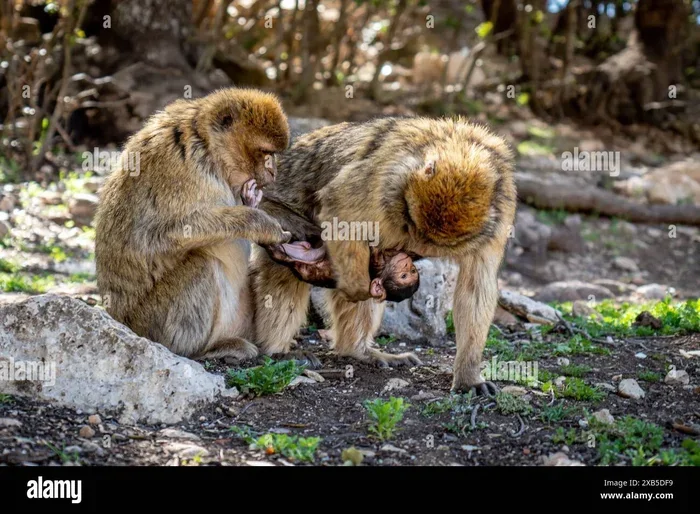
Featured image for Morocco cedar forest monkey
Image source: c8.alamy.com
Imagine standing in a 9,000-year-old forest where ancient cedar trees tower above you like natural skyscrapers. Picture yourself sipping mint tea with a Berber family in a mud-brick home, their grandchildren laughing nearby. Envision wandering through a medieval medina where donkey carts still outnumber cars in narrow alleyways. This is what a Fes to Azrou Cedar Forest 10-day tour offers, and it’s something you’ll remember for the rest of your life.
Morocco sits at the crossroads of Africa, Europe, and the Middle East. This unique position has made it a melting pot of cultures, languages, and landscapes for centuries. The route from Fes to Azrou captures this diversity perfectly. You start in one of the world’s oldest continuously inhabited cities. Then, you gradually move into the Middle Atlas Mountains, where nature takes center stage. The journey is like reading a fascinating book, where each chapter reveals something completely new and unexpected.
Ten days might seem like a long time, but trust me, it’s the perfect duration. Shorter tours rush through highlights without letting you breathe. Longer trips can feel exhausting. Ten days strikes the ideal balance. You get deep cultural immersion, plenty of rest, and the flexibility to adapt to local conditions. Whether you’re a solo traveler, a couple, or a family, this itinerary works beautifully.
Key Takeaways
- Duration Matters: A 10-day tour provides enough time to explore Fes deeply and travel at a relaxed pace to Azrou and beyond.
- Wildlife Encounter: The Azrou Cedar Forest is home to Barbary macaques, one of North Africa’s only primate species.
- Cultural Immersion: Berber villages along the route offer authentic insights into Morocco’s indigenous heritage.
- Scenic Diversity: The journey spans from bustling imperial cities to serene mountain landscapes.
- Best Season: Spring (March-May) and autumn (September-November) offer the most pleasant weather for this tour.
- Physical Activity: Moderate walking is involved, but no extreme hiking is required for most travelers.
- Local Economy: Booking community-based tours directly benefits Berber families in the Atlas region.
📑 Table of Contents
- Why Choose a 10-Day Itinerary for the Fes to Azrou Route
- What to Expect in Fes: The Cultural Starting Point
- Journey Through the Middle Atlas Mountains
- The Azrou Cedar Forest: Morocco’s Natural Treasure
- Beyond Azrou: Extending Your 10-Day Adventure
- Planning Your Fes to Azrou Cedar Forest 10 Day Tour
- Cultural Etiquette and Responsible Travel
- Conclusion: Why This Tour Changes Everything
Why Choose a 10-Day Itinerary for the Fes to Azrou Route
When planning a Morocco adventure, duration matters more than most people realize. A rushed two-day trip from Fes to Azrou barely scratches the surface. You’d spend most of your time on the road and arrive too tired to enjoy anything. On the other hand, a 10-day tour opens up possibilities that shorter trips simply cannot offer.
The Beauty of Slow Travel
Think of traveling like eating a meal. You can gulp down a burger in two minutes, or you can savor a seven-course dinner over three hours. Both fill your stomach, but only one truly satisfies. A 10-day Fes to Azrou tour is that seven-course dinner. You have time to taste, reflect, and appreciate every flavor along the way.
Did you know that Fes el-Bali, the old medina of Fes, has over 9,000 alleyways? Navigating them quickly would be impossible and exhausting. With 10 days, you can wander without pressure. You can stop at a tannery and watch workers treat animal skins using techniques unchanged for a thousand years. You can sit at a rooftop café and watch the sunset paint the minarets golden. These moments need time to unfold.
Flexibility and Comfort
Longer tours naturally include buffer days. Weather in the Atlas Mountains can be unpredictable. A 10-day itinerary accounts for this. If rain delays your trip to the cedar forest, you have flexibility. If you fall in love with a particular village, you can stay an extra night. This flexibility transforms a good trip into a great one.
Moreover, a 10-day tour allows for proper acclimatization. Fes sits at about 1,200 feet elevation, while Azrou reaches roughly 4,600 feet. The Middle Atlas Mountains rise even higher. Your body needs time to adjust to altitude changes. A gradual journey prevents altitude sickness and keeps you energized throughout.
What to Expect in Fes: The Cultural Starting Point
Fes, or Fez, is Morocco’s spiritual and cultural capital. Founded in the 9th century, it remains one of the world’s best-preserved medieval cities. The moment you step into Fes el-Bali, you travel back in time. There are no modern buildings, no neon signs, no cars in the main medina. Just donkey carts, pedestrians, and the endless call to prayer echoing from minarets.
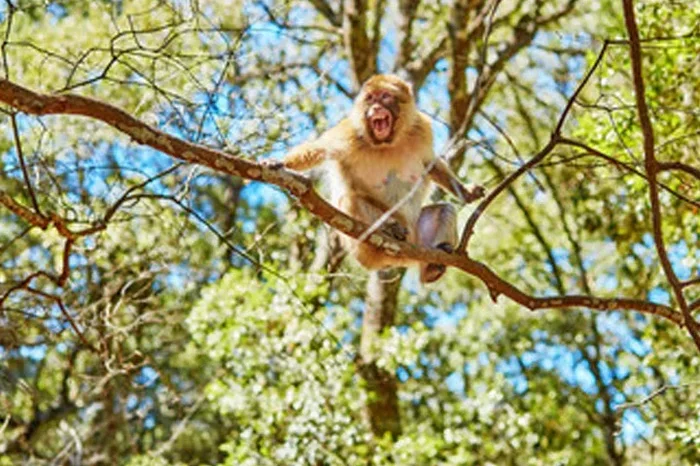
Visual guide about Morocco cedar forest monkey
Image source: arganiatravel.com
Must-See Attractions in Fes
The medina of Fes is a UNESCO World Heritage Site and contains some of Morocco’s most iconic landmarks. The University of al-Qarawiyyin, founded in 859 AD, is often cited as the world’s oldest continuously operating university. Even Oxford and Cambridge are younger. Visiting its courtyard feels like stepping into an ancient library of Alexandria.
The Chouara Tanneries are another essential stop. Here, workers process animal hides using methods passed down through generations. The smell is strong, but the visual spectacle is unforgettable. From viewing terraces above the tanneries, you see hundreds of stone vessels filled with dyes. White, red, yellow, brown, and blue liquids create a patchwork of color. It’s like watching a living painting being created.
Other highlights include:
- Bou Inania Medersa: A stunning 14th-century theological college with intricate tilework
- Al-Attarine Madrasa: Another architectural masterpiece showcasing Moroccan craftsmanship
- Nejjarine Museum: Housed in a beautifully restored fondouk with a famous fountain
- Jewish Mellah: A historic quarter showcasing Morocco’s diverse religious heritage
Food and Culture in Fes
Fes is also Morocco’s culinary capital. The city perfected many dishes you find throughout the country. Pastilla, a sweet and savory pie combining pigeon or chicken with almonds and cinnamon, originated here. So did many tagines and couscous preparations. A 10-day tour typically includes a cooking class in Fes, where you learn to prepare traditional meals using fresh market ingredients.
The food scene extends beyond restaurants. Fes has countless street food vendors selling msemen (flaky flatbread), harira (hearty soup), and fresh juices. Wandering the medina at dinner time is a sensory adventure. The sizzle of grills mixes with the aroma of spices. Vendors call out their daily specials. Children chase each other through the alleys while their parents haggle over prices. It’s authentic Morocco at its finest.
Journey Through the Middle Atlas Mountains
Leaving Fes behind, your 10-day tour heads south into the Middle Atlas Mountains. This region is often called Morocco’s “Switzerland” because of its green landscapes, lakes, and cedar forests. The drive itself is spectacular, winding through valleys, past waterfalls, and through traditional Berber villages.
The Road from Fes to Azrou
The distance from Fes to Azrou is only about 120 kilometers, but the journey typically takes two to three hours when you stop for photos and breaks. The road climbs steadily, and the scenery transforms dramatically. Lush farmland gives way to oak forests, then to pine trees, and finally to the iconic Atlas cedars.
Along the way, you’ll pass through Ifrane, often called “the Switzerland of Morocco.” This clean, planned city looks more European than African. Its strict building codes, manicured lawns, and cool climate attract Moroccan royalty during summer. The King has a palace here. Ifrane also hosts Al Akhawayn University, a prestigious American-style institution. The contrast between Ifrane’s modernity and Fes’s medieval character makes the journey fascinating.
Berber Villages Along the Route
The Middle Atlas is the heartland of the Amazigh (Berber) people. Their villages dot the landscape, recognizable by their red earth, terracotta roofs, and distinctive architecture. A 10-day tour typically includes homestays or visits to several villages. This is where the trip becomes truly special.
In a typical Berber home, you’ll find low couches lining the walls, colorful carpets on the floor, and a central space for tea ceremonies. Hospitality is sacred here. Even strangers are welcomed with mint tea and bread. Families share stories, play traditional music, and teach visitors about their way of life. It’s not a performance for tourists. It’s genuine cultural exchange.
Did You Know? Morocco’s Berber population makes up roughly 25-30% of the country. The Berbers have inhabited North Africa for over 4,000 years, making them among the oldest continuous civilizations on Earth. Their language, Tamazight, became an official language of Morocco alongside Arabic in 2011.
The Azrou Cedar Forest: Morocco’s Natural Treasure
The crown jewel of this 10-day tour is the Azrou Cedar Forest. Located just outside the town of Azrou, this forest covers about 53,000 acres of the Middle Atlas Mountains. The cedars here are not the famous Lebanese cedars but a related variety called the Atlas Cedar (Cedrus atlantica). These trees can live for over 1,000 years, with some specimens estimated at 8,000 to 9,000 years old.
The Magnificent Cedars
Walking through the Azrou Cedar Forest feels like entering a natural cathedral. The trees tower 100 feet or more above you. Their massive trunks can exceed 16 feet in diameter. The canopy filters sunlight into golden beams that dance on the forest floor. The air smells of resin and earth. Birds sing from branches overhead. It’s a profoundly peaceful experience.
Some of the oldest cedars in the forest have names given by local Berbers. They personify these ancient trees, believing they have spirits. One famous tree, the “Grandfather Cedar,” is estimated to be over 2,000 years old. Its bark has been smoothed by countless visitors who touch it for good luck. Photographers and nature lovers find endless inspiration here.
Barbary Macaques: The Forest’s Famous Residents
The Azrou Cedar Forest is one of the best places in North Africa to see Barbary macaques in their natural habitat. These tailless monkeys are the only primate species native to Europe or North Africa besides humans. About 200 of them live in the Azrou forest, split into several family groups.
Barbary macaques are highly social animals. They live in matriarchal groups of 10 to 30 individuals. Females stay with their birth group for life, while males leave when they reach maturity. The macaques are instantly recognizable by their reddish-brown fur and expressive faces. They have cheek pouches that allow them to store food while foraging.
Visiting these macaques is a highlight of any Fes to Azrou tour. However, responsible wildlife viewing is essential. Tour guides typically instruct visitors not to feed the monkeys, as human food disrupts their natural diet. They also advise maintaining a respectful distance. Despite this, the macaques are habituated to human presence and often approach visitors curiously. Some young ones, particularly, seem fascinated by cameras and phones.
Conservation Efforts
The Azrou Cedar Forest has faced threats over the decades, including logging, overgrazing, and forest fires. However, significant conservation work has helped protect it. The Moroccan government, along with international organizations, has implemented reforestation programs and wildlife protection measures. The Barbary macaque population has stabilized in recent years thanks to these efforts.
Tourism plays a positive role in conservation when done ethically. Visitor fees support forest protection and local communities. Many tours partner with Berber cooperatives that manage sustainable tourism initiatives. By choosing responsible tour operators, you directly contribute to preserving this natural treasure for future generations.
Beyond Azrou: Extending Your 10-Day Adventure
One of the great advantages of a 10-day tour is the ability to extend your journey beyond Azrou. While the cedar forest is a primary destination, the surrounding region offers numerous other attractions. A well-planned itinerary might include day trips to nearby lakes, valleys, and even the edge of the Sahara Desert.
Day Trip to Midelt and the Ziz Valley
Many 10-day tours include a day trip south from Azrou toward Midelt and the Ziz Valley. Midelt sits at about 5,000 feet elevation and serves as a gateway between the Middle and High Atlas Mountains. The town is famous for its apple production, and you can visit orchards during harvest season.
Beyond Midelt, the Ziz Valley offers spectacular scenery. Palm groves line the river, creating an oasis that stretches for miles. The valley has been a caravan route for centuries, connecting the Sahara to the northern cities. Today, it’s a peaceful agricultural region where Berber families farm dates, olives, and henna.
Lake Ifni and Dayet Aoua
Closer to Azrou, two beautiful lakes offer half-day excursions. Lake Ifni sits in a volcanic crater at about 5,400 feet elevation. The surrounding pine forests and calm waters create a stunning natural setting. Visitors can hike around the lake, enjoy picnics, or simply take in the views.
Dayet Aoua, meaning “Lake of Waters,” is another Middle Atlas gem. This shallow lake attracts numerous bird species, including flamingos, herons, and ducks. Birdwatchers particularly love this location. The surrounding cedar and oak forests add to the scenic beauty. Both lakes are easily accessible from Azrou and provide perfect relaxation during your 10-day journey.
Hot Springs and Wellness
After days of walking through medinas and forests, a visit to natural hot springs can be restorative. The Middle Atlas region has several thermal springs, with Sidi Harazem being one of the most famous. Located about 25 kilometers from Fes, these springs have been used for their therapeutic properties for centuries. The water is rich in minerals and stays warm year-round. A brief stop here provides a wonderful wellness break during your tour.
Planning Your Fes to Azrou Cedar Forest 10 Day Tour
Proper planning ensures your 10-day tour is smooth and enjoyable. From choosing the right season to packing appropriate clothing, preparation makes a significant difference. Here’s what you need to know.
Best Time to Visit
The ideal seasons for this tour are spring (March to May) and autumn (September to November). During these months, temperatures are mild and comfortable. Spring brings wildflowers that carpet the Atlas meadows. Autumn offers harvest season and clear skies perfect for photography.
Summer (June to August) can be hot, especially in Fes where temperatures often exceed 95°F (35°C). The cedar forest remains cooler, but the journey between locations can be uncomfortable. Winter (December to February) brings snow to the higher elevations, which closes some roads and limits activities.
What to Pack
Morocco requires modest clothing that covers shoulders and knees, especially in religious sites. Light, breathable fabrics work best in summer, while layers are essential in winter. Comfortable walking shoes are a must, as medina streets are uneven and slippery when wet.
Other essentials include:
- Sun protection: Hat, sunglasses, and high-SPF sunscreen
- Reusable water bottle: Stay hydrated in the dry climate
- Small backpack: For day trips into the forest and villages
- Camera: With extra batteries and memory cards
- Universal adapter: Morocco uses Type C and E plugs
- Basic first aid kit: Including motion sickness remedies for mountain roads
- Modest scarf: For women visiting mosques and conservative areas
Choosing a Tour Operator
Not all tour operators are equal. Look for companies with strong reviews, proper licensing, and clear itineraries. Community-based tourism initiatives often provide the most authentic experiences. They employ local guides, stay in family-run accommodations, and ensure your money directly benefits Berber communities.
Ask potential operators about their group sizes. Smaller groups (6-12 people) offer more personalized experiences than large bus tours. Inquire about inclusions like meals, entrance fees, and transportation. A transparent operator will provide detailed breakdowns. Avoid companies that seem vague about costs or itineraries.
Budget Considerations
A 10-day tour from Fes to Azrou ranges significantly in price depending on accommodation standards, group size, and inclusions. Budget options start around $800-1,200 per person, while mid-range tours cost $1,500-2,500. Luxury experiences can exceed $4,000.
These prices typically include accommodation, transportation, guide services, and some meals. They usually exclude international flights, travel insurance, tips, and personal shopping. Always clarify what’s included before booking. Tipping is customary in Morocco. Plan to tip guides, drivers, and restaurant staff. A general rule is $3-5 per day for guides and $2-3 per day for drivers.
Cultural Etiquette and Responsible Travel
Traveling responsibly enhances your experience and benefits local communities. Morocco is a Muslim country with conservative values in many areas. Respecting local customs demonstrates cultural sensitivity and earns goodwill from residents.
Respecting Local Customs
When visiting religious sites, remove your shoes before entering. Dress modestly, covering shoulders and knees. Ask permission before photographing people, especially women and elders. Some Berber communities consider photography of their homes or ceremonies inappropriate without consent.
During Ramadan, Muslims fast from dawn to sunset. Eating, drinking, or smoking in public during daylight hours is considered disrespectful. Many restaurants close during the day, though tourist-oriented establishments remain open. Plan your tour schedule accordingly if traveling during this holy month.
Supporting Local Communities
Your tourism dollars can have significant positive impacts when directed properly. Choose locally-owned accommodations over international chains. Eat at family-run restaurants. Purchase handicrafts directly from artisans. Hire local guides rather than going with foreign-owned companies that don’t reinvest in the region.
The Berber cooperatives in the Middle Atlas have developed impressive products. They create traditional carpets, argan oil, and herbal remedies. Buying directly from cooperatives ensures fair prices for producers and authentic products for you. Many tours include visits to these cooperatives, allowing you to see production processes and purchase items.
Environmental Responsibility
The Azrou Cedar Forest is a protected ecosystem. Stay on marked trails to avoid damaging vegetation. Don’t litter, and carry out everything you bring in. Use water sparingly, as water resources are precious in this region. When viewing wildlife, maintain appropriate distances and never feed animals.
Your guide should brief you on specific environmental guidelines. Follow their instructions carefully. Small actions, multiplied across thousands of visitors, make a significant difference in preserving Morocco’s natural heritage for future generations.
Conclusion: Why This Tour Changes Everything
A Fes to Azrou Cedar Forest 10-day tour is more than a vacation. It’s a journey that touches your soul. You start in ancient Fes, where history whispers from every corner. You travel through Berber heartlands, where hospitality is a way of life. You arrive in the Azrou Cedar Forest, where nature has stood unchanged for millennia.
This combination of culture, nature, and authentic human connection is rare in modern travel. Most tours focus on one element. This itinerary weaves all three together seamlessly. You return home with photos, yes. But more importantly, you return home with stories, friendships, and a deeper understanding of a culture that’s both ancient and vibrantly alive.
Morocco has enchanted travelers for centuries. From medieval scholars to hippies on the 1960s “Hippie Trail,” everyone who visits seems to fall under its spell. A 10-day tour from Fes to Azrou is perhaps the most complete way to experience this enchantment. It captures Morocco’s essence, diversity, and warmth in one perfect journey.
If you’re considering Morocco, take my advice. Book this tour. Take the 10 days. Walk slowly, breathe deeply, and open your heart. The cedar forest has waited thousands of years to meet you. The Berber families have welcomed strangers for generations. And Fes, that ancient city of wisdom, is ready to share its secrets with anyone willing to listen.
The adventure of a lifetime is waiting. All you have to do is say yes.
Frequently Asked Questions
How long does the drive from Fes to Azrou take?
The drive from Fes to Azrou takes approximately two to three hours, covering about 120 kilometers. Most tours include stops along the way at scenic viewpoints and Berber villages, which extend the travel time but enhance the experience significantly.
Is the Azrou Cedar Forest worth visiting?
Absolutely. The Azrou Cedar Forest is one of Morocco’s most remarkable natural attractions. With trees over 2,000 years old, resident Barbary macaques, and stunning mountain scenery, it offers an unforgettable experience for nature lovers, photographers, and anyone seeking tranquility in a unique ecosystem.
Can I see Barbary macaques on this tour?
Yes. The Azrou Cedar Forest is home to approximately 200 Barbary macaques living in family groups. These endangered primates are easily spotted during visits to the forest. However, responsible viewing practices are essential. Don’t feed the monkeys and maintain a respectful distance to protect both the animals and yourself.
What is the best time of year for a 10-day Fes to Azrou tour?
Spring (March to May) and autumn (September to November) are ideal. These seasons offer mild temperatures, clear skies, and beautiful scenery. Summer can be very hot, especially in Fes, while winter brings snow to higher elevations that may limit access to some areas.
Do I need a guide for this tour?
While independent travel is possible, a guide significantly enhances the experience. Local guides provide cultural context, navigate language barriers, and ensure access to authentic experiences. They also handle logistics like transportation and accommodation, allowing you to focus on enjoying the journey.
Is Morocco safe for tourists?
Morocco is generally very safe for tourists. Violent crime against visitors is rare. Standard precautions apply, such as watching belongings in crowded medinas and being aware of common scams. The Berber communities in the Middle Atlas are particularly welcoming and hospitable to foreign visitors.